Pectinophora gossypiella
TaxID: 13191
Basic Information
Pectinophora gossypiella
Bomuldsmè¸l, Pink Bollworm, pink bollworm
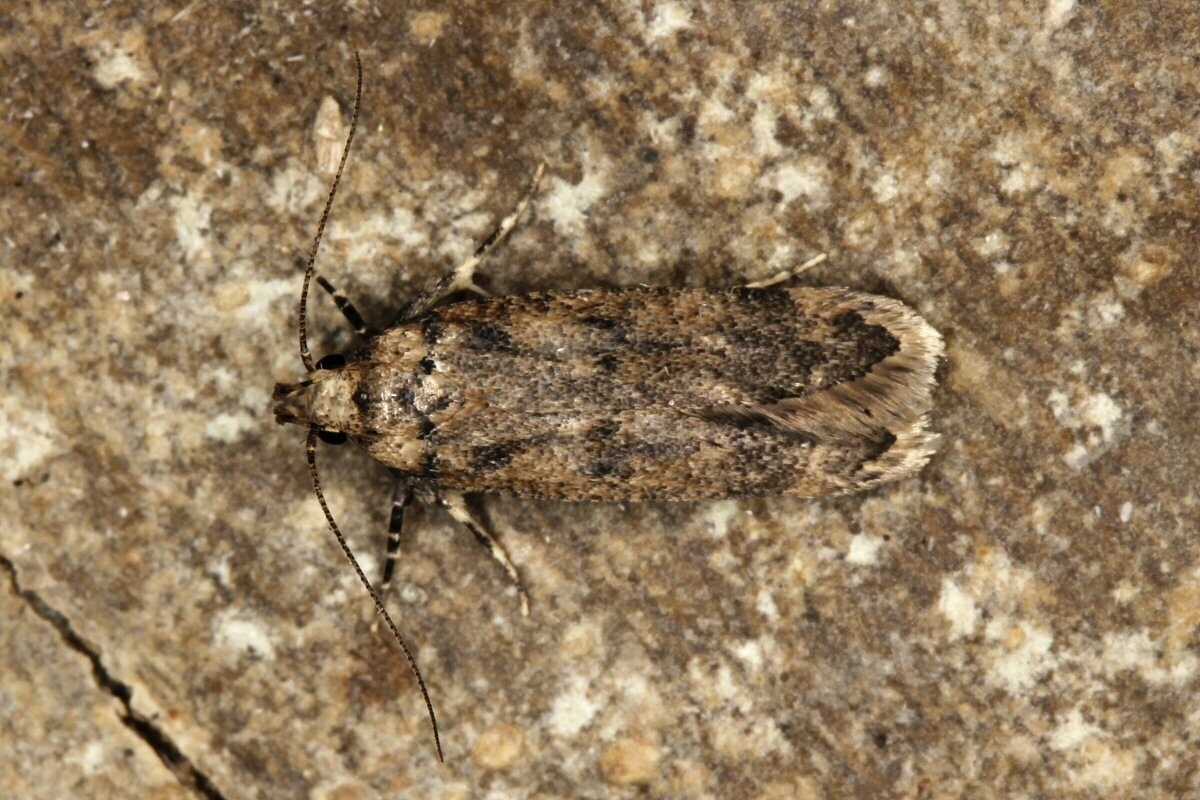
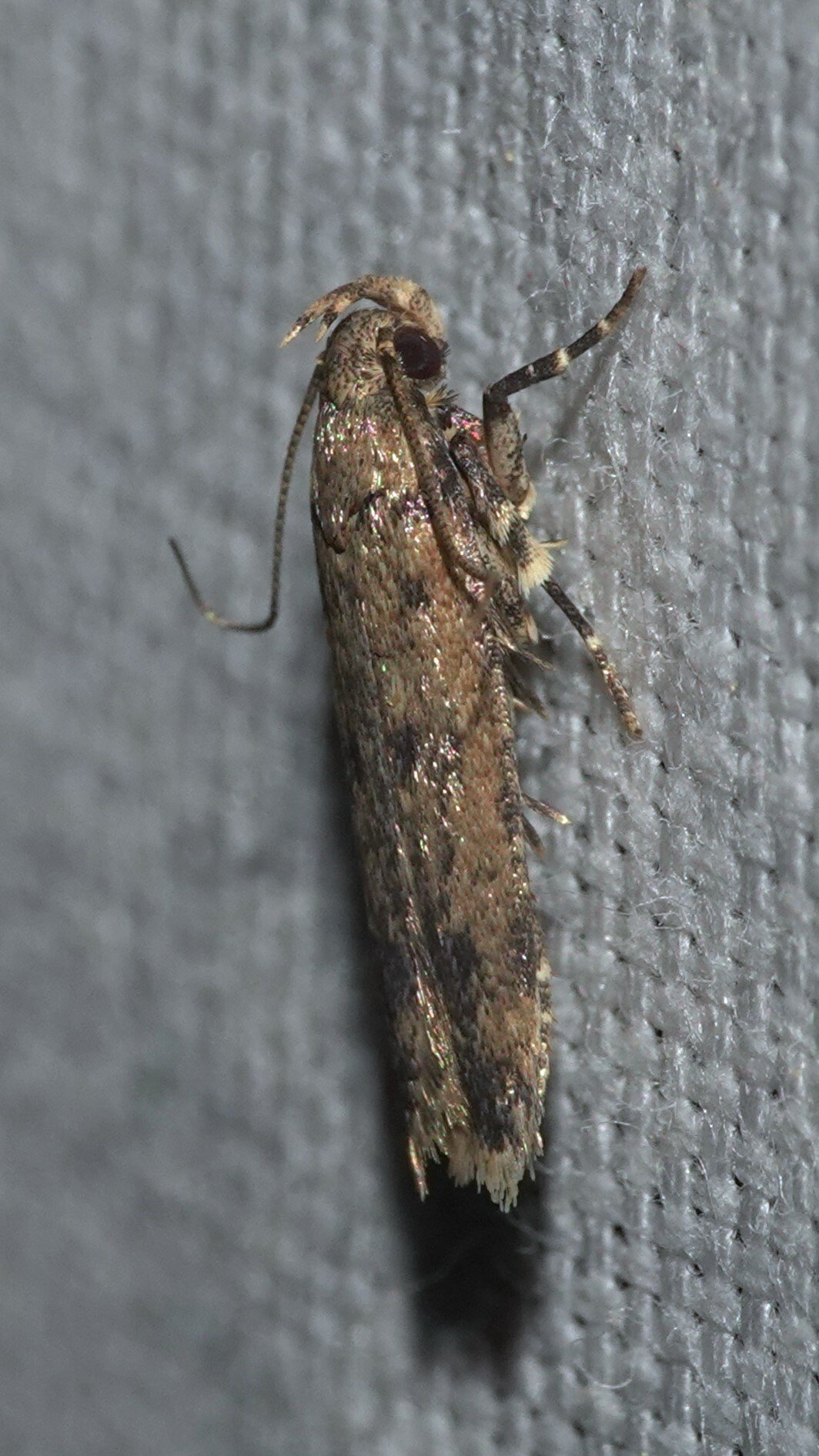
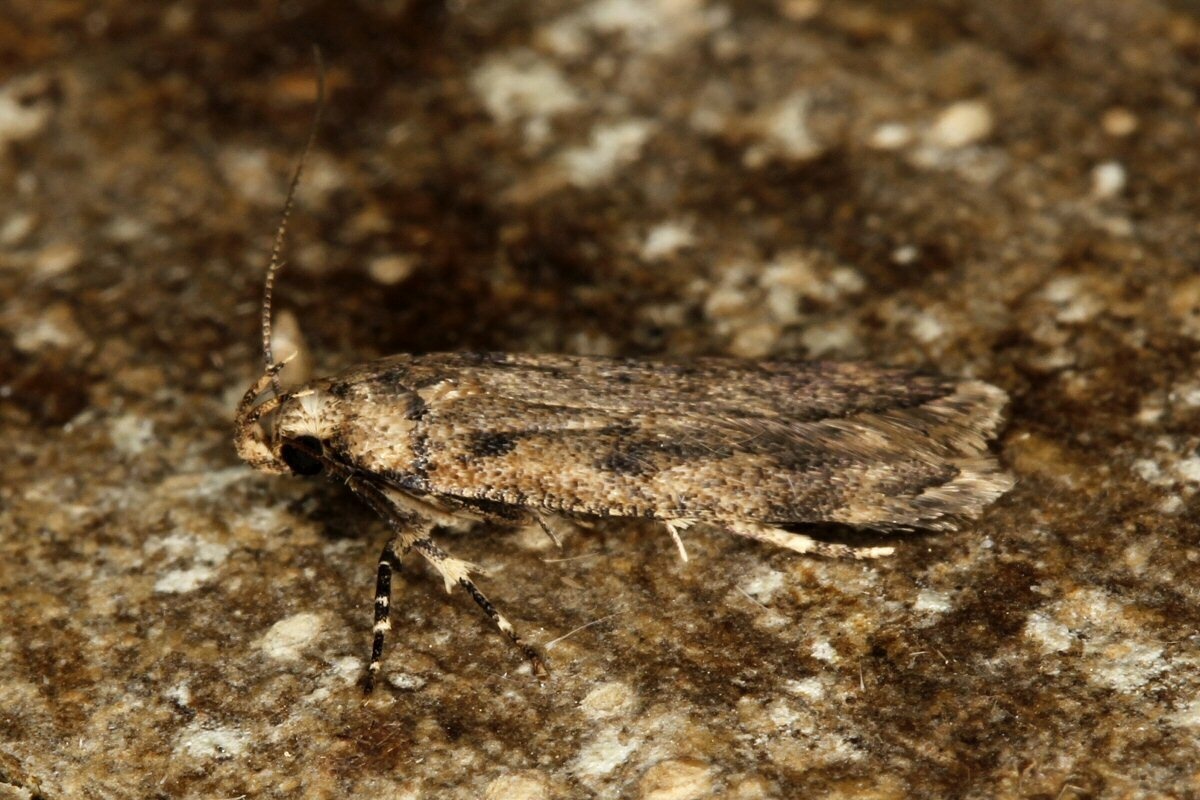
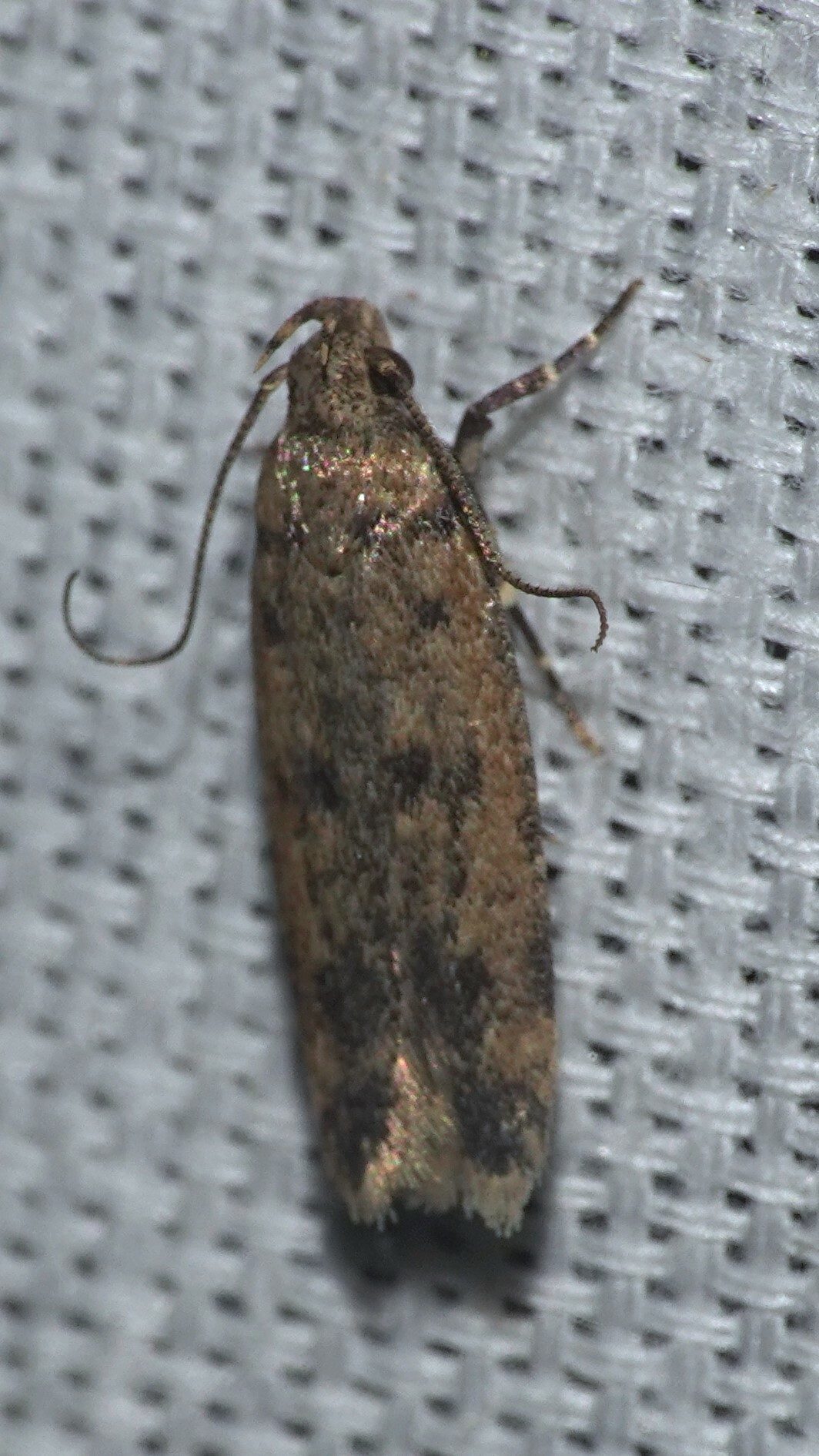
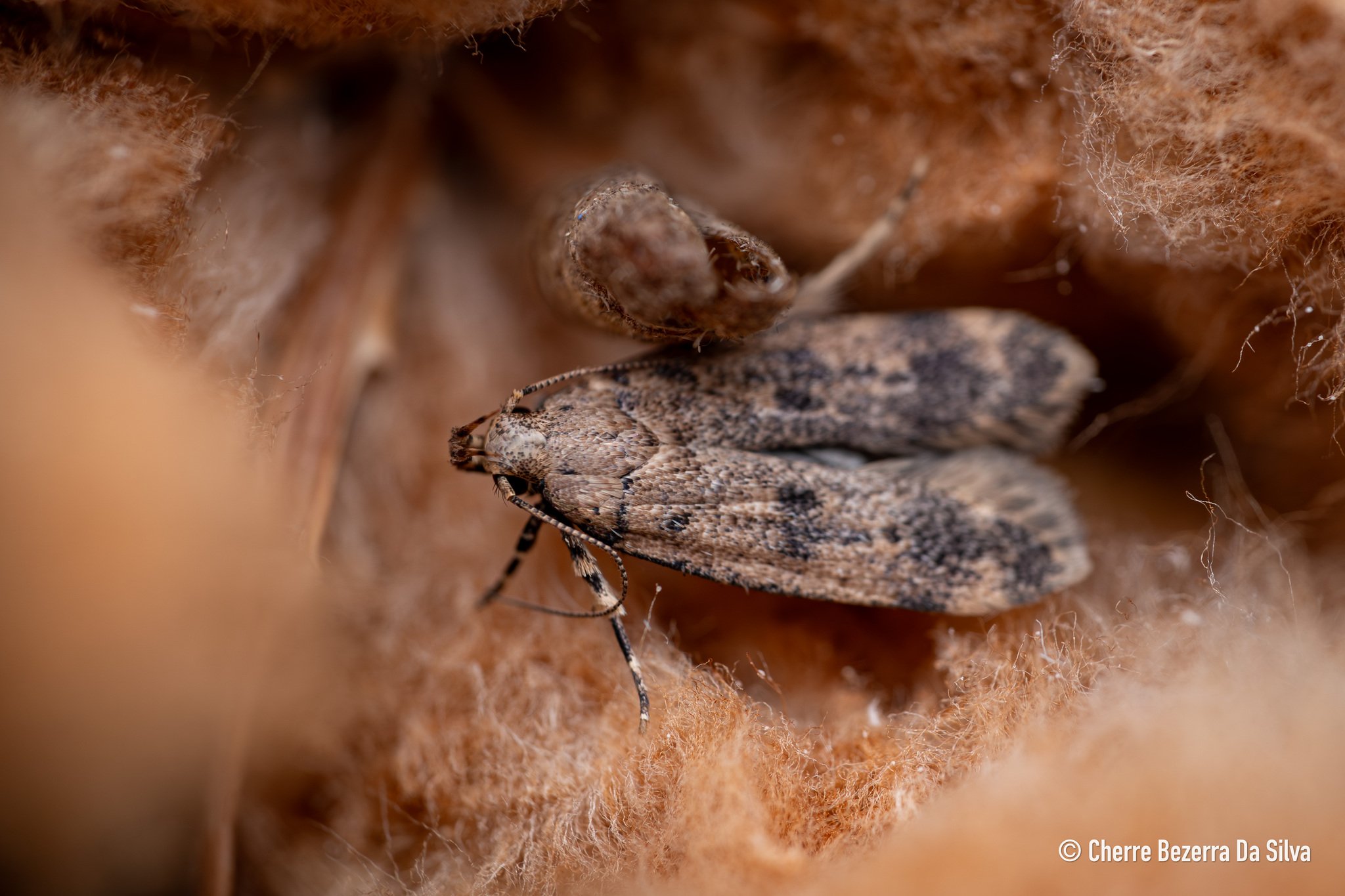
The pink bollworm (Pectinophora gossypiella; Spanish: lagarta rosada) is an insect known for being a pest in cotton farming. The adult is a small, thin, gray moth with fringed wings. The larva is a dull white caterpillar with eight pairs of legs with conspicuous pink banding along its dorsum. The larva reaches one half inch in length. The female moth lays eggs in a cotton boll, and when the larvae emerge from the eggs, they inflict damage through feeding. They chew through the cotton lint to feed on the seeds. Since cotton is used for both fiber and seed oil, the damage is twofold. Their disruption of the protective tissue around the boll is a portal of entry for other insects and fungi. The pink bollworm is native to Asia, but has become an invasive species in most of the world's cotton-growing regions. It reached the cotton belt in the southern United States by the 1920s. It was a major pest in the cotton fields of the southern California deserts. The USDA announced in 2018 that it had been eradicated from the continental United States, through the synergistic combination of using transgenic Bt cotton and releasing sterile males. In parts of India, the pink bollworm is now resistant to first generation transgenic Bt cotton (Bollgard cotton) that expresses a single Bt gene (Cry1Ac). Monsanto has admitted that this variety is ineffective against the pink bollworm pest in parts of Gujarat, India. Infestation on susceptible cotton is generally controlled with insecticides. Once a crop has been harvested, the field is plowed under as soon as possible to stop the life cycle of the new generation of pink bollworm. Unharvested bolls harbor the larvae, so these are destroyed. The plants are plowed into the earth and the fields are irrigated liberally to drown out remaining pests. Some farmers burn the stubble after harvest. Surviving bollworms will overwinter in the field and re-infest the following season. Populations of bollworms are also controlled with mating disruption, chemicals, and releases of sterile males which mate with the females but fail to fertilize their eggs.
from Wikipedia
Taxonomic Information
Metazoa
Arthropoda
Insecta
Lepidoptera
Gelechiidae
Pectinophora
gossypiella
unclassified
Species
nan
k__Metazoa;p__Arthropoda;c__Insecta;o__Lepidoptera;f__Gelechiidae;g__Pectinophora;s__Pectinophora gossypiella
nan
Arthropods
Photos (5 photos)
Morphological Features
No morphological description available.
Host Plants (5 host plants)
Data sources: EPPO Global Database and relevant literature.
| Scientific Name | Status |
|---|---|
| Abelmoschus esculentus | Host |
| Gossypium | Host |
| Gossypium hirsutum | Host |
| Hibiscus | Host |
| Malvaceae | Host |
Quarantine Status (14 records)
Data sources: IPPC website and national quarantine websites; verified by human review.
| Country | Status | Year Added |
|---|---|---|
| Armenia | Absent | — |
| Azerbaijan | Absent | 2024 |
| Belarus | Absent | 1994 |
| Guatemala | Absent | — |
| Indonesia | Present | — |
| Iran | Present | 2018 |
| Kazakhstan | A1 list | 2017 |
| Saint Kitts and Nevis | Quarantine pests | — |
| Mexico | Quarantine pests | 2018 |
| Nicaragua | Absent | — |
Distribution (112 countries)
Data Sources: EPPO Global Database and GBIF.
| Country | Status | State |
|---|---|---|
| Antigua and Barbuda | Present | — |
| Afghanistan | Present | — |
| Angola | Present | — |
| Albania | Present | — |
| Algeria | Present | — |
| Argentina | Present | — |
| Australia | Present | |
| Burundi | Present | — |
| Benin | Present | — |
| Burkina Faso | Present | — |
Distribution Map (Latitude and longitude coordinates sourced from GBIF.)
Download CSVGenomes (2 records)
Data source: NCBI.
| Assembly Accession | Assembly Level | Genome Size(Mb) | Contig N50(Kb) | Scaffold N50(Kb) | BUSCO% | Downloads | Actions |
|---|---|---|---|---|---|---|---|
| GCF_024362695.1 | Chromosome | 476 | 8257 | 16702 | 0.988649249% |
|
|
|
ilPecGoss1.1 |
|||||||
| GCA_022694865.1 | Scaffold | 384 | 1 | 1 | - |
|
|
|
UAS_Pgoss_1.0 |
|||||||
Transcriptomes (3 records)
Data source: NCBI.
| Run ID | Tissue | Developmental Stage | Sex | Read Count | Location | Actions |
|---|---|---|---|---|---|---|
| SRR23105222 | Fourth instar larva | - | - | 37595803 | India | |
|
PRJNA924511 SRX19056624 SRP417988 insect PBW_A1 Sample represent fourth instar larva from Pink Bollworm Larva of pink bollworm {'tissue': 'Fourth instar larva', 'isolate': 'Larva of pink bollworm', 'geo_loc_name': 'India', 'biosamplemodel': 'Invertebrate', 'collection_date': '2021-03', 'isolation_source': 'Nagpur, Maharashtra, India'} |
||||||
| SRR23105221 | Fourth instar larva | - | - | 26617397 | India: Nagpur, Maharashtra | |
|
PRJNA924511 SRX19056625 SRP417988 insect PBW_B1 Sample represent fourth instar larva from Pink Bollworm Larva of pink bollworm {'tissue': 'Fourth instar larva', 'isolate': 'Larva of pink bollworm', 'geo_loc_name': 'India: Nagpur, Maharashtra', 'biosamplemodel': 'Invertebrate', 'collection_date': '2021-03', 'isolation_source': 'Nagpur, Maharashtra, India'} |
||||||
| SRR23105220 | Fourth instar larva | - | - | 27744132 | India: Nagpur, Maharashtra | |
|
PRJNA924511 SRX19056626 SRP417988 insect PBW_C1 Sample represent fourth instar larva from Pink Bollworm Larva of pink bollworm {'tissue': 'Fourth instar larva', 'isolate': 'Larva of pink bollworm', 'geo_loc_name': 'India: Nagpur, Maharashtra', 'biosamplemodel': 'Invertebrate', 'collection_date': '2021-03', 'isolation_source': 'Nagpur, Maharashtra, India'} |
||||||
Literature
Fetching literature from NCBI PubMed...
Failed to fetch literature