Azolla pinnata
TaxID: 99433
Basic Information
Azolla pinnata
Feathered mosquitofern, Ferny Azolla
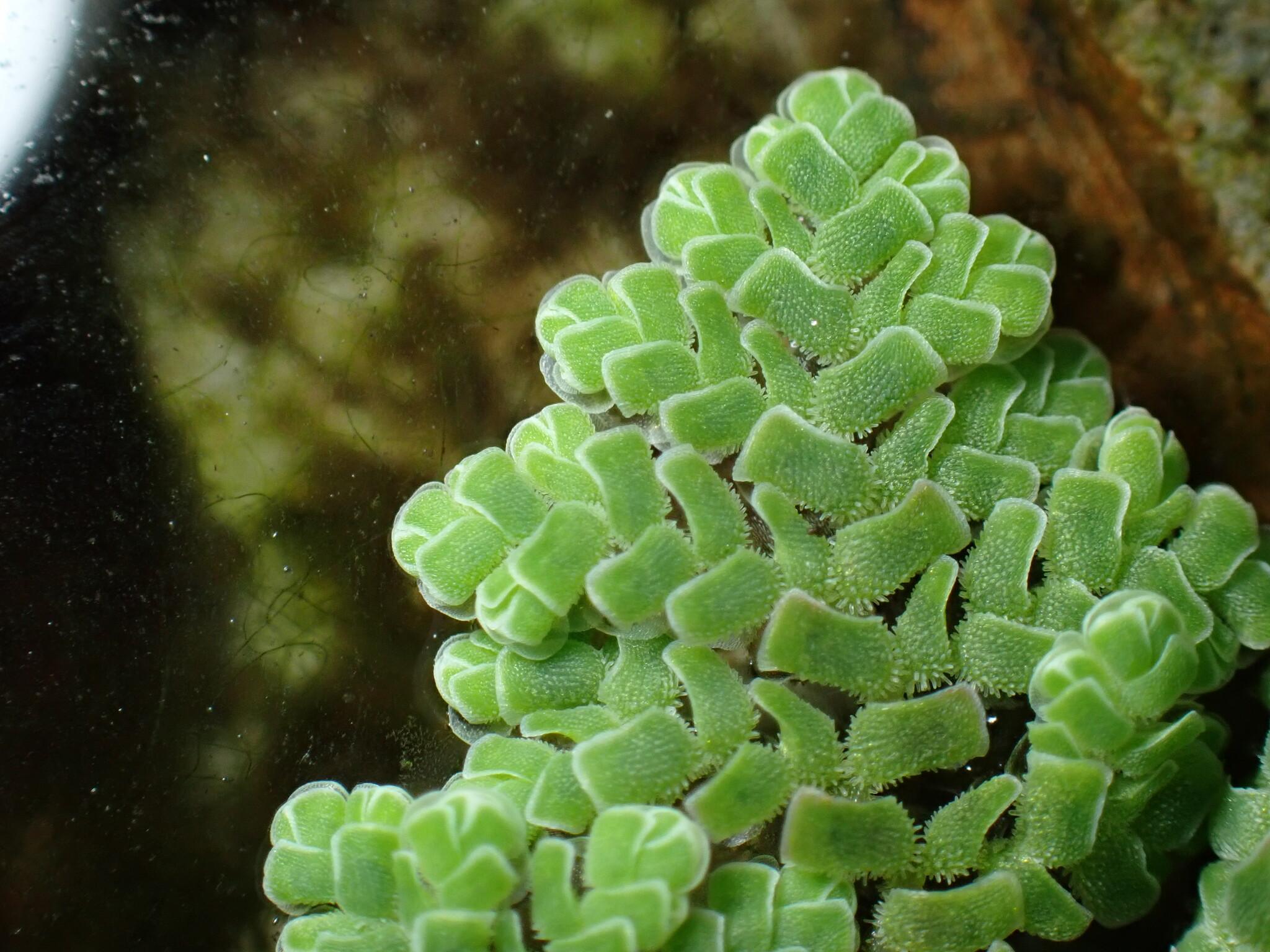
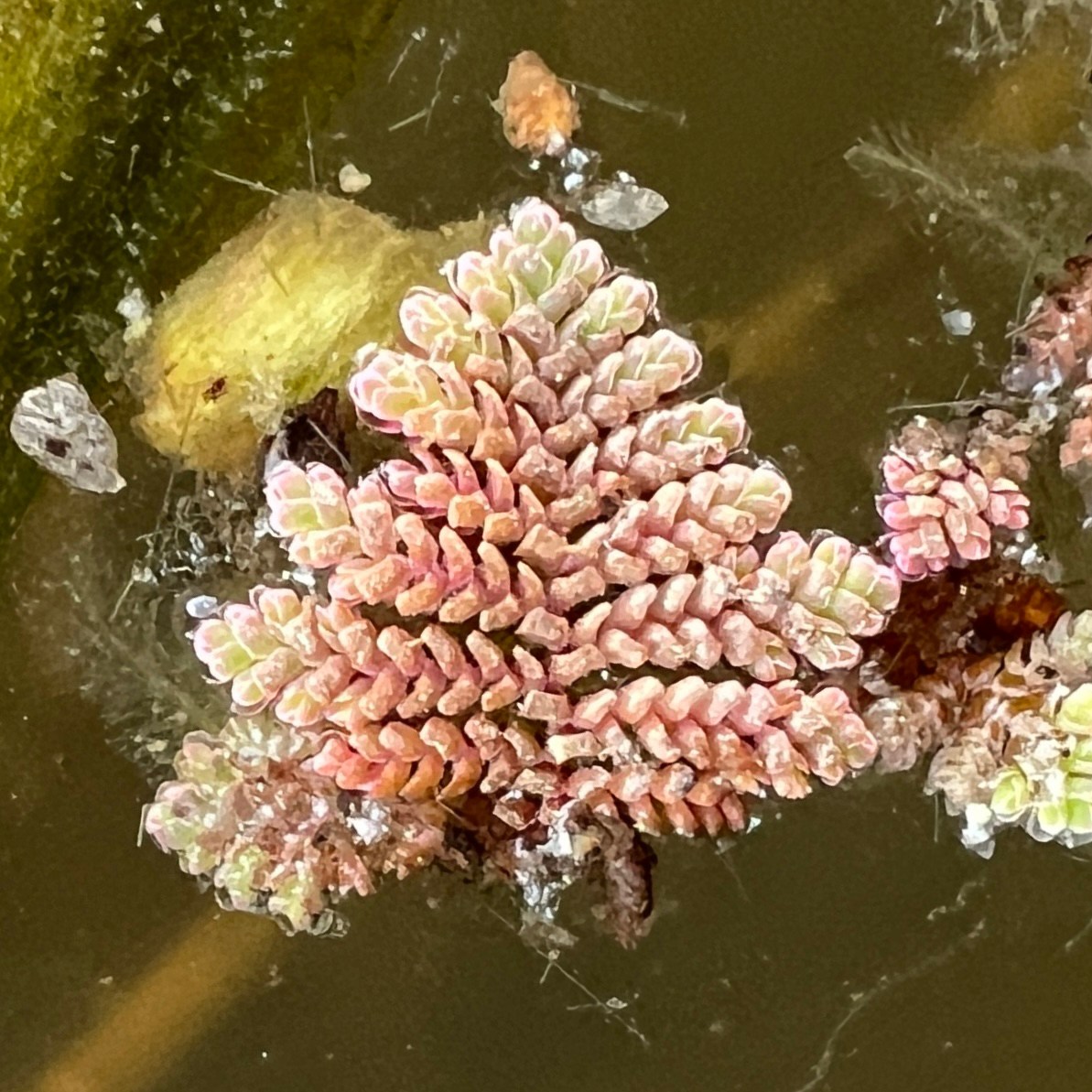
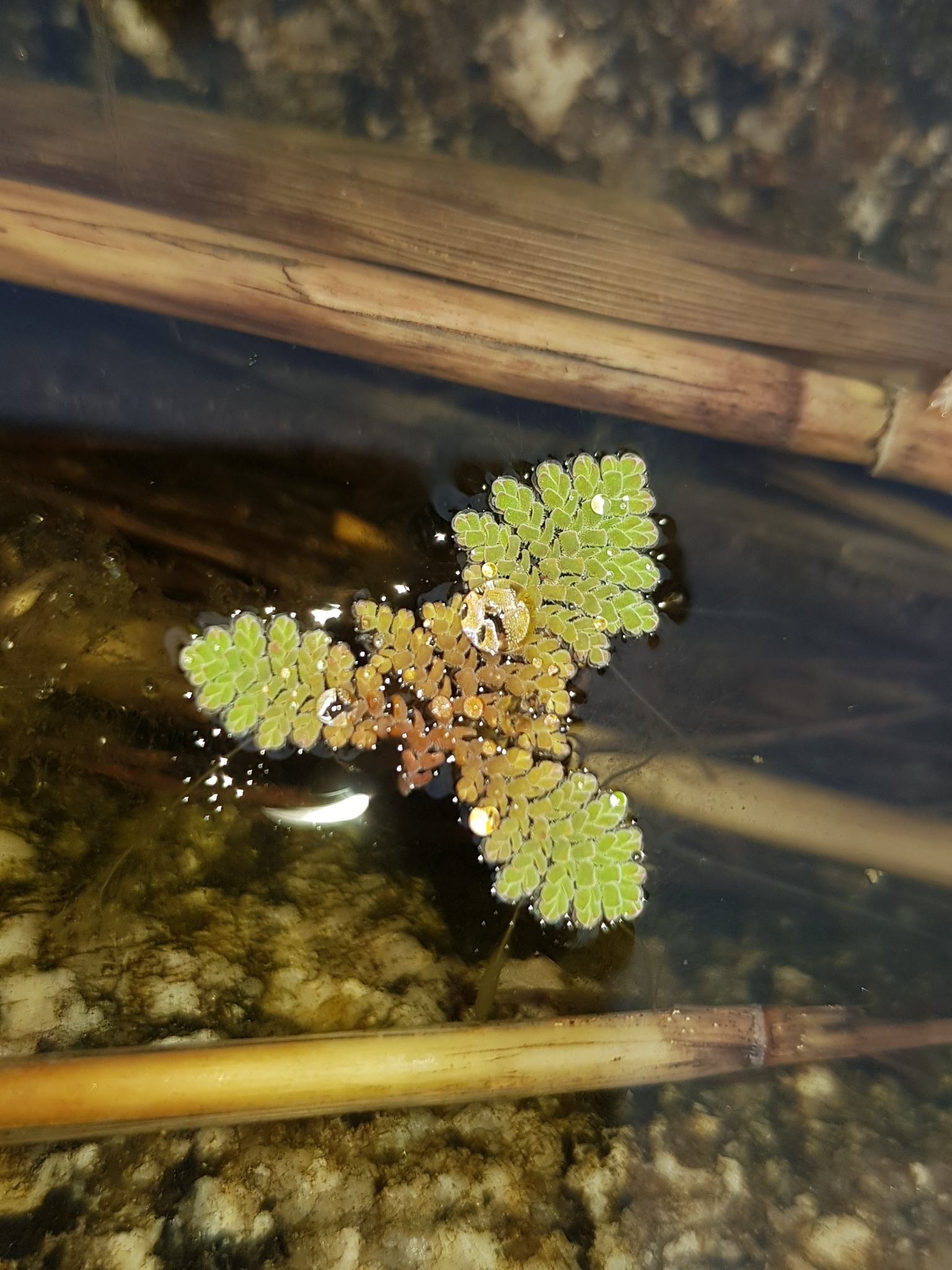
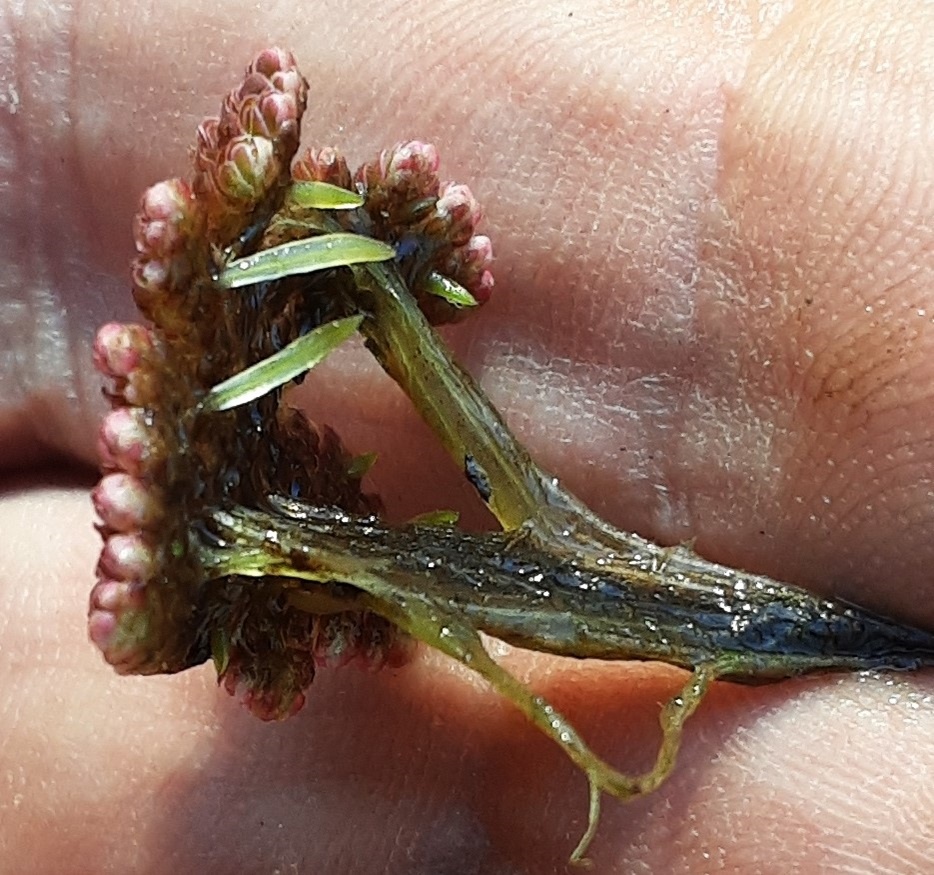
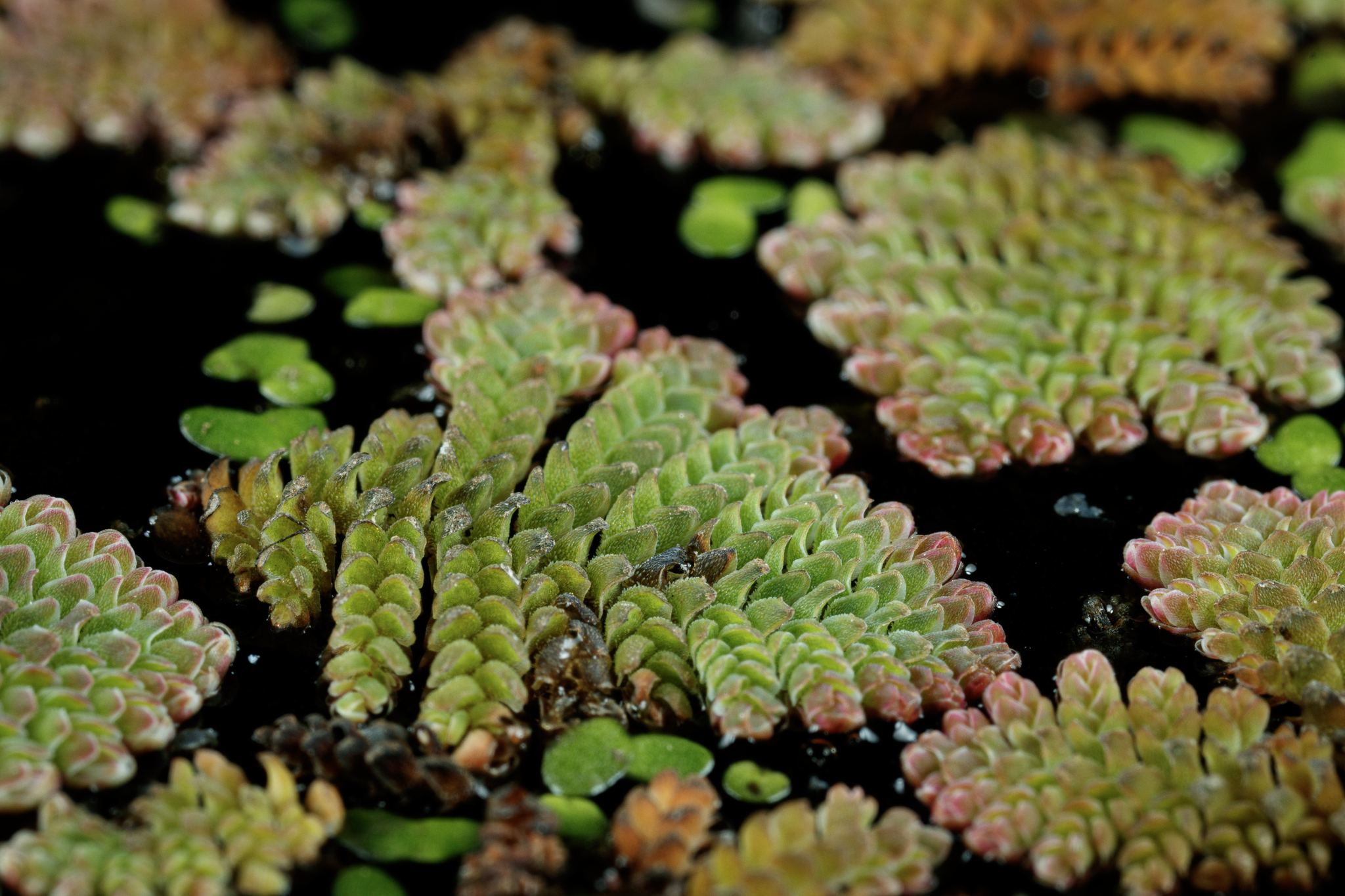
Azolla pinnata is a species of fern known by several common names, including mosquitofern, feathered mosquitofern and water velvet. It is native to much of Africa, Asia (Brunei Darussalam, China, India, Japan, Korea, and the Philippines) and parts of Australia. It is an aquatic plant, it is found floating upon the surface of the water. It grows in quiet and slow-moving water bodies because swift currents and waves break up the plant. At maximum growth rate, it can double its biomass in 1.9 days, with most strains attaining such growth within a week under optimal conditions. A. pinnata is a small fern with a triangular stem measuring up to 2.5 centimeters in length that floats on the water. The stem bears many rounded or angular overlapping leaves each 1 or 2 millimeters long. They are green, blue-green, or dark red in color and coated in tiny hairs, giving them a velvety appearance. The hairs make the top surface of the leaf water-repellent, keeping the plant afloat even after being pushed under. A water body may be coated in a dense layer of the plants, which form a velvety mat that crowds out other plants. The hairlike roots extend out into the water. The leaves contain the cyanobacterium Anabaena azollae, which is a symbiont that fixes nitrogen from the atmosphere that the fern can use. This gives the fern the ability to grow in habitats that are low in nitrogen. The plant reproduces vegetatively when branches break off the main axis, or sexually when sporocarps on the leaves release spores. It is present in New Zealand as an introduced species and an invasive weed that has crowded out a native relative, Azolla rubra. It is a pest of waterways because its dense mats reduce oxygen in the water. The weevil Stenopelmus rufinasus is used as an agent of biological pest control to manage Azolla filiculoides, and it has been found to attack A. pinnata as well. Rice farmers sometimes keep this plant in their paddies because it generates valuable nitrogen via its symbiotic cyanobacteria. The plant can be grown in wet soil and then plowed under, generating a good amount of nitrogen-rich fertilizer. The plant has the ability to absorb a certain amount of heavy metal pollution, such as lead, from contaminated water. It is 25-30% protein and can be added to chicken feed.
from Wikipedia
Taxonomic Information
Eukaryota
Streptophyta
Polypodiopsida
Salviniales
Salviniaceae
Azolla
pinnata
nan
Species
nan
k__Eukaryota;p__Streptophyta;c__Polypodiopsida;o__Salviniales;f__Salviniaceae;g__Azolla;s__Azolla pinnata
nan
Weeds
Photos (5 photos)
Morphological Features
No morphological description available.
Host Plants (0 host plants)
Data sources: EPPO Global Database and relevant literature.
No host plants available.
Quarantine Status (3 records)
Data sources: IPPC website and national quarantine websites; verified by human review.
| Country | Status | Year Added |
|---|---|---|
| Jordan | A1 list | 2013 |
| French Polynesia | Absent | — |
| United States of America | Quarantine pests | 1989 |
Distribution (56 countries)
Data Sources: EPPO Global Database and GBIF.
| Country | Status | State |
|---|---|---|
| Australia | Present | — |
| Burundi | Present | — |
| Benin | Present | — |
| Burkina Faso | Present | — |
| Bangladesh | Present | — |
| Brazil | Present | — |
| Botswana | Present | — |
| Central African Republic | Present | — |
| Cambodia | Present | — |
| China | Present | — |
Distribution Map (Latitude and longitude coordinates sourced from GBIF.)
Download CSVGenomes (1 records)
Data source: NCBI.
| Assembly Accession | Assembly Level | Genome Size(Mb) | Contig N50(Kb) | Scaffold N50(Kb) | BUSCO% | Downloads | Actions |
|---|---|---|---|---|---|---|---|
| GCA_037176905.1 | Scaffold | 167 | 12 | 29 | - |
|
|
|
ASM3717690v1 |
|||||||
Transcriptomes (3 records)
Data source: NCBI.
| Run ID | Tissue | Developmental Stage | Sex | Read Count | Location | Actions |
|---|---|---|---|---|---|---|
| SRR2103743 | trophophyll | - | - | 14973559 | China: Shanghai | |
|
PRJNA281136 SRX1098260 SRP061211 weed RNA-seq of Azolla pinnata Total RNA was extracted using Trizol (Life Technologies Corp.) according to manufacturer’s protocols. RNA concentration was determined using a NanoDrop spectrophotometer, and RNA quality was assessed by Agilent Bioanalyzer. {'tissue': 'trophophyll', 'geo_loc_name': 'China: Shanghai', 'biosamplemodel': 'Plant', 'collection_date': '2014-07-09'} |
||||||
| SRR6920700 | young leaves | - | - | 14470199 | China: Shanghai | |
|
PRJNA422112 SRX3868025 SRP126570 weed RNA-Seq of ferns insert (125-300bp) {'tissue': 'young leaves', 'geo_loc_name': 'China: Shanghai', 'biosamplemodel': 'Plant'} |
||||||
| SRR31322655 | Whole plant | Vegetative growth | - | 116962140 | Australia: Perth metropolitan area | |
|
PRJNA1185439 SRX26700249 SRP544838 weed RNAseq Azolla pinnata whole plant Total RNA was extracted from whole plants of a single clonal colony. RNA was depleted of ribosomal RNAs using an Illumina Ribo-Zero Plus rRNA Depletion kit. 150 nt paired end libraries were prepared using an Illumina TruSeq Stranded mRNA kit and sequenced by Novogene (Singapore) on an Illumina HiSeq2500. 110M reads were requested. Western Australia {'tissue': 'Whole plant', 'ecotype': 'Western Australia', 'isolate': 'Mix of whole plants from a single clonal colony for RNA-seq', 'cultivar': 'Western Australia', 'dev_stage': 'Vegetative growth', 'collected_by': 'Farley M. Kwok van der Giezen', 'geo_loc_name': 'Australia: Perth metropolitan area', 'biosamplemodel': 'Plant', 'collection_date': '2020-06'} |
||||||
DNA Barcodes (5 records)
View allData source: BOLD.
| Process ID | BIN | Marker | Length | Country | Date | Lat/Lon | Sequence |
|---|---|---|---|---|---|---|---|
| GENG373-14 | - | rbcL | 558 | India | 2013-11-21 | 22.34, 73.22 | |
| GBVN1785-11 | - | rbcL | 1309 | - | - | - | |
| GBVN1784-11 | - | rbcL | 1309 | - | - | - | |
| GBVN1783-11 | - | rbcL | 1305 | - | - | - | |
| GBITS56288-21 | - | ITS | 809 | - | - | - |
Literature
Fetching literature from NCBI PubMed...
Failed to fetch literature