Diaphania nitidalis
TaxID: 1140737
Basic Information
Diaphania nitidalis
Pickleworm
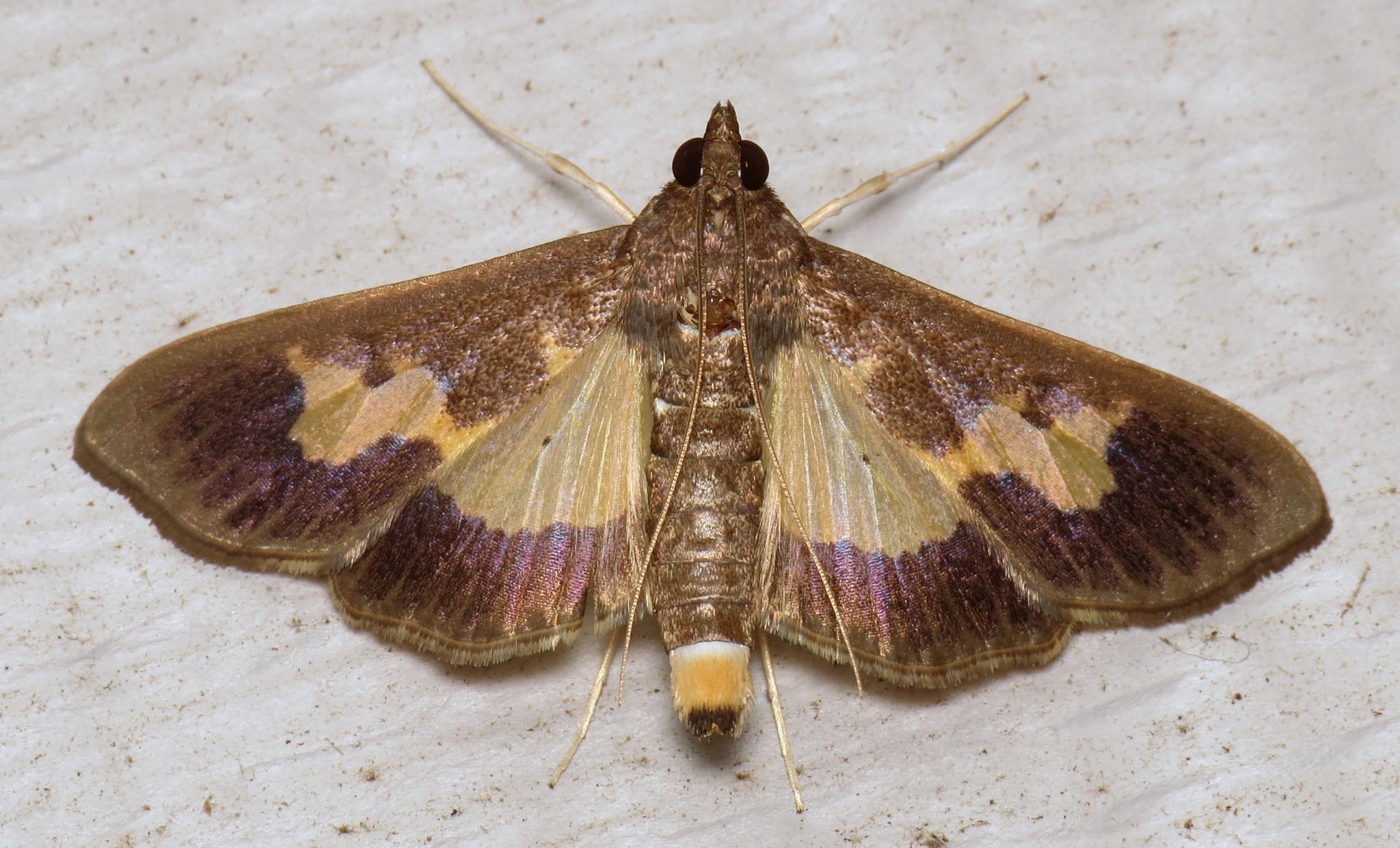
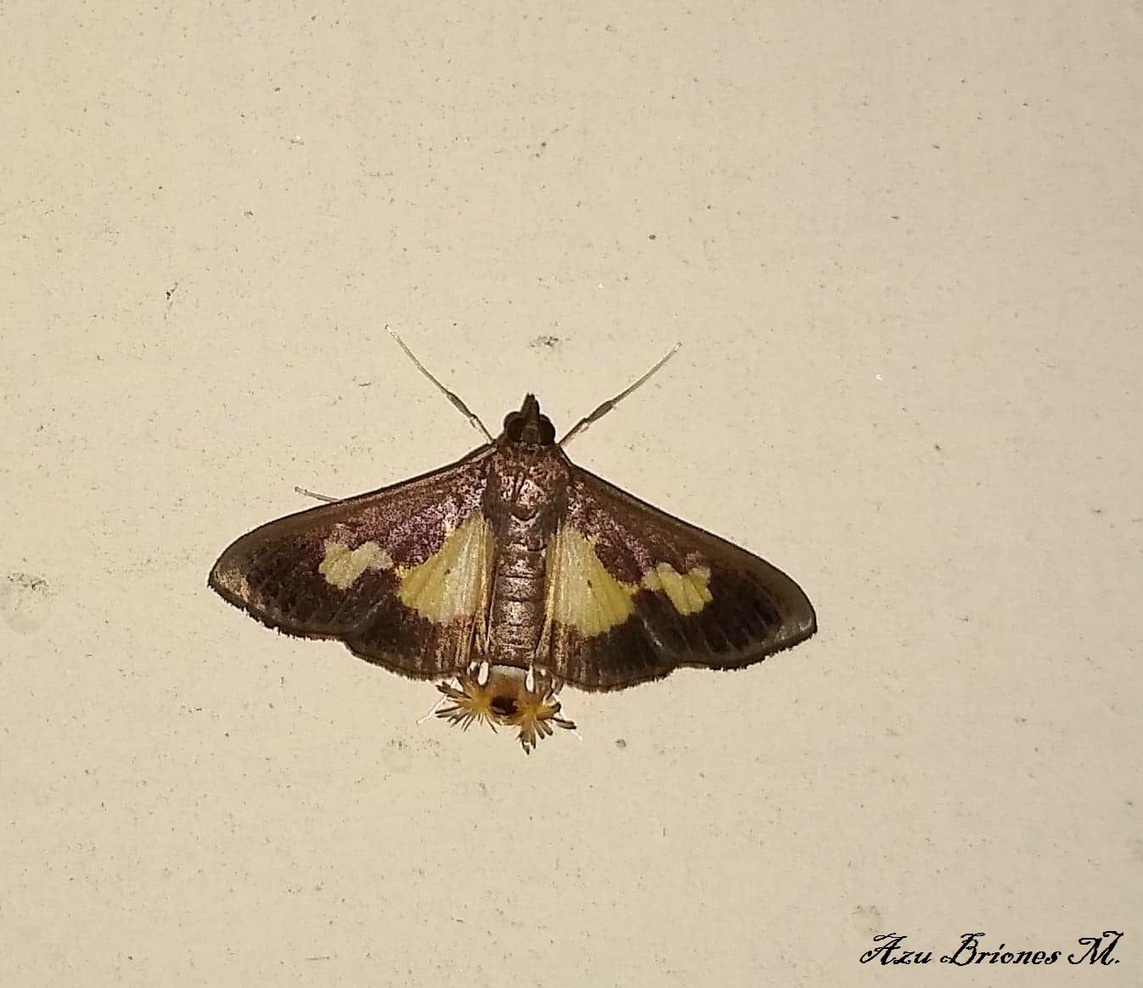
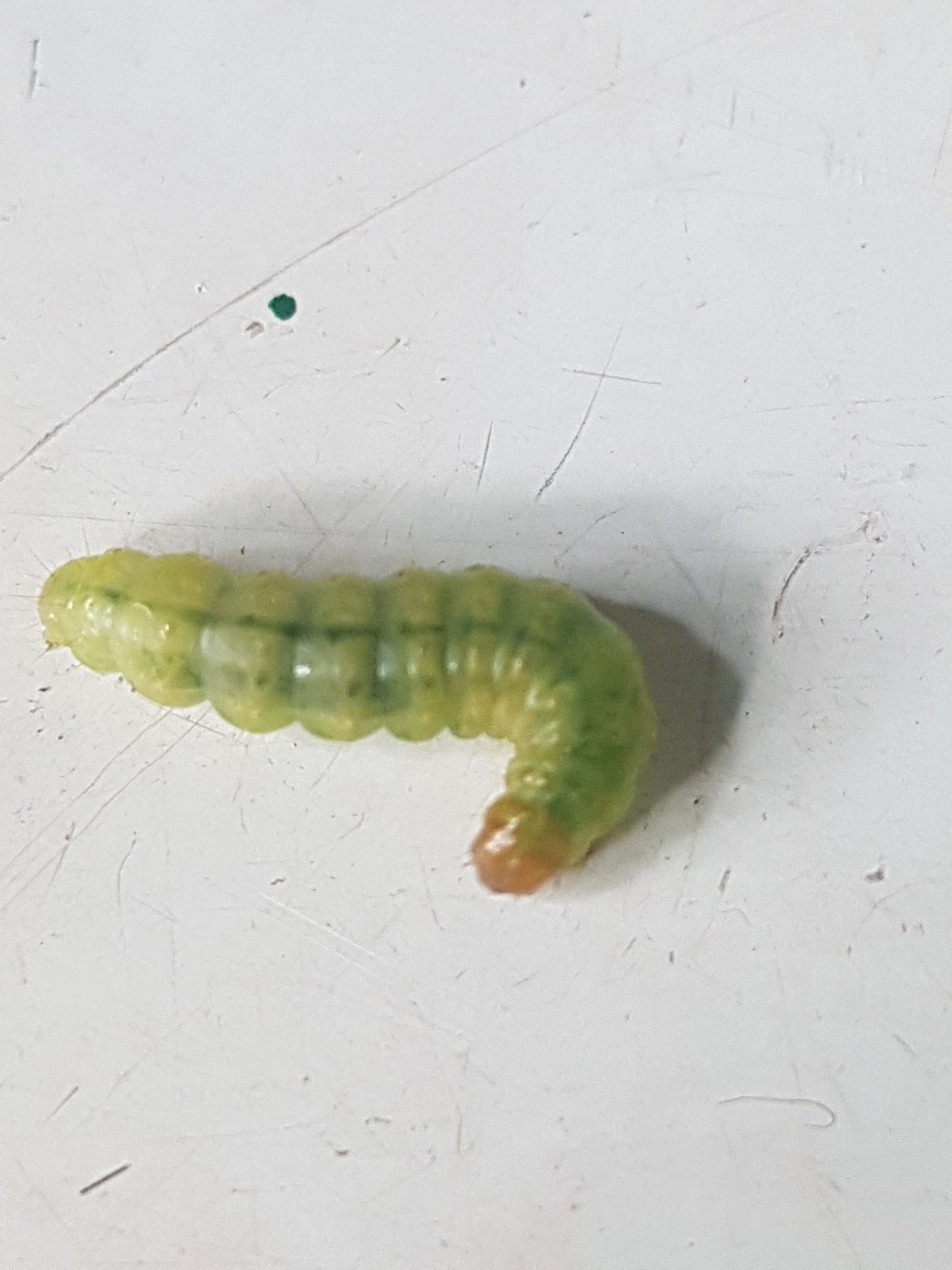
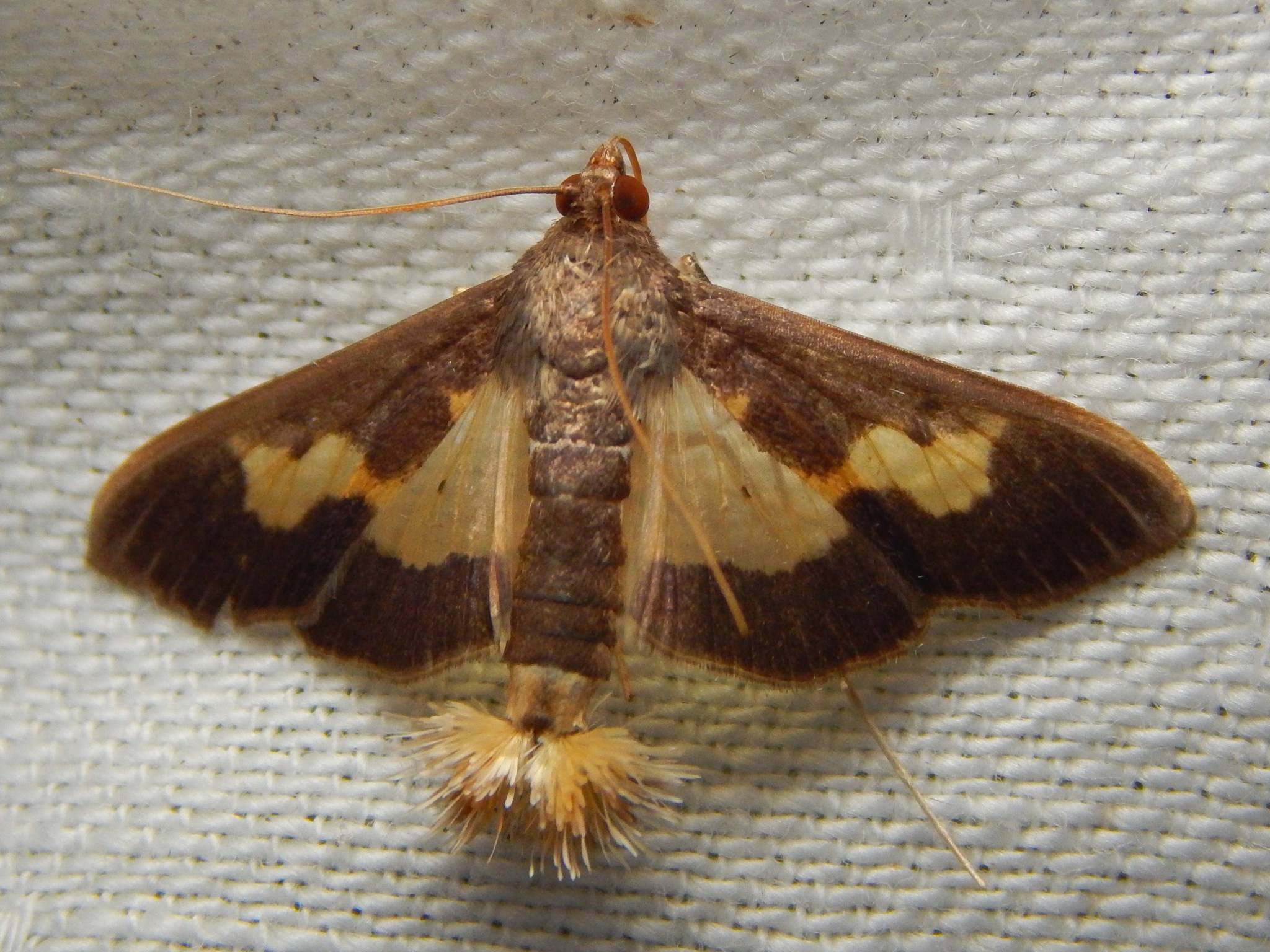
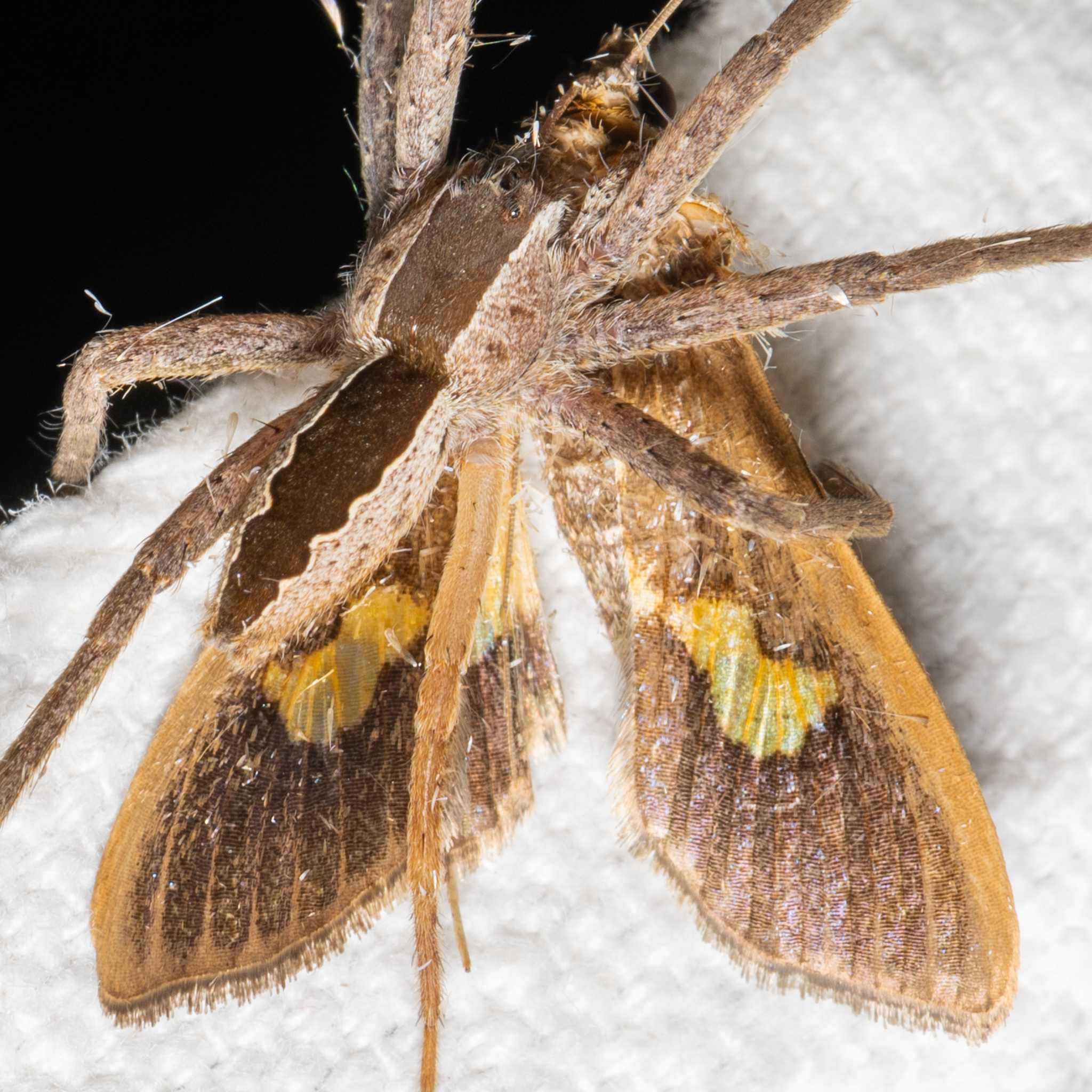
Diaphania nitidalis, the pickleworm, is a serious agricultural pest insect in the family Crambidae. It damages squash primarily, but it is also a common pest of other cucurbits such as cucumbers and melons. It is a tropical species which can be found in the southern United States. In the southern United States, earlier plants are less affected compared to later plantings. It does not tolerate cold temperatures. The species was first described by Caspar Stoll in 1781. The pickleworm adult is a flashy moth with wide triangular wings and a wingspan of about one inch. The wings are mostly iridescent brown with a central band of yellow and thin white borders. The legs are white. The abdomen is mostly brown except for the tail segment, which is white and has a large fluffy tuft. Adults are not active during daylight hours and eggs are laid only at night. It lays tiny eggs in small clusters on growing areas of the plant, such as flowers, shoots, and new leaf buds. These areas are the feeding spots for the larvae, which emerge after a few days and eat voraciously for two weeks. The younger larvae are thin white caterpillars with numerous small black spots. As the larvae mature they become plump and darker in color and they lose their spots. The larvae tuck themselves into crumpled dead leaves to pupate for 8 to 10 days. The life cycle varies by environmental conditions ranging from 22 to 55 days. In warm areas the pickleworm can produce four generations per year.
from Wikipedia
Taxonomic Information
Metazoa
Arthropoda
Insecta
Lepidoptera
Crambidae
Diaphania
nitidalis
unclassified
Species
nan
k__Metazoa;p__Arthropoda;c__Insecta;o__Lepidoptera;f__Crambidae;g__Diaphania;s__Diaphania nitidalis
nan
Arthropods
Photos (5 photos)
Morphological Features
Forewing brown with a lustred purple sheen, bearing a large pale yellow patch postmedially; hindwing similarly coloured brown along the margin and pale yellow from base to beyond middle.
Plazi taxonomic treatment
Host Plants (11 host plants)
Data sources: EPPO Global Database and relevant literature.
| Scientific Name | Status |
|---|---|
| Citrullus lanatus | Host |
| Coccinia grandis | Host |
| Cucumis melo | Host |
| Cucumis sativus | Host |
| Cucurbita moschata | Host |
| Cucurbita pepo | Host |
| Cucurbitaceae | Host |
| Lagenaria siceraria | Host |
| Melothria pendula | Host |
| Momordica charantia | Host |
Quarantine Status (6 records)
Data sources: IPPC website and national quarantine websites; verified by human review.
| Country | Status | Year Added |
|---|---|---|
| China | Quarantine pests | 2021 |
| Grenada | Quarantine pests | — |
| Japan | Quarantine pests | — |
| Saint Kitts and Nevis | Quarantine pests | — |
| Republic of Korea | Quarantine pests | — |
| Nepal | Quarantine pests | — |
Distribution (15 countries)
Data Sources: EPPO Global Database and GBIF.
| Country | Status | State |
|---|---|---|
| Argentina | Present | — |
| Belize | Present | — |
| Bermuda | Present | — |
| Brazil | Present | |
| Chile | Present | — |
| Costa Rica | Present | — |
| Dominica | Present | — |
| Honduras | Present | — |
| Saint Kitts and Nevis | Present | — |
| Mexico | Present | — |
Genomes (0 records)
Data source: NCBI.
No genome records available.
Transcriptomes (0 records)
Data source: NCBI.
No transcriptome records available.
Literature
Fetching literature from NCBI PubMed...
Failed to fetch literature