Pseudomonas aeruginosa
TaxID: 287
Basic Information
Pseudomonas aeruginosa
Blue-green Pus Bacterium
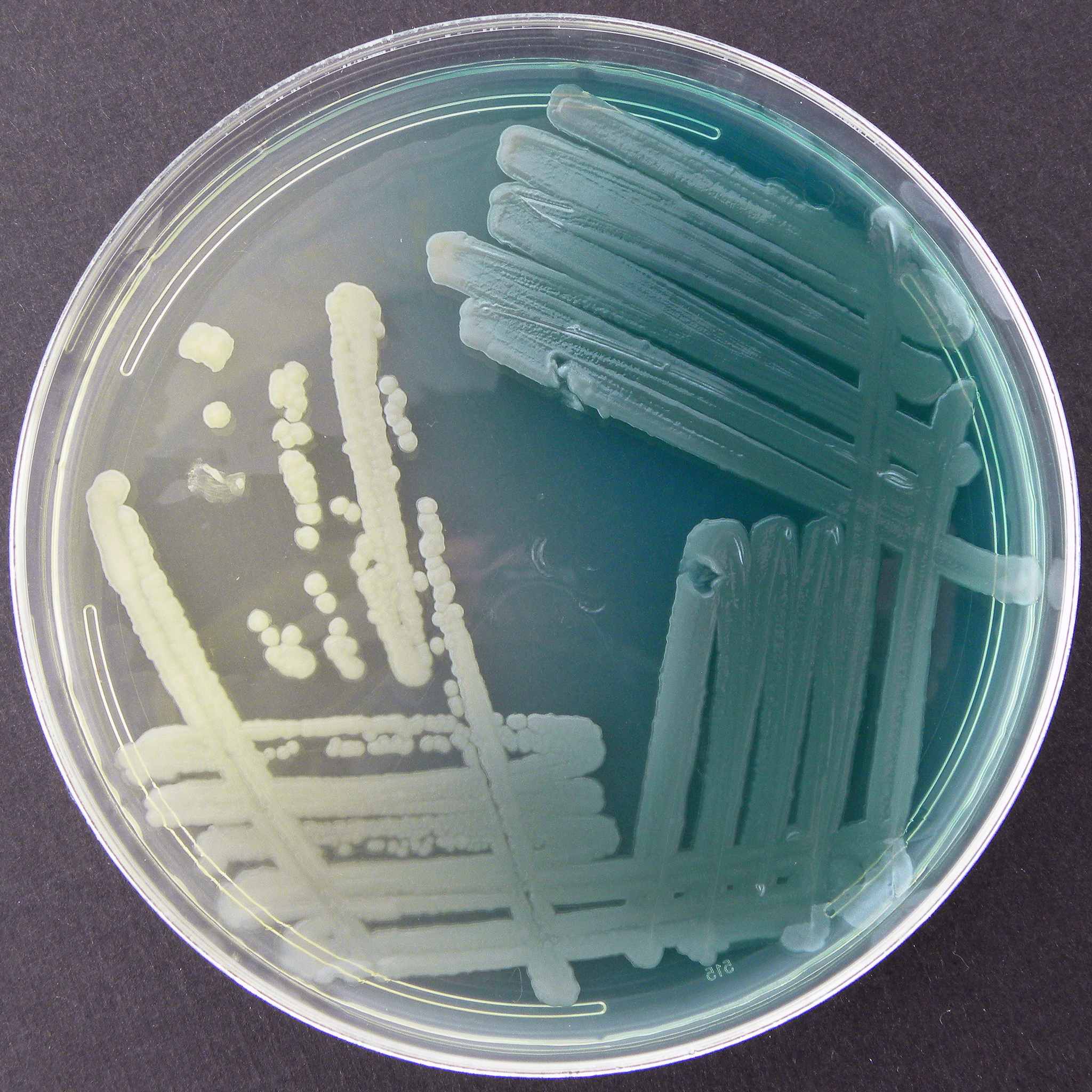
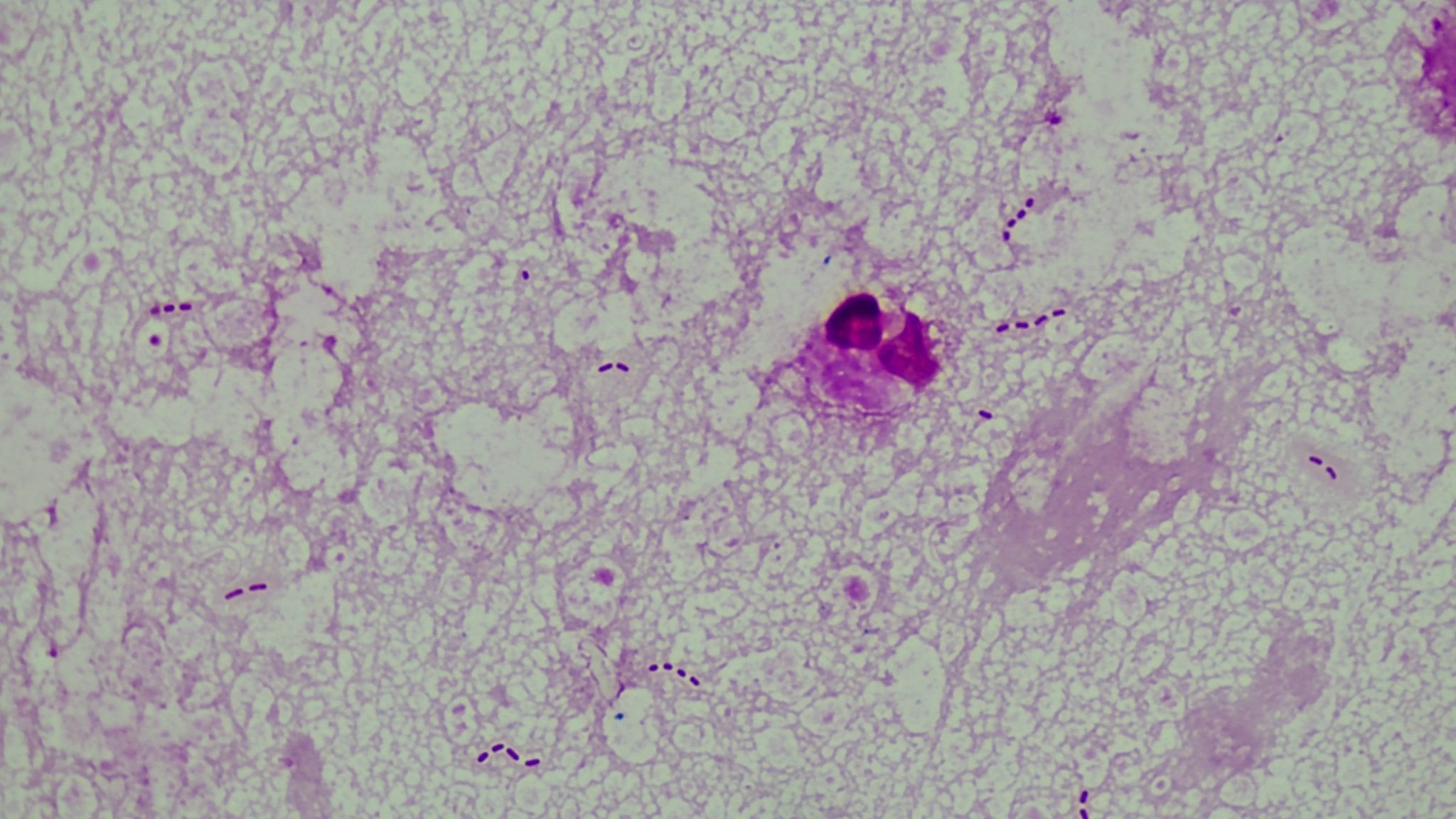
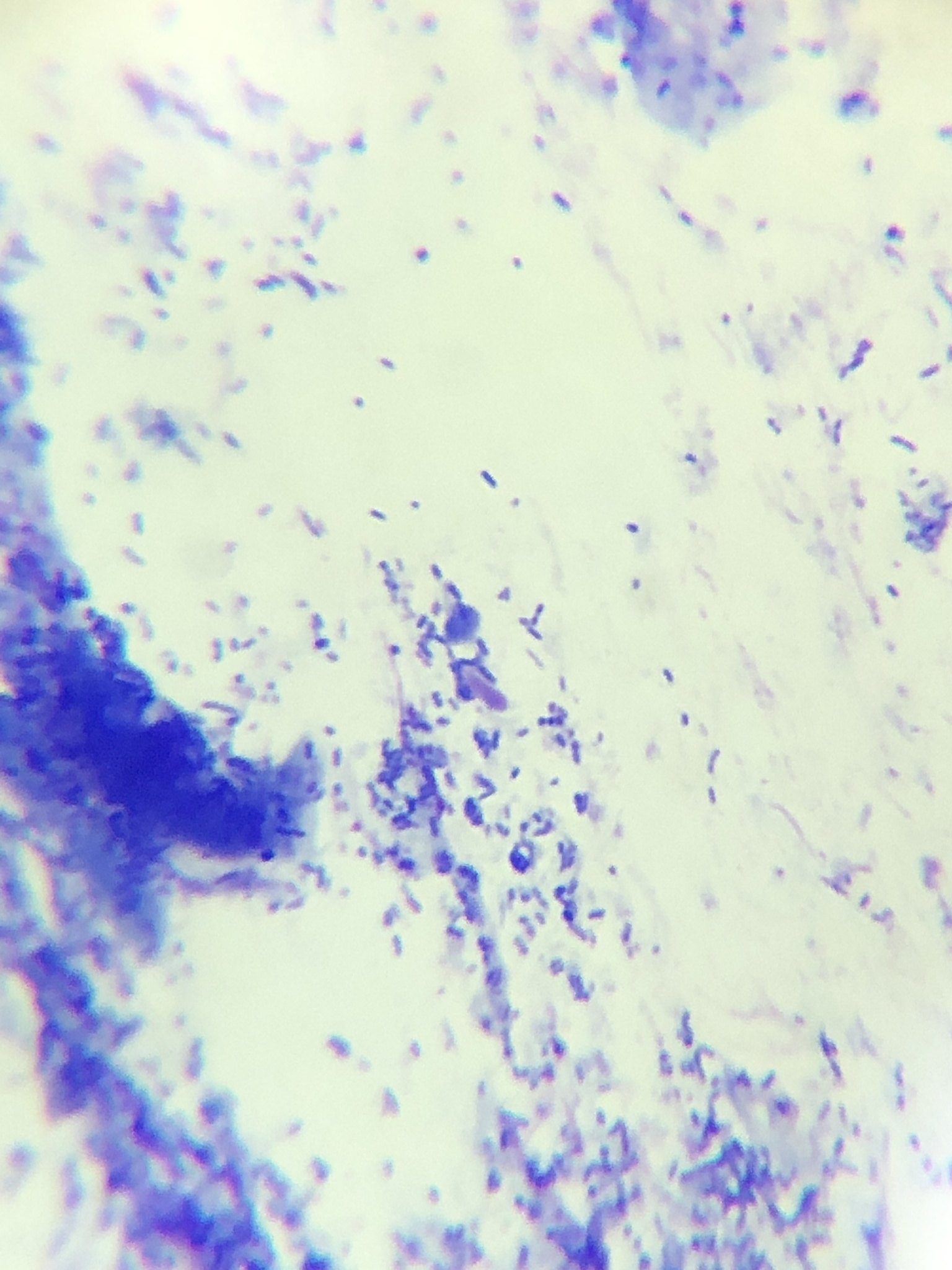
Pseudomonas aeruginosa is a common encapsulated, Gram-negative, aerobic Cfacultatively anaerobic, rod-shaped bacterium that can cause disease in plants and animals, including humans. A species of considerable medical importance, P. aeruginosa is a multidrug resistant pathogen recognized for its ubiquity, its intrinsically advanced antibiotic resistance mechanisms, and its association with serious illnesses C hospital-acquired infections such as ventilator-associated pneumonia and various sepsis syndromes. P. aeruginosa is able to selectively inhibit various antibiotics from penetrating its outer membrane and has high resistance to several antibiotics. According to the World Health Organization P. aeruginosa poses one of the greatest threats to humans in terms of antibiotic resistance. The organism is considered opportunistic insofar as serious infection often occurs during existing diseases or conditions C most notably cystic fibrosis and traumatic burns. It generally affects the immunocompromised but can also infect the immunocompetent, as in hot tub folliculitis. Treatment of P. aeruginosa infections can be difficult due to its natural resistance to antibiotics. When more advanced antibiotic drug regimens are needed, adverse effects may result. It is citrate-, catalase-, and oxidase-positive. It is found in soil, water, skin flora, and most human-made environments throughout the world. As a facultative anaerobe, P. aeruginosa thrives in diverse habitats. It uses a wide range of organic material for food; in animals, its versatility enables it to infect damaged tissues or those with reduced immunity. The symptoms of such infections are generalized inflammation and sepsis. If such colonizations occur in critical body organs, such as the lungs, urinary tract, and kidneys, the results can be fatal. Because it thrives on moist surfaces, this bacterium is also found on and in soap and medical equipment, including catheters, causing cross-infections in hospitals and clinics. It is also able to decompose hydrocarbons and has been used to break down tarballs and oil from oil spills. P. aeruginosa is not extremely virulent in comparison with other major species of pathogenic bacteria such as Gram-positive Staphylococcus aureus and Streptococcus pyogenes , although P. aeruginosa is capable of extensive colonization and can aggregate into enduring biofilms. Its genome includes numerous genes for transcriptional regulation and antibiotic resistance, such as efflux systems and beta-lactamases, which contribute to its adaptability and pathogenicity in human hosts. P. aeruginosa produces a characteristic sweet, grape-like odor due to its synthesis of 2-aminoacetophenone.
from Wikipedia
Taxonomic Information
Bacteria
Pseudomonadota
Gammaproteobacteria
Pseudomonadales
Pseudomonadaceae
Pseudomonas
aeruginosa
Unclassified
Species
nan
d__Bacteria;p__Pseudomonadota;c__Gammaproteobacteria;o__Pseudomonadales;f__Pseudomonadaceae;g__Pseudomonas;s__Pseudomonas aeruginosa
nan
Prokaryotes
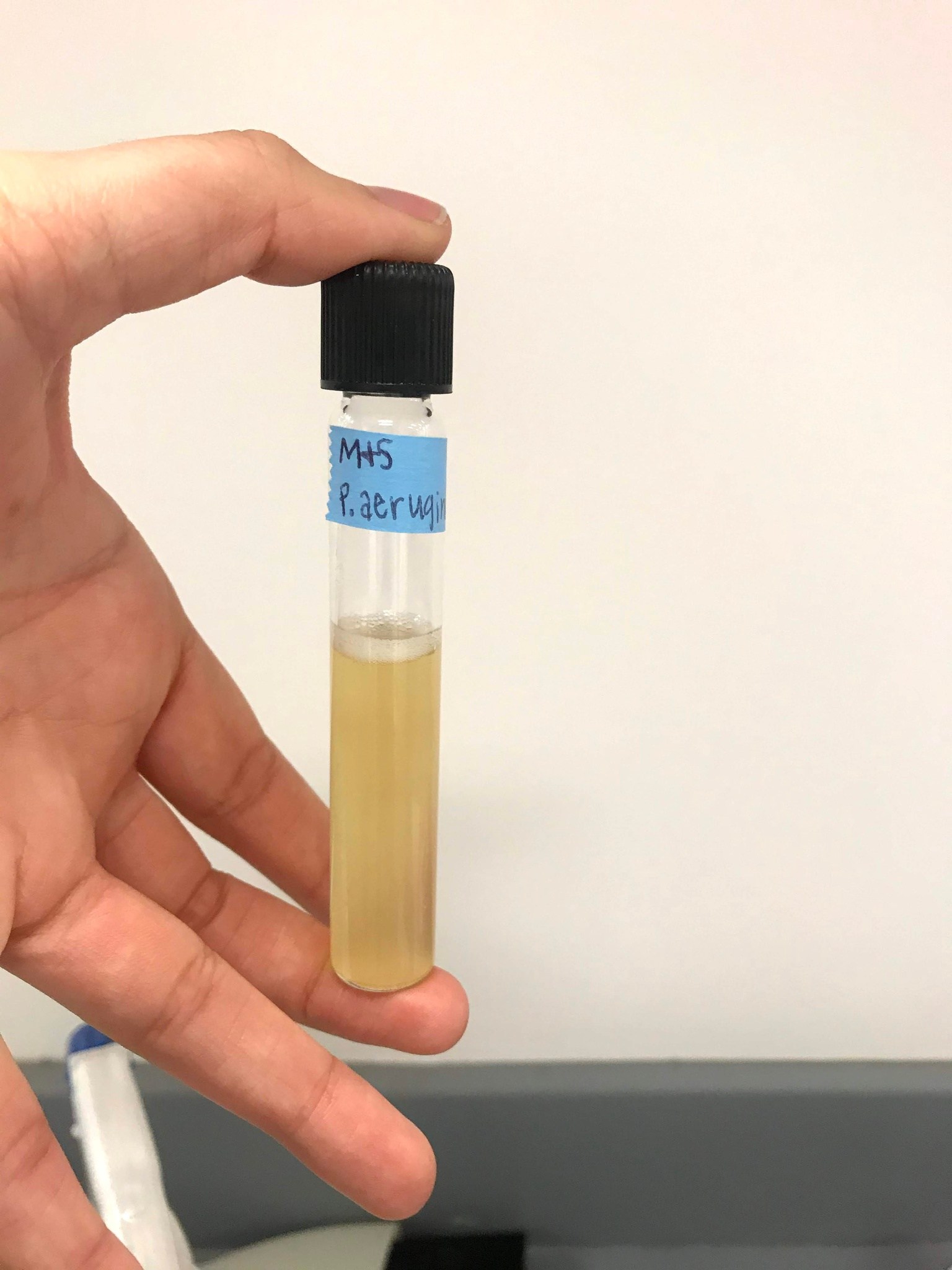
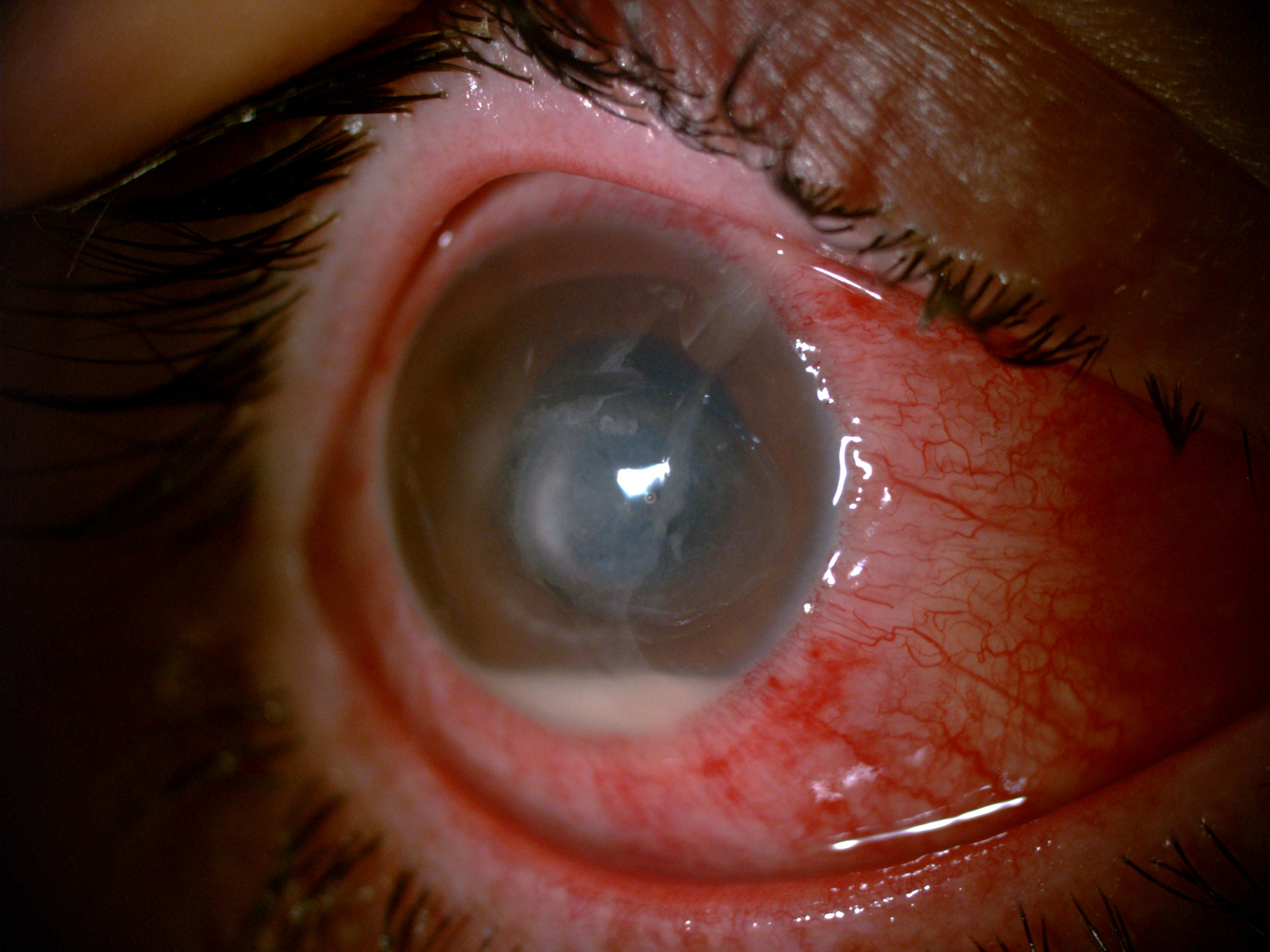
Photos (5 photos)
Morphological Features
No morphological description available.
Host Plants (0 host plants)
Data sources: EPPO Global Database and relevant literature.
No host plants available.
Quarantine Status (2 records)
Data sources: IPPC website and national quarantine websites; verified by human review.
Distribution (44 countries)
Data Sources: EPPO Global Database and GBIF.
| Country | Status | State |
|---|---|---|
| Algeria | Present | — |
| Australia | Present | — |
| Benin | Present | — |
| Bangladesh | Present | — |
| Brazil | Present | — |
| Canada | Present | — |
| Switzerland | Present | — |
| China | Present | — |
| Colombia | Present | — |
| Germany | Present | — |
Distribution Map (Latitude and longitude coordinates sourced from GBIF.)
Download CSVGenomes (3 records)
Data source: NCBI.
| Assembly Accession | Assembly Level | Genome Size(Mb) | Contig N50(Kb) | Scaffold N50(Kb) | BUSCO% | Downloads | Actions |
|---|---|---|---|---|---|---|---|
| GCF_000763245.3 | Complete Genome | 6 | 6834 | 6834 | - |
|
|
|
ASM76324v3 |
|||||||
| GCF_000750905.1 | Chromosome | 6 | 109 | 6762 | - |
|
|
|
PSE305 |
|||||||
| GCF_000233495.1 | Scaffold | 6 | 55 | 709 | - |
|
|
|
Pseudomonas_sp_2_1_26_V1 |
|||||||
Transcriptomes (3 records)
Data source: NCBI.
| Run ID | Tissue | Developmental Stage | Sex | Read Count | Location | Actions |
|---|---|---|---|---|---|---|
| SRR37256430 | - | - | - | 7617046 | - | |
|
PRJNA1424573 SRX32190572 SRP677572 RNA-seq of PA14 RNA isolated with and without Smlt1473 Samples were DNAse treated with Invitrogen DNAse (RNAse free). Library preparation was performed using Illuminas Stranded Total RNA Prep Ligation with Ribo-Zero Plus kit and 10bp unique dual indices (UDI). (If arrangements were made in advance to use custom probes, they were used in conjunction with the standard modules.) Sequencing was done on a NovaSeq X Plus, producing paired end 150bp reads. Demultiplexing, quality control, and adapter trimming was performed with bcl-convert (v4.2.4)1. Lab {'host': 'Lab Strain', 'strain': 'PA14', 'isolate': 'Lab', 'lat_lon': '38.0302 N 78.4769 W', 'treatment': 'Untreated 2', 'collected_by': 'Sami Felton', 'geo_loc_name': 'USA:Charlottesville', 'host_disease': 'Wound Infection', 'biosamplemodel': 'Pathogen.cl', 'collection_date': '2025-11-26', 'isolation_source': 'Lab Stock'} |
||||||
| SRR37256429 | - | - | - | 8275019 | - | |
|
PRJNA1424573 SRX32190573 SRP677572 RNA-seq of PA14 RNA isolated with and without Smlt1473 Samples were DNAse treated with Invitrogen DNAse (RNAse free). Library preparation was performed using Illuminas Stranded Total RNA Prep Ligation with Ribo-Zero Plus kit and 10bp unique dual indices (UDI). (If arrangements were made in advance to use custom probes, they were used in conjunction with the standard modules.) Sequencing was done on a NovaSeq X Plus, producing paired end 150bp reads. Demultiplexing, quality control, and adapter trimming was performed with bcl-convert (v4.2.4)1. Lab {'host': 'Lab Strain', 'strain': 'PA14', 'isolate': 'Lab', 'lat_lon': '38.0302 N 78.4769 W', 'treatment': 'Untreated 3', 'collected_by': 'Sami Felton', 'geo_loc_name': 'USA:Charlottesville', 'host_disease': 'Wound Infection', 'biosamplemodel': 'Pathogen.cl', 'collection_date': '2025-11-26', 'isolation_source': 'Lab Stock'} |
||||||
| SRR37256428 | - | - | - | 17731224 | - | |
|
PRJNA1424573 SRX32190574 SRP677572 RNA-seq of PA14 RNA isolated with and without Smlt1473 Samples were DNAse treated with Invitrogen DNAse (RNAse free). Library preparation was performed using Illuminas Stranded Total RNA Prep Ligation with Ribo-Zero Plus kit and 10bp unique dual indices (UDI). (If arrangements were made in advance to use custom probes, they were used in conjunction with the standard modules.) Sequencing was done on a NovaSeq X Plus, producing paired end 150bp reads. Demultiplexing, quality control, and adapter trimming was performed with bcl-convert (v4.2.4)1. Lab {'host': 'Lab Strain', 'strain': 'PA14', 'isolate': 'Lab', 'lat_lon': '38.0302 N 78.4769 W', 'treatment': 'Untreated 4', 'collected_by': 'Sami Felton', 'geo_loc_name': 'USA:Charlottesville', 'host_disease': 'Wound Infection', 'biosamplemodel': 'Pathogen.cl', 'collection_date': '2025-12-06', 'isolation_source': 'Lab Stock'} |
||||||
Literature
Fetching literature from NCBI PubMed...
Failed to fetch literature