Sordaria fimicola
TaxID: 27338
Basic Information
Sordaria fimicola
Fungus, Gezellig mestvaasje
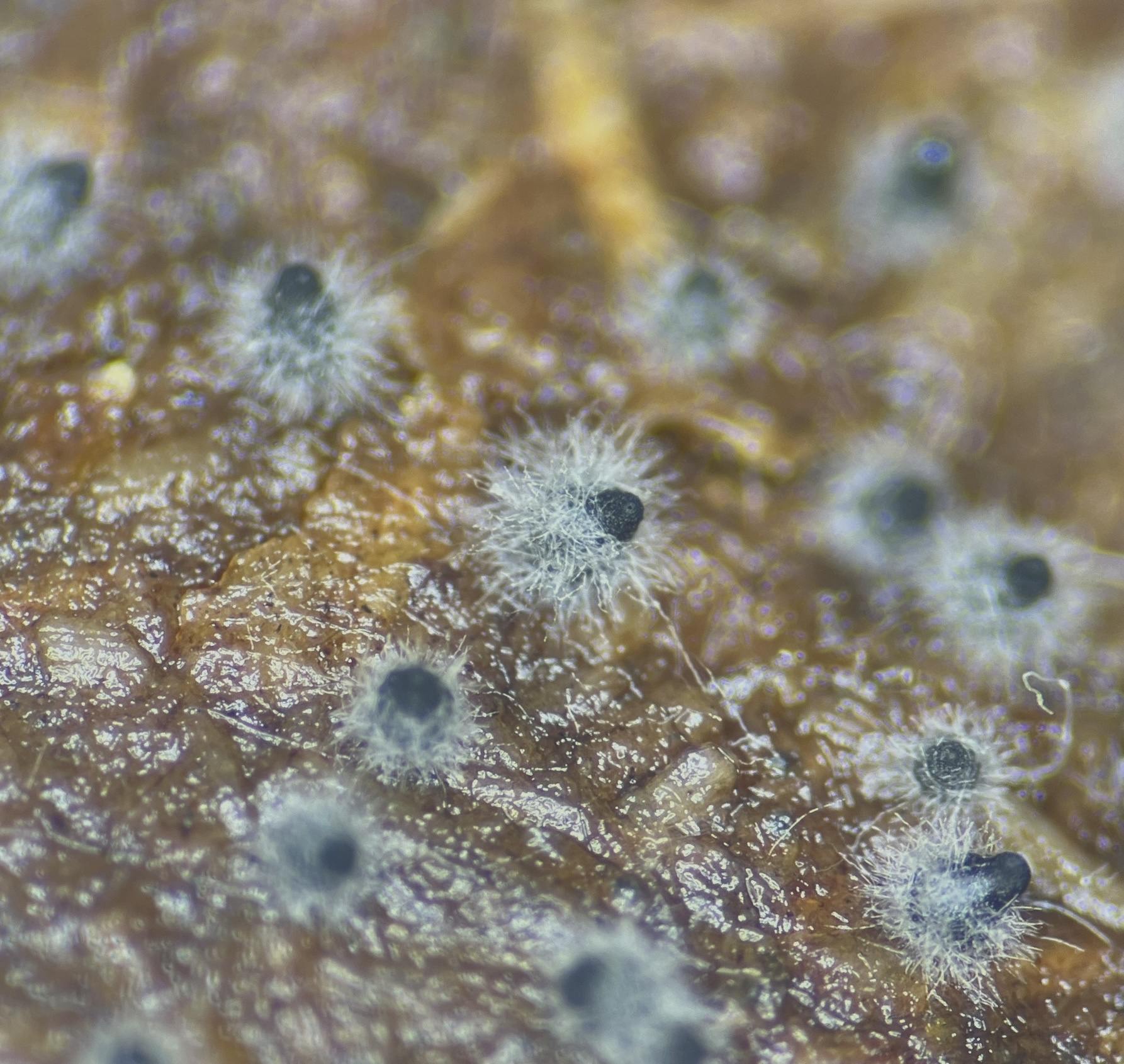
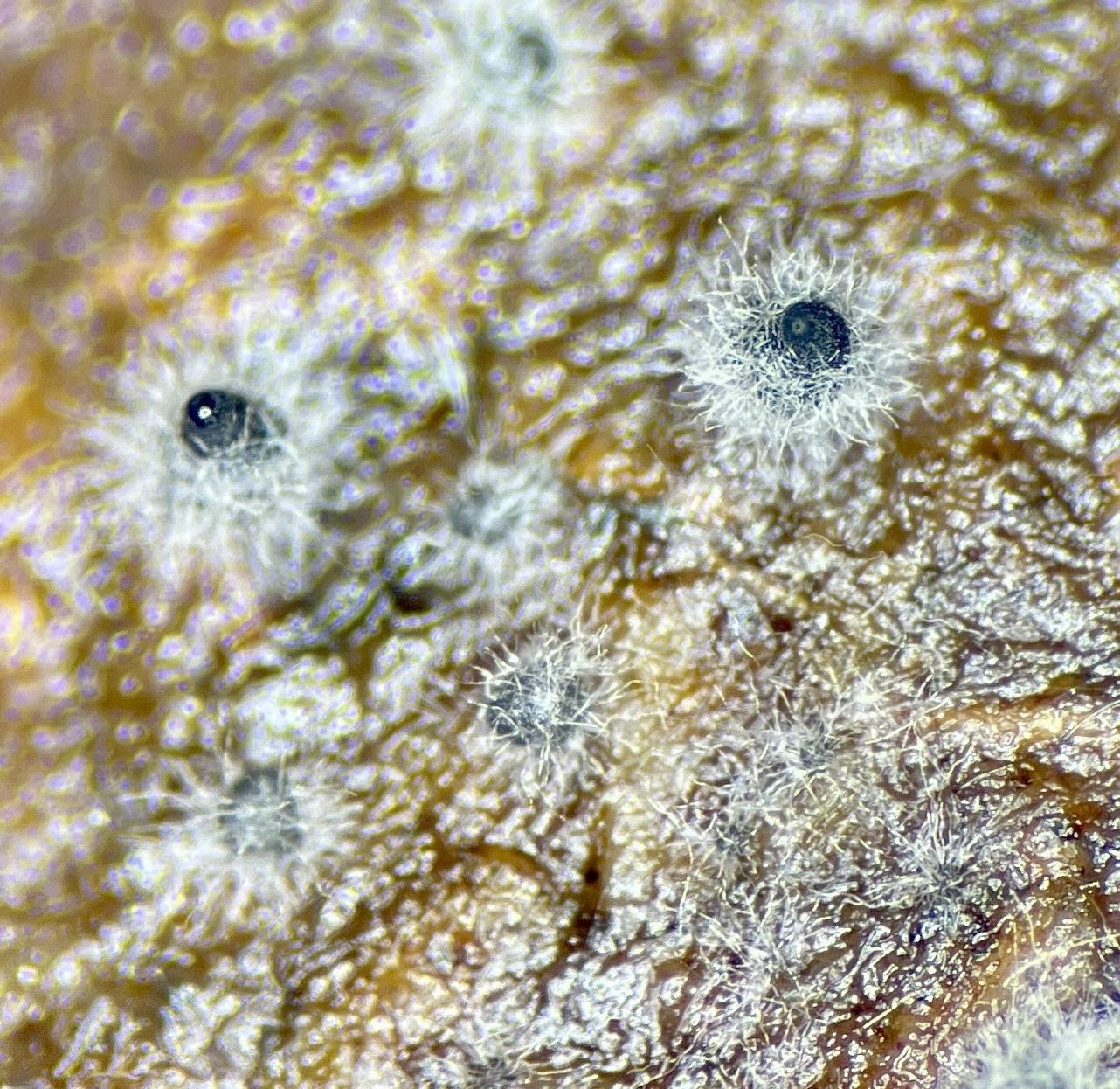
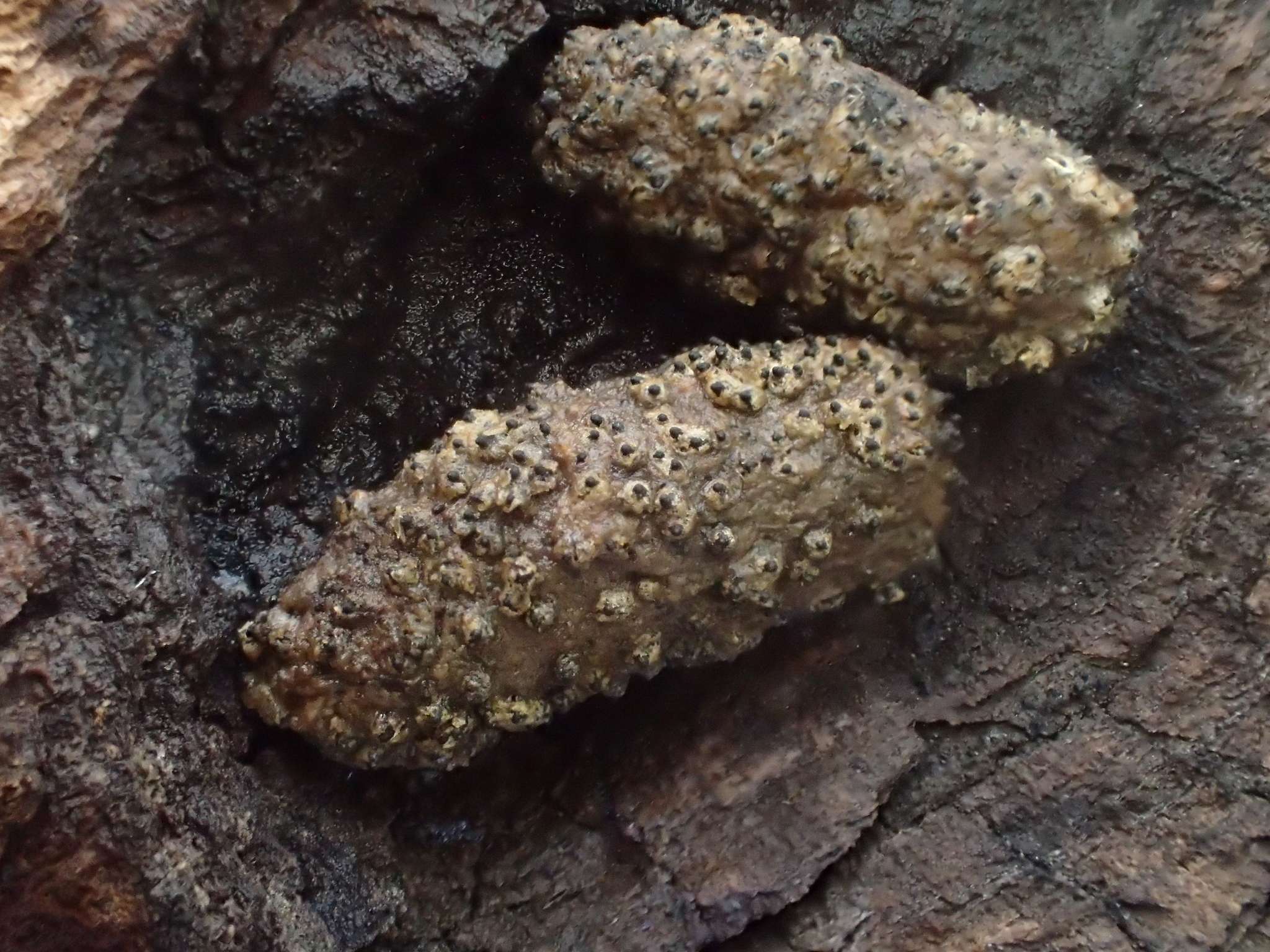
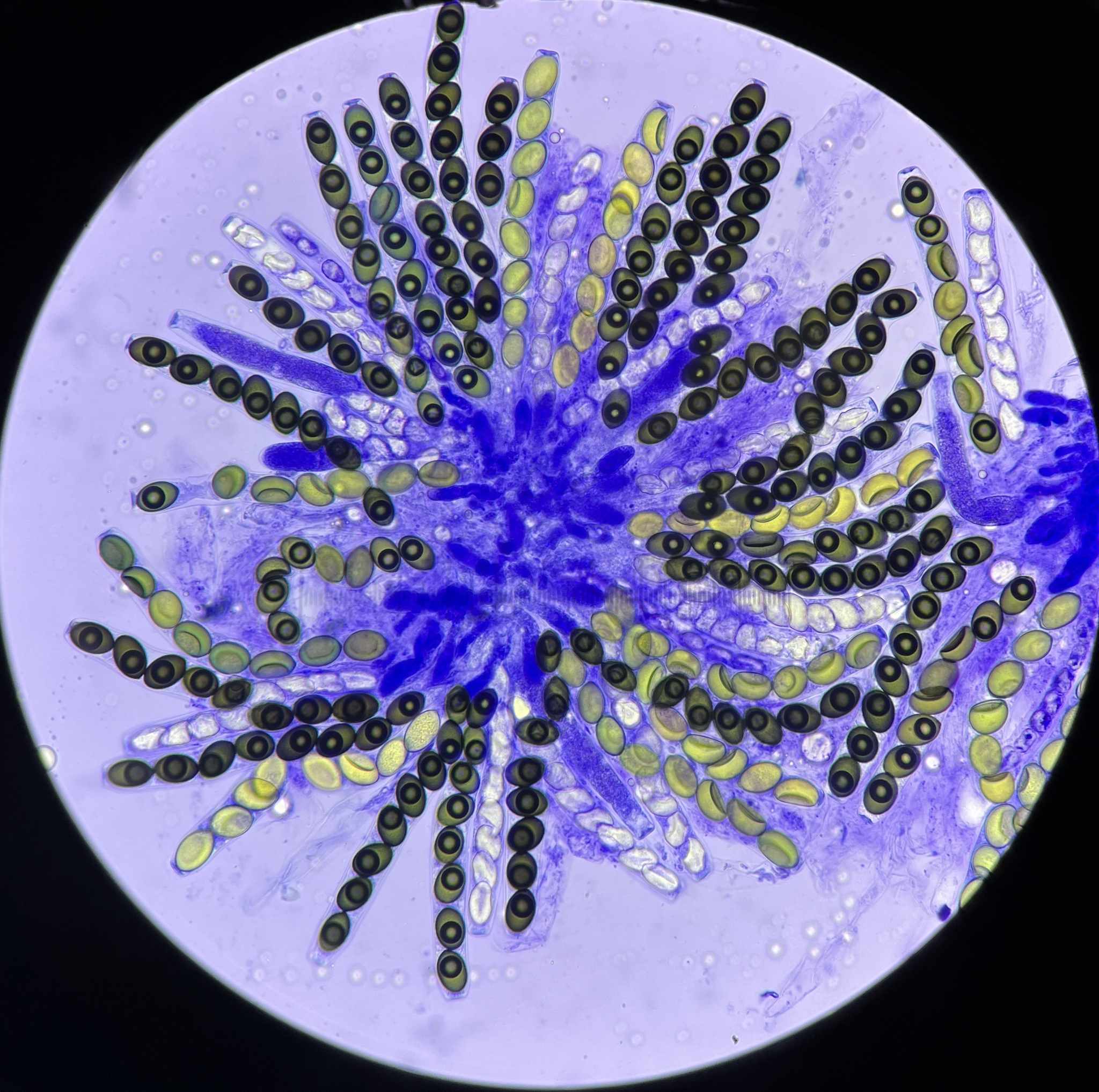
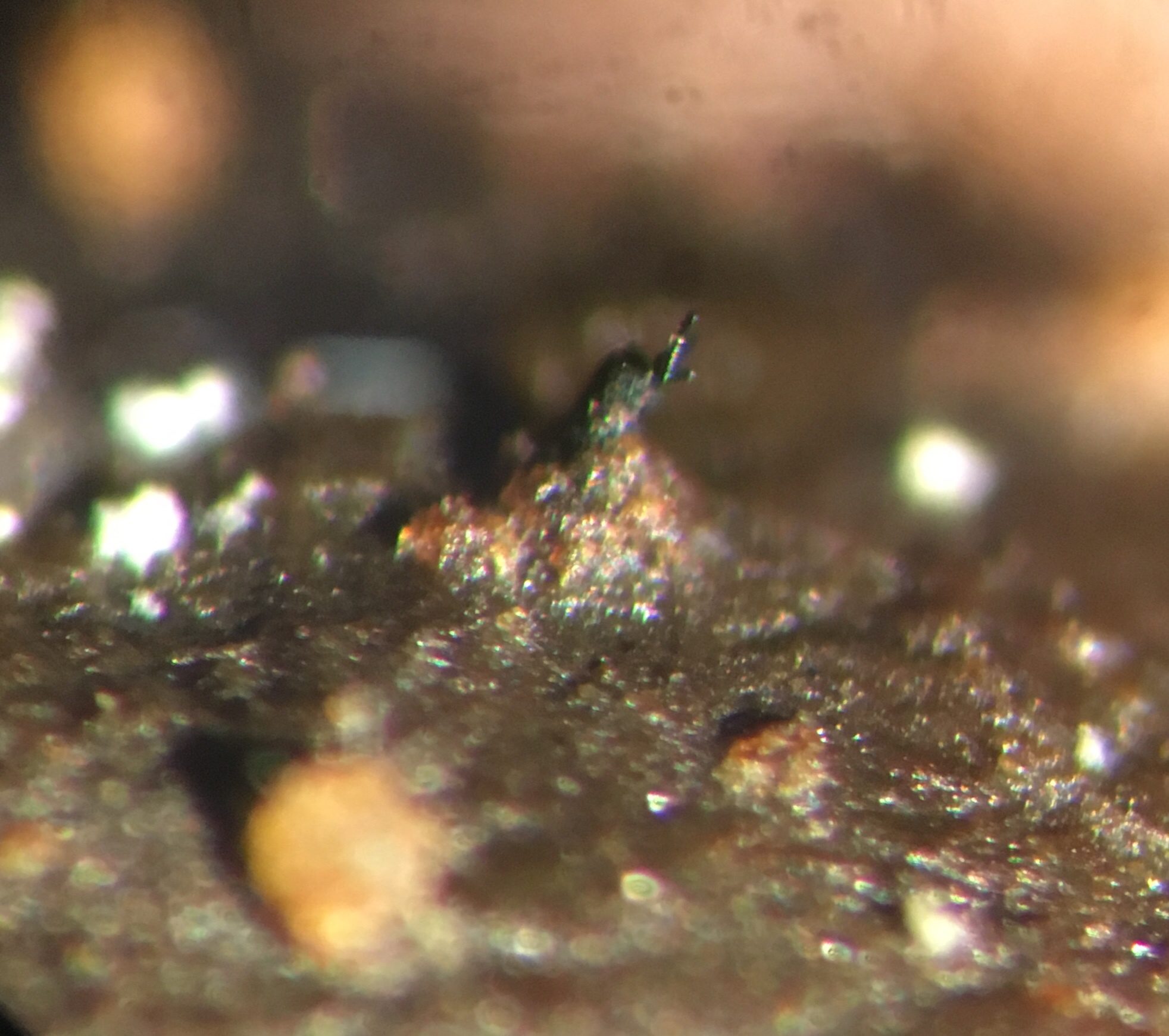
Sordaria fimicola is a species of microscopic fungus. It is commonly found in the feces of herbivores. Sordaria fimicola is often used in introductory biology and mycology labs because it is easy to grow on nutrient agar in dish cultures. The genus Sordaria, closely related to Neurospora and Podospora, is a member of the large class Sordariomycetes, or flask-fungi. The natural habitat of the three species of Sordaria that have been the principal subjects in genetic studies is dung of herbivorous animals. The species S. fimicola is common and worldwide in distribution. The species of Sordaria are similar morphologically, producing black perithecia containing asci with eight dark ascospores in a linear arrangement. These species share a number of characteristics that are advantageous for genetic studies. They all have a short life cycle, usually 7 C12 days, and are easily grown in culture. Most species are self-fertile and each strain is isogenic. All kinds of mutants are easily induced and readily obtainable with particular ascospore color mutants. These visual mutants aid in tetrad analysis, especially in analysis of intragenic recombination. The most common form of S. fimicola is a dark brown. Certain mutants are grey or tan. A common experiment for an introductory biology lab class is to cross one of the mutant types with a wild type and observe the ratio of coloring in the offspring. This experiment illustrates the concepts of genetic inheritance in a haploid organism. The eight ascospores are produced inside an ascus. Sordaria squashes can give us information about crossing over during meiosis. If no crossing over occurs a 4:4 pattern is produced: four black spores, and four tan spores all lined up. If crossing over does occur there is a 2:2:2:2 pattern visible, or a 2:4:2 pattern. Another common lab use is to observe meiosis and mitosis in the fruit bodies, called perithecia. An interesting feature of S. fimicola is that its fruit body is phototrophic. Thus, as it grows the stalk will bend toward a light source and when the sac bursts, the spores are shot towards the light.
from Wikipedia
Taxonomic Information
Eukaryota
Ascomycota
Sordariomycetes
Sordariales
Sordariaceae
Sordaria
fimicola
Undefined
Species
nan
d__Eukaryota;p__Ascomycota;c__Sordariomycetes;o__Sordariales;f__Sordariaceae;g__Sordaria;s__Sordaria fimicola
nan
Fungal organisms
Photos (5 photos)
Morphological Features
No morphological description available.
Host Plants (0 host plants)
Data sources: EPPO Global Database and relevant literature.
No host plants available.
Quarantine Status (1 records)
Data sources: IPPC website and national quarantine websites; verified by human review.
| Country | Status | Year Added |
|---|---|---|
| Ecuador | Quarantine pests | — |
Distribution (30 countries)
Data Sources: EPPO Global Database and GBIF.
| Country | Status | State |
|---|---|---|
| Argentina | Present | — |
| Australia | Present | — |
| Austria | Present | — |
| Belgium | Present | — |
| Brazil | Present | — |
| Canada | Present | — |
| Switzerland | Present | — |
| China | Present | — |
| Germany | Present | — |
| Denmark | Present | — |
Distribution Map (Latitude and longitude coordinates sourced from GBIF.)
Download CSVGenomes (0 records)
Data source: NCBI.
No genome records available.
Transcriptomes (3 records)
Data source: NCBI.
| Run ID | Tissue | Developmental Stage | Sex | Read Count | Location | Actions |
|---|---|---|---|---|---|---|
| SRR8315674 | vegetative mycelium | - | - | 20486376 | - | |
|
PRJNA509908 SRX5128436 SRP173387 fungi GSM3511694: Sfwc-1(∆lov) constant dark (ADD); Sordaria fimicola; RNA-Seq BCRC 33665 {'age': 'dark grown for 2 days', 'strain': 'BCRC 33665', 'tissue': 'vegetative mycelium', 'source_name': 'Mycelium', 'genotype/variation': 'Sfwc-1(deltalov) mutant'} |
||||||
| SRR8315675 | vegetative mycelium | - | - | 15624048 | - | |
|
PRJNA509908 SRX5128437 SRP173387 fungi GSM3511695: Sfwc-1(∆lov) 15 min light treatment (A15); Sordaria fimicola; RNA-Seq BCRC 33665 {'age': 'dark grown for 2 days', 'strain': 'BCRC 33665', 'tissue': 'vegetative mycelium', 'source_name': 'Mycelium', 'genotype/variation': 'Sfwc-1(deltalov) mutant'} |
||||||
| SRR8315676 | vegetative mycelium | - | - | 15060384 | - | |
|
PRJNA509908 SRX5128438 SRP173387 fungi GSM3511696: Sfwc-1(∆lov) 45 min light treatment (A45); Sordaria fimicola; RNA-Seq BCRC 33665 {'age': 'dark grown for 2 days', 'strain': 'BCRC 33665', 'tissue': 'vegetative mycelium', 'source_name': 'Mycelium', 'genotype/variation': 'Sfwc-1(deltalov) mutant'} |
||||||
Literature
Fetching literature from NCBI PubMed...
Failed to fetch literature