Varroa destructor
TaxID: 109461
Basic Information
Varroa destructor
Honey bee mite, Varroa Mite, honeybee mite
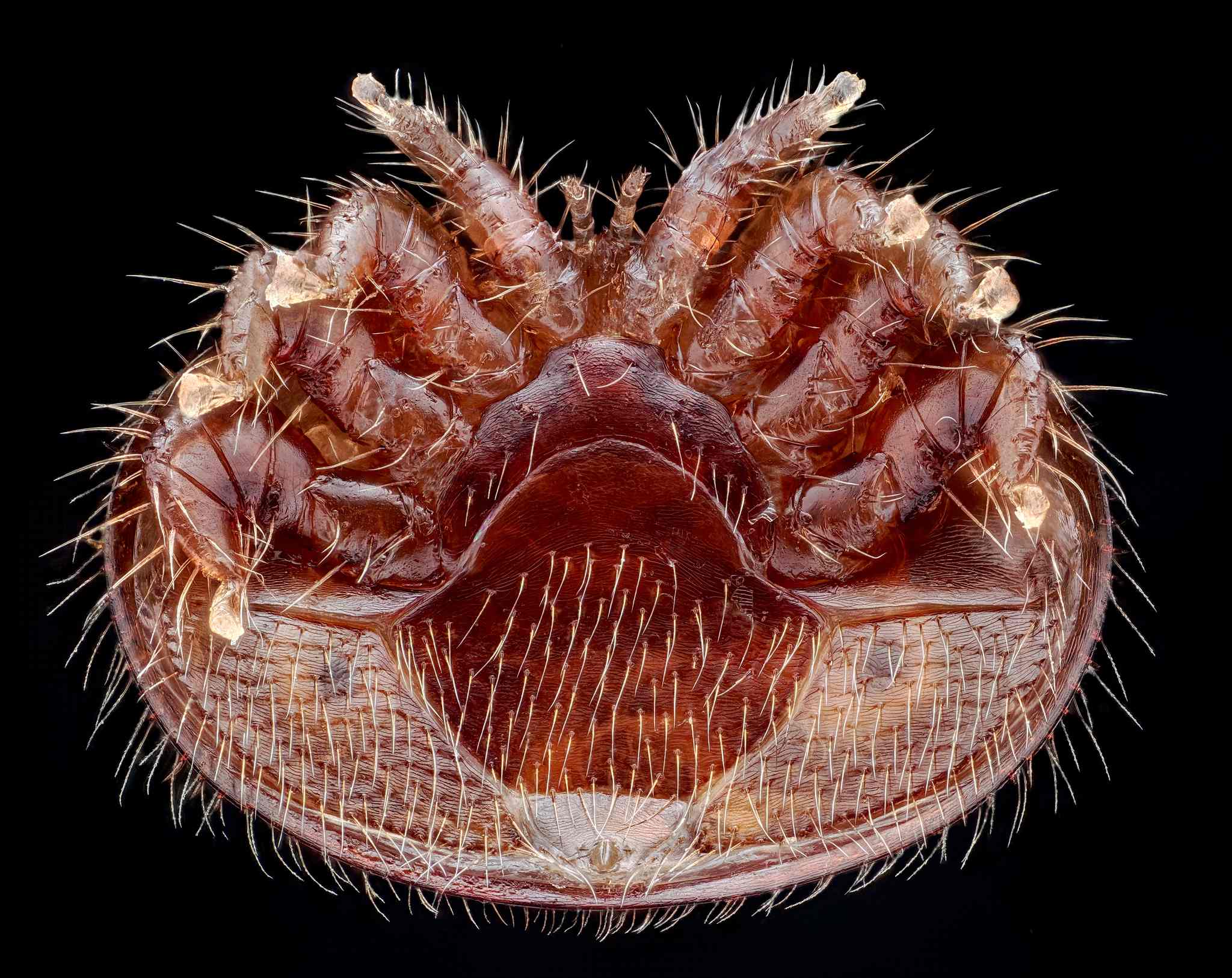
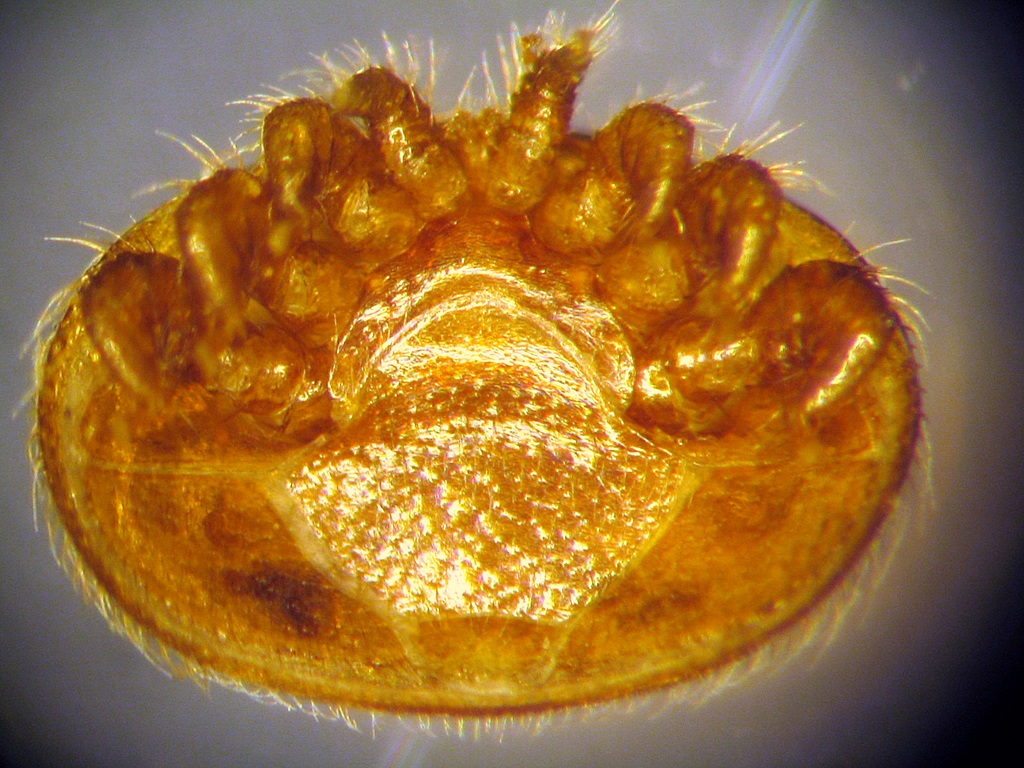
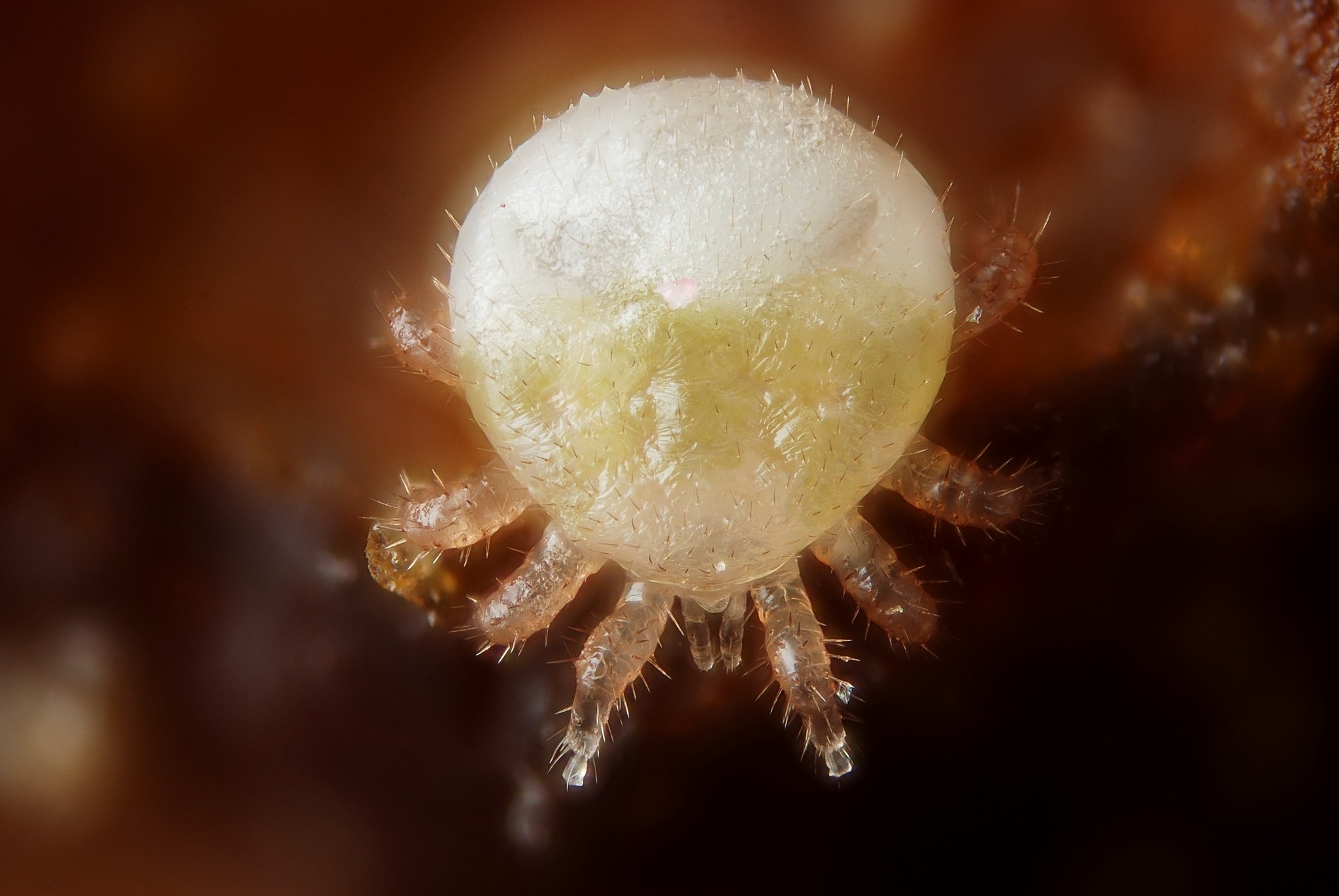
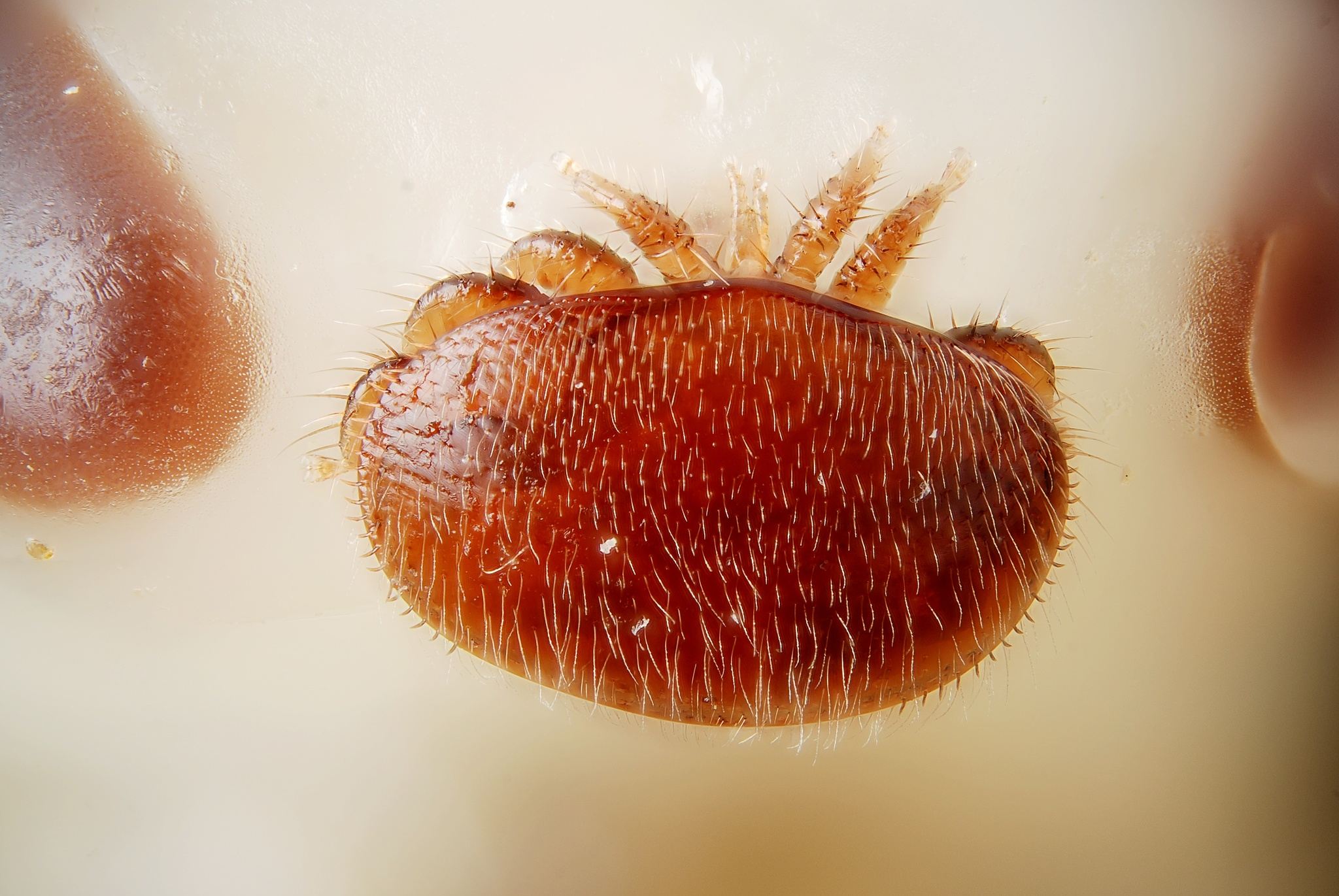
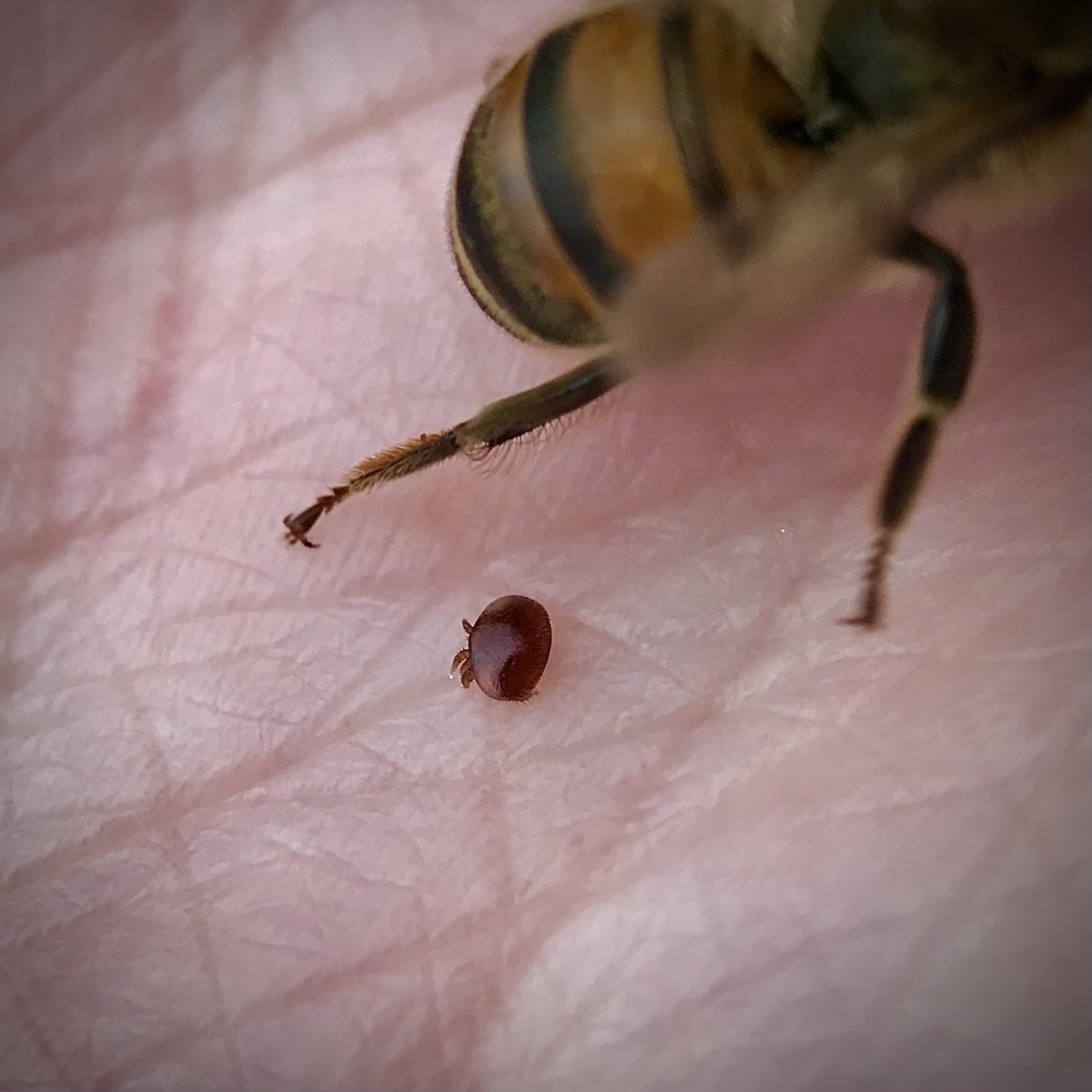
Varroa destructor, the Varroa mite, is an external parasitic mite that attacks and feeds on honey bees and is one of the most damaging honey bee pests in the world. A significant mite infestation leads to the death of a honey bee colony, usually in the late autumn through early spring. Without management for Varroa mite, honey bee colonies typically collapse within 2 to 3 years in temperate climates. These mites can infest Apis mellifera, the western honey bee, and Apis cerana, the Asian honey bee. Since it is very similar physically to the closely related Varroa jacobsoni, these species were thought to be one prior to 2000, but they were found to be two separate species by DNA analysis. Parasitism of bees by mites in the genus Varroa is called varroosis. The Varroa mite can reproduce only in a honey bee colony. It attaches to the body of the bee and weakens the bee. The species is a vector for at least five debilitating bee viruses, including RNA viruses such as the deformed wing virus (DWV). The Varroa mite is the parasite with possibly the most pronounced economic impact on the beekeeping industry and is one of multiple stress factors contributing to the higher levels of bee losses around the world. Varroa mite has also been implicated as one of the multiple causes of colony collapse disorder. Management of this pest focuses on reducing mite numbers through monitoring to avoid significant hive losses or death. 3% of bees infested in a hive is considered an economic threshold where damage is high enough to warrant additional management. Miticides are available, though some are difficult to time correctly while avoiding harm to the hive, and resistance has occurred for others. Screened bottom boards on hives can be used for both monitoring and mite removal, and drone comb, which mites prefer, can be used as a trap to remove mites from the hive. Honey bee lines in breeding programs also show partial resistance to Varroa mite through increased hygienic behavior that is being incorporated as an additional management strategy.
from Wikipedia
Taxonomic Information
Metazoa
Arthropoda
Arachnida
Mesostigmata
Varroidae
Varroa
destructor
unclassified
Species
nan
k__Metazoa;p__Arthropoda;c__Arachnida;o__Mesostigmata;f__Varroidae;g__Varroa;s__Varroa destructor
nan
Arthropods
Photos (5 photos)
Morphological Features
No morphological description available.
Host Plants (0 host plants)
Data sources: EPPO Global Database and relevant literature.
No host plants available.
Quarantine Status (2 records)
Data sources: IPPC website and national quarantine websites; verified by human review.
| Country | Status | Year Added |
|---|---|---|
| Antigua and Barbuda | Quarantine pests | — |
| Australia | Quarantine pests | — |
Distribution (49 countries)
Data Sources: EPPO Global Database and GBIF.
| Country | Status | State |
|---|---|---|
| Argentina | Present | — |
| Australia | Present | — |
| Austria | Present | — |
| Belgium | Present | — |
| Bosnia and Herzegovina | Present | — |
| Belarus | Present | — |
| Brazil | Present | — |
| Canada | Present | — |
| Switzerland | Present | — |
| Chile | Present | — |
Distribution Map (Latitude and longitude coordinates sourced from GBIF.)
Download CSVGenomes (3 records)
Data source: NCBI.
| Assembly Accession | Assembly Level | Genome Size(Mb) | Contig N50(Kb) | Scaffold N50(Kb) | BUSCO% | Downloads | Actions |
|---|---|---|---|---|---|---|---|
| GCF_002443255.2 | Scaffold | 368 | 201 | 58536 | - |
|
|
|
Vdes_3.0 |
|||||||
| GCF_002443255.1 | Scaffold | 368 | 201 | 58536 | 0.987389207% |
|
|
|
Vdes_3.0 |
|||||||
| GCA_000181155.2 | Scaffold | 331 | 15 | 128 | - |
|
|
|
Vdes2.0 |
|||||||
Transcriptomes (3 records)
Data source: NCBI.
| Run ID | Tissue | Developmental Stage | Sex | Read Count | Location | Actions |
|---|---|---|---|---|---|---|
| SRR32197511 | Whole body | Adult | female | 37901855 | China: Hangzhou | |
|
PRJNA1216898 SRX27539057 SRP561053 insect RNAseq of individual varroa female Total RNA was extracted from each single mite and sequenced by Metware Biotechnology Co., Ltd. (Wuhan, China) following a standard protocol. Briefly, RNA integrity was assessed using a Qubit™ 4 Fluorometer (Invitrogen) and a Qsep400 Bioanalyzer. For mRNA enrichment, polyadenylated RNA was isolated using Oligo(dT) beads, followed by fragmentation with fragmentation buffer. First-strand cDNA was synthesized using random hexamers and reverse transcriptase, while second-strand synthesis was carried out with dNTPs and DNA polymerase I. The resulting double-stranded cDNA was purified, subjected to end-repair, A-tailing, and adapter ligation, followed by PCR amplification. Library quality was assessed using a Qubit™ 4 Fluorometer with an Invitrogen dsDNA HS Assay Kit, and insert size distribution was confirmed using a Bioanalyzer (Agilent, Japan). The final libraries were pooled and sequenced on an Illumina platform in paired-end mode. {'sex': 'female', 'host': 'Apis mellifera', 'family': '3', 'tissue': 'Whole body', 'dev_stage': 'Adult', 'collected_by': 'Zhejiang University', 'geo_loc_name': 'China: Hangzhou', 'biosamplemodel': 'Invertebrate', 'collection_date': '2024-11'} |
||||||
| SRR32197510 | Whole body | Adult | female | 31548757 | China: Hangzhou | |
|
PRJNA1216898 SRX27539058 SRP561053 insect RNAseq of individual varroa female Total RNA was extracted from each single mite and sequenced by Metware Biotechnology Co., Ltd. (Wuhan, China) following a standard protocol. Briefly, RNA integrity was assessed using a Qubit™ 4 Fluorometer (Invitrogen) and a Qsep400 Bioanalyzer. For mRNA enrichment, polyadenylated RNA was isolated using Oligo(dT) beads, followed by fragmentation with fragmentation buffer. First-strand cDNA was synthesized using random hexamers and reverse transcriptase, while second-strand synthesis was carried out with dNTPs and DNA polymerase I. The resulting double-stranded cDNA was purified, subjected to end-repair, A-tailing, and adapter ligation, followed by PCR amplification. Library quality was assessed using a Qubit™ 4 Fluorometer with an Invitrogen dsDNA HS Assay Kit, and insert size distribution was confirmed using a Bioanalyzer (Agilent, Japan). The final libraries were pooled and sequenced on an Illumina platform in paired-end mode. {'sex': 'female', 'host': 'Apis mellifera', 'family': '2', 'tissue': 'Whole body', 'dev_stage': 'Adult', 'collected_by': 'Zhejiang University', 'geo_loc_name': 'China: Hangzhou', 'biosamplemodel': 'Invertebrate', 'collection_date': '2024-11'} |
||||||
| SRR32197509 | Whole body | Adult | female | 36605156 | China: Hangzhou | |
|
PRJNA1216898 SRX27539059 SRP561053 insect RNAseq of individual varroa female Total RNA was extracted from each single mite and sequenced by Metware Biotechnology Co., Ltd. (Wuhan, China) following a standard protocol. Briefly, RNA integrity was assessed using a Qubit™ 4 Fluorometer (Invitrogen) and a Qsep400 Bioanalyzer. For mRNA enrichment, polyadenylated RNA was isolated using Oligo(dT) beads, followed by fragmentation with fragmentation buffer. First-strand cDNA was synthesized using random hexamers and reverse transcriptase, while second-strand synthesis was carried out with dNTPs and DNA polymerase I. The resulting double-stranded cDNA was purified, subjected to end-repair, A-tailing, and adapter ligation, followed by PCR amplification. Library quality was assessed using a Qubit™ 4 Fluorometer with an Invitrogen dsDNA HS Assay Kit, and insert size distribution was confirmed using a Bioanalyzer (Agilent, Japan). The final libraries were pooled and sequenced on an Illumina platform in paired-end mode. {'sex': 'female', 'host': 'Apis mellifera', 'family': '1', 'tissue': 'Whole body', 'dev_stage': 'Adult', 'collected_by': 'Zhejiang University', 'geo_loc_name': 'China: Hangzhou', 'biosamplemodel': 'Invertebrate', 'collection_date': '2024-11'} |
||||||
Literature
Fetching literature from NCBI PubMed...
Failed to fetch literature