Pissodes nemorensis
TaxID: 54546
Basic Information
Pissodes nemorensis
Deodar Weevil
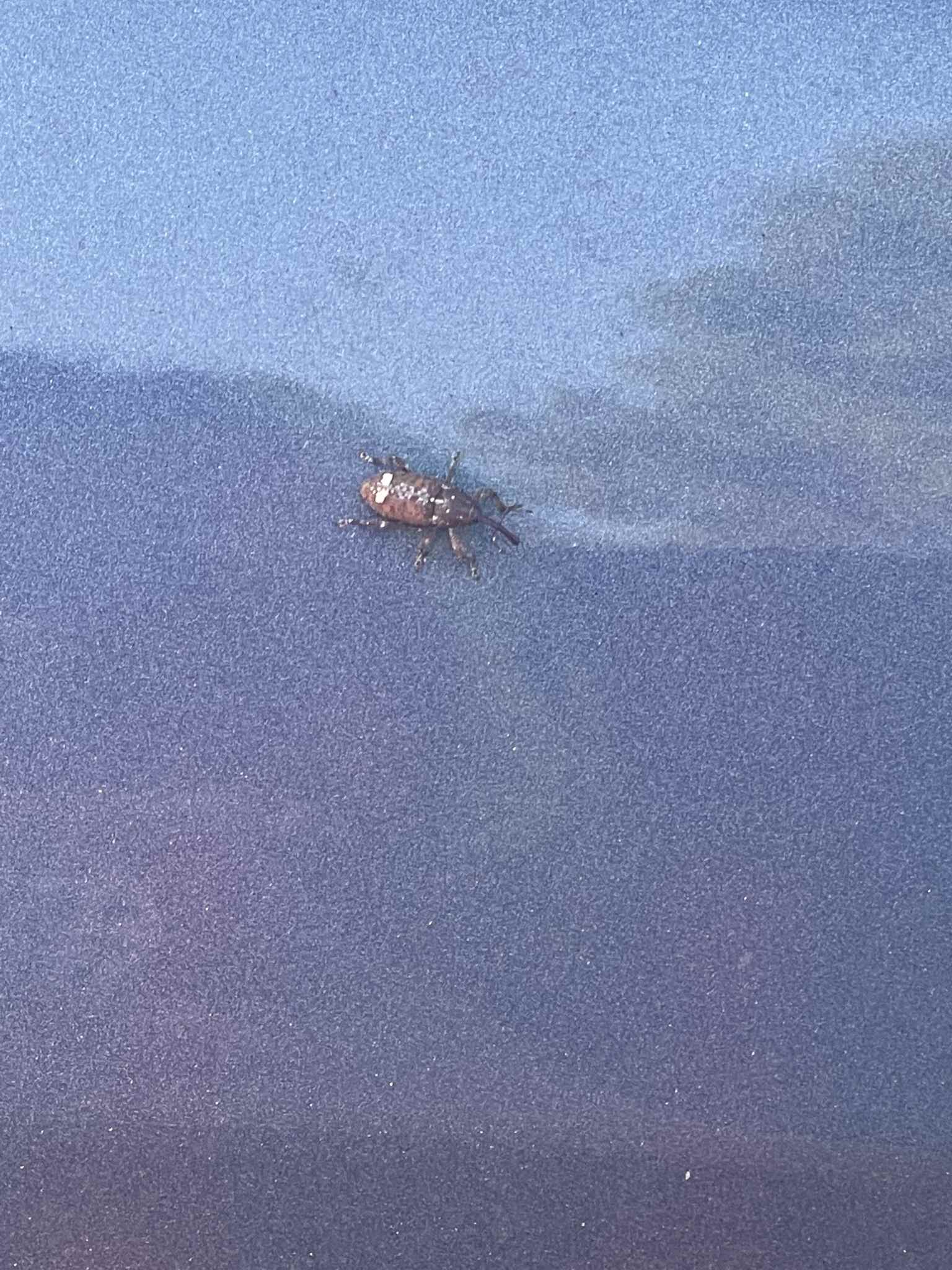
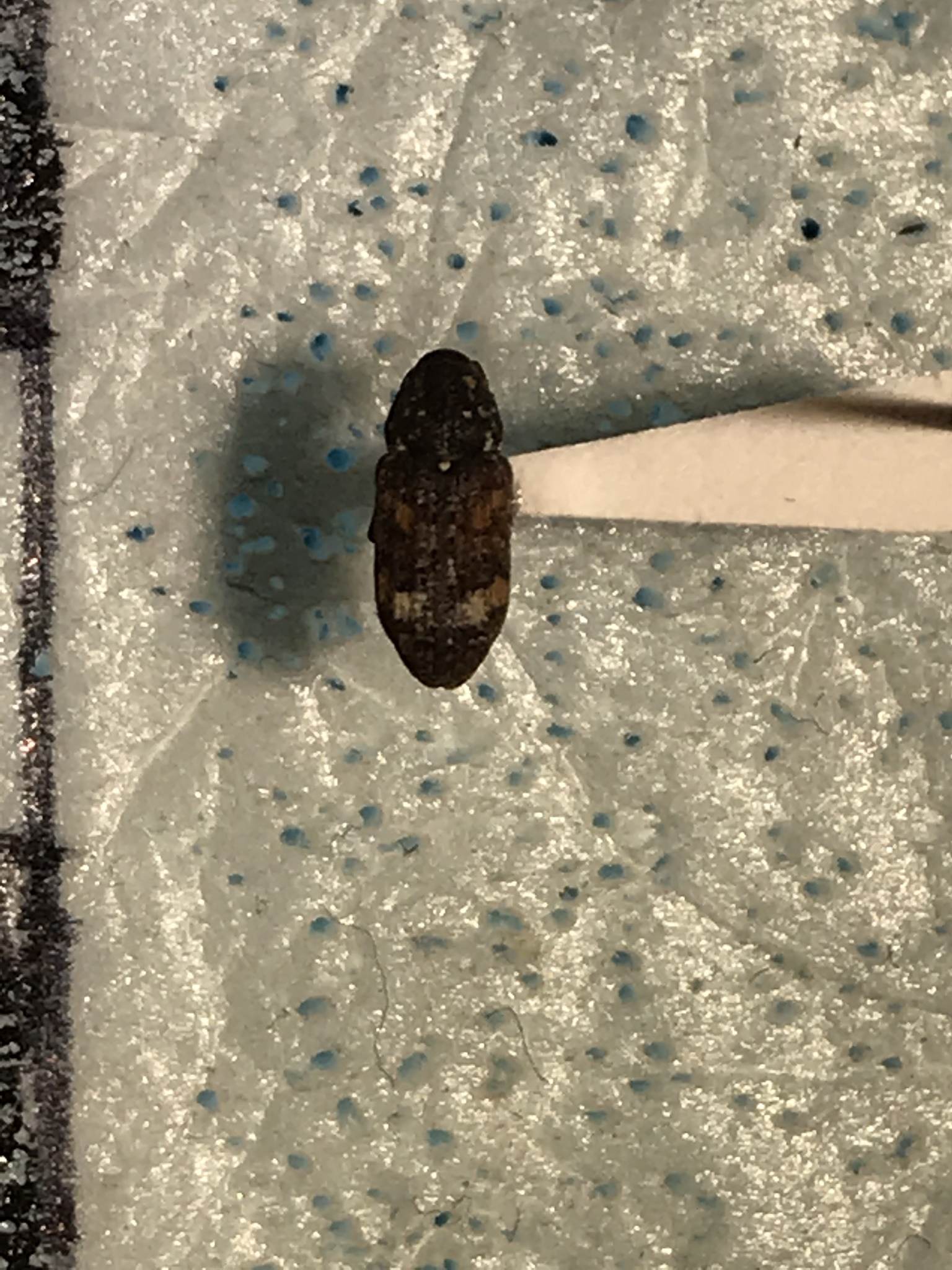
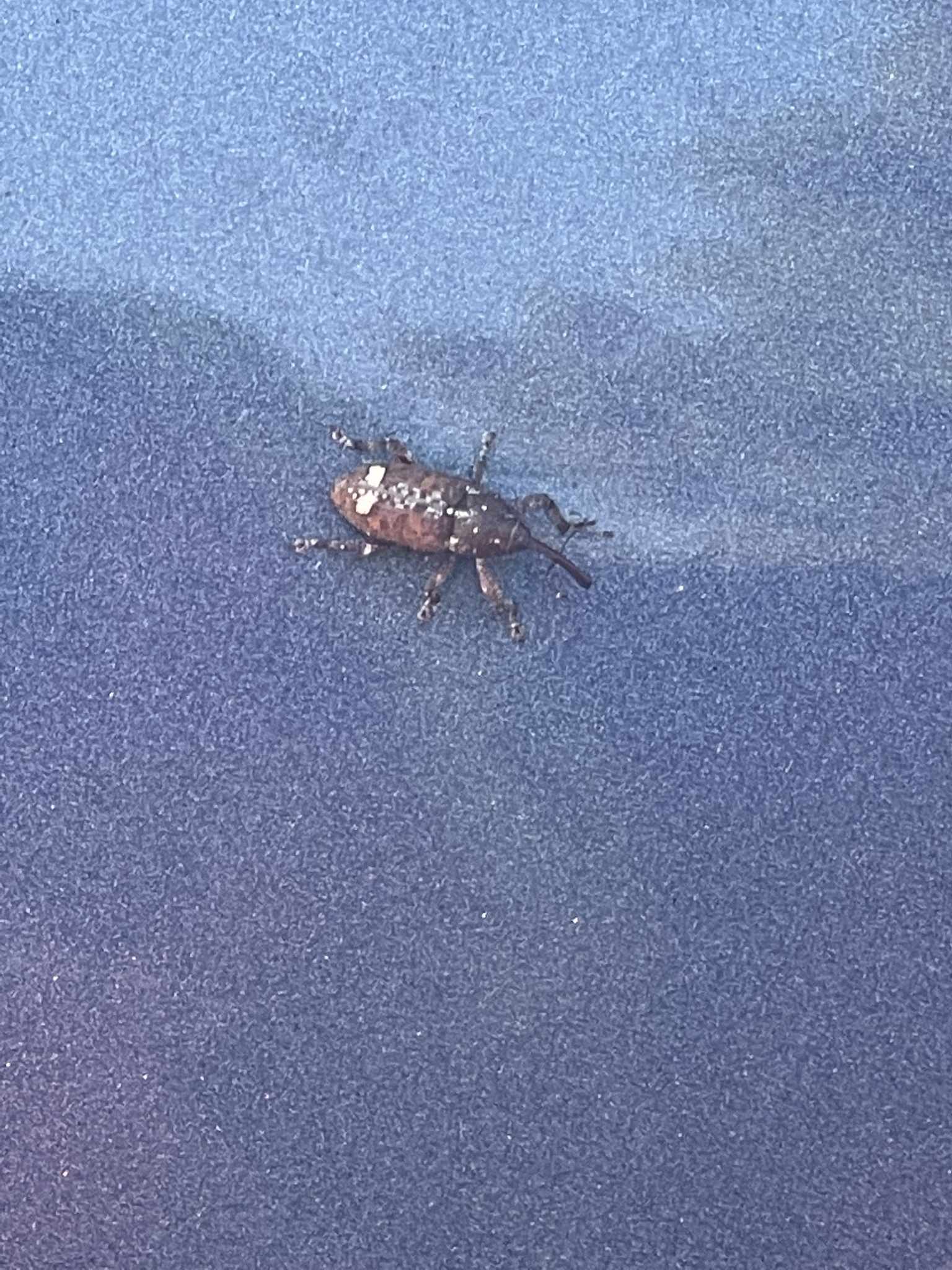
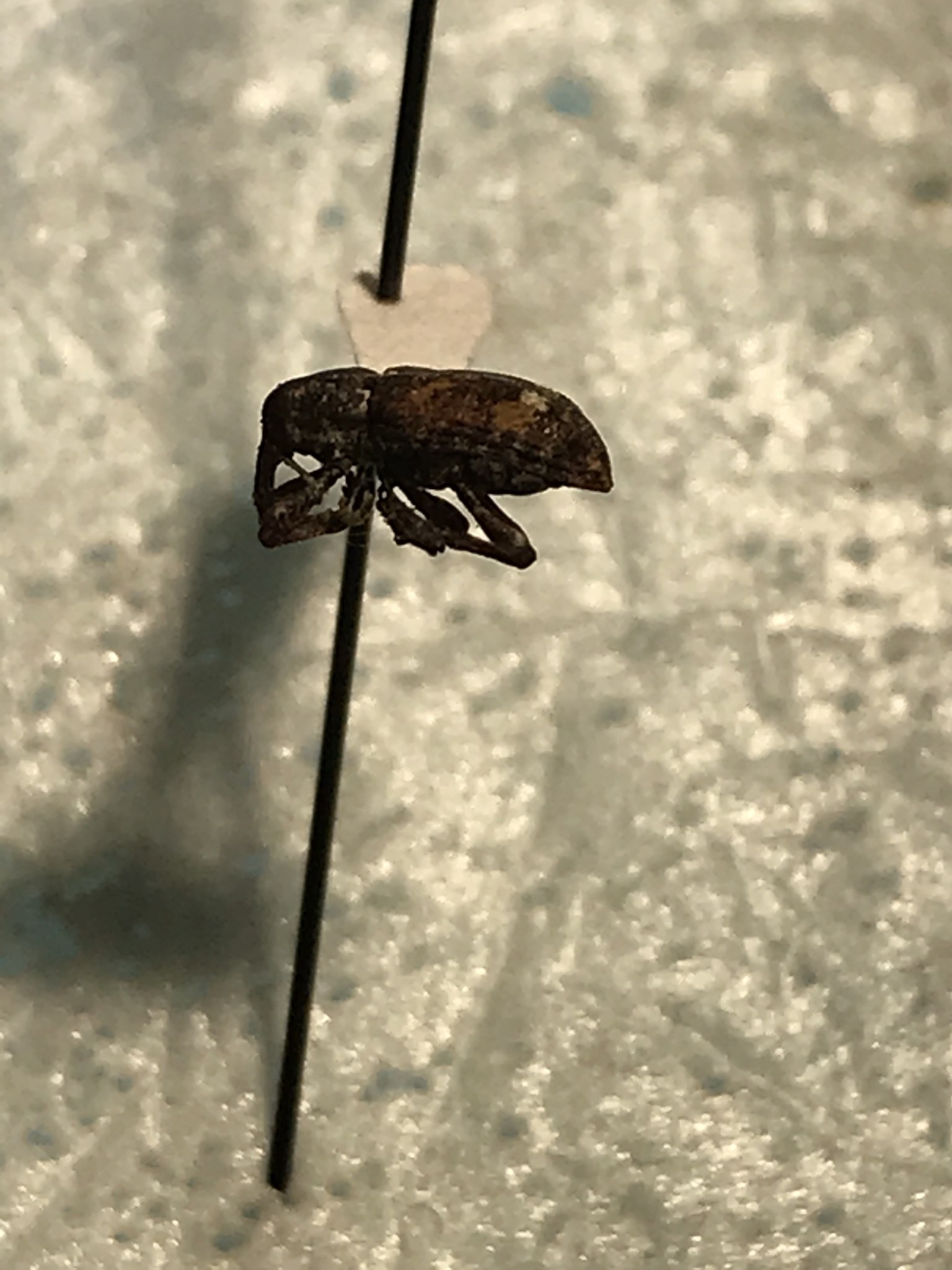
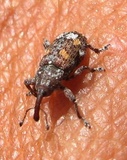
Pissodes nemorensis, known generally as the eastern pine weevil or deodar weevil, is a species of true weevil in the beetle family Curculionidae. It is found in North America and Africa. Deodar weevils are considered a forest pest in the United States, with adults and larvae feeding on a variety of coniferous tree species, including trees such as deodar cedar (Cedrus deodara), loblolly pine (Pinus taeda), longleaf pine (Pinus palustris), sand pine (Pinus clausa), shortleaf pine (Pinus echinata), slash pine (Pinus elliottii), and spruce pine (Pinus glabra) Trees of all ages are susceptible to weevil infestations, while trees that are severely stressed by fire, drought, extreme cold, fusiform rust, wind damage, and other problems are prone to weevil infestation. In well-managed pine stands, deodar weevil infestations are sporadic, attacking only the suppressed and unhealthy trees throughout the area. Because they do not typically effect healthy trees, they do not usually alter traditional management strategies. Unlike many other forest pests in the eastern United States, deodar weevils are most active in the winter months, and this is often when sign of infestations can be seen. The best way to avoid a deodar weevil infestation is to maintain good tree and stand health: healthy trees do not typically face mortality or extensive damage from these pests. If an infestation has occurred, pesticides can be used in the fall as the weevils become active, but are typically not recommended.
from Wikipedia
Taxonomic Information
Metazoa
Arthropoda
Insecta
Coleoptera
Curculionidae
Pissodes
nemorensis
unclassified
Species
nan
k__Metazoa;p__Arthropoda;c__Insecta;o__Coleoptera;f__Curculionidae;g__Pissodes;s__Pissodes nemorensis
nan
Arthropods
Photos (5 photos)
Morphological Features
No morphological description available.
Host Plants (23 host plants)
Data sources: EPPO Global Database and relevant literature.
| Scientific Name | Status |
|---|---|
| Cedrus atlantica | Host |
| Cedrus deodara | Host |
| Cedrus libani | Host |
| Picea abies | Host |
| Picea glauca | Host |
| Picea mariana | Host |
| Picea pungens | Host |
| Pinus banksiana | Host |
| Pinus clausa | Host |
| Pinus contorta | Host |
Quarantine Status (45 records)
Data sources: IPPC website and national quarantine websites; verified by human review.
| Country | Status | Year Added |
|---|---|---|
| Argentina | Absent | 2019 |
| Austria | Quarantine pests | 2019 |
| Belgium | Unknow | 2019 |
| Bulgaria | Quarantine pest ((EU) 2019/2072 Annex II A) | 2019 |
| Switzerland | A1 list | 2019 |
| Cyprus | Quarantine pest ((EU) 2019/2072 Annex II A) | 2019 |
| Czechia | Quarantine pests | 2019 |
| Germany | Unknow | 2019 |
| Denmark | Quarantine pests | 2019 |
| EPPO A1 | Absent | — |
Distribution (8 countries)
Data Sources: EPPO Global Database and GBIF.
| Country | Status | State |
|---|---|---|
| Belgium | Absent | — |
| Canada | Present | |
| Lithuania | Absent | — |
| Netherlands | Absent | — |
| Russian Federation | Absent | |
| Slovenia | Absent | — |
| United States of America | Present | |
| South Africa | Absent | — |
Distribution Map (Latitude and longitude coordinates sourced from GBIF.)
Download CSVGenomes (0 records)
Data source: NCBI.
No genome records available.
Transcriptomes (0 records)
Data source: NCBI.
No transcriptome records available.
Literature
Fetching literature from NCBI PubMed...
Failed to fetch literature