Erwinia amylovora
TaxID: 552
Basic Information
Erwinia amylovora
Fire blight agent, Fireblight
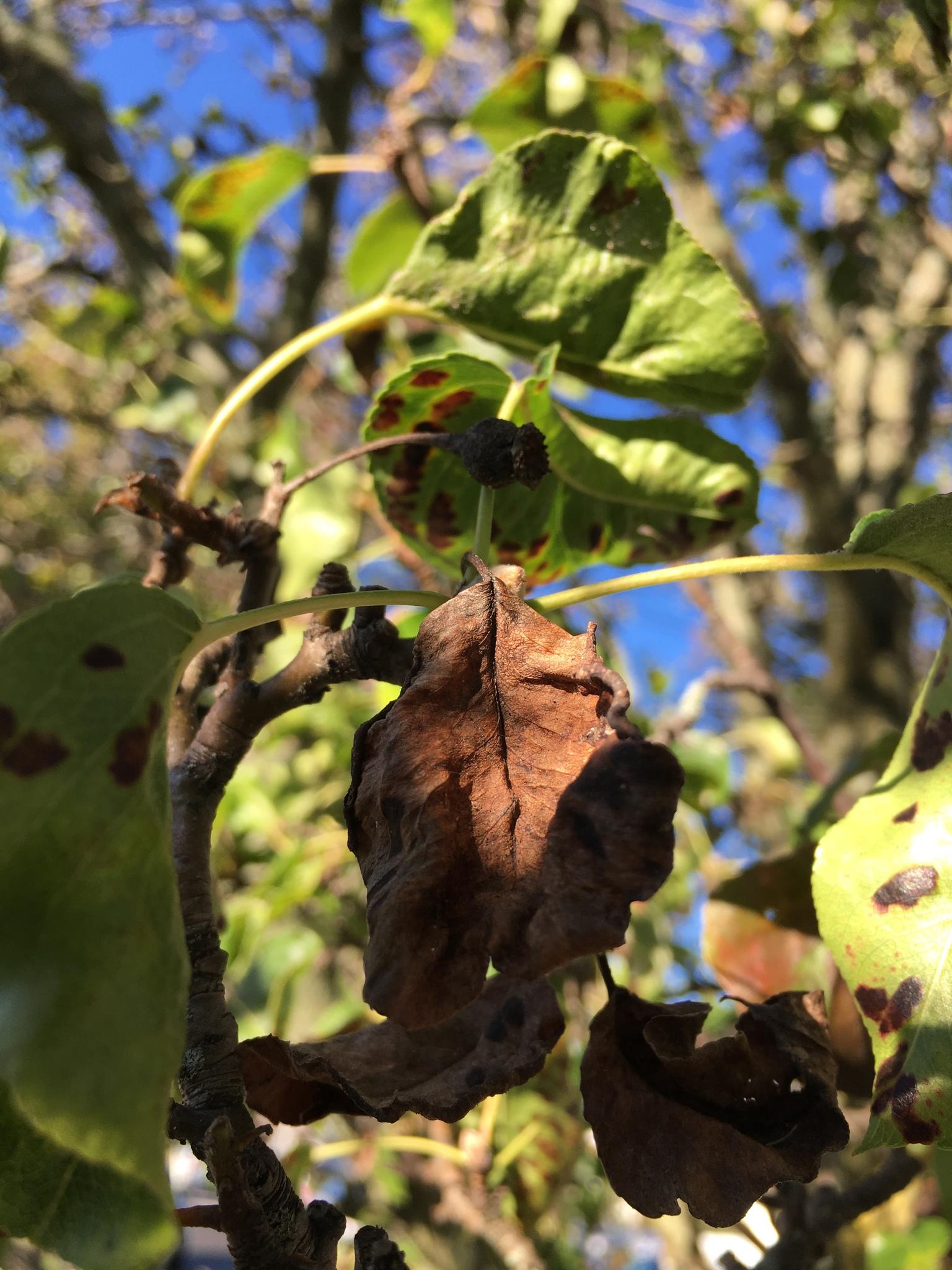
Fire blight, also written fireblight, is a contagious disease affecting apples, pears, and some other members of the family Rosaceae. It is a serious concern to apple and pear producers. Under optimal conditions, it can destroy an entire orchard in a single growing season. The causal pathogen is Erwinia amylovora, a Gram-negative bacterium in the genus Erwinia, order Enterobacterales. It is a short rod with rounded ends and many peritrichous flagellae. Pears are the most susceptible, but apples, loquat, crabapples, quinces, hawthorn, cotoneaster, Pyracantha, raspberry and some other rosaceous plants are also vulnerable. The disease is believed to be indigenous to North America, from where it spread to most of the rest of the world. Fire blight is not believed to be present in Australia though it might possibly exist there. It has been a major reason for a long-standing embargo on the importation of New Zealand apples to Australia. In Europe it is listed as a quarantine disease, and has been spreading along hawthorn (Crataegus) hedges planted alongside railways, motorways and main roads.
from Wikipedia
Taxonomic Information
Bacteria
Pseudomonadota
Gammaproteobacteria
Enterobacterales
Erwiniaceae
Erwinia
amylovora
nan
Species
nan
k__Bacteria;p__Pseudomonadota;c__Gammaproteobacteria;o__Enterobacterales;f__Erwiniaceae;g__Erwinia;s__Erwinia amylovora
nan
Prokaryotes
Photos (5 photos)
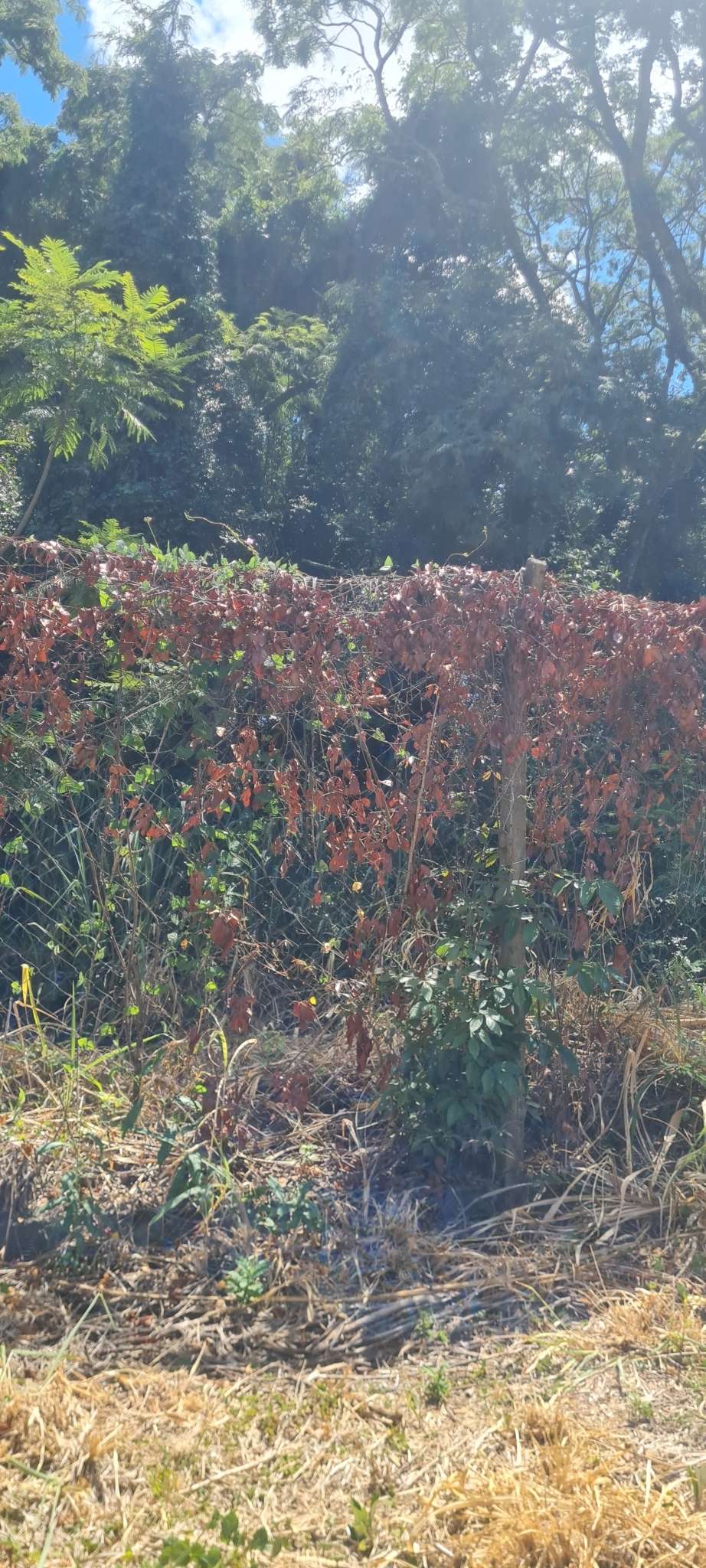
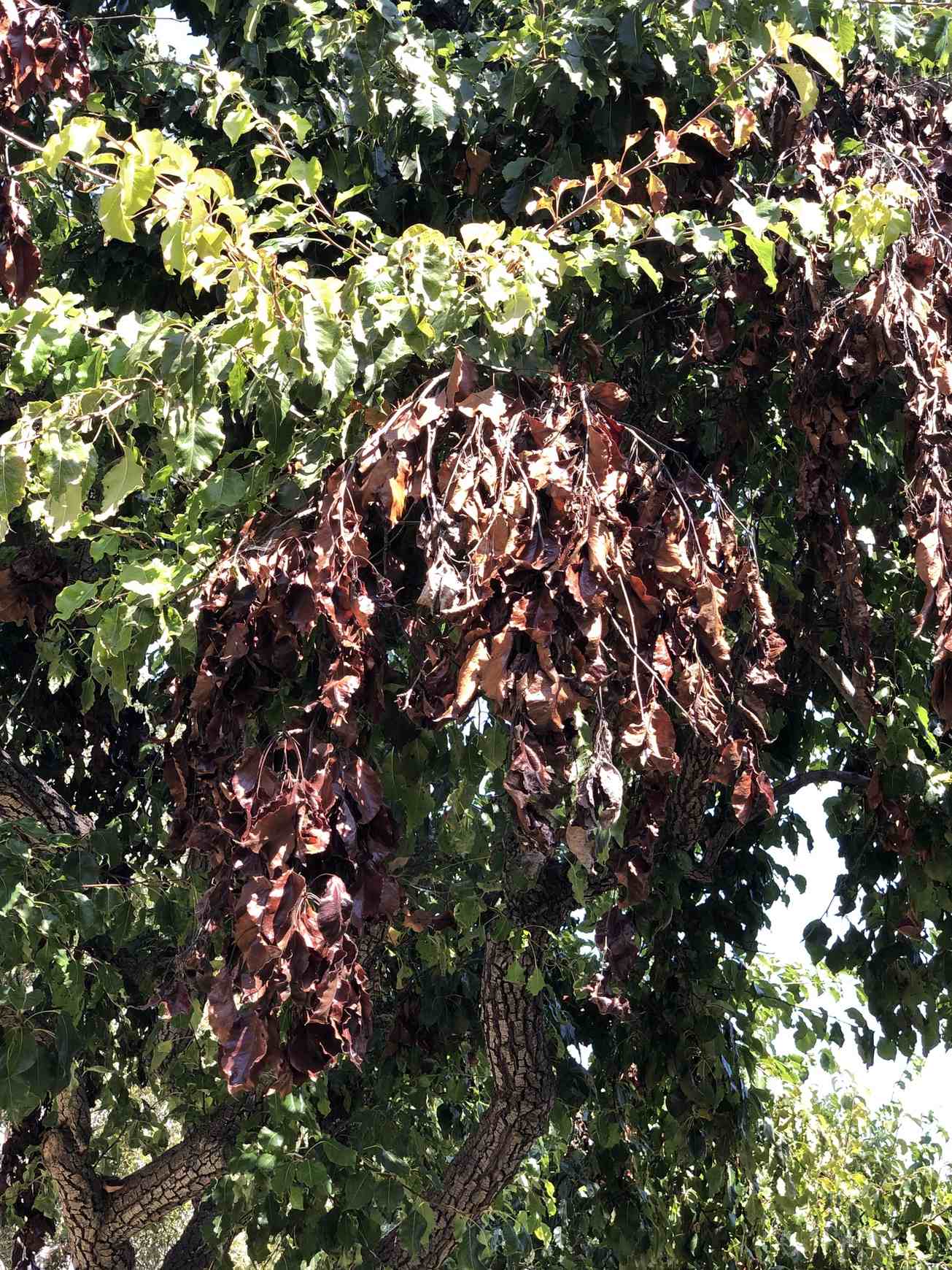
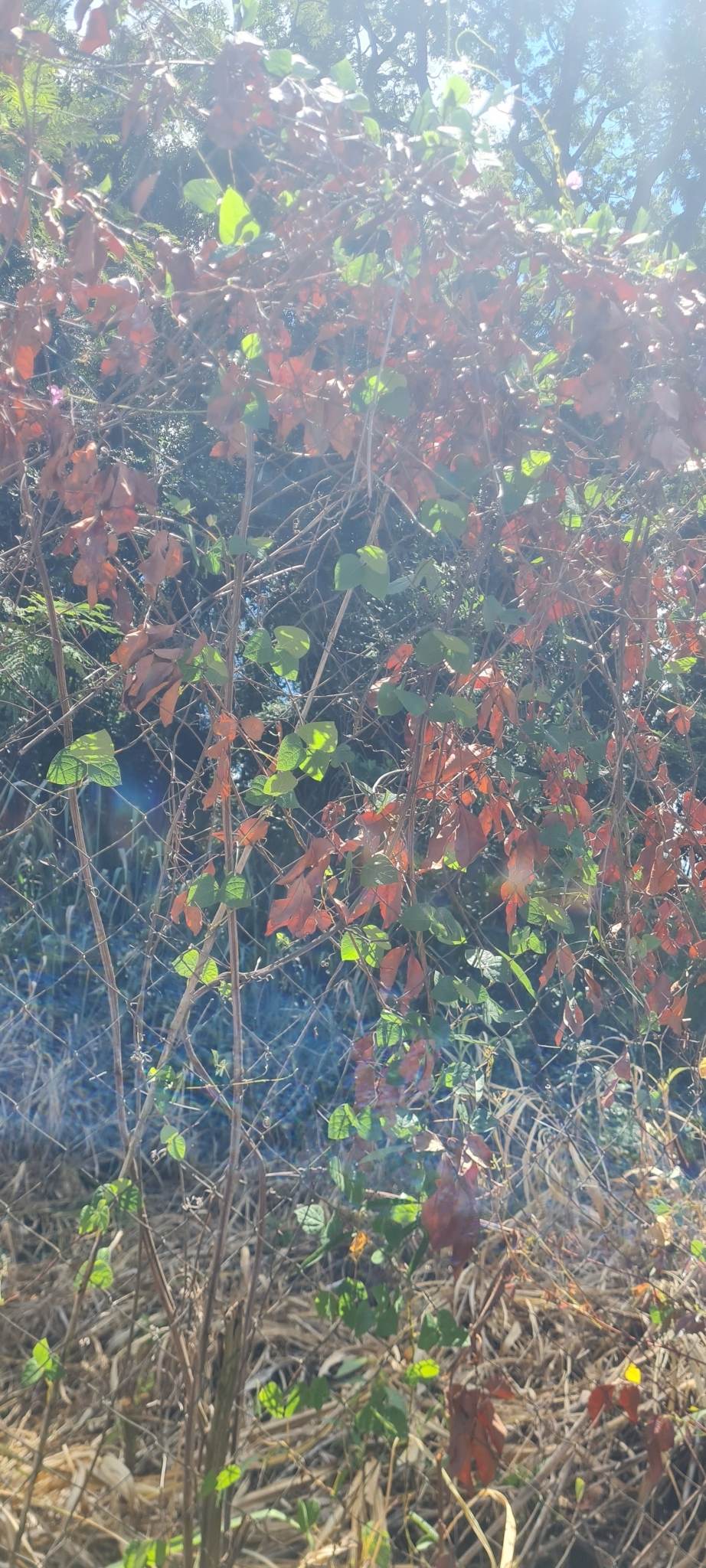
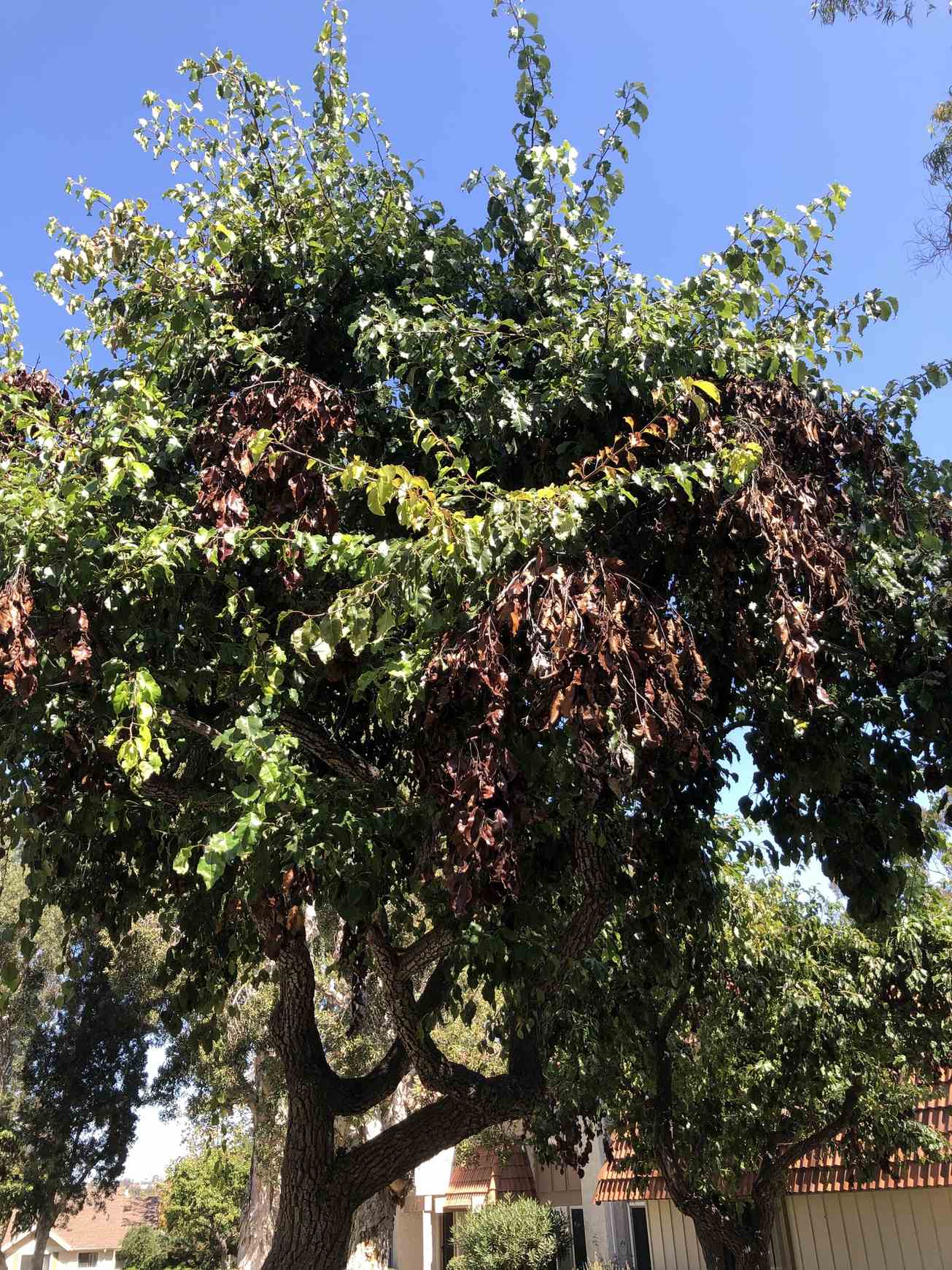
Morphological Features
Normal rod-shaped cells of E. amylovora are straight rods with rounded ends, measuring 1.1–1.6 × 0.6–0.9 µm, nonsporulating, Gram-negative, and motile by peritrichous flagella. Filamentous mutant cells are 3 to 35 times longer than normal rods (7–35 × 0.8–1.2 µm), with rounded ends; minicells 0.3–0.8 µm in diameter are produced at the termini or sides of filaments. Both normal and filamentous cells have a cell wall and cytoplasmic membrane exhibiting double-track profiles; mesosomes (infoldings of the cytoplasmic membrane) are present. Cell division involves invagination of the membrane and wall, with the membrane of daughter cells fully formed before completion of wall constriction. Minicells, lacking a nuclear body in thin sections, are produced by filaments when division occurs at the cell terminus rather than the center.
Huang, P.-Y., & Goodman, R. N. (1970). Morphology and Ultrastructure of Normal Rod-Shaped and Filamentous Forms of Erwinia amylovora. Journal of Bacteriology, 102(3), 862–866.
Host Plants (55 host plants)
Data sources: EPPO Global Database and relevant literature.
| Scientific Name | Status |
|---|---|
| Amelanchier alnifolia | Host |
| Amelanchier canadensis | Host |
| Amelanchier laevis | Host |
| Aronia melanocarpa | Host |
| Chaenomeles | Host |
| Chaenomeles japonica | Host |
| Cotoneaster | Host |
| Cotoneaster bullatus | Host |
| Cotoneaster buxifolius | Host |
| Cotoneaster dammeri | Host |
Quarantine Status (76 records)
Data sources: IPPC website and national quarantine websites; verified by human review.
| Country | Status | Year Added |
|---|---|---|
| Argentina | Absent | 2019 |
| Armenia | Present | — |
| Australia | Quarantine pests | — |
| Austria | RNQP ((EU) 2019/2072 Annex IV) | 2019 |
| Azerbaijan | Absent | 2024 |
| Belgium | RNQP ((EU) 2019/2072 Annex IV) | 2019 |
| Bulgaria | RNQP ((EU) 2019/2072 Annex IV) | 2019 |
| Bahrain | Quarantine pests | 2003 |
| Belarus | Present | 1994 |
| Brazil | A1 list | 2018 |
Distribution (75 countries)
Data Sources: EPPO Global Database and GBIF.
| Country | Status | State |
|---|---|---|
| Albania | Present | — |
| Algeria | Present | — |
| Armenia | Present | — |
| Australia | Absent | |
| Austria | Present | — |
| Azerbaijan | Present | — |
| Belgium | Present | — |
| Bulgaria | Present | — |
| Bosnia and Herzegovina | Present | — |
| Belarus | Present | — |
Distribution Map (Latitude and longitude coordinates sourced from GBIF.)
Download CSVGenomes (2 records)
Data source: NCBI.
| Assembly Accession | Assembly Level | Genome Size(Mb) | Contig N50(Kb) | Scaffold N50(Kb) | BUSCO% | Downloads | Actions |
|---|---|---|---|---|---|---|---|
| GCF_002732215.1 | Scaffold | 3 | 387 | 387 | - |
|
|
|
ASM273221v1 |
|||||||
| GCF_002732125.1 | Contig | 3 | 3831 | 3831 | - |
|
|
|
ASM273212v1 |
|||||||
Transcriptomes (3 records)
Data source: NCBI.
| Run ID | Tissue | Developmental Stage | Sex | Read Count | Location | Actions |
|---|---|---|---|---|---|---|
| SRR32154379 | Liquid culture | - | - | 10385772 | missing | |
|
PRJNA1216631 SRX27499976 SRP560423 bacteria GSM8762034: EaR2 L R2; Erwinia amylovora; RNA-Seq EaR2 {'batch': 'BIOL. REPEAT 2', 'strain': 'EaR2', 'tissue': 'Liquid culture', 'cell type': 'Bacteria', 'treatment': 'Mid log-phase (L)', 'source_name': 'Liquid culture'} |
||||||
| SRR32154378 | Liquid culture | - | - | 12886516 | missing | |
|
PRJNA1216631 SRX27499977 SRP560423 bacteria GSM8762035: EaR2 LA1 R2; Erwinia amylovora; RNA-Seq EaR2 {'batch': 'BIOL. REPEAT 2', 'strain': 'EaR2', 'tissue': 'Liquid culture', 'cell type': 'Bacteria', 'treatment': 'Mid log-phase, copper adaptation with 1 mM CuSO4 (LA!)', 'source_name': 'Liquid culture'} |
||||||
| SRR32154377 | Liquid culture | - | - | 8615033 | missing | |
|
PRJNA1216631 SRX27499978 SRP560423 bacteria GSM8762036: EaR2 LS1 R2; Erwinia amylovora; RNA-Seq EaR2 {'batch': 'BIOL. REPEAT 2', 'strain': 'EaR2', 'tissue': 'Liquid culture', 'cell type': 'Bacteria', 'treatment': 'Mid log-phase, copper shock with 1 mM CuSO4 (LS1)', 'source_name': 'Liquid culture'} |
||||||
Literature
Fetching literature from NCBI PubMed...
Failed to fetch literature