Pinus patula
TaxID: 71645
Basic Information
Pinus patula
Mexican Weeping Pine, Mexican weeping pine
Pinus patula, commonly known as patula pine, spreading-leaved pine, or Mexican weeping pine, and in Spanish as pino patula or pino llor n, (patula Latin = "spreading") is a tree native to the highlands of Mexico. It grows from 24 to 18 North latitude and 1,800 C2,700 m (5,900 C8,900 ft) above sea level. The tree grows up to 30 m (98 ft) tall. It can only withstand short periods of temperatures as low as ?10 C (14 F), but resists well occasional dips below 0 C (32 F). It is moderately drought-tolerant, and in this respect is superior to Pinus taeda. The average annual rainfall in its native habitat is from 750 to 2000 mm. This falls mostly in summer, but in a little area of the State of Veracruz on the Sierra Madre Oriental its habitat is rainy the year round. It is planted at high altitudes in Ecuador (3500 m), Bolivia, Colombia (3300 m), Kenya, Tanzania, Angola, Zimbabwe, Papua New Guinea, and Hawaii (3000 m). In Hawaii it is replacing the native alpine grassland. At lower altitudes than in its origin country it is cultivated in Southern Brazil, South Africa, India, and in the Argentine provinces of C rdoba and San Luis. it is planted for forestation purposes in lands originally covered by bushland. It has been introduced near sea level in New South Wales, Australia, where it spreads naturally by wind and is very favored because rainfalls are more abundant in summer. It was also introduced in New Zealand for commercial purposes and is fully naturalized there. It is cultivated in the United Kingdom as an ornamental tree for parks and gardens, and has gained the Royal Horticultural Society's Award of Garden Merit. The timber is pale-pink to salmon, moderately soft, brittle and smelling strongly of aniseed when freshly cut.
from Wikipedia
Taxonomic Information
Eukaryota
Streptophyta
Pinopsida
Pinales
Pinaceae
Pinus
patula
Unclassified
Species
nan
d__Eukaryota;p__Streptophyta;c__Pinopsida;o__Pinales;f__Pinaceae;g__Pinus;s__Pinus patula
nan
Weeds
Photos (5 photos)
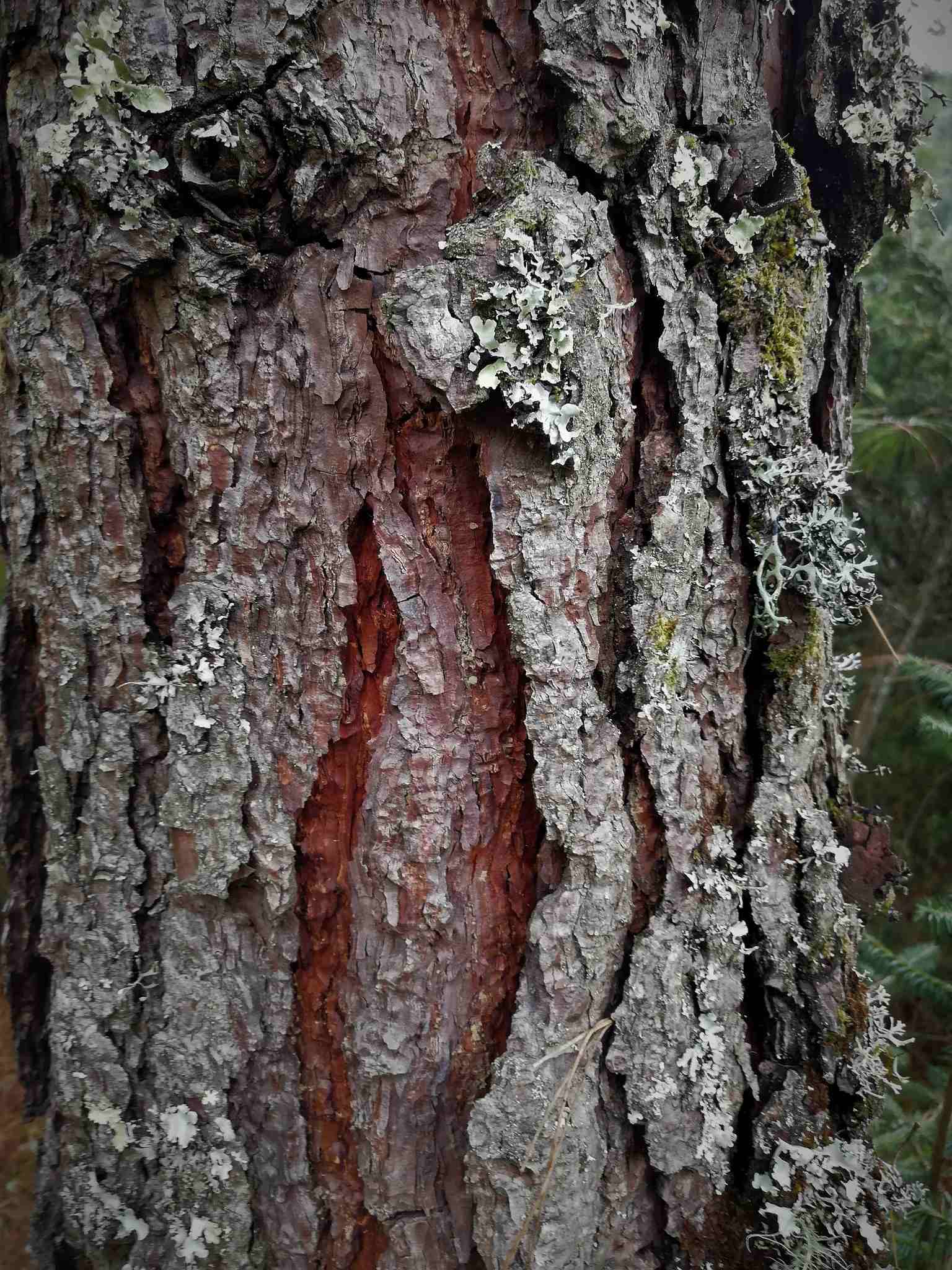
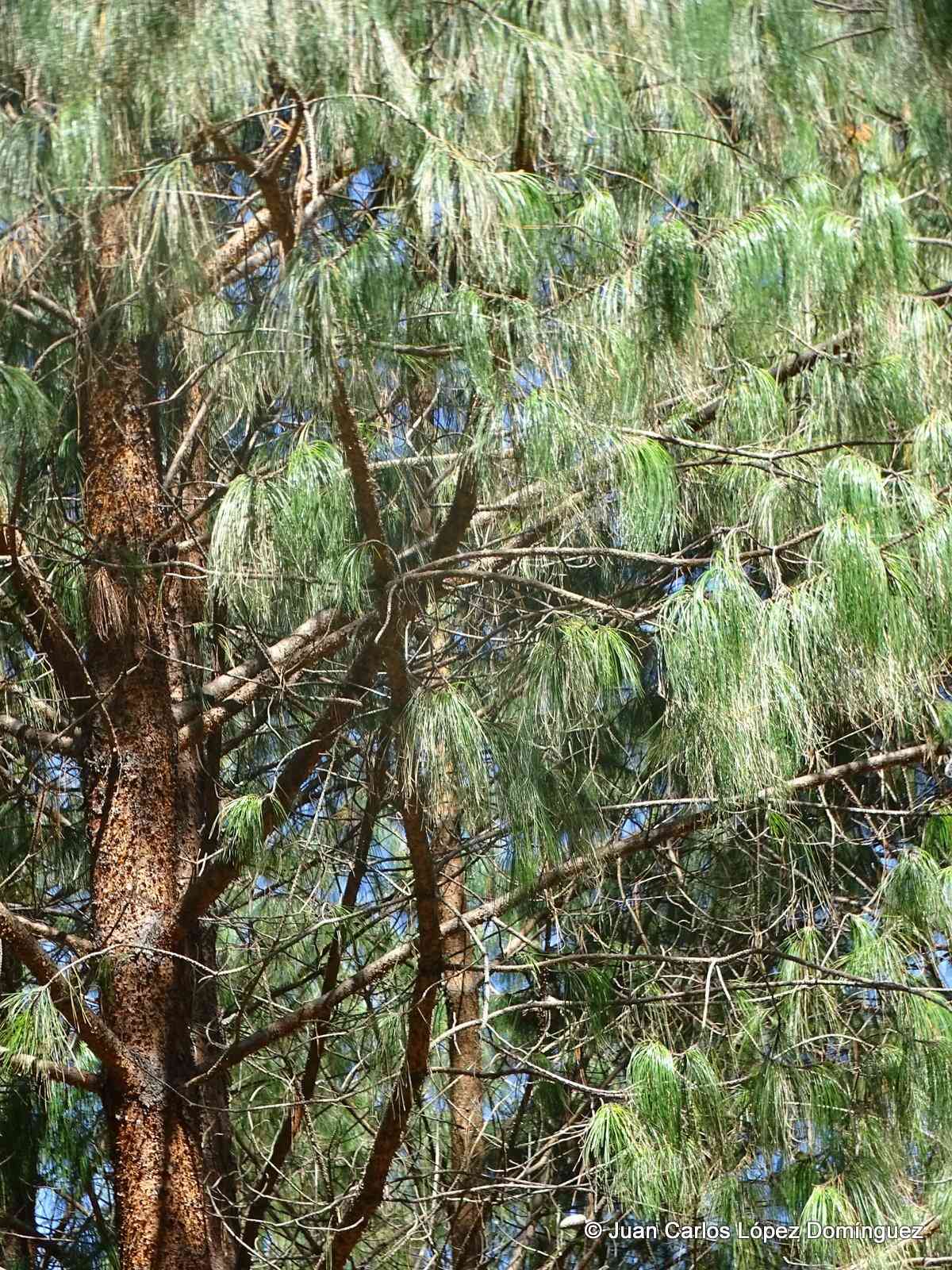
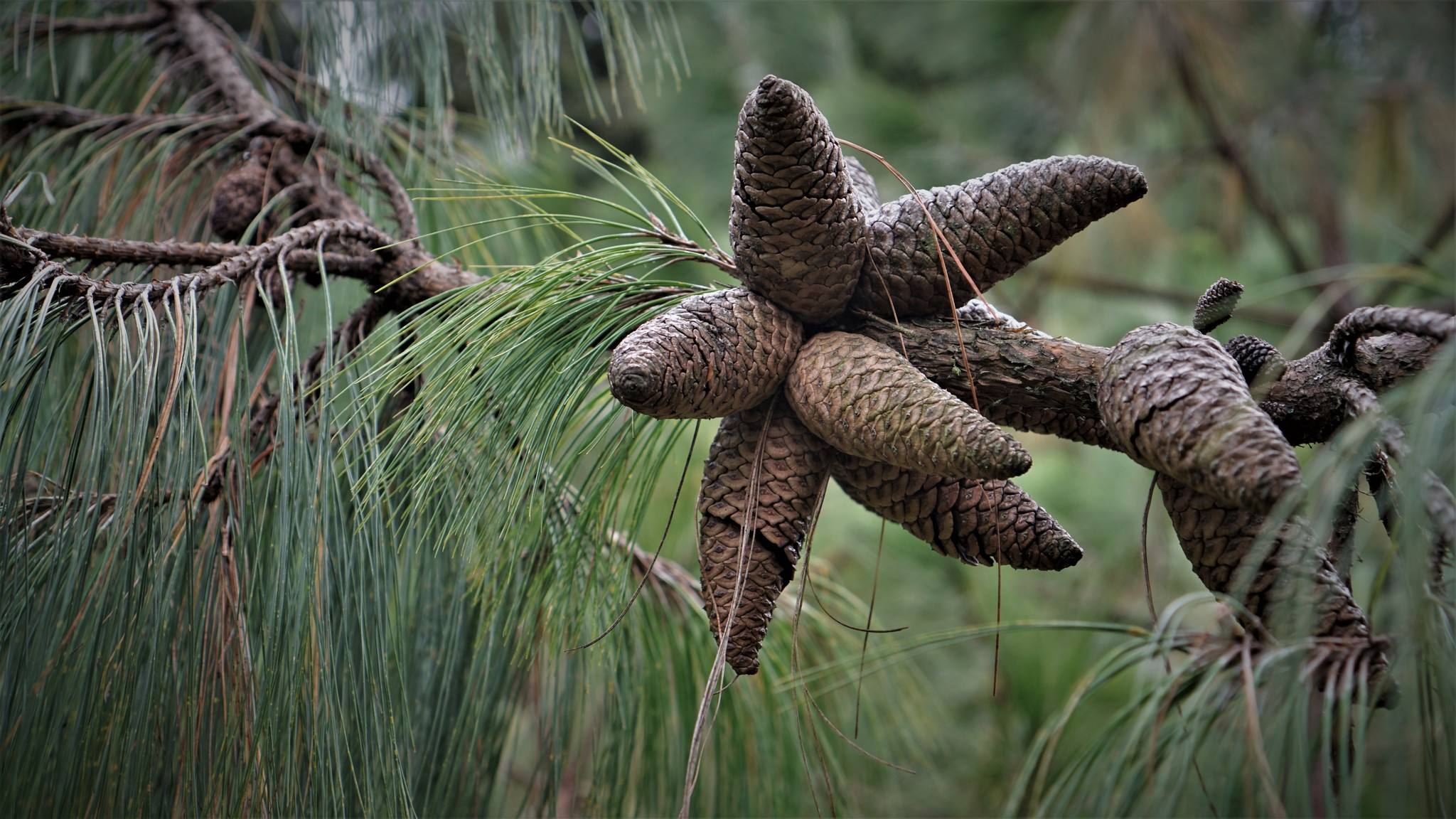
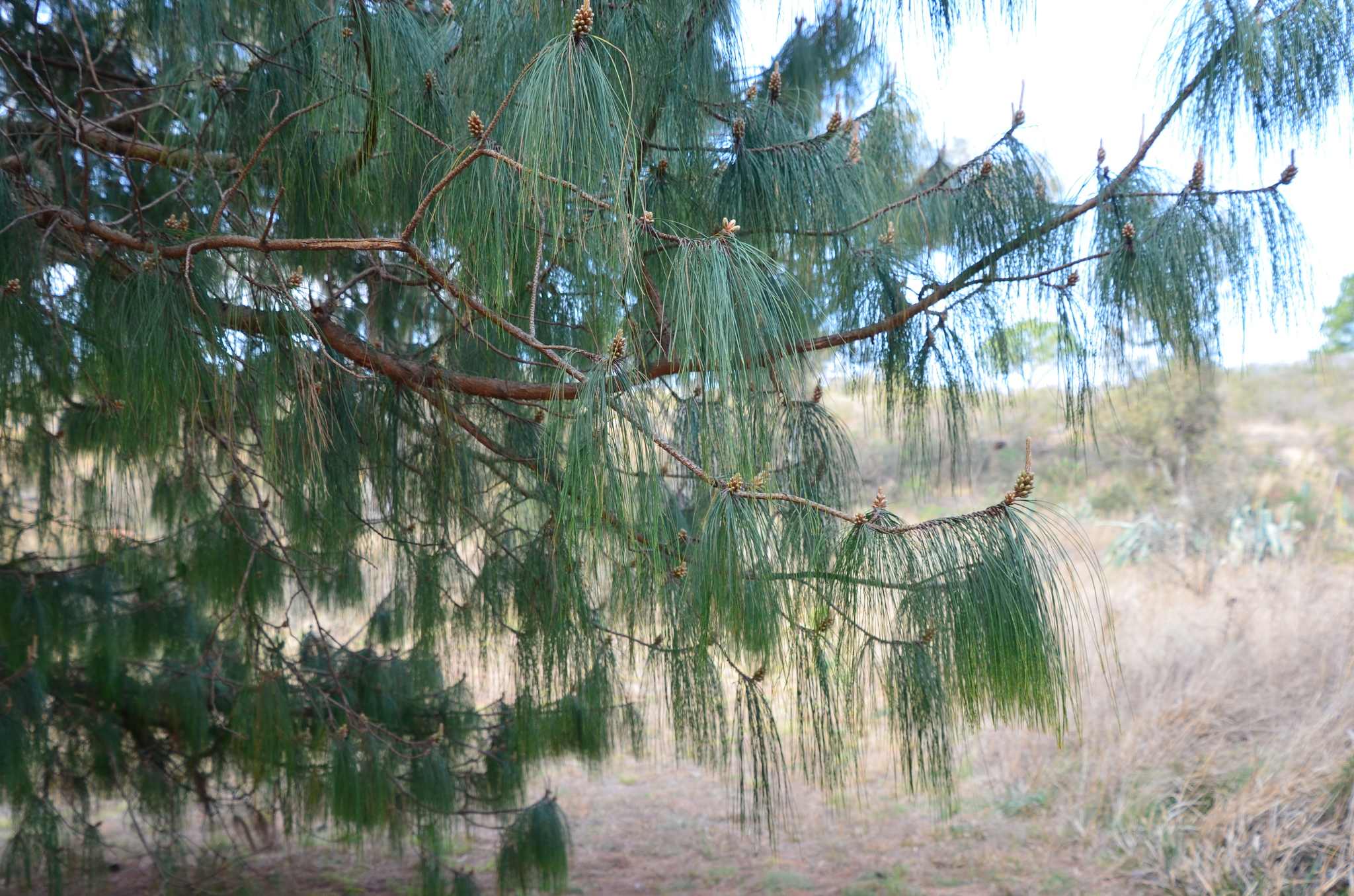
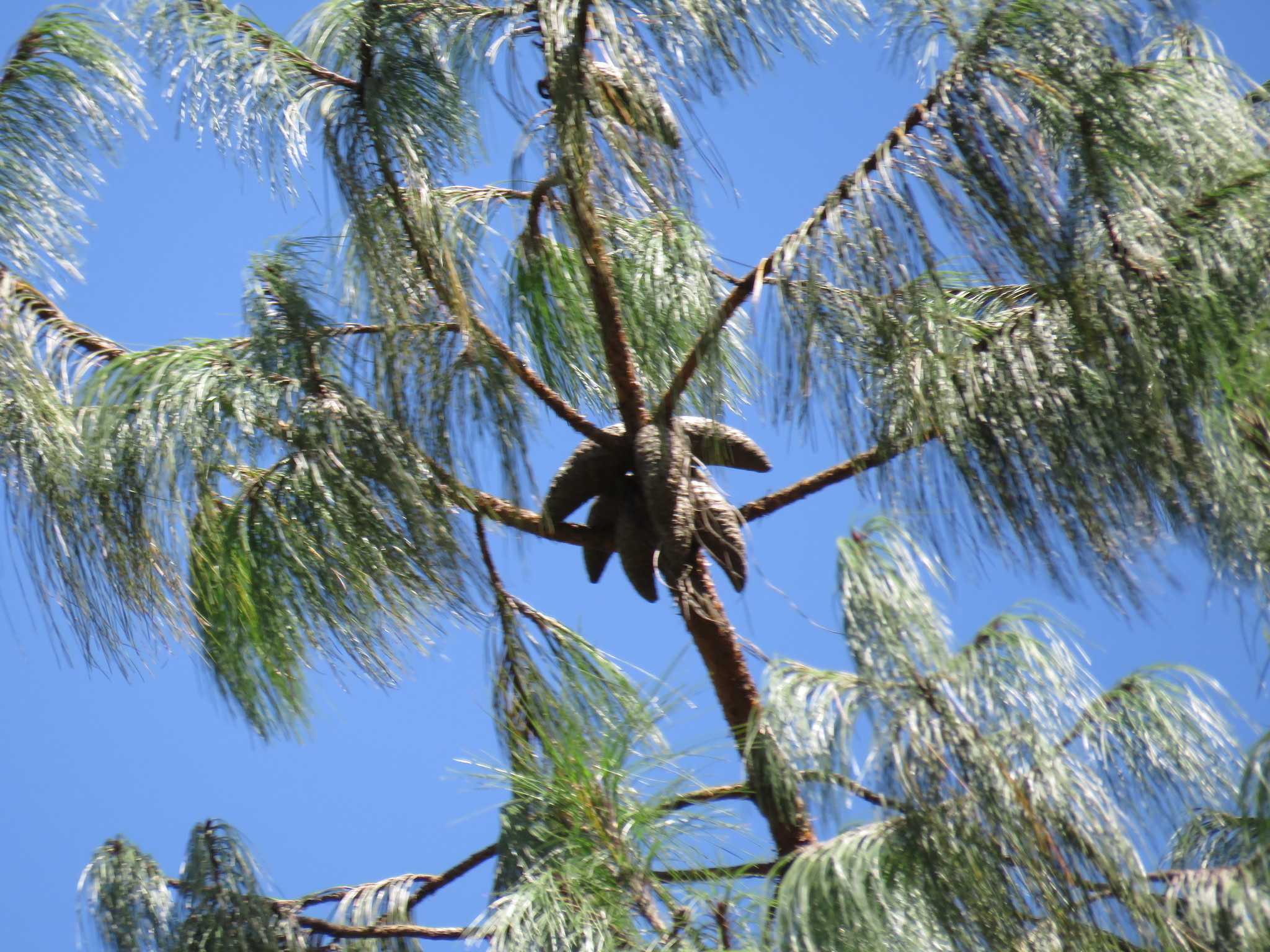
Morphological Features
No morphological description available.
Host Plants (0 host plants)
Data sources: EPPO Global Database and relevant literature.
No host plants available.
Quarantine Status (1 records)
Data sources: IPPC website and national quarantine websites; verified by human review.
| Country | Status | Year Added |
|---|---|---|
| French Polynesia | Absent | — |
Distribution (39 countries)
Data Sources: EPPO Global Database and GBIF.
| Country | Status | State |
|---|---|---|
| Argentina | Present | — |
| Australia | Present | — |
| Bolivia (Plurinational State of) | Present | — |
| Brazil | Present | — |
| Bhutan | Present | — |
| Chile | Present | — |
| Democratic Republic of the Congo | Present | — |
| Colombia | Present | — |
| Costa Rica | Present | — |
| Dominican Republic | Present | — |
Distribution Map (Latitude and longitude coordinates sourced from GBIF.)
Download CSVGenomes (0 records)
Data source: NCBI.
No genome records available.
Transcriptomes (3 records)
Data source: NCBI.
| Run ID | Tissue | Developmental Stage | Sex | Read Count | Location | Actions |
|---|---|---|---|---|---|---|
| SRR6246499 | shoot | - | - | 31552107 | South Africa: Pretoria | |
|
PRJNA416698 SRX3353520 SRP123507 weed RNA-seq of Pinus patula: inoculated shoot tissue strand-specific RNA sequencing library from inoculated Pinus patula shoot tissue harvested 3 days post inoculation {'age': '6 months', 'tissue': 'shoot', 'ecotype': 'Southern African', 'treatment': 'Fusarium circinatum inoculated', 'population': 'open pollinated family', 'sample_type': 'tissue pooled from 16 seedlings for each biological replicate', 'geo_loc_name': 'South Africa: Pretoria', 'biosamplemodel': 'Plant', 'collection_date': '2015-03-28'} |
||||||
| SRR6246498 | shoot | - | - | 37616571 | South Africa: Pretoria | |
|
PRJNA416698 SRX3353521 SRP123507 weed RNA-seq of Pinus patula: inoculated shoot tissue strand-specific RNA sequencing library from inoculated Pinus patula shoot tissue harvested 3 days post inoculation {'age': '6 months', 'tissue': 'shoot', 'ecotype': 'Southern African', 'treatment': 'Fusarium circinatum inoculated', 'population': 'open pollinated family', 'sample_type': 'tissue pooled from 16 seedlings for each biological replicate', 'geo_loc_name': 'South Africa: Pretoria', 'biosamplemodel': 'Plant', 'collection_date': '2015-03-28'} |
||||||
| SRR13823488 | megagametophytes | - | - | 30522391 | India | |
|
PRJNA703422 SRX10204239 SRP308779 weed RNA-Seq of pine Ultra Directional RNA Library isolate-W315 {'tissue': 'megagametophytes', 'isolate': 'isolate-W315', 'geo_loc_name': 'India', 'biosamplemodel': 'Plant'} |
||||||
DNA Barcodes (15 records)
View allData source: BOLD.
| Process ID | BIN | Marker | Length | Country | Date | Lat/Lon | Sequence |
|---|---|---|---|---|---|---|---|
| MEXCO124-18 | - | rbcL | 1428 | Mexico | 2015-08-22 | 21.164925, -99.59314 | |
| MEXCO123-18 | - | rbcL | 1427 | Mexico | 2015-08-22 | 21.15055, -99.61647 | |
| MEXCO121-18 | - | rbcL | 1428 | Mexico | 2015-05-23 | 20.794397, -98.69826 | |
| MEXCO120-18 | - | rbcL | 1428 | Mexico | 2015-05-22 | 20.357418, -98.3078 | |
| MEXCO062-14 | - | rbcL | 607 | Mexico | 2013-08-18 | 20.151, -98.561 | |
| MEXCO037-14 | - | rbcL | 607 | Mexico | 1995-04-13 | 17.083332, -96.417 | |
| MEXCO035-14 | - | rbcL | 607 | Mexico | 2009-11-06 | 16.189, -96.94 | |
| MEXCO034-14 | - | rbcL | 607 | Mexico | 2009-07-20 | 17.237, -96.413 | |
| ITSAA1937-14 | - | ITS2 | 243 | - | - | - | |
| GBVQ2218-13 | - | rbcL | 1389 | Mexico | - | 20.11, -98.63 |
Literature
Fetching literature from NCBI PubMed...
Failed to fetch literature