Malacosoma disstria
TaxID: 40071
Basic Information
Malacosoma disstria
Forest Tent Caterpillar, forest tent caterpillar
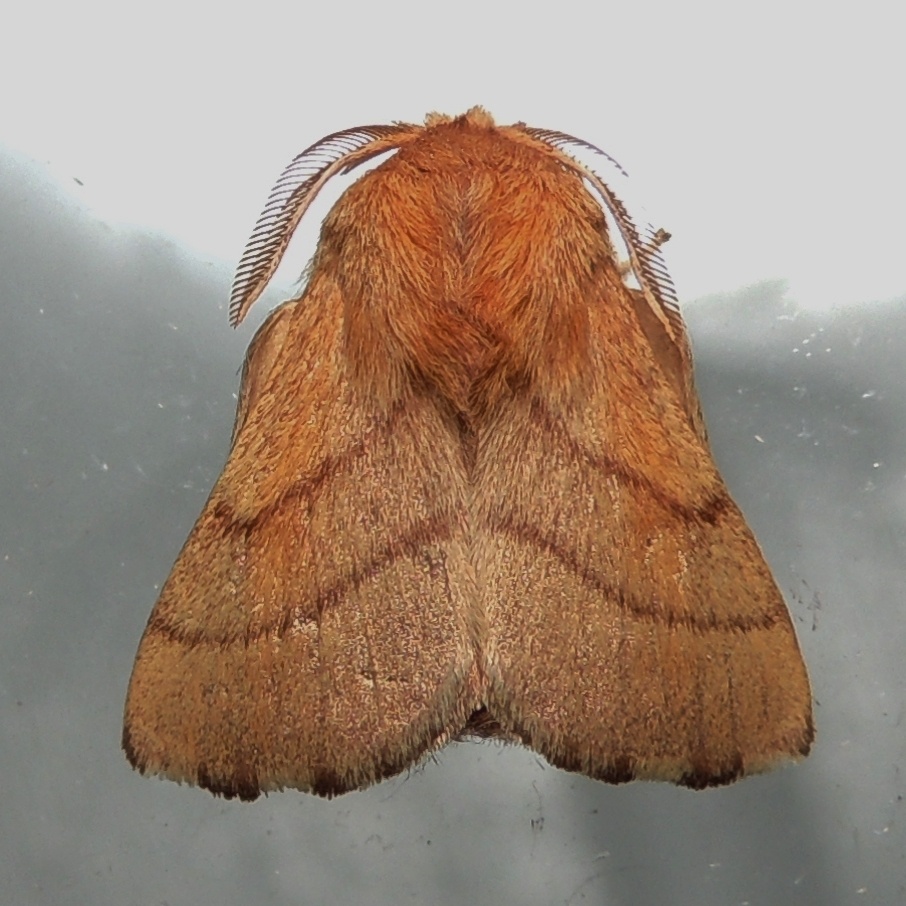
The forest tent caterpillar moth (Malacosoma disstria) is a moth found throughout North America, especially in the eastern regions. Unlike related tent caterpillar species, the larvae of forest tent caterpillars do not make tents, but rather, weave a silky sheet where they lie together during molting. They also lay down strands of silk as they move over branches and travel as groups along these pheromone-containing silk trails. The caterpillars are social, traveling together to feed and massing as a group at rest. Group behavior diminishes as the caterpillars increase in size, so that by the fifth instar (molt) the caterpillars are feeding and resting independently. The adult moths of this species favor oak, sweetgum, tupelo, aspen, and sugar maple for egg laying in the summer. The females lay eggs in masses of up to 300, which are stuck to twigs and covered with a gluey cement called spumaline, which prevents them from desiccating and freezing. Eggs hatch the following spring. The larvae can be found feeding on many other species of deciduous trees or shrubs. High population density outbreaks tend to recur at reasonably regular intervals every decade or so and usually last two to three years, during which time trees and shrubs can be almost completely denuded of leaves. Most plants replace the lost leaves without permanent damage.
from Wikipedia
Taxonomic Information
Metazoa
Arthropoda
Insecta
Lepidoptera
Lasiocampidae
Malacosoma
disstria
unclassified
Species
nan
k__Metazoa;p__Arthropoda;c__Insecta;o__Lepidoptera;f__Lasiocampidae;g__Malacosoma;s__Malacosoma disstria
nan
Arthropods
Photos (5 photos)
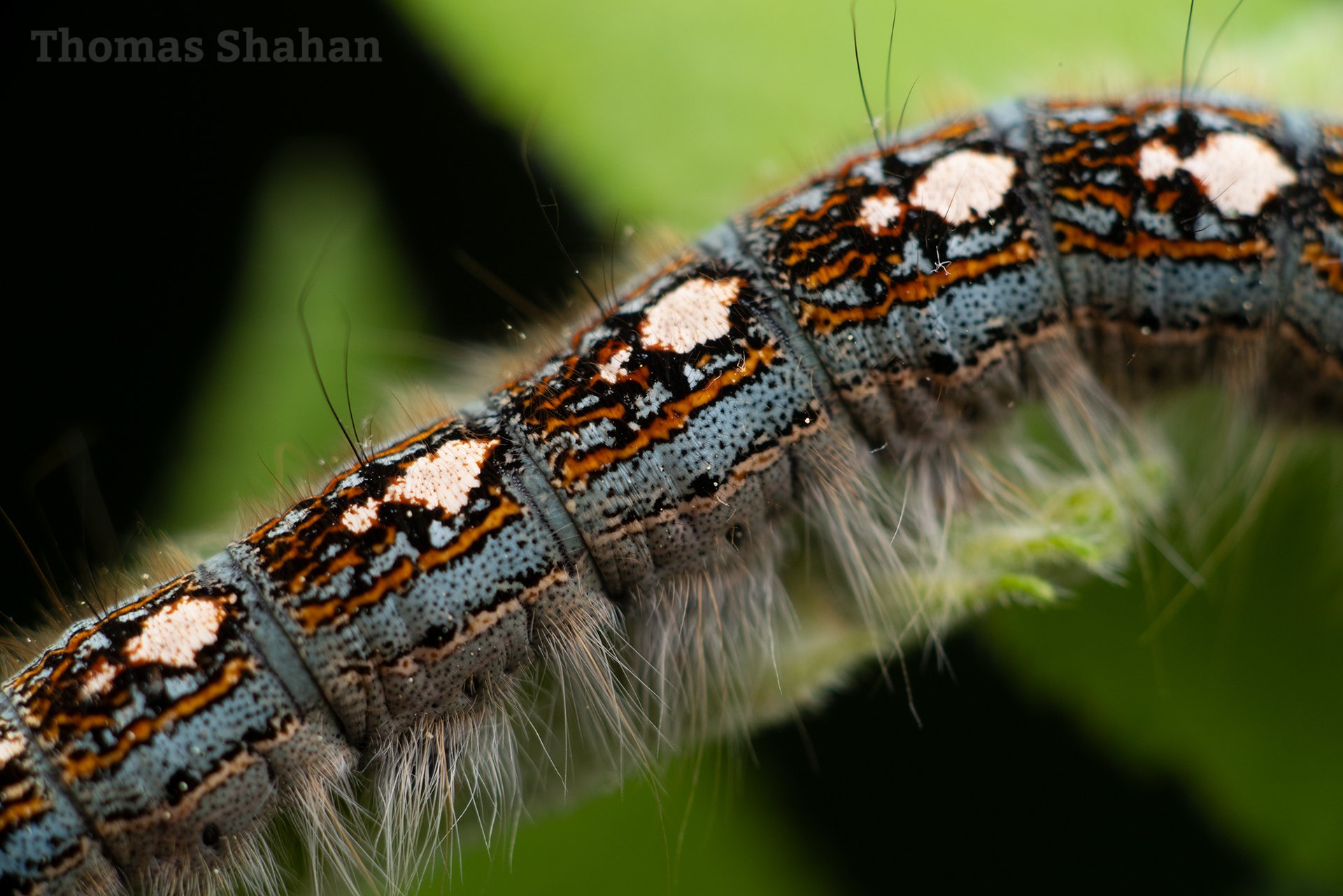
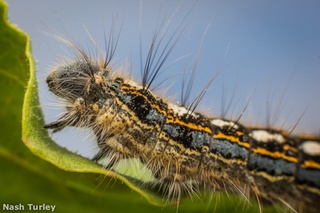
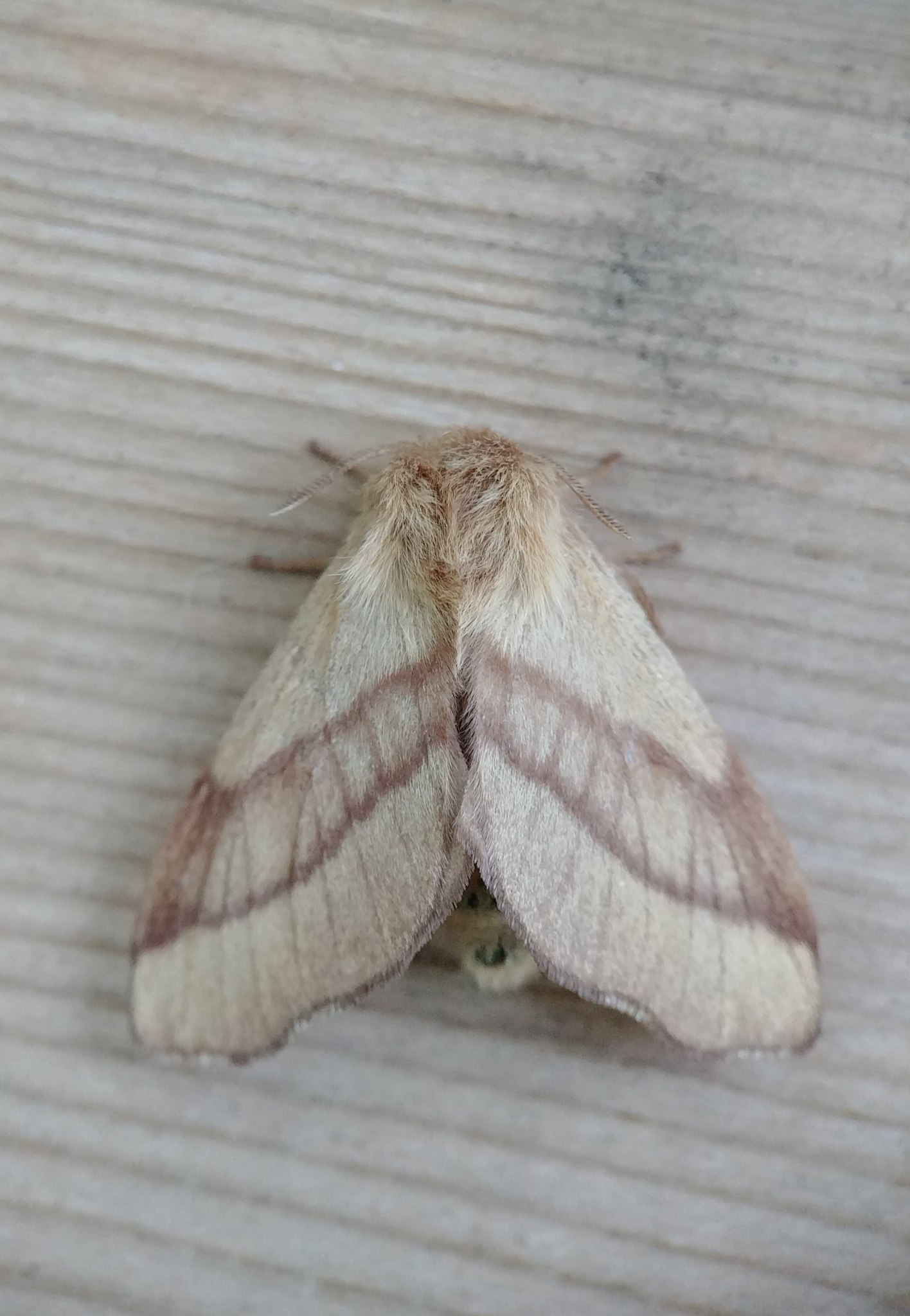
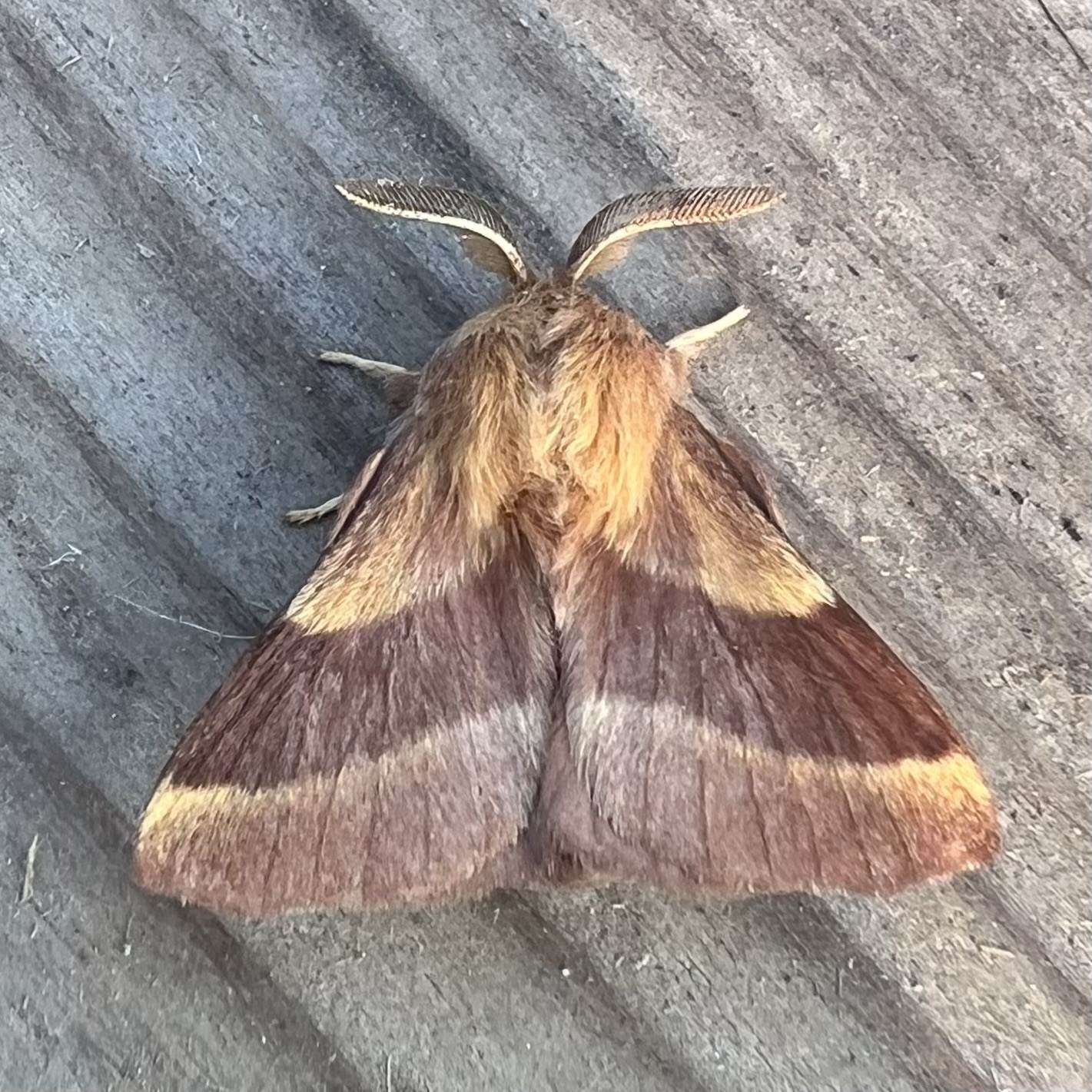
Morphological Features
No morphological description available.
Host Plants (24 host plants)
Data sources: EPPO Global Database and relevant literature.
| Scientific Name | Status |
|---|---|
| Acer | Host |
| Acer saccharum | Host |
| Alnus | Host |
| Amelanchier | Host |
| Betula | Host |
| Betula papyrifera | Host |
| Cornus | Host |
| Corylus | Host |
| Fraxinus | Host |
| Liquidambar styraciflua | Host |
Quarantine Status (14 records)
Data sources: IPPC website and national quarantine websites; verified by human review.
| Country | Status | Year Added |
|---|---|---|
| Belarus | Absent | — |
| Ecuador | Quarantine pests | — |
| EPPO A1 | Absent | — |
| United Kingdom | Quarantine pest | 2022 |
| Georgia | Absent | 2018 |
| Croatia | Quarantine pests | — |
| Jordan | Absent | 2013 |
| Japan | Quarantine pests | — |
| Republic of Korea | Quarantine pests | — |
| Morocco | Quarantine pest | 2018 |
Distribution (6 countries)
Data Sources: EPPO Global Database and GBIF.
| Country | Status | State |
|---|---|---|
| Canada | Present | |
| China | Present | — |
| India | Present | — |
| Netherlands | Absent | — |
| Russian Federation | Absent | — |
| United States of America | Present |
Distribution Map (Latitude and longitude coordinates sourced from GBIF.)
Download CSVGenomes (0 records)
Data source: NCBI.
No genome records available.
Transcriptomes (0 records)
Data source: NCBI.
No transcriptome records available.
Literature
Fetching literature from NCBI PubMed...
Failed to fetch literature