Hylesia nigricans
TaxID: 1216696
Basic Information
Hylesia nigricans
Burning Moth
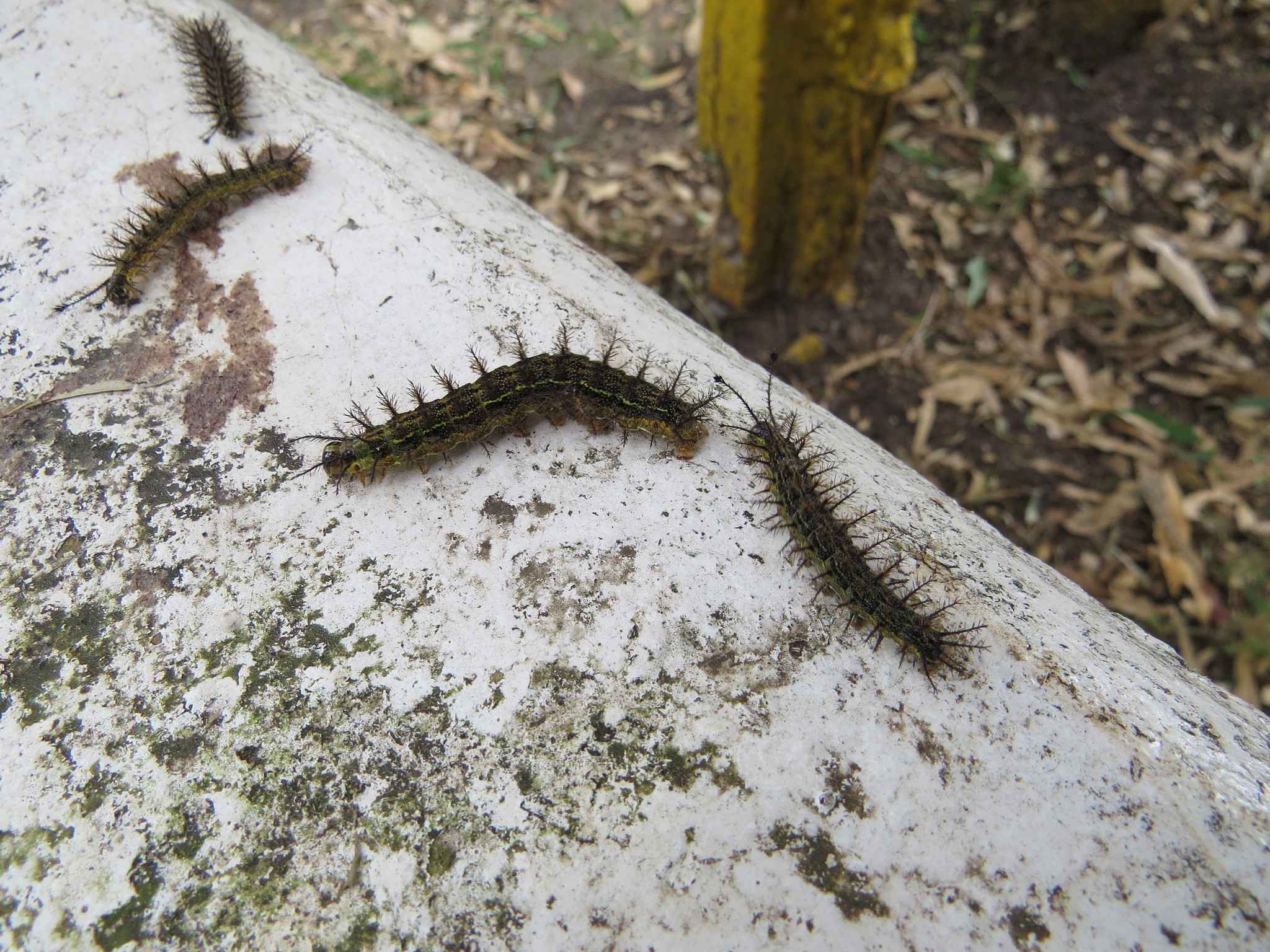
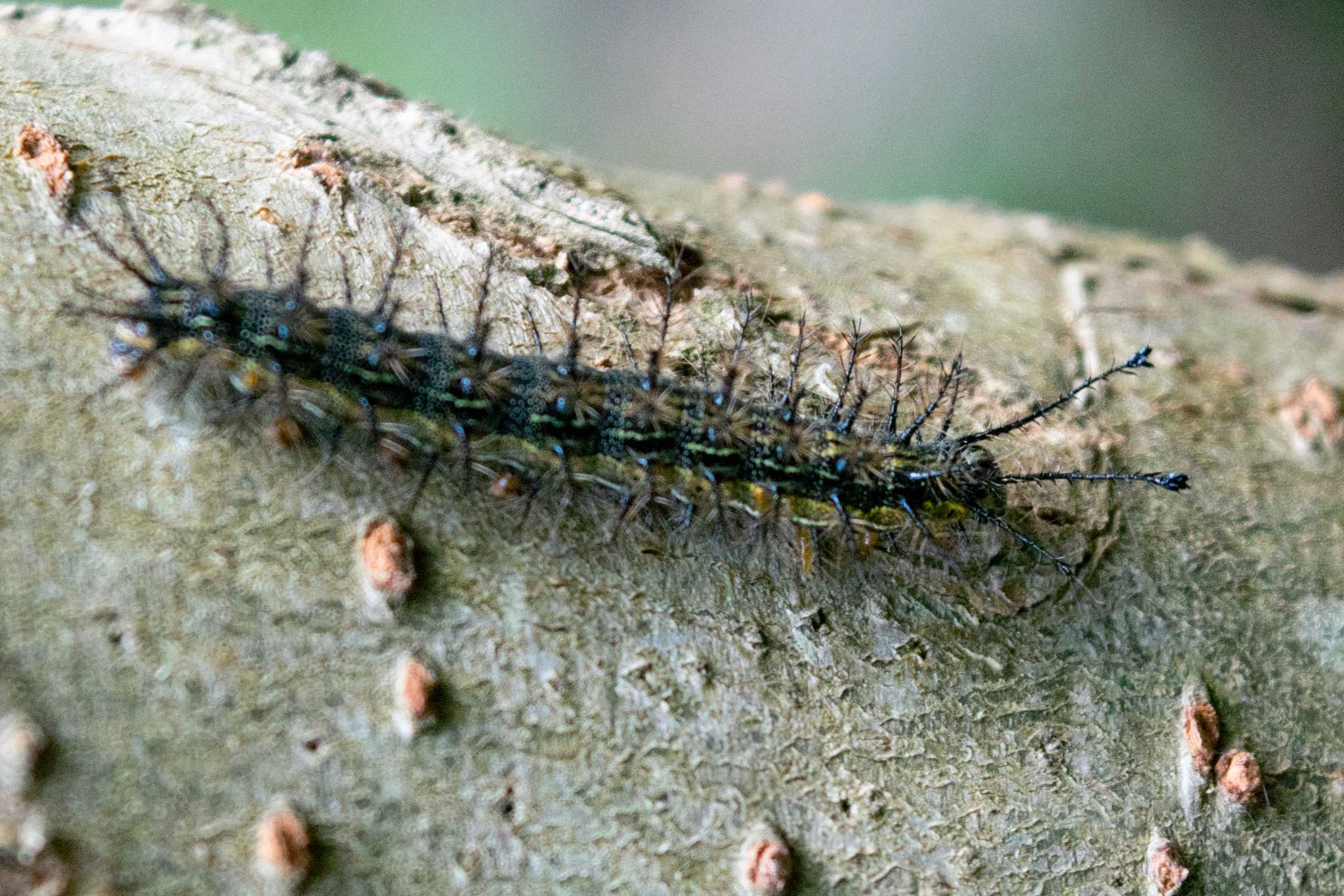
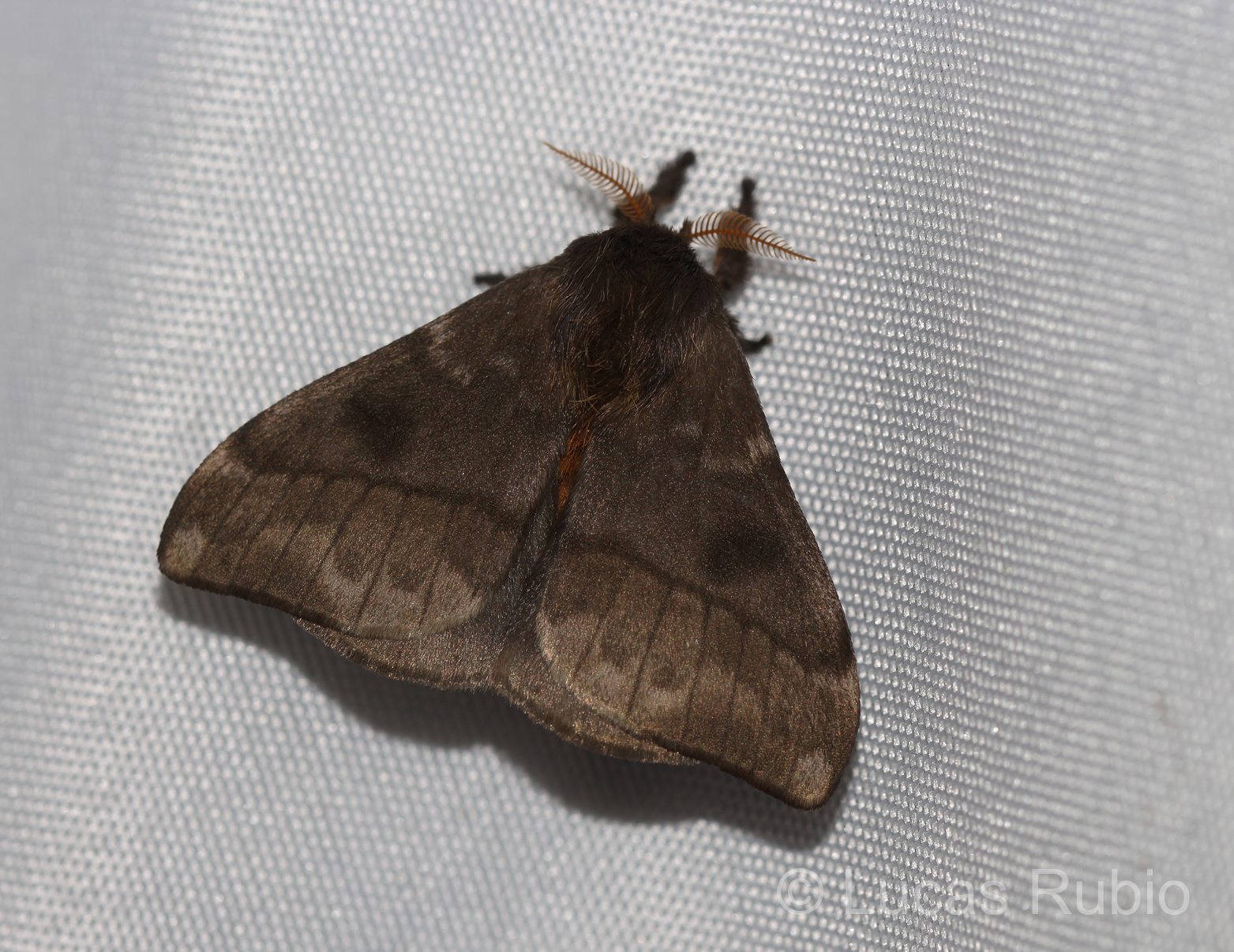
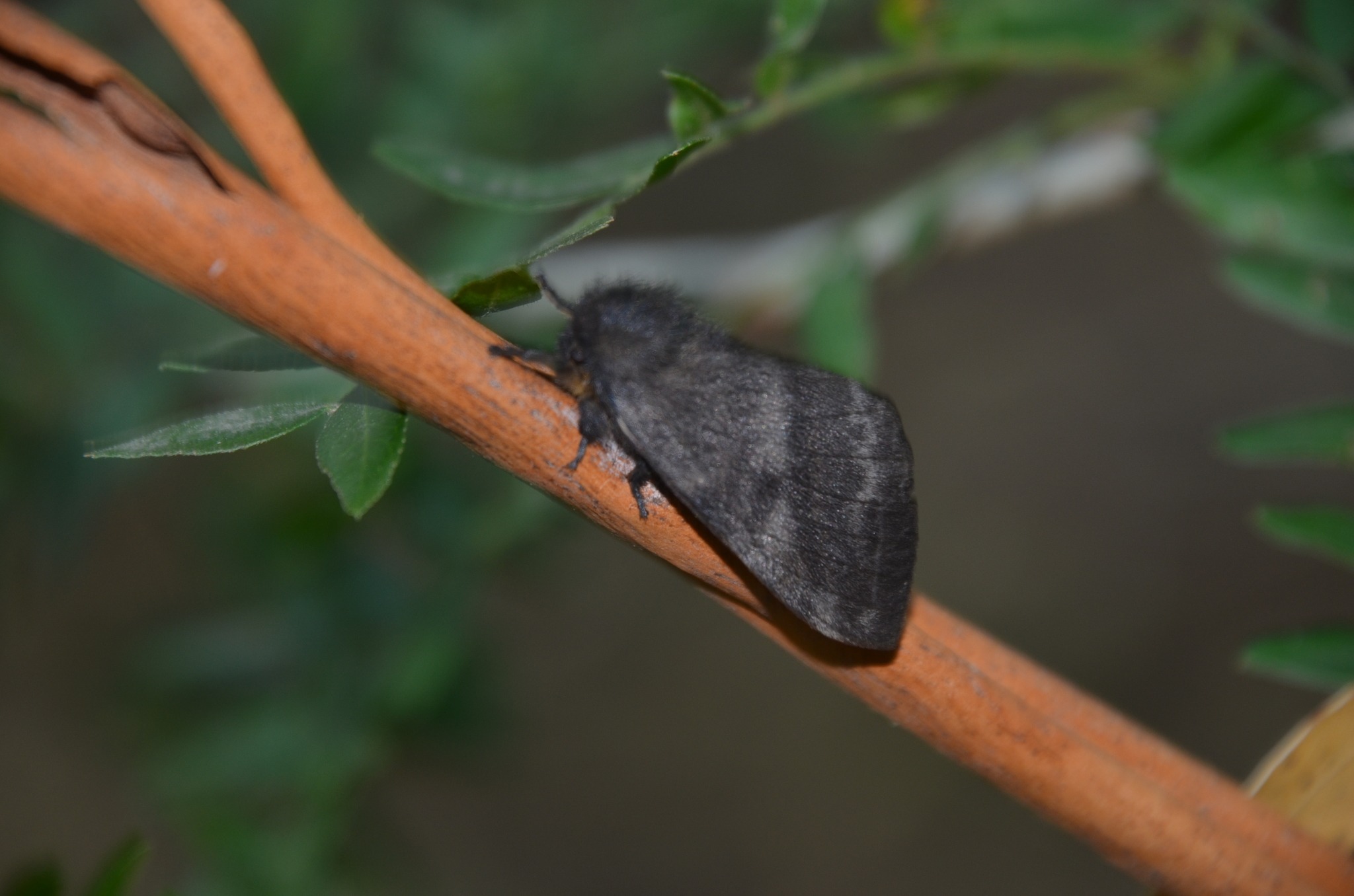
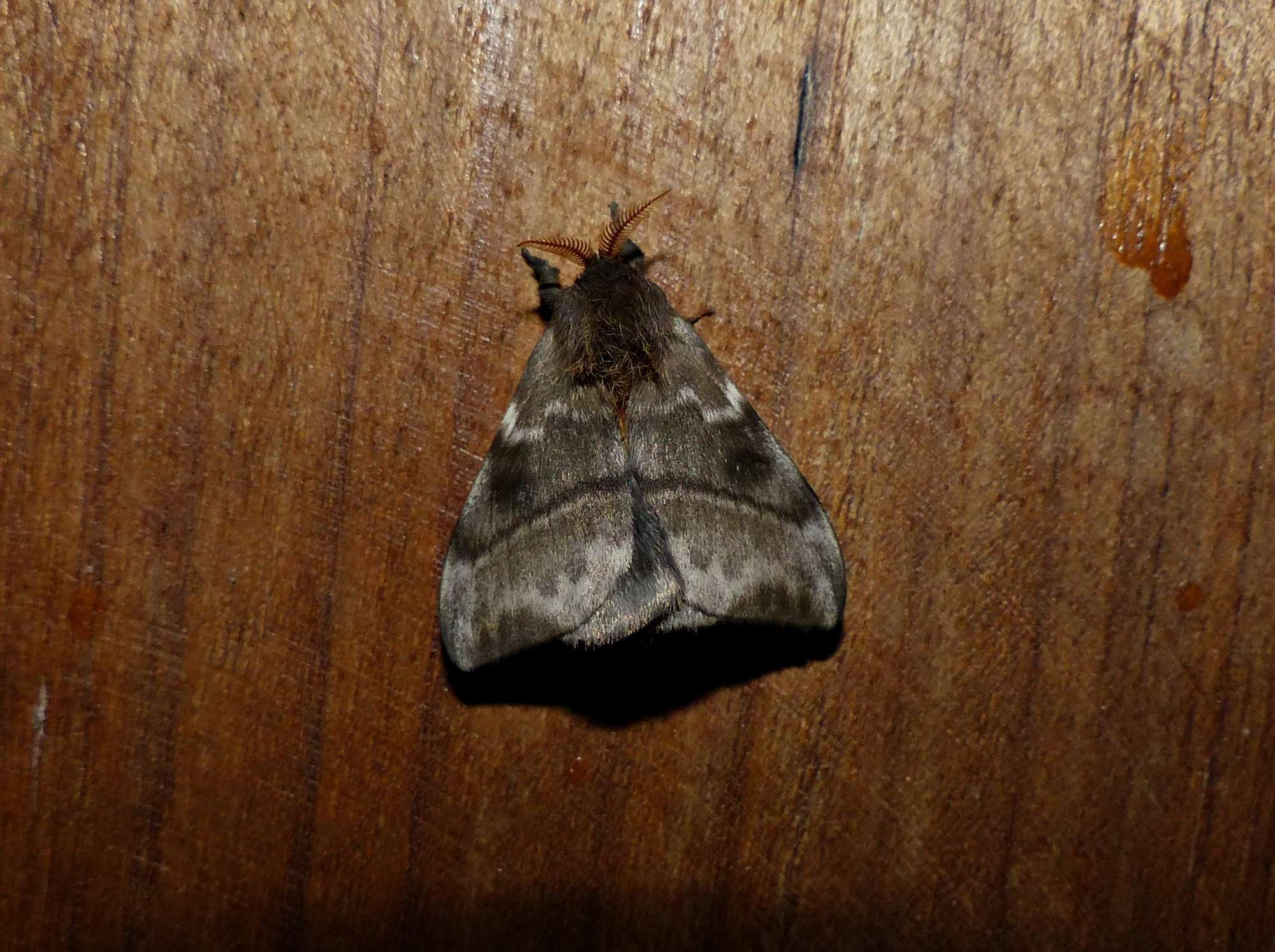
Hylesia nigricans is a species of Lepidoptera of the family Saturniidae. It is a nocturnal moth endemic to Argentina and Brazil. It can be found mainly in the north and center of Argentina, the south of Bolivia and the south of Brazil, due to climatic factors which favor its reproduction. The species was first described by Carlos Berg in 1875. The female adult can reach an average wingspan of 45 mm. Its larvae have an average length of 40 to 45 mm, with black and yellow bodies covered by urticating hairs which, upon contact with skin, produce irritation, causing an extended dermatitis. The larvae are known in Spanish as gata peluda (hairy cat) or bicho quemador (burning bug). The adult is a dark-colored moth - which is where its name comes from - with the back of its abdomen covered by smooth golden hairs. It possesses a voracious appetite, attacking fruit bearing, ornamental and forest plants. It was declared a national plague in Argentina in 1911. There exists a range of chemical products aimed at controlling their development.
from Wikipedia
Taxonomic Information
Metazoa
Arthropoda
Insecta
Lepidoptera
Saturniidae
Hylesia
nigricans
unclassified
Species
nan
k__Metazoa;p__Arthropoda;c__Insecta;o__Lepidoptera;f__Saturniidae;g__Hylesia;s__Hylesia nigricans
nan
Arthropods
Photos (5 photos)
Morphological Features
Adult females are larger, more robust, and darker than males; males may have color variations in their wings and a dark or yellow abdomen. The abdomen of females is covered with urticating bristles, which are released at oviposition and may have orange tones.
Cristiano A. Iserhard, Lucas A. Kaminski, Maria O. Marchiori, Eduardo C. Teixeira. 2007. Occurrence of Lepidopterism caused by the moth Hylesia nigricans (Berg) (Lepidoptera: Saturniidae) in Rio Grande do Sul State, Brazil. Neotropical Entomology
Host Plants (0 host plants)
Data sources: EPPO Global Database and relevant literature.
No host plants available.
Quarantine Status (2 records)
Data sources: IPPC website and national quarantine websites; verified by human review.
| Country | Status | Year Added |
|---|---|---|
| Chile | Quarantine pests | 2019 |
| United States of America | Quarantine pests | — |
Distribution (3 countries)
Data Sources: EPPO Global Database and GBIF.
Distribution Map (Latitude and longitude coordinates sourced from GBIF.)
Download CSVGenomes (0 records)
Data source: NCBI.
No genome records available.
Transcriptomes (0 records)
Data source: NCBI.
No transcriptome records available.
Literature
Fetching literature from NCBI PubMed...
Failed to fetch literature