Phytophthora ramorum
TaxID: 164328
Basic Information
Phytophthora ramorum
Sudden Oak Death, Sudden oak death, sudden oak death agent
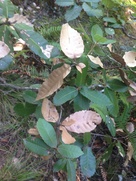
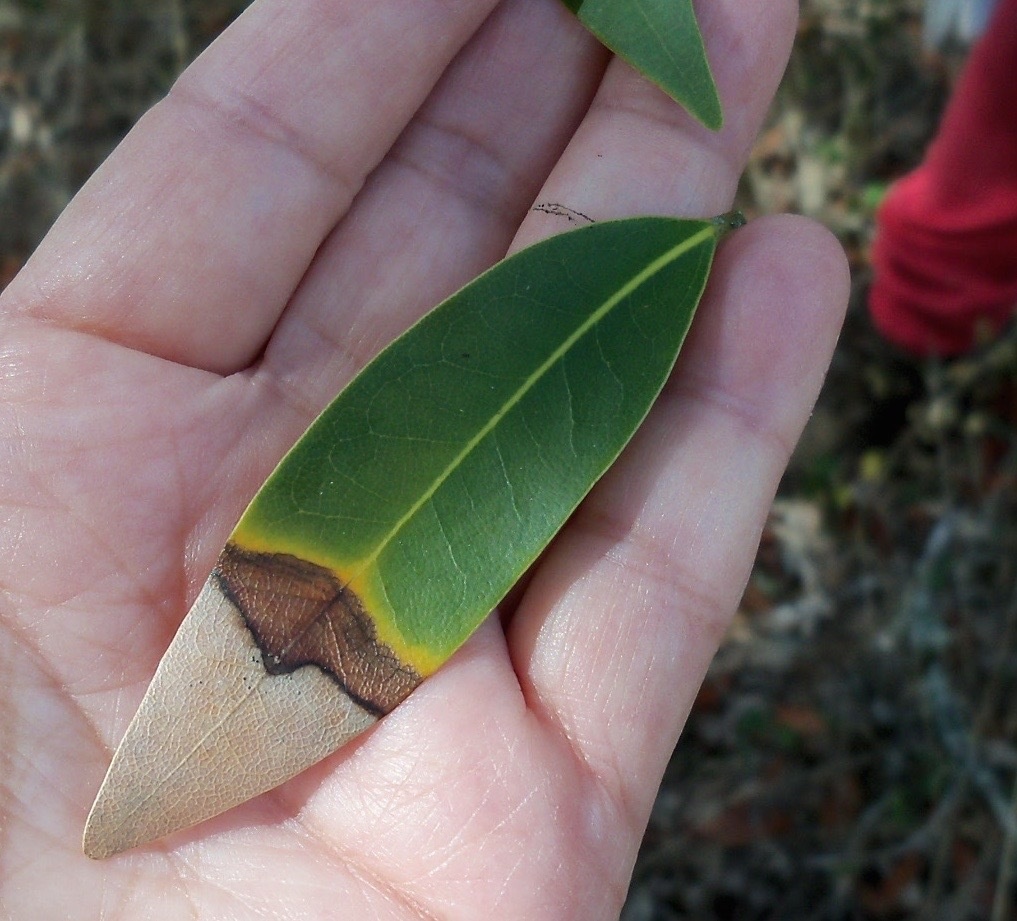
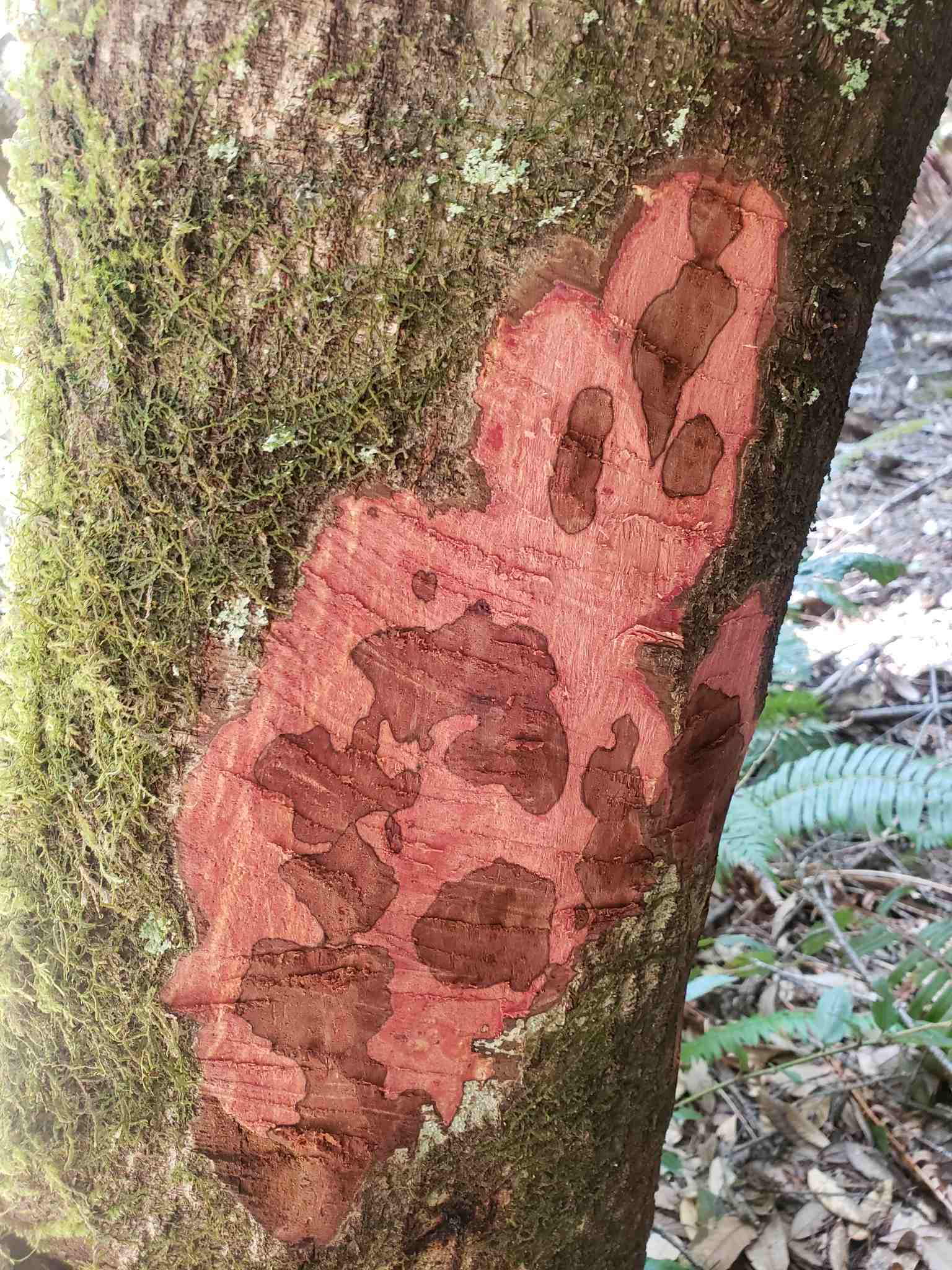
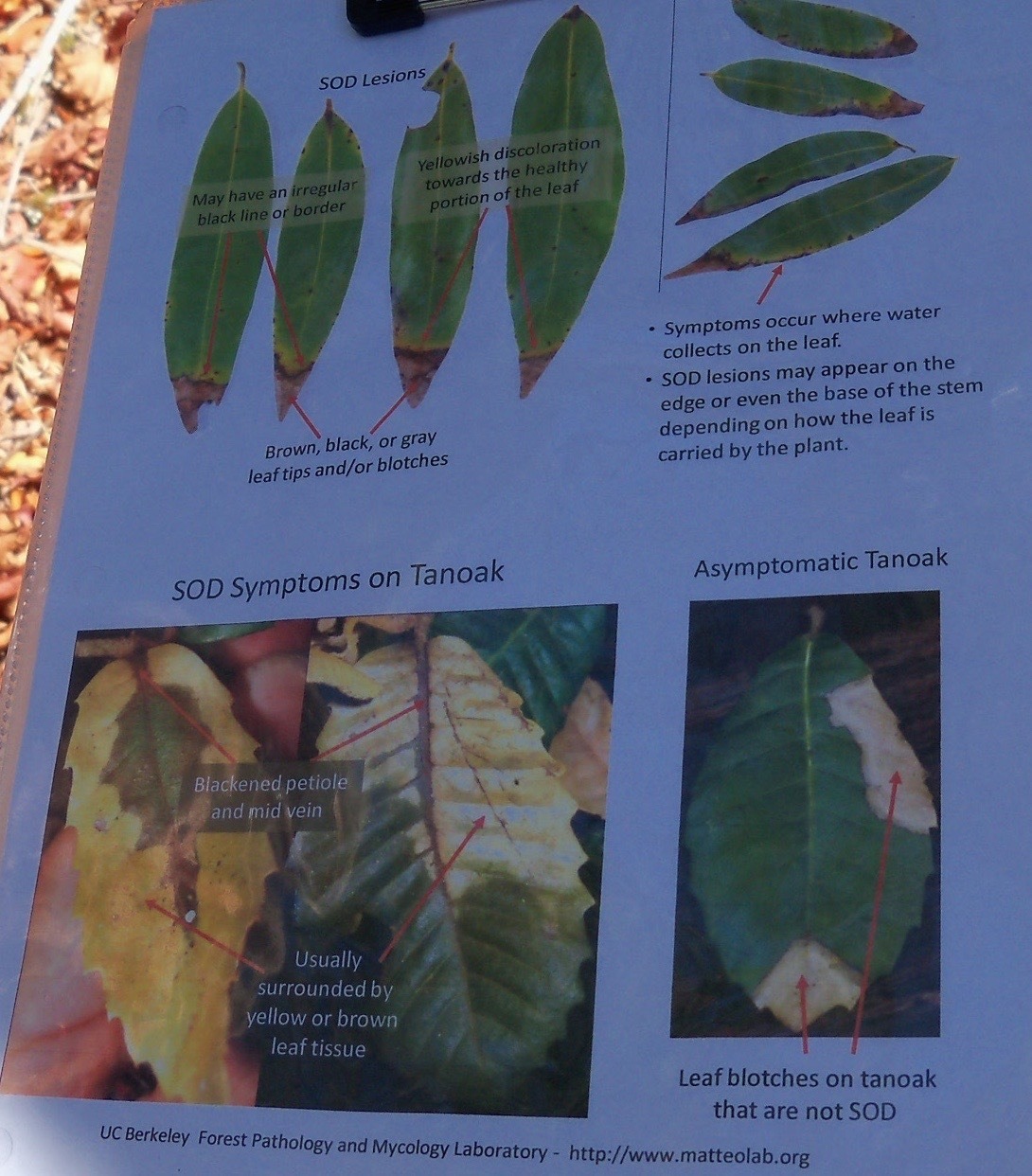
Phytophthora ramorum is the oomycete known to cause the disease sudden oak death (SOD). The disease kills oak and other species of trees and has had devastating effects on the oak populations in California and Oregon, as well as being present in Europe. Symptoms include bleeding cankers on the tree's trunk and dieback of the foliage, in many cases leading to the death of the tree. P. ramorum also infects a great number of other plant species, significantly woody ornamentals such as Rhododendron, Viburnum, and Pieris, causing foliar symptoms known as ramorum dieback or ramorum blight. Such plants can act as a source of inoculum for new infections, with the pathogen producing spores that can be transmitted by rainsplash and rainwater. P. ramorum was first reported in 1995, and the origins of the pathogen are still unclear, but most evidence suggests it was introduced as an exotic species to Europe and North America in separate events. Very few control mechanisms exist for the disease, and they rely upon early detection and proper disposal of infected plant material.
from Wikipedia
Taxonomic Information
Eukaryota
Oomycota
Peronosporomycetes
Peronosporales
Peronosporaceae
Phytophthora
ramorum
Undefined
Species
nan
d__Eukaryota;p__Oomycota;c__Peronosporomycetes;o__Peronosporales;f__Peronosporaceae;g__Phytophthora;s__Phytophthora ramorum
nan
Fungal organisms
Photos (5 photos)
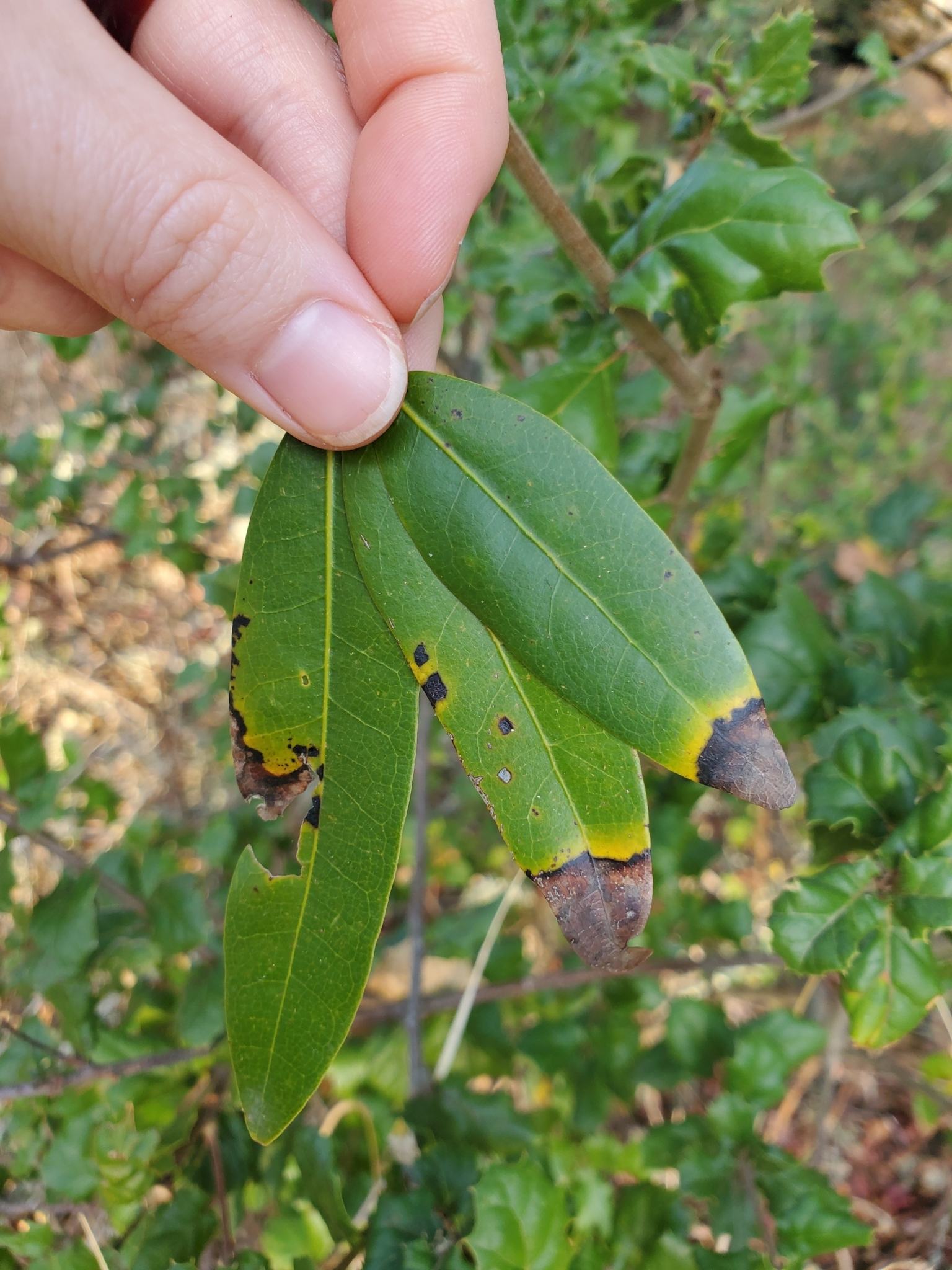
Morphological Features
The fungus is characterized by abundant production of chlamydospores and elongate, ellipsoid, deciduous sporangia with a short pedicel, resembling P. palmivora; however, sporangia are semi-papillate, chlamydospores are much larger, and cardinal temperatures are much lower than those of P. palmivora. Oogonia with amphigynous antheridia and plerotic oospores are produced in dual cultures with an A2 mating type strain of P. cryptogea.
Werres, S., Marwitz, R., Man In't Veld, W. A., De Cock, A. W. A. M., Bonants, P. J. M., De Weerdt, M., Themann, K., Ilieva, E., & Baayen, R. P. (2001). Phytophthora ramorum sp. nov., a new pathogen on Rhododendron and Viburnum. Mycological Research, 105(10), 1155–1165.
Host Plants (165 host plants)
Data sources: EPPO Global Database and relevant literature.
| Scientific Name | Status |
|---|---|
| Abies alba | Host |
| Abies concolor | Host |
| Abies grandis | Host |
| Abies magnifica | Host |
| Abies procera | Host |
| Acer circinatum | Host |
| Acer davidii | Host |
| Acer laevigatum | Host |
| Acer macrophyllum | Host |
| Acer pseudoplatanus | Host |
Quarantine Status (56 records)
Data sources: IPPC website and national quarantine websites; verified by human review.
| Country | Status | Year Added |
|---|---|---|
| Armenia | Absent | — |
| Australia | Quarantine pests | — |
| Austria | Absent | 2021 |
| Belgium | Unknow | 2021 |
| Bulgaria | RNQP ((EU) 2019/2072 Annex IV) | 2021 |
| Belarus | Absent | — |
| Brazil | A1 list | 2018 |
| Canada | Quarantine pests | 2019 |
| Switzerland | A1 list | 2019 |
| Chile | Quarantine pests | 2019 |
Distribution (34 countries)
Data Sources: EPPO Global Database and GBIF.
| Country | Status | State |
|---|---|---|
| Argentina | Present | — |
| Austria | Absent | — |
| Belgium | Present | — |
| Canada | Present | |
| Switzerland | Absent | — |
| Czechia | Absent | — |
| Germany | Present | — |
| Denmark | Present | — |
| Spain | Absent | |
| Estonia | Absent, | — |
Distribution Map (Latitude and longitude coordinates sourced from GBIF.)
Download CSVGenomes (1 records)
Data source: NCBI.
| Assembly Accession | Assembly Level | Genome Size(Mb) | Contig N50(Kb) | Scaffold N50(Kb) | BUSCO% | Downloads | Actions |
|---|---|---|---|---|---|---|---|
| GCA_000149735.1 | Scaffold | 66 | 47 | 308 | - |
|
|
|
ASM14973v1 |
|||||||
Transcriptomes (3 records)
Data source: NCBI.
| Run ID | Tissue | Developmental Stage | Sex | Read Count | Location | Actions |
|---|---|---|---|---|---|---|
| SRR7691077 | - | - | - | 15073706 | USA: California | |
|
PRJNA485340 SRX4550652 SRP157863 general RNA-seq of Phytophthora ramorum on CV8 medium Illumina TruSeq v2 ND886 {'host': 'Camellia sp.', 'strain': 'NA1', 'isolate': 'ND886', 'sample_type': 'axenic culture', 'geo_loc_name': 'USA: California', 'biosamplemodel': 'Microbe, viral or environmental', 'collection_date': '2004', 'isolation_source': 'leaf'} |
||||||
| SRR7691076 | - | - | - | 14133346 | USA: California | |
|
PRJNA485340 SRX4550653 SRP157863 general RNA-seq of Phytophthora ramorum on CV8 medium Illumina TruSeq v2 Pr1556 {'host': 'Umbellularia californica', 'strain': 'NA1', 'isolate': 'Pr1556', 'sample_type': 'axenic culture', 'geo_loc_name': 'USA: California', 'biosamplemodel': 'Microbe, viral or environmental', 'collection_date': '2011', 'isolation_source': 'leaf'} |
||||||
| SRR7851391 | - | - | - | 44157636 | USA:California | |
|
PRJNA434169 SRX4702150 SRP161730 general RNaseq from coast live oak tree whole RNaseq was perfomed on the coastal california CDFA1418886 {'host': 'Camellia x williamsii', 'isolate': 'CDFA1418886', 'env_biome': 'coastal area', 'sample_type': 'tissue sample', 'collected_by': 'Cheryl Blomquist', 'geo_loc_name': 'USA:California', 'identified_by': 'Cheryl Blomquist', 'biosamplemodel': 'Microbe, viral or environmental', 'collection_date': '2004-01', 'isolation_source': 'leaf lesion', 'biomaterial_provider': 'Takao Kasuga'} |
||||||
Literature
Fetching literature from NCBI PubMed...
Failed to fetch literature