Mayetiola destructor
TaxID: 39758
Basic Information
Mayetiola destructor
Hessian Fly, Hessian fly
The Hessian fly (Mayetiola destructor), or barley midge, is a species of fly that is a significant pest of cereal crops, including wheat, barley and rye. Though a native of Asia, upon its discovery it was believed to have been transported into North America in the straw bedding of Hessian troops during the American Revolution (1775 C1783), thus the origin of its common name. However, the report of an inquiry made in 1788 by Sir Joseph Banks states that "no such insect could be found to exist in Germany or any other part of Europe". Nonetheless, it appears that this species, or one exactly like it in habits, had been known for at least a century prior to the American Revolution from a locality near Geneva, and also for a long time from some regions in France. The Hessian fly was described by Thomas Say in 1817. It is a very harmful insect. It mainly attacks the stem, although if it is especially hungry it will eat any part of the plant it can find. In 1836, a severe infestation of Hessian flies resulted in a crop shortage aggravating the financial problems of farmers prior to the Panic of 1837.
from Wikipedia
Taxonomic Information
Metazoa
Arthropoda
Insecta
Diptera
Cecidomyiidae
Mayetiola
destructor
unclassified
Species
nan
k__Metazoa;p__Arthropoda;c__Insecta;o__Diptera;f__Cecidomyiidae;g__Mayetiola;s__Mayetiola destructor
nan
Arthropods
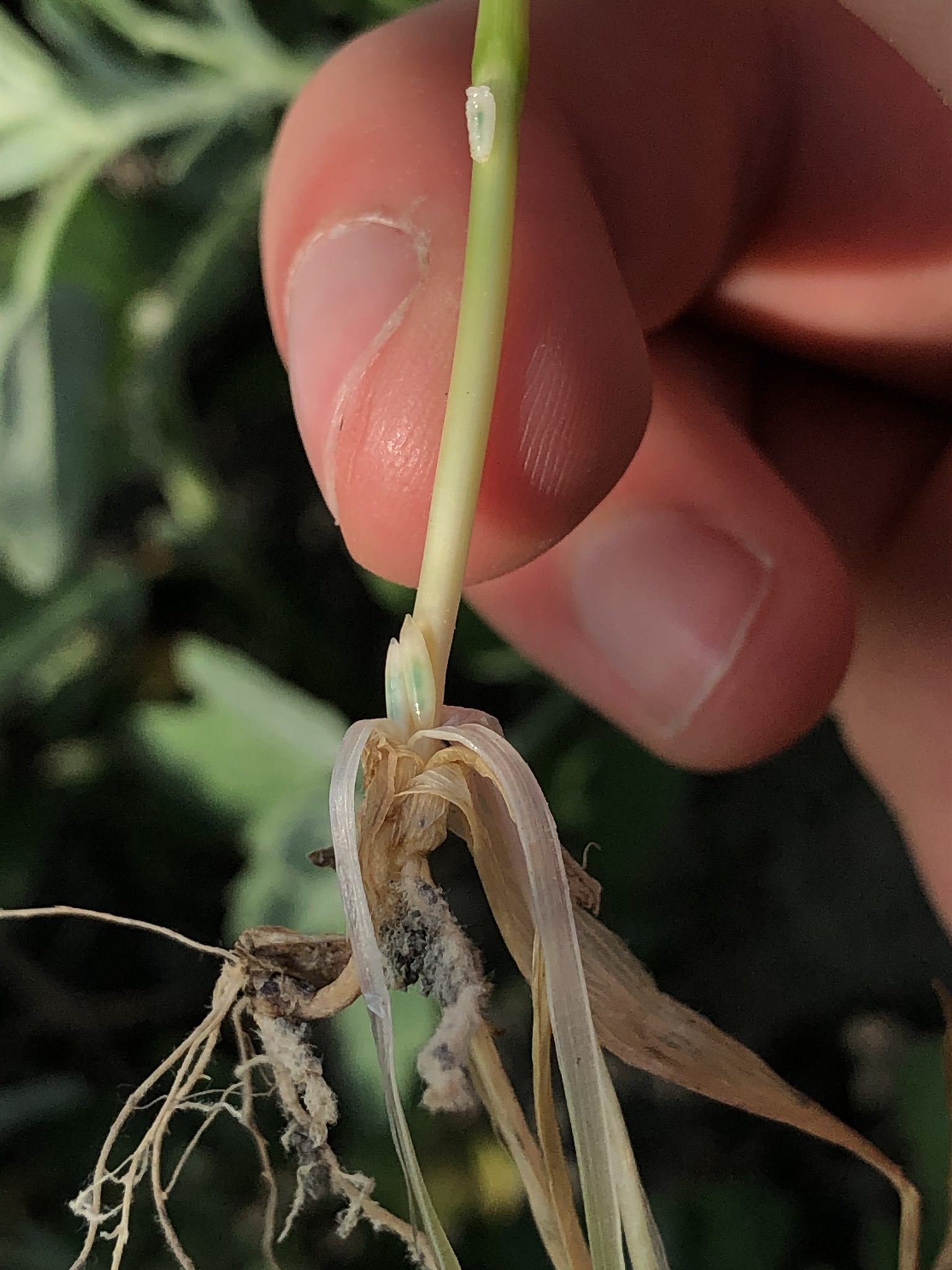
Photos (5 photos)
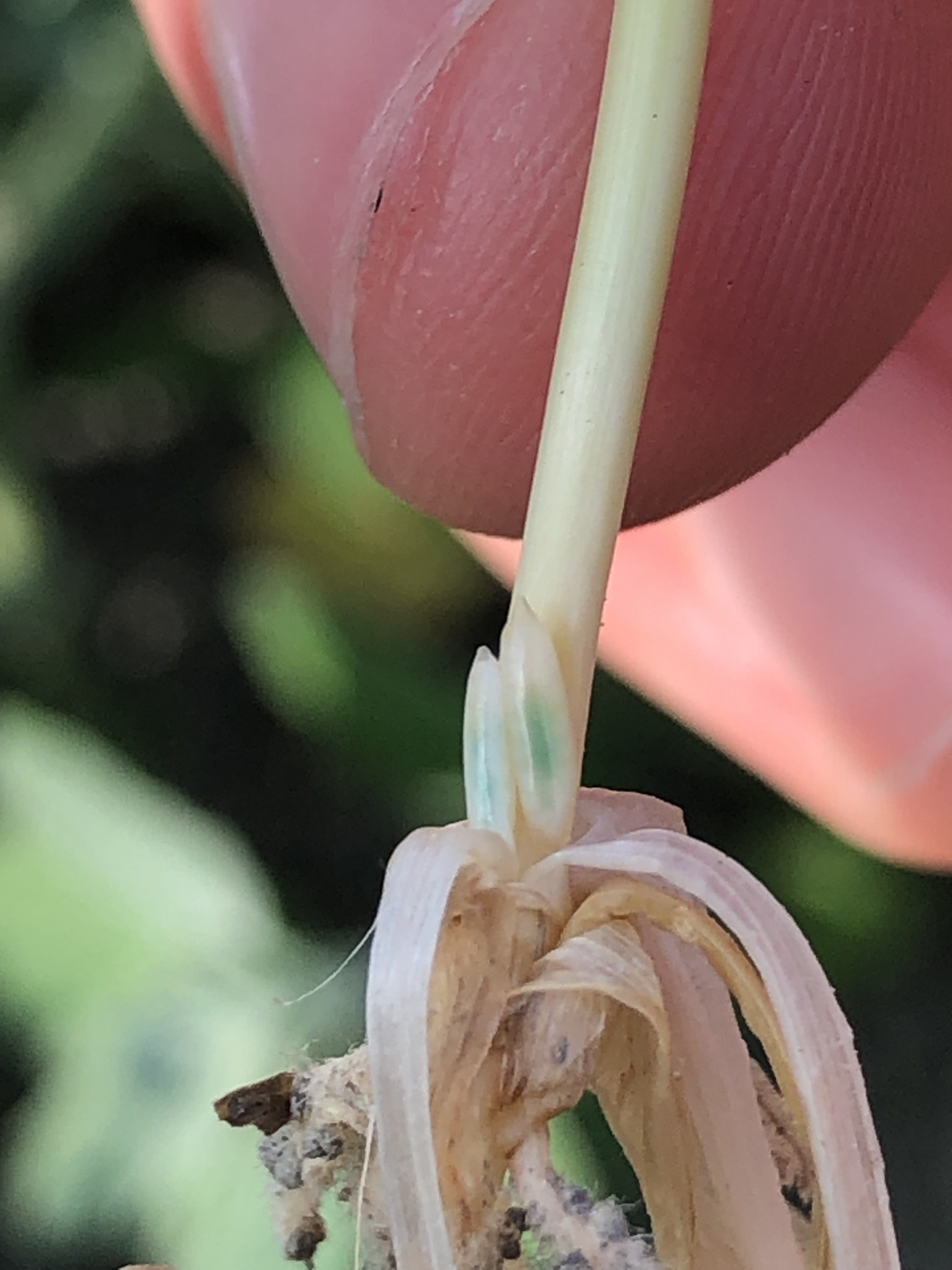
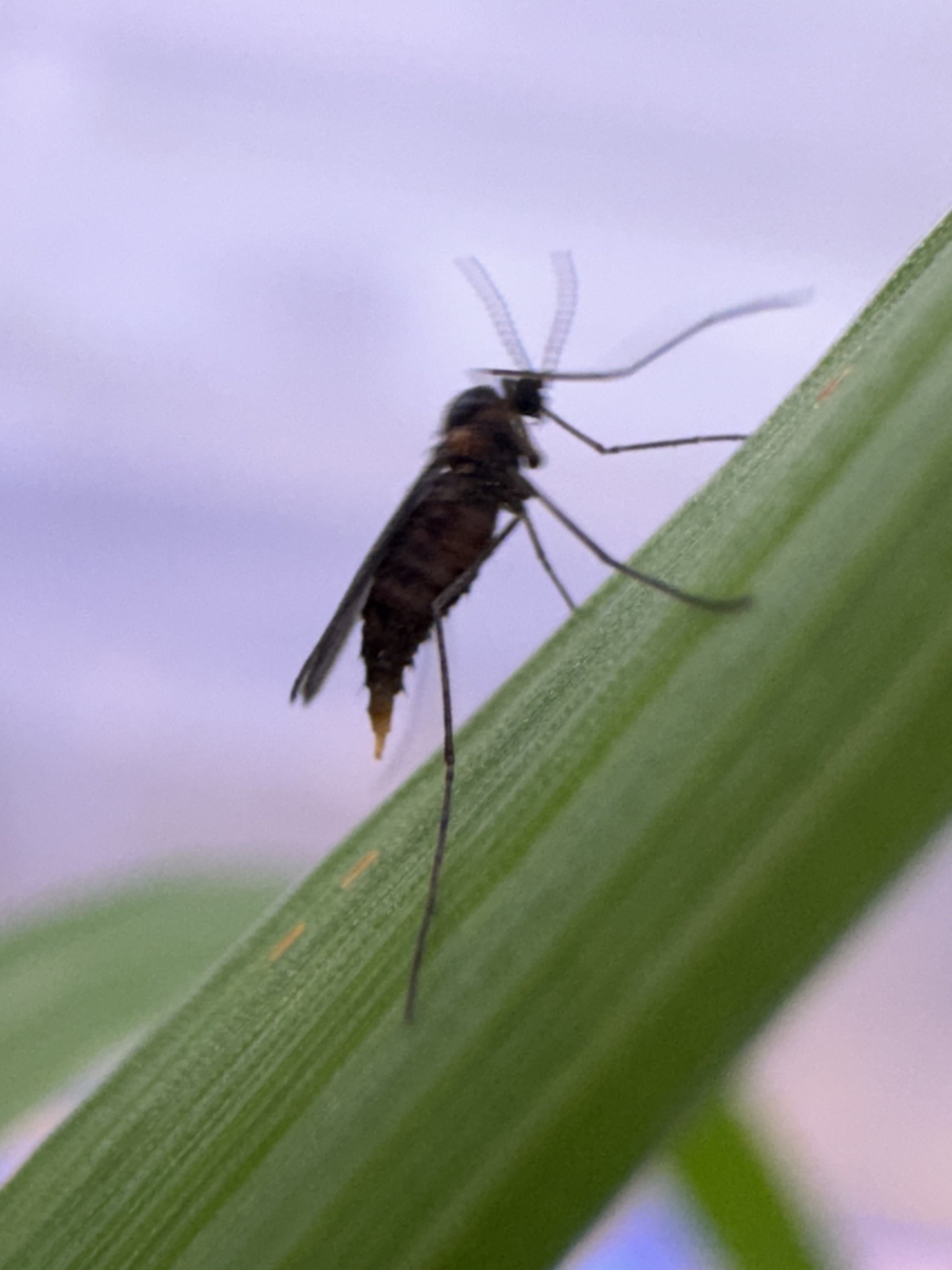
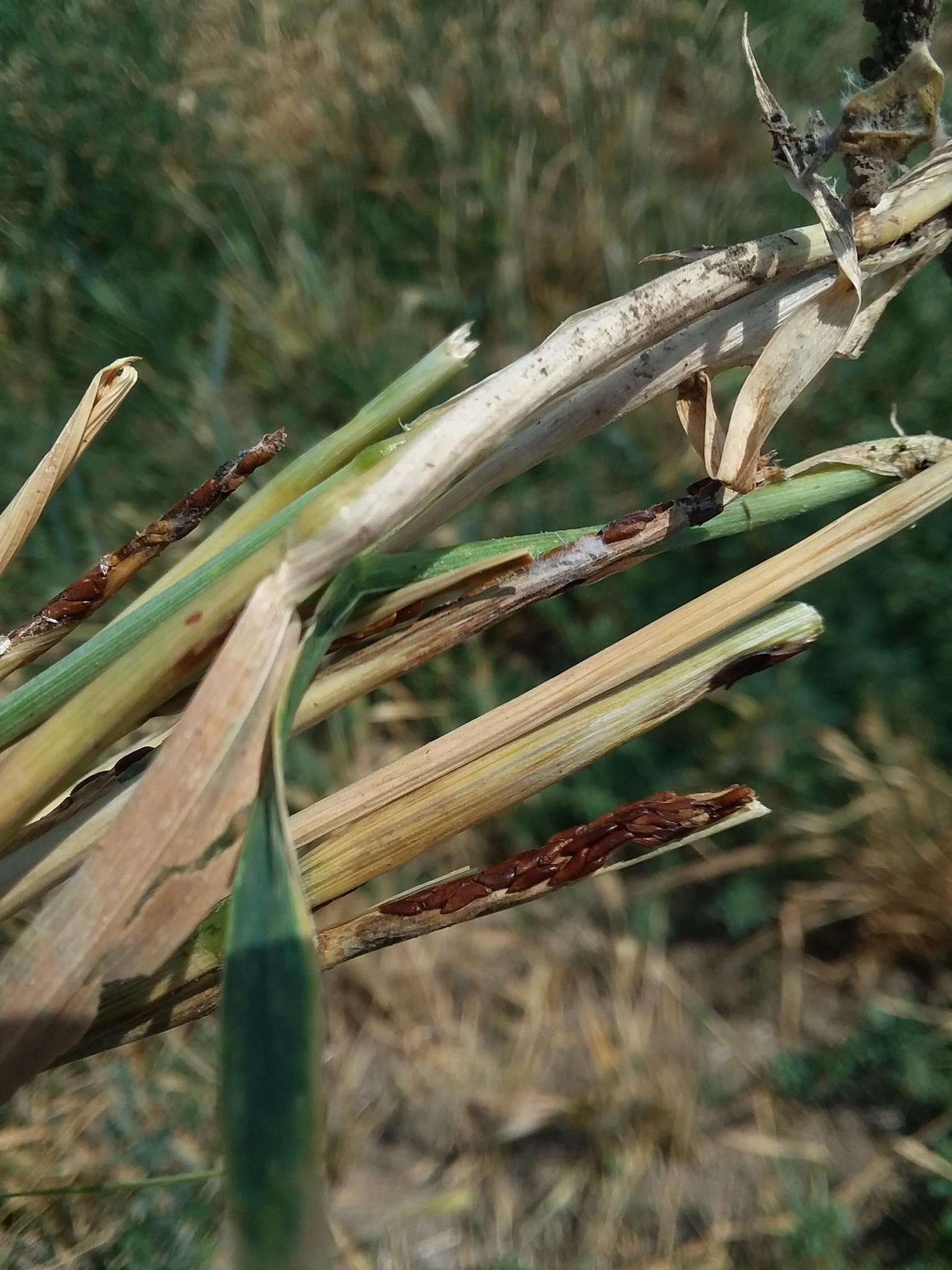
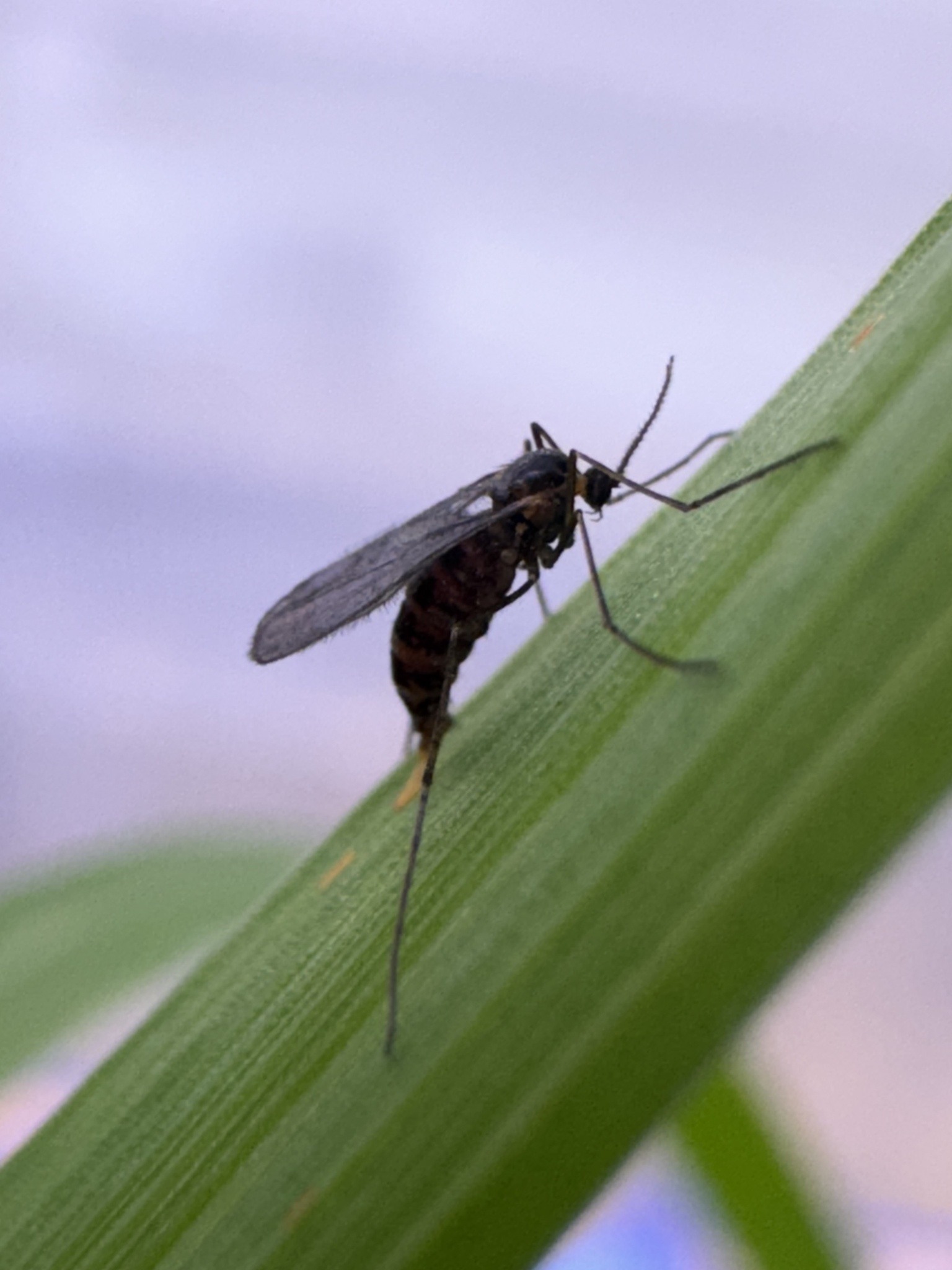
Morphological Features
Eggs are oval, 0.5 mm long, reddish-orange or cream in colour. Second and third instar larvae grow between 1.70 to 4.00 mm and approximately 4.00 to 5.00 mm, respectively. Larvae are brown or black, though the abdomen may be reddish brown owing to the presence of orange eggs developing inside. The cuticle is hard, sclerotized, dark brown, and shaped distinctively.
Plazi taxonomic treatment
Host Plants (4 host plants)
Data sources: EPPO Global Database and relevant literature.
| Scientific Name | Status |
|---|---|
| Hordeum vulgare | Host |
| Poaceae | Host |
| Secale cereale | Host |
| Triticum aestivum | Host |
Quarantine Status (15 records)
Data sources: IPPC website and national quarantine websites; verified by human review.
| Country | Status | Year Added |
|---|---|---|
| Argentina | Absent | 2019 |
| Brazil | Absent | 2018 |
| Canada | Quarantine pests | 2019 |
| Chile | Quarantine pests | 2019 |
| China | Quarantine pests | 2021 |
| Ecuador | Quarantine pests | — |
| Egypt | Abesent | 2018 |
| Greece | Quarantine pests | — |
| Iran | Absent | 2018 |
| Japan | Quarantine pests | — |
Distribution (40 countries)
Data Sources: EPPO Global Database and GBIF.
| Country | Status | State |
|---|---|---|
| Algeria | Present | — |
| Armenia | Present | — |
| Australia | Present | — |
| Austria | Present | — |
| Belgium | Present | — |
| Bulgaria | Present | — |
| Canada | Present | |
| Switzerland | Present | — |
| China | Present | |
| Cyprus | Present | — |
Distribution Map (Latitude and longitude coordinates sourced from GBIF.)
Download CSVGenomes (2 records)
Data source: NCBI.
| Assembly Accession | Assembly Level | Genome Size(Mb) | Contig N50(Kb) | Scaffold N50(Kb) | BUSCO% | Downloads | Actions |
|---|---|---|---|---|---|---|---|
| GCA_001014435.1 | Scaffold | 146 | 5 | 9 | - |
|
|
|
ASM101443v1 |
|||||||
| GCA_000149185.1 | Scaffold | 185 | 14 | 756 | - |
|
|
|
Mdes_1.0 |
|||||||
Transcriptomes (3 records)
Data source: NCBI.
| Run ID | Tissue | Developmental Stage | Sex | Read Count | Location | Actions |
|---|---|---|---|---|---|---|
| SRR3479262 | Whole body | larvae, 24 hrs,rep3 | - | 26591166 | USA: Kansas | |
|
PRJNA320634 SRX1744989 SRP074377 insect Newton24hr_rep3 larvae,24hrs,rep3 Biotype GP {'age': 'larvae', 'host': 'wheat', 'tissue': 'Whole body', 'isolate': 'Biotype GP', 'dev_stage': 'larvae, 24 hrs,rep3', 'collected_by': 'Ming-Shun Chen', 'geo_loc_name': 'USA: Kansas', 'identified_by': 'Ming-Shun Chen', 'biosamplemodel': 'Invertebrate', 'collection_date': '2013-07-03', 'isolation_source': 'Newton', 'host_tissue_sampled': 'Whole body', 'biomaterial_provider': 'USDA-ARS, Hessian fly lab'} |
||||||
| SRR3479263 | Whole body | larvae, 120 hrs,rep1 | - | 37410126 | USA: Kansas | |
|
PRJNA320634 SRX1744990 SRP074377 insect Newton5DIrv_rep1 larvae,120hrs,rep1 Biotype GP {'age': 'larvae', 'host': 'wheat', 'tissue': 'Whole body', 'isolate': 'Biotype GP', 'dev_stage': 'larvae, 120 hrs,rep1', 'collected_by': 'Ming-Shun Chen', 'geo_loc_name': 'USA: Kansas', 'identified_by': 'Ming-Shun Chen', 'biosamplemodel': 'Invertebrate', 'collection_date': '2013-07-03', 'isolation_source': 'Newton', 'host_tissue_sampled': 'Whole body', 'biomaterial_provider': 'USDA-ARS, Hessian fly lab'} |
||||||
| SRR3479264 | Whole body | larvae, 120 hrs,rep2 | - | 36730142 | USA: Kansas | |
|
PRJNA320634 SRX1744991 SRP074377 insect Newton5DIrv_rep2 larvae,120hrs,rep2 Biotype GP {'age': 'larvae', 'host': 'wheat', 'tissue': 'Whole body', 'isolate': 'Biotype GP', 'dev_stage': 'larvae, 120 hrs,rep2', 'collected_by': 'Ming-Shun Chen', 'geo_loc_name': 'USA: Kansas', 'identified_by': 'Ming-Shun Chen', 'biosamplemodel': 'Invertebrate', 'collection_date': '2013-07-03', 'isolation_source': 'Newton', 'host_tissue_sampled': 'Whole body', 'biomaterial_provider': 'USDA-ARS, Hessian fly lab'} |
||||||
Literature
Fetching literature from NCBI PubMed...
Failed to fetch literature