Serratia marcescens
TaxID: 615
Basic Information
Serratia marcescens
Red Bacillus
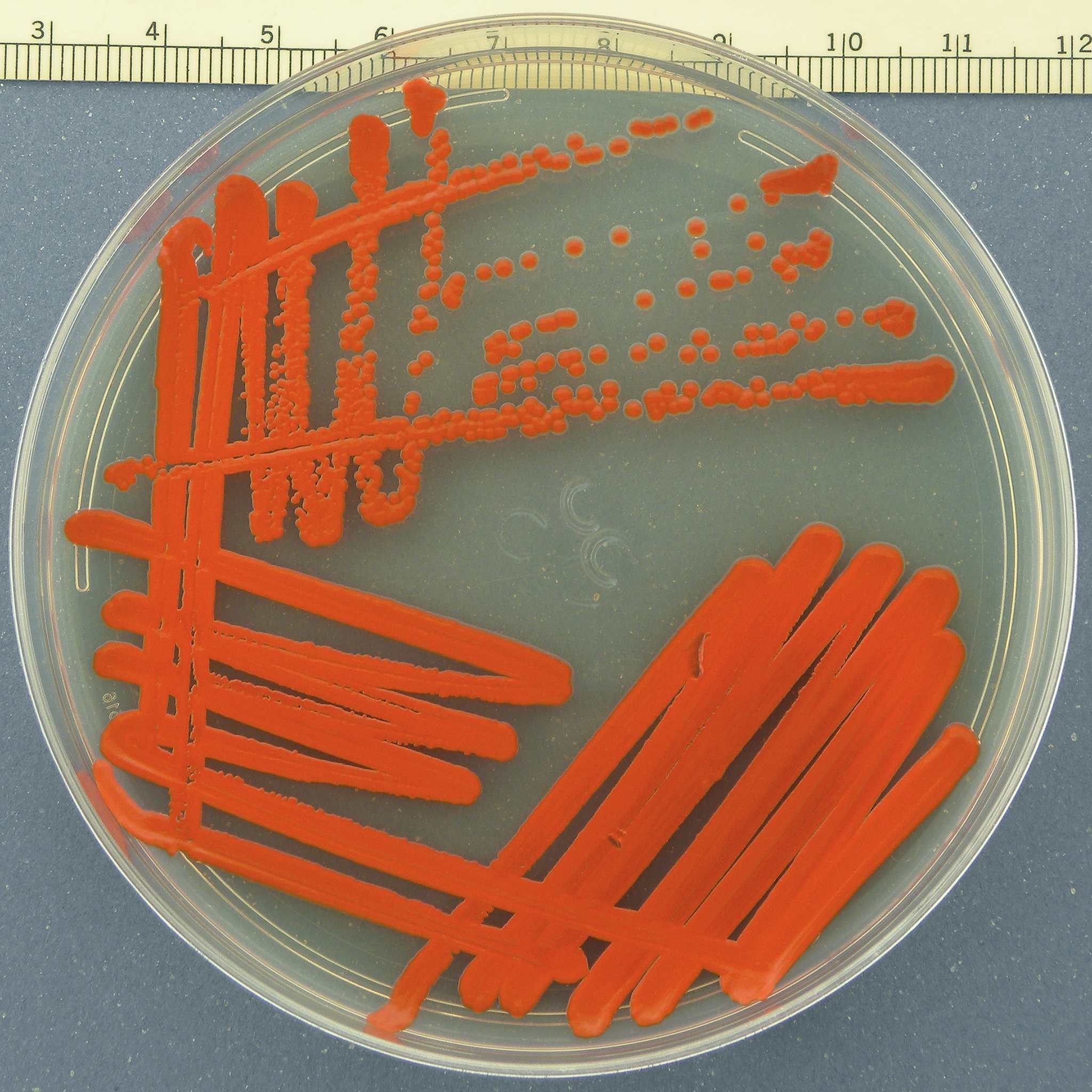
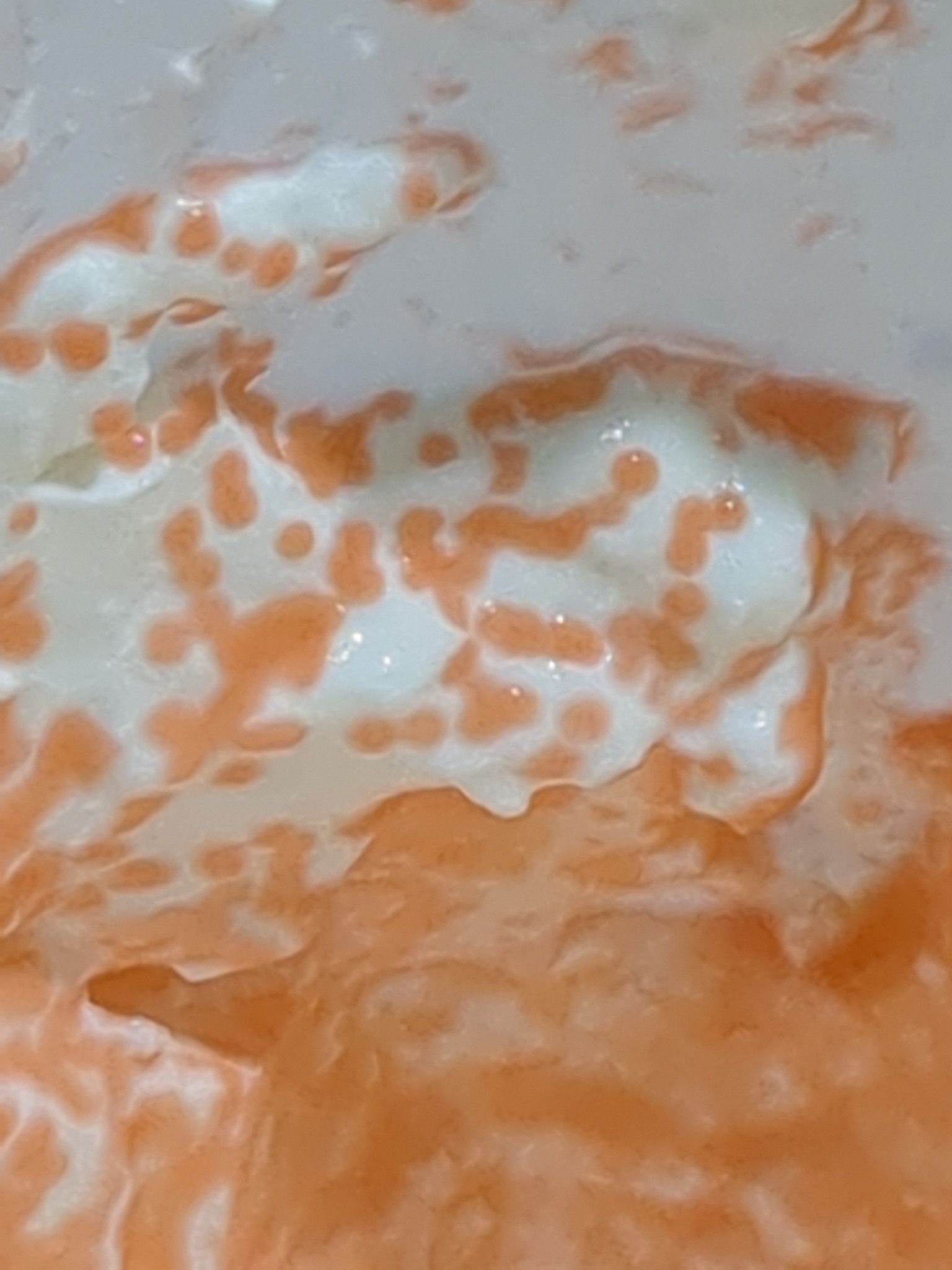
Serratia marcescens () is a species of rod-shaped, Gram-negative bacteria in the family Yersiniaceae. It is a facultative anaerobe and an opportunistic pathogen in humans. It was discovered in 1819 by Bartolomeo Bizio in Padua, Italy. S. marcescens is commonly involved in hospital-acquired infections (HAIs), also called nosocomial infections, particularly catheter-associated bacteremia, urinary tract infections, and wound infections, and is responsible for 1.4% of HAI cases in the United States. It is commonly found in the respiratory and urinary tracts of hospitalized adults and in the gastrointestinal systems of children. S. marcescens is a major cause of contact lens associated keratitis. Due to its abundant presence in the environment, and its preference for damp conditions, S. marcescens is commonly found growing in bathrooms (especially on tile grout, shower corners, toilet water lines, and basins), where it manifests as a pink, pink-orange, or orange discoloration and slimy film feeding off phosphorus-containing materials or fatty substances such as soap and shampoo residue. Once established, complete eradication of the organism is often difficult, but can be accomplished by application of a bleach-based disinfectant. Rinsing and drying surfaces after use can also prevent the establishment of the bacterium by removing its food source and making the environment less hospitable. S. marcescens may also be found in environments such as dirt and the subgingival biofilm of teeth. Due to this, and because S. marcescens produces a reddish-orange tripyrrole dye called prodigiosin, it may cause tooth discoloration. The biochemical pathway for the production of prodigiosin by S. marcescens has been characterized by analyzing what intermediates become accumulated in specific mutants.
from Wikipedia
Taxonomic Information
Bacteria
Pseudomonadota
Gammaproteobacteria
Enterobacterales
Yersiniaceae
Serratia
marcescens
-
Species
k__Bacteria;p__Pseudomonadota;c__Gammaproteobacteria;o__Enterobacterales;f__Yersiniaceae;g__Serratia;s__Serratia marcescens
Prokaryotes
Photos (5 photos)


Morphological Features
No morphological description available.
Host Plants (14 host plants)
Data sources: EPPO Global Database and relevant literature.
| Scientific Name | Status |
|---|---|
| Allium cepa | Host |
| Cannabis sativa | Host |
| Capsicum annuum | Host |
| Citrullus lanatus | Host |
| Citrus sinensis | Host |
| Cucumis melo | Host |
| Cucurbita maxima | Host |
| Cucurbita pepo | Host |
| Helianthus annuus | Host |
| Nelumbo nucifera | Host |
Quarantine Status (0 records)
Data sources: IPPC website and national quarantine websites; verified by human review.
No quarantine status records available.
Distribution (42 countries)
Data Sources: EPPO Global Database and GBIF.
| Country | Status | State |
|---|---|---|
| Australia | Present | — |
| Bangladesh | Present | — |
| Brazil | Present | — |
| Canada | Present | — |
| China | Present | — |
| Colombia | Present | — |
| Costa Rica | Present | — |
| Germany | Present | — |
| Ecuador | Present | — |
| Spain | Present | — |
Distribution Map (Latitude and longitude coordinates sourced from GBIF.)
Download CSVGenomes (0 records)
Data source: NCBI.
No genome records available.
Transcriptomes (0 records)
Data source: NCBI.
No transcriptome records available.
Literature
Fetching literature from NCBI PubMed...
Failed to fetch literature