Portanus
TaxID: 139703
Basic Information
Portanus
Leafhopper
nan
from Wikipedia
Taxonomic Information
Eukaryota
Arthropoda
Insecta
Hemiptera
Cicadellidae
Portanus
nan
nan
Genus
nan
k__Eukaryota;p__Arthropoda;c__Insecta;o__Hemiptera;f__Cicadellidae;g__Portanus;s__unclassified
nan
Arthropods
Photos (5 photos)
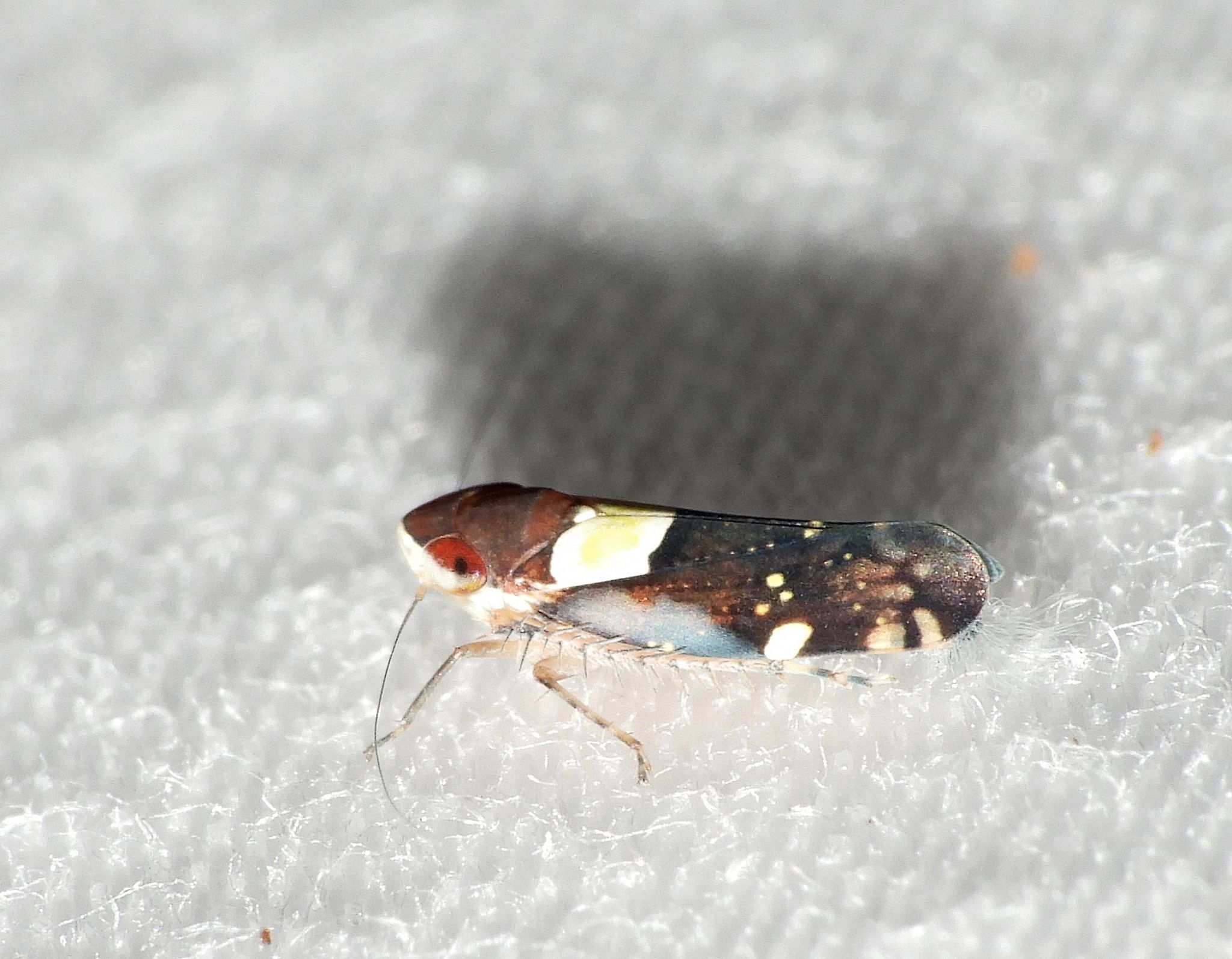
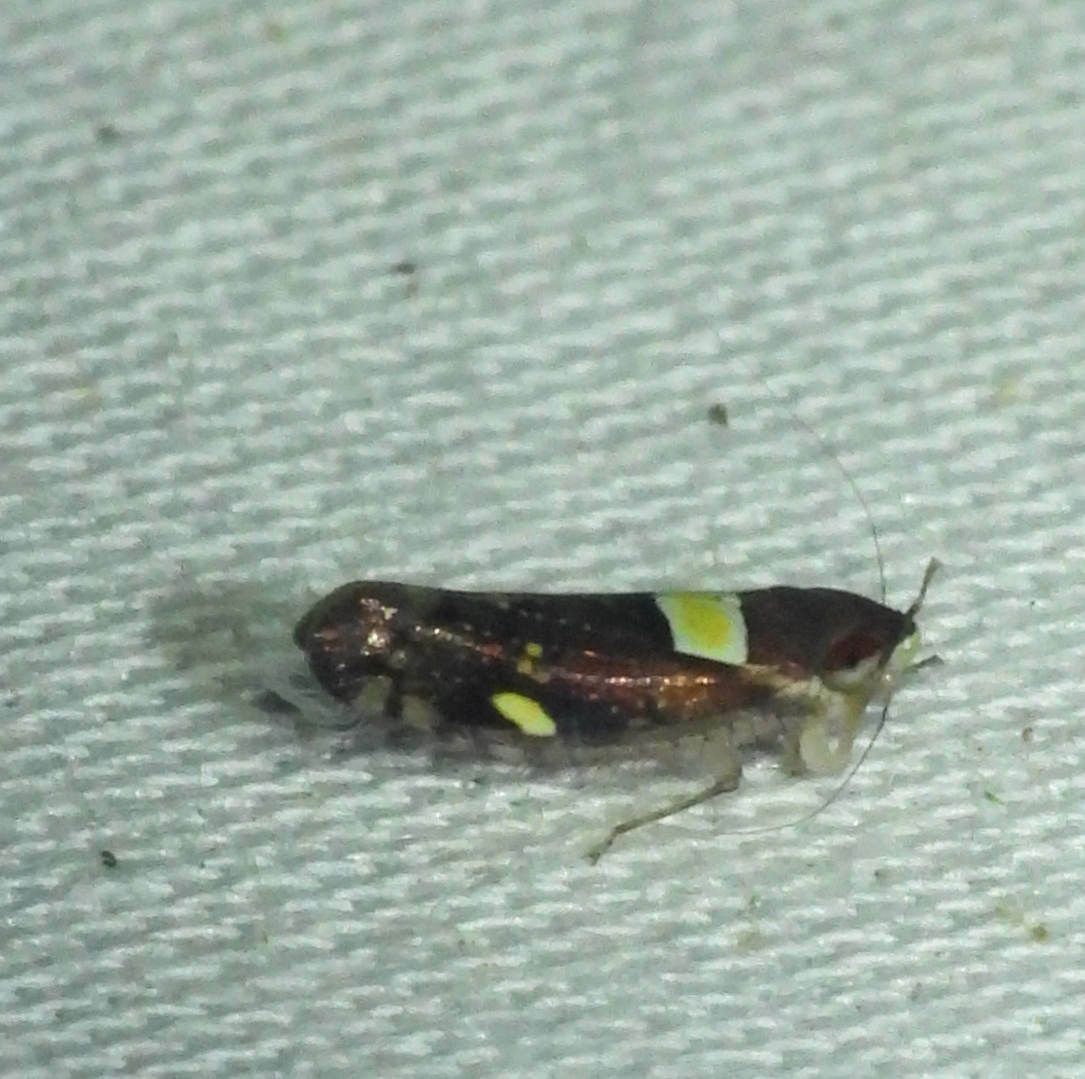
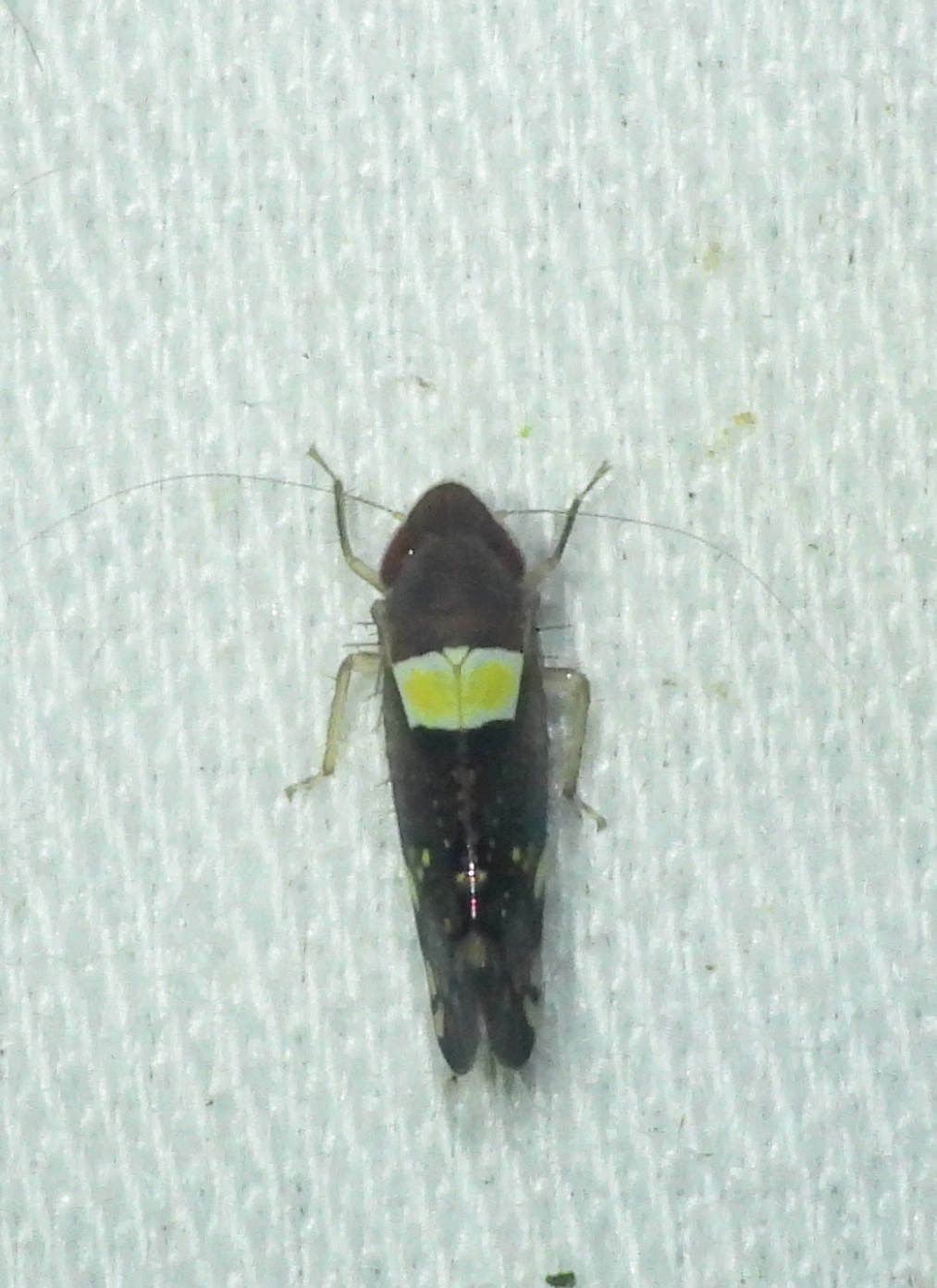
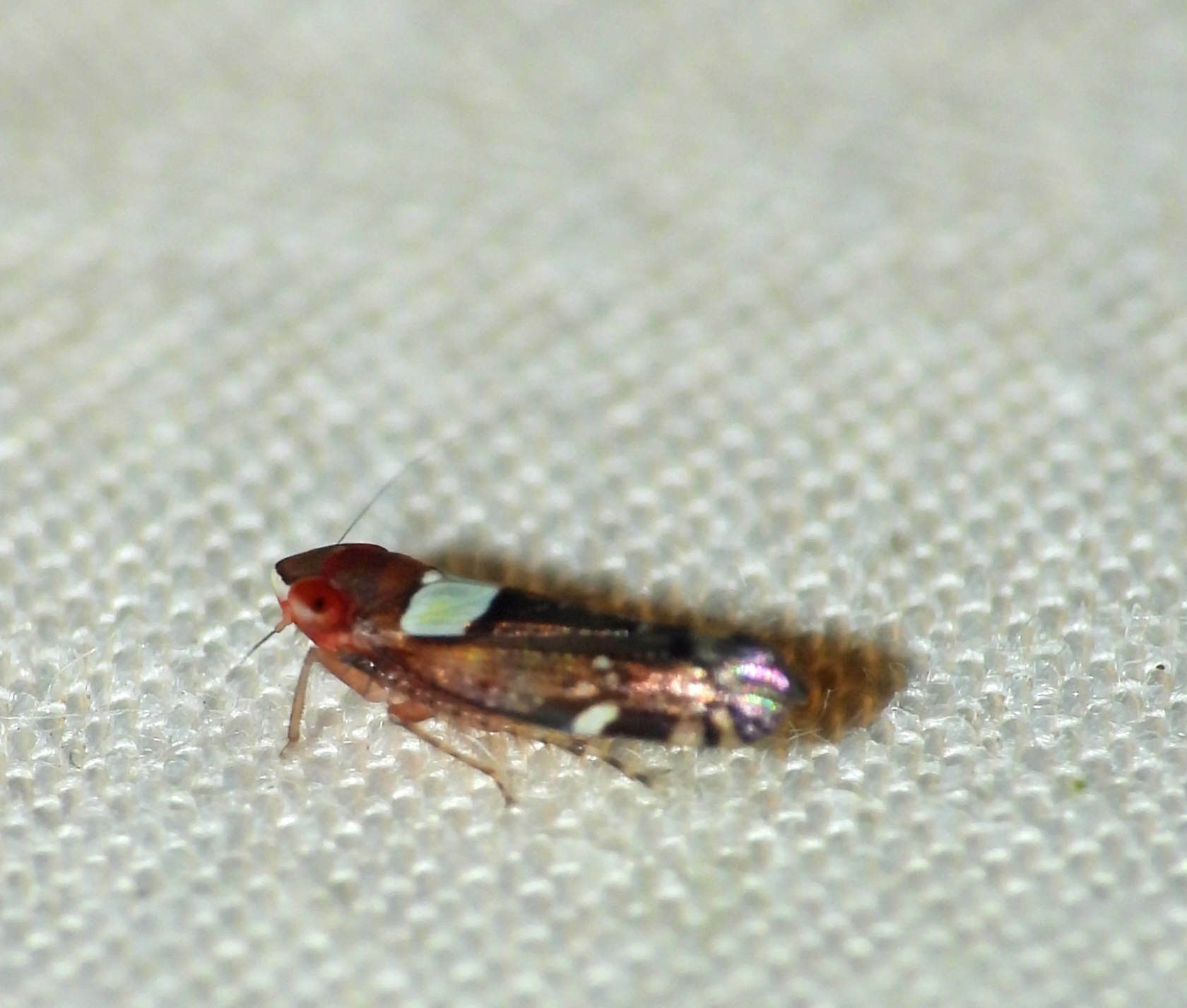
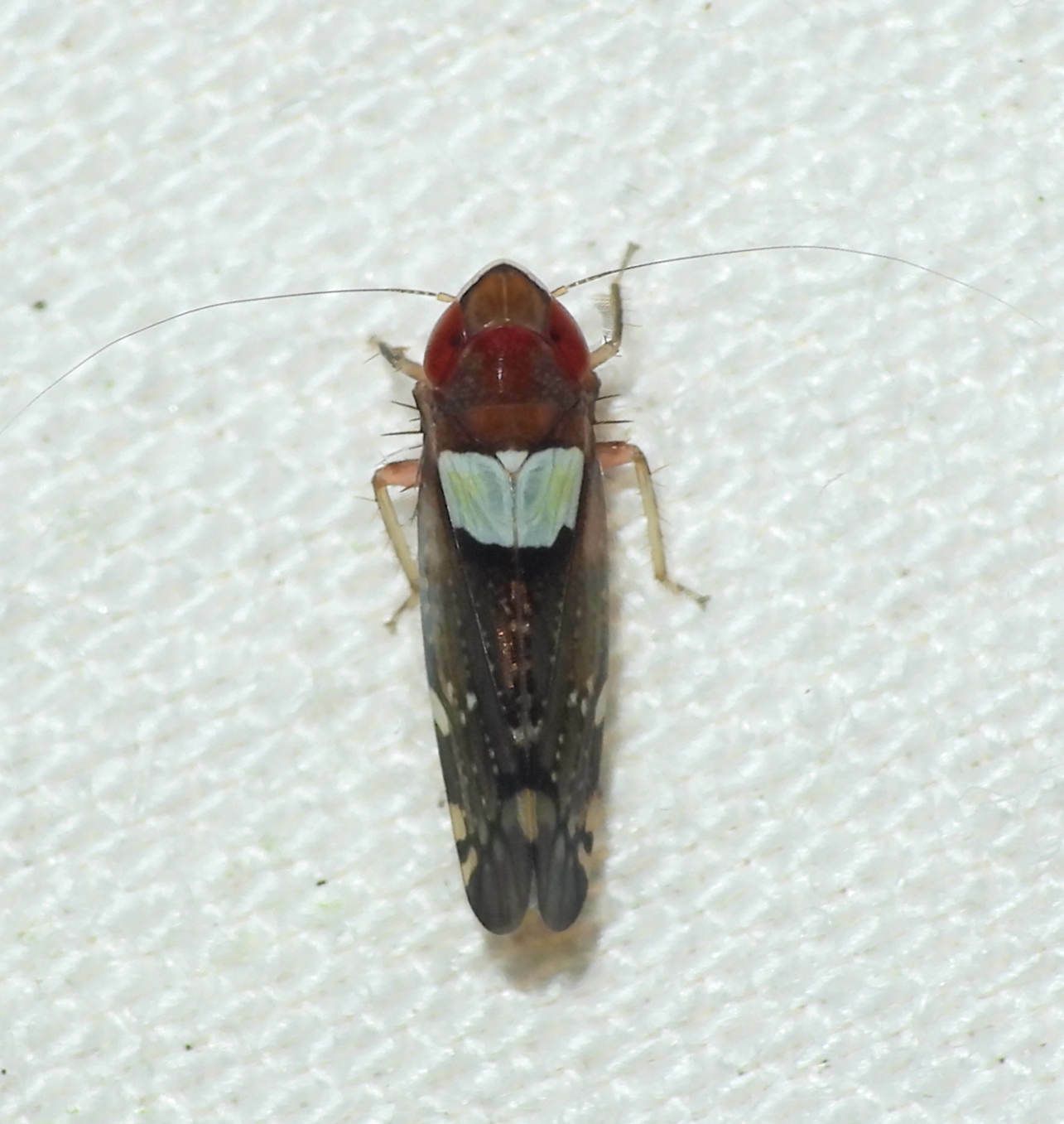
Morphological Features
Body length 4.5–5.5 mm. Crown median length subequal to interocular width and approximately half of transocular width; anterior margin angulate in dorsal view. Crown almost uniformly brown. Pronotum with numerous small pale spots. Mesonotum pale brown with a pair of large anterolateral triangular dark brown maculae. Forewing veins marked with brown and white; costal area with at least one large white macula on median portion; apical cells almost entirely brown. Metatibia row AD with 9–11 long cucullate setae intercalated by 1–3 shorter setae; row PD with 9–10 very long cucullate setae intercalated by 0–2 smaller long cucullate setae. Hind leg first tarsomere slightly longer than combined length of second and third tarsomeres. Aedeagus curved at base, apex with pair of elongate processes.
Plazi taxonomic treatment
Host Plants (0 host plants)
Data sources: EPPO Global Database and relevant literature.
No host plants available.
Quarantine Status (1 records)
Data sources: IPPC website and national quarantine websites; verified by human review.
| Country | Status | Year Added |
|---|---|---|
| United States of America | Quarantine pests | — |
Distribution (0 countries)
Data Sources: EPPO Global Database and GBIF.
No distribution records available.
Genomes (0 records)
Data source: NCBI.
No genome records available.
Transcriptomes (1 records)
Data source: NCBI.
| Run ID | Tissue | Developmental Stage | Sex | Read Count | Location | Actions |
|---|---|---|---|---|---|---|
| SRR16560712 | whole insect without the abdominal genital part | - | - | 22776411 | Brazil: Rio de Janeiro | |
|
PRJNA715047 SRX12762816 SRP342974 insect RNA-seq of Portanus restingalis After the total RNA extraction and DNase I treatment, magnetic beads with Oligo (dT ) are used to isolate mRNA. Mixed with the fragmentation buffer, the mRNA is fragmented into short fragments. Then cDNA is synthesized using the mRNA fragments as templates. Short fragments are purified and repaired at the end, added single nucleotide A (adenine) and connected with adapters. The suitable fragments are selected for the PCR amplification as templates. After the construction of the library, Qubit2.0 and Agilent 2100 are used to detect the concentration and insert size of the library, and Q-PCR method is used to quantify the effective concentration of the library to ensure the quality of the library. At last, the library is sequenced using Illumina NovaSeq 6000. {'breed': 'wildtype', 'tissue': 'whole insect without the abdominal genital part', 'collected_by': 'Chris Dietrich', 'geo_loc_name': 'Brazil: Rio de Janeiro', 'identified_by': 'Chris Dietrich', 'biosamplemodel': 'Invertebrate', 'collection_date': '2019-04-19', 'isolation_source': 'wild-caught'} |
||||||
Literature
Fetching literature from NCBI PubMed...
Failed to fetch literature