Microdochium nivale
TaxID: 5520
Basic Information
Microdochium nivale
Foot Rot of Cereals, snömögel
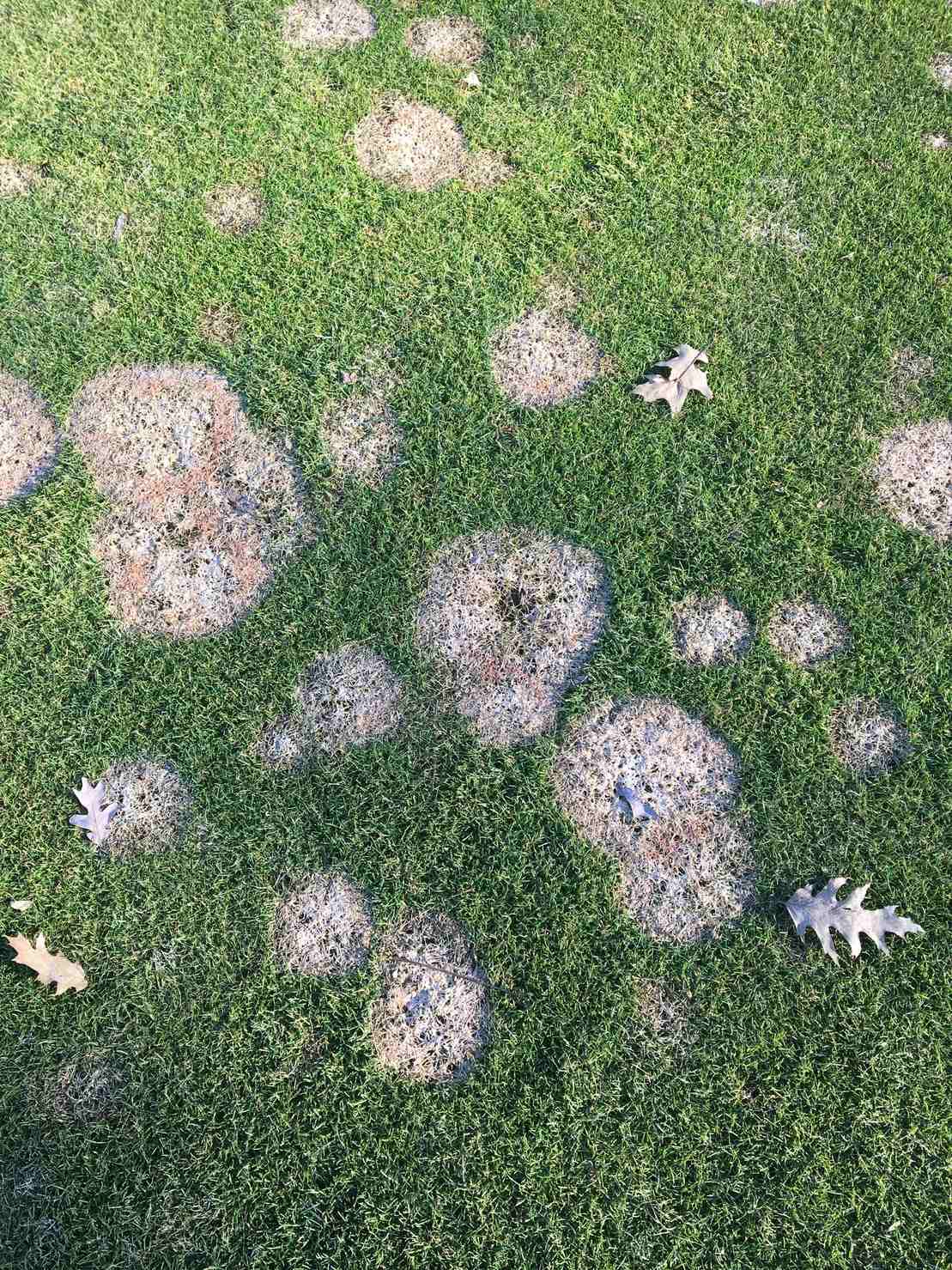
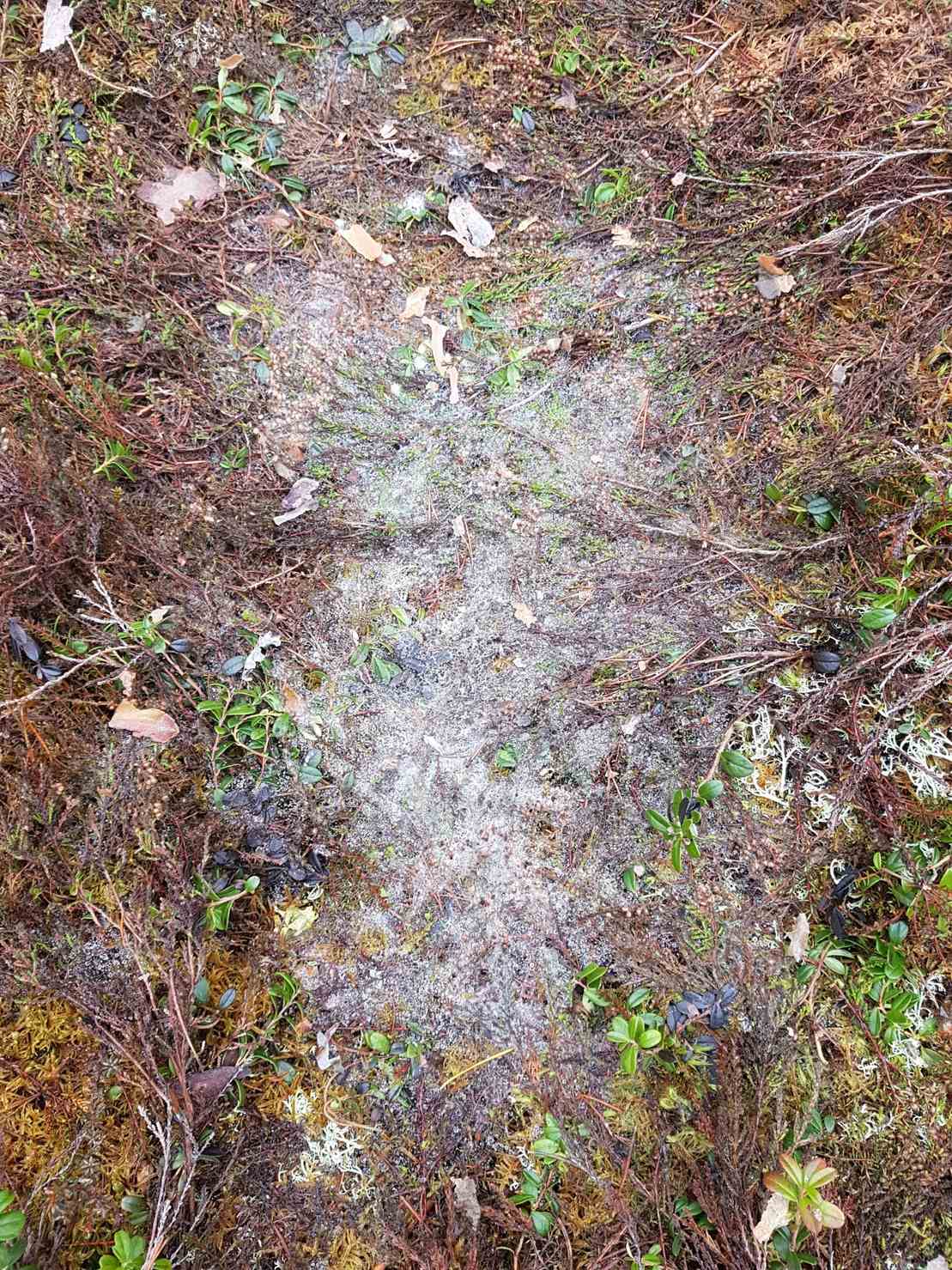
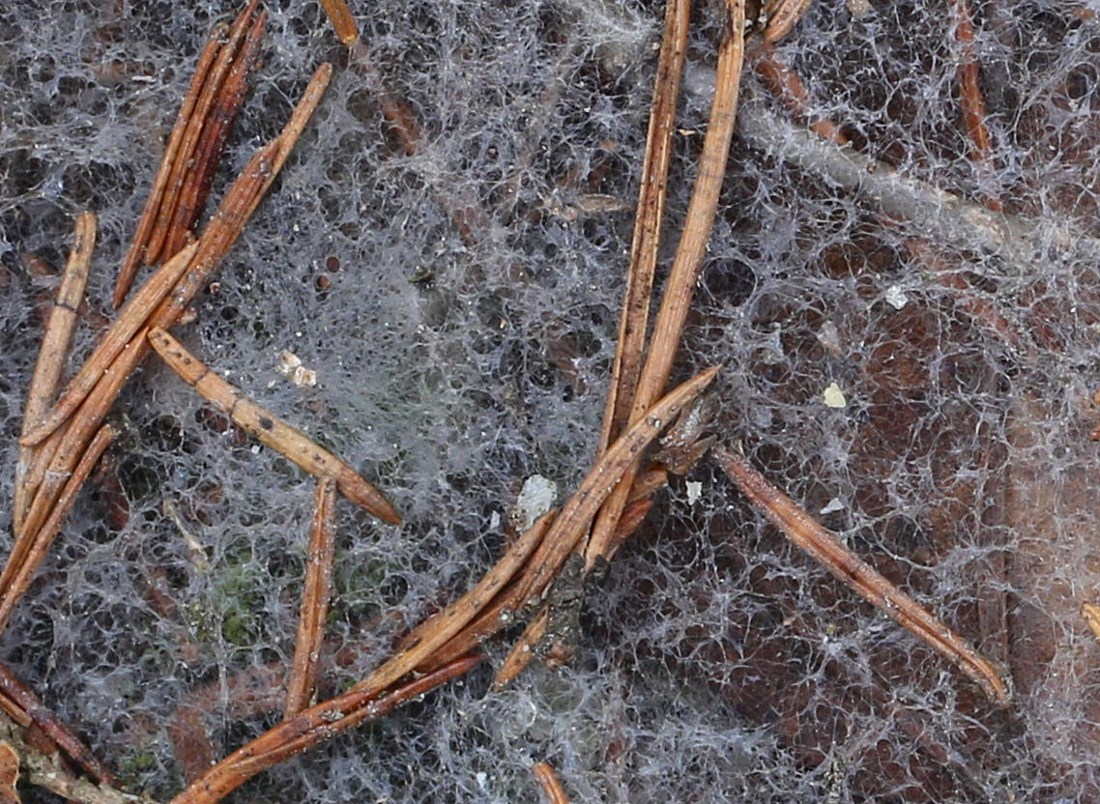
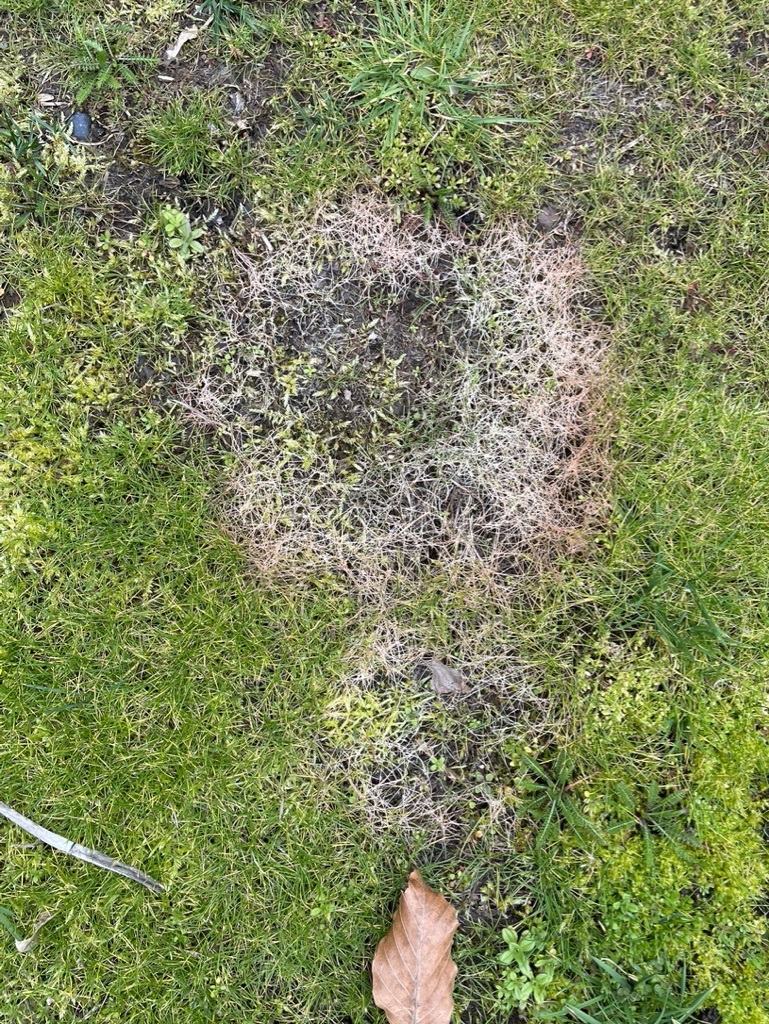
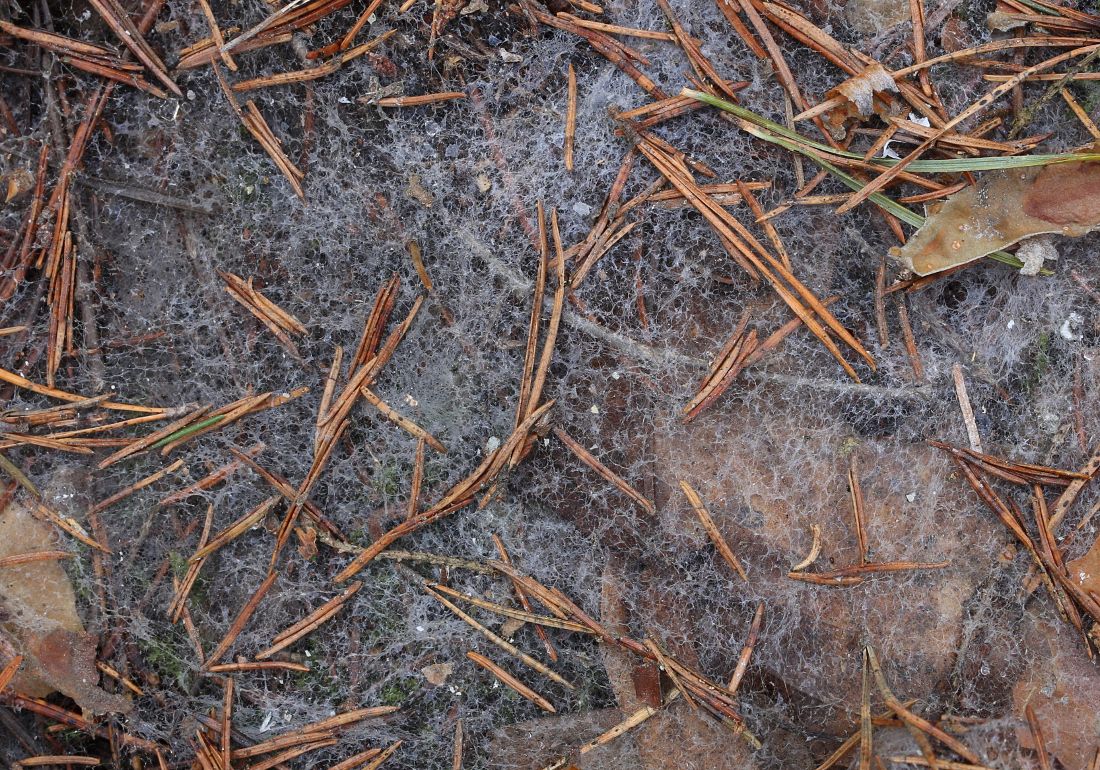
Fusarium patch is a disease in turf grass settings also called pink snow mold or Microdochium patch. In many cool season grass species in North America, it is caused by the fungus Microdochium nivale. The white-pink mycelium on infected leaf blades is a distinguishing characteristic of the Microdochium nivale pathogen. Fusarium patch is considered economically important in the turf grass industry because of its tendency to cause significant injury to golf greens, thereby decreasing putting surface quality. Unlike other snow molds, such as gray snow mold, Microdochium nivale does not need snow cover to cause widespread infection.
from Wikipedia
Taxonomic Information
Eukaryota
Ascomycota
Sordariomycetes
Xylariales
Microdochiaceae
Microdochium
nivale
Undefined
Species
nan
d__Eukaryota;p__Ascomycota;c__Sordariomycetes;o__Xylariales;f__Microdochiaceae;g__Microdochium;s__Microdochium nivale
nan
Fungal organisms
Photos (5 photos)
Morphological Features
No morphological description available.
Host Plants (0 host plants)
Data sources: EPPO Global Database and relevant literature.
No host plants available.
Quarantine Status (1 records)
Data sources: IPPC website and national quarantine websites; verified by human review.
| Country | Status | Year Added |
|---|---|---|
| Sudan | Quarantine pests | — |
Distribution (30 countries)
Data Sources: EPPO Global Database and GBIF.
| Country | Status | State |
|---|---|---|
| Australia | Present | — |
| Austria | Present | — |
| Belgium | Present | — |
| Canada | Present | — |
| Switzerland | Present | — |
| Colombia | Present | — |
| Czechia | Present | — |
| Germany | Present | — |
| Denmark | Present | — |
| Spain | Present | — |
Distribution Map (Latitude and longitude coordinates sourced from GBIF.)
Download CSVGenomes (1 records)
Data source: NCBI.
| Assembly Accession | Assembly Level | Genome Size(Mb) | Contig N50(Kb) | Scaffold N50(Kb) | BUSCO% | Downloads | Actions |
|---|---|---|---|---|---|---|---|
| GCA_026745475.1 | Contig | 37 | 3479 | 3479 | - |
|
|
|
ASM2674547v1 |
|||||||
Transcriptomes (3 records)
Data source: NCBI.
| Run ID | Tissue | Developmental Stage | Sex | Read Count | Location | Actions |
|---|---|---|---|---|---|---|
| SRR21231518 | - | - | - | 20548174 | Russia: fields of Tatar Research Institute of Agriculture, Tatarstan | |
|
PRJNA808256 SRX17241628 SRP392084 fungi RNA-Seq of M. nivale F00608 cultivated submerged in the synthetic medium A highly virulent strain, Microdochium nivale F00608 from the collection of the Laboratory of Plant Infectious Diseases of the Kazan Institute of biochemistry and Biophysics Subdivision of the Federal Research Center Kazan Scientific Center of Russian Academy of Sciences, was used in this study. To assess the effect of the host plant (rye) extract on the transcriptomic profile of M. nivale and its extracellular enzymatic activities, the fungal strain was cultured in LSM for 10 days. Then, 1/10 (v/v) of distilled water or 1/10 (v/v) of water extract of rye leaves was added to the fungal cultures. Cultural supernatants were collected for measuring enzymatic activities, and fungal mycelium was collected for RNA isolation in five biological replicates prior to and 12, 24, 48, and 96 h after the addition of rye extract (or water) to fungal cultures. To obtain the rye extract, 100 g of fresh rye leaves (grown in vermiculite under a 16/8 light/dark period for 14 days) were thoroughly ground in three volumes (w/v) of distilled water, and the obtained suspension was filtered through gauze. The remaining debris was ground in two volumes of water and filtered. Two portions of the obtained filtrates were combined and centrifuged (10,000 g, room temperature, 10 min). The supernatants were collected, incubated for 10 min at 80 C, and centrifuged again. Then the extracts were sterilized through nitrocellulose filters with pores of 0.22 m in diameter (Corning Inc., Corning, NY, USA) under sterile conditions and kept frozen (20C) until use. For RNA-Seq analysis, total RNA was extracted from M. nivale mycelium grown for 10 days submerged in LSM and then sustained in the presence or absence of rye extract for 24 h (for the comparative transcriptome analysis and for the identification of protein-encoding M. nivale genes). Residual DNA was eliminated using a DNA-free kit (Life Technologies, Carlsbad, CA, USA). RNA quantity and quality (RNA Quality Number, RQN >7) were analyzed using an Implen photometer (Implen, Germany) and a Qsep100 DNA Analyzer (Bioptic, New Taipei City, Taiwan), respectively. For RNA-Seq, total RNA (1 g) was enriched with mRNA using the NEBNext Poly(A) mRNA Magnetic Isolation Module (New England Biolabs, USA). Then, mRNA was processed using the NEBNext Ultra II Directional RNA Library Prep Kit for Illumina (New England Biolabs, USA) according to the manufacturers instructions. The quality and quantity of the cDNA libraries before sequencing 196 were monitored using an Agilent 2100 Bioanalyzer (Agilent Technologies, USA) and a CFX96 Touch Real-Time PCR Detection System (Bio-Rad, Hercules, 197 CA, USA), respectively. For the quantification of the cDNA libraries, the EVA Green I PCR-Kit (Synthol, Moscow, Russia) and primers for Illumina adapters (Evrogen, Moscow, Russia) were used; PhiX Control (Illumina, USA) was used as a concentration standard. Libraries were sequenced in three biological replicates. Sequencing was conducted on an Illumina HiSeq 2500 (Illumina, USA) at the Joint KFURiken Laboratory, Kazan Federal University (Kazan, Russia). F00608 {'host': 'Secale cereale', 'strain': 'F00608', 'lat_lon': '55.6365 N 49.3159 E', 'env_medium': 'shoot system [PO:0009006]', 'geo_loc_name': 'Russia: fields of Tatar Research Institute of Agriculture, Tatarstan', 'biosamplemodel': 'MIGS/MIMS/MIMARKS.plant-associated', 'collection_date': '2019-05-06', 'env_broad_scale': 'temperate biome[ENVO:01001831]', 'env_local_scale': 'agricultural field [ENVO:00000114]', 'isol_growth_condt': 'https://www.ncbi.nlm.nih.gov/pmc/articles/PMC7761817/'} |
||||||
| SRR21231517 | - | - | - | 23977228 | Russia: fields of Tatar Research Institute of Agriculture, Tatarstan | |
|
PRJNA808256 SRX17241629 SRP392084 fungi RNA-Seq of M. nivale F00608 cultivated in the synthetic medium and supplemented with the plant extract For RNA-Seq analysis, total RNA was extracted from M. nivale mycelium grown for 10 days submerged in LSM and then sustained in the presence or absence of rye extract for 24 h (for the comparative transcriptome analysis and for the identification of protein-encoding M. nivale genes), as well as from axenically grown rye plants (cultivar Ogonek) infected with M. nivale 20 days post infection (Gorshkov et al. 2020) (for the identification of the protein-encoding M. nivale genes). Fungal mycelium or plant material was ground in liquid nitrogen. Total RNA was F00608 {'host': 'Secale cereale', 'strain': 'F00608', 'lat_lon': '55.6365 N 49.3159 E', 'env_medium': 'shoot system [PO:0009006]', 'geo_loc_name': 'Russia: fields of Tatar Research Institute of Agriculture, Tatarstan', 'biosamplemodel': 'MIGS/MIMS/MIMARKS.plant-associated', 'collection_date': '2019-05-06', 'env_broad_scale': 'temperate biome[ENVO:01001831]', 'env_local_scale': 'agricultural field [ENVO:00000114]', 'isol_growth_condt': 'https://www.ncbi.nlm.nih.gov/pmc/articles/PMC7761817/'} |
||||||
| SRR21231516 | - | - | - | 43584768 | Russia: fields of Tatar Research Institute of Agriculture, Tatarstan | |
|
PRJNA808256 SRX17241630 SRP392084 fungi RNA-Seq of rye plants infected with M. nivale F00608 (bulk) For RNA-Seq analysis, total RNA was extracted from M. nivale mycelium grown for 10 days submerged in LSM and then sustained in the presence or absence of rye extract for 24 h (for the comparative transcriptome analysis and for the identification of protein-encoding M. nivale genes), as well as from axenically grown rye plants (cultivar Ogonek) infected with M. nivale 20 days post infection (Gorshkov et al. 2020) (for the identification of the protein-encoding M. nivale genes). Fungal mycelium or plant material was ground in liquid nitrogen. Total RNA was extracted using the ExtractRNA Reagent (Evrogen, Moscow, Russia) according to the manufacturers instructions. Residual DNA was eliminated using a DNA-free kit (Life Technologies, Carlsbad, CA, USA). RNA quantity and quality (RNA Quality Number, RQN >7) were analyzed using an Implen nanophotometer (Implen, Germany) and a Qsep100 DNA Analyzer (Bioptic, New Taipei City, Taiwan), respectively. For RNA-Seq, total RNA (1 g) was enriched with mRNA using the NEBNext Poly(A) mRNA Magnetic Isolation Module (New England Biolabs, USA). Then, mRNA was processed using the NEBNext Ultra II Directional RNA Library Prep Kit for Illumina (New England Biolabs, USA) according to the manufacturers instructions. The quality and quantity of the cDNA libraries before sequencing 196 were monitored using an Agilent 2100 Bioanalyzer (Agilent Technologies, USA) and a CFX96 Touch Real-Time PCR Detection System (Bio-Rad, Hercules, 197 CA, USA), respectively. For the quantification of the cDNA libraries, the EVA Green I PCR-Kit (Synthol, Moscow, Russia) and primers for Illumina adapters (Evrogen, Moscow, Russia) were used; PhiX Control (Illumina, USA) was used as a concentration standard. Libraries were sequenced in three biological replicates. Sequencing was conducted on an Illumina HiSeq 2500 (Illumina, USA) at the Joint KFURiken Laboratory, Kazan Federal University (Kazan, Russia). F00608 {'host': 'Secale cereale', 'strain': 'F00608', 'lat_lon': '55.6365 N 49.3159 E', 'env_medium': 'shoot system [PO:0009006]', 'geo_loc_name': 'Russia: fields of Tatar Research Institute of Agriculture, Tatarstan', 'biosamplemodel': 'MIGS/MIMS/MIMARKS.plant-associated', 'collection_date': '2019-05-06', 'env_broad_scale': 'temperate biome[ENVO:01001831]', 'env_local_scale': 'agricultural field [ENVO:00000114]', 'isol_growth_condt': 'https://www.ncbi.nlm.nih.gov/pmc/articles/PMC7761817/'} |
||||||
Literature
Fetching literature from NCBI PubMed...
Failed to fetch literature