Theba
TaxID: 145621
Basic Information
Theba
Snail
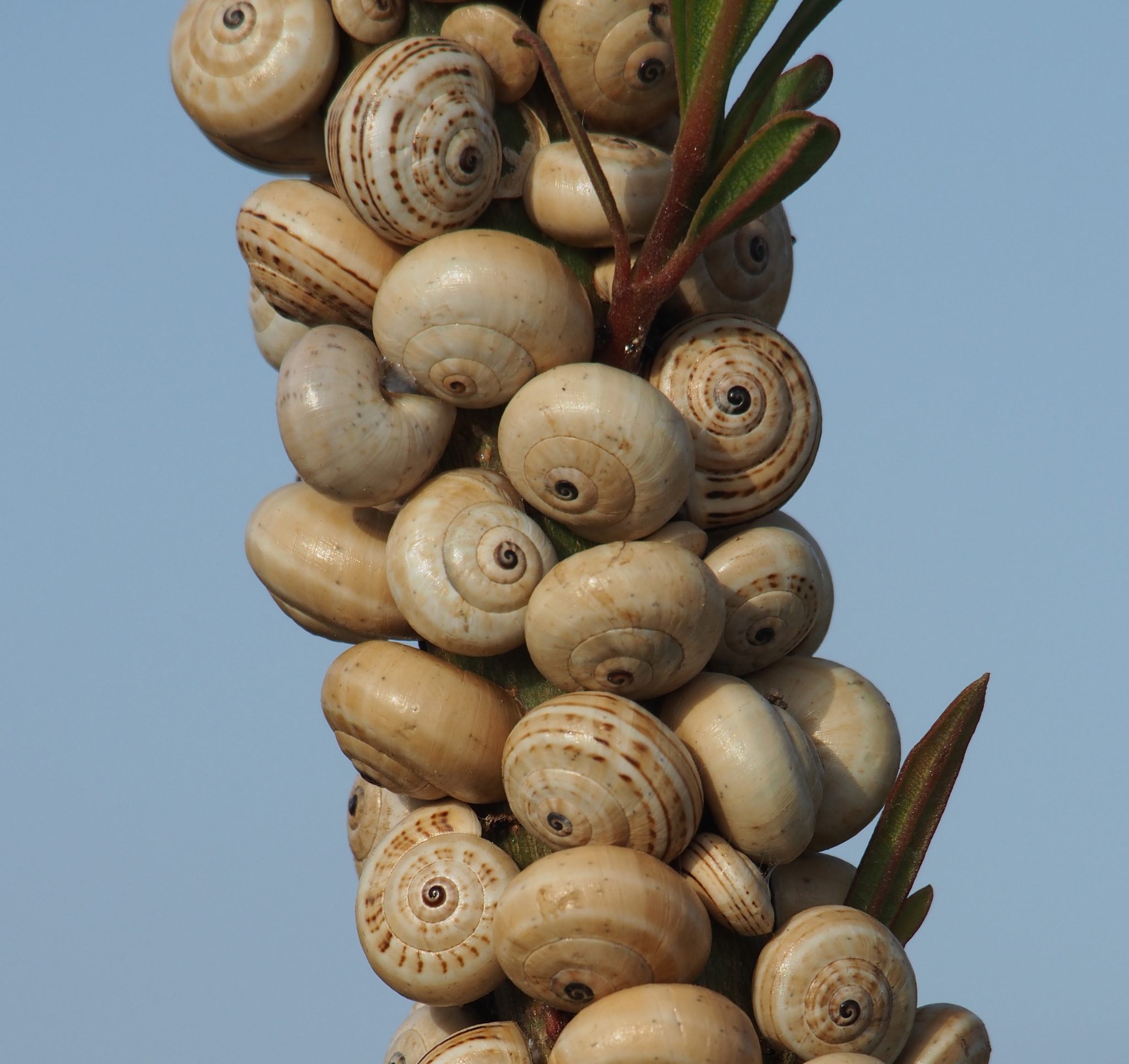
Theba is a taxonomic genus of air-breathing land snails, medium-sized pulmonate gastropod mollusks in the family Helicidae, the true snails.
from Wikipedia
Taxonomic Information
Eukaryota
Mollusca
Gastropoda
Stylommatophora
Helicidae
Theba
nan
nan
Genus
nan
k__Eukaryota;p__Mollusca;c__Gastropoda;o__Stylommatophora;f__Helicidae;g__Theba;s__unclassified
nan
Molluscs
Photos (5 photos)
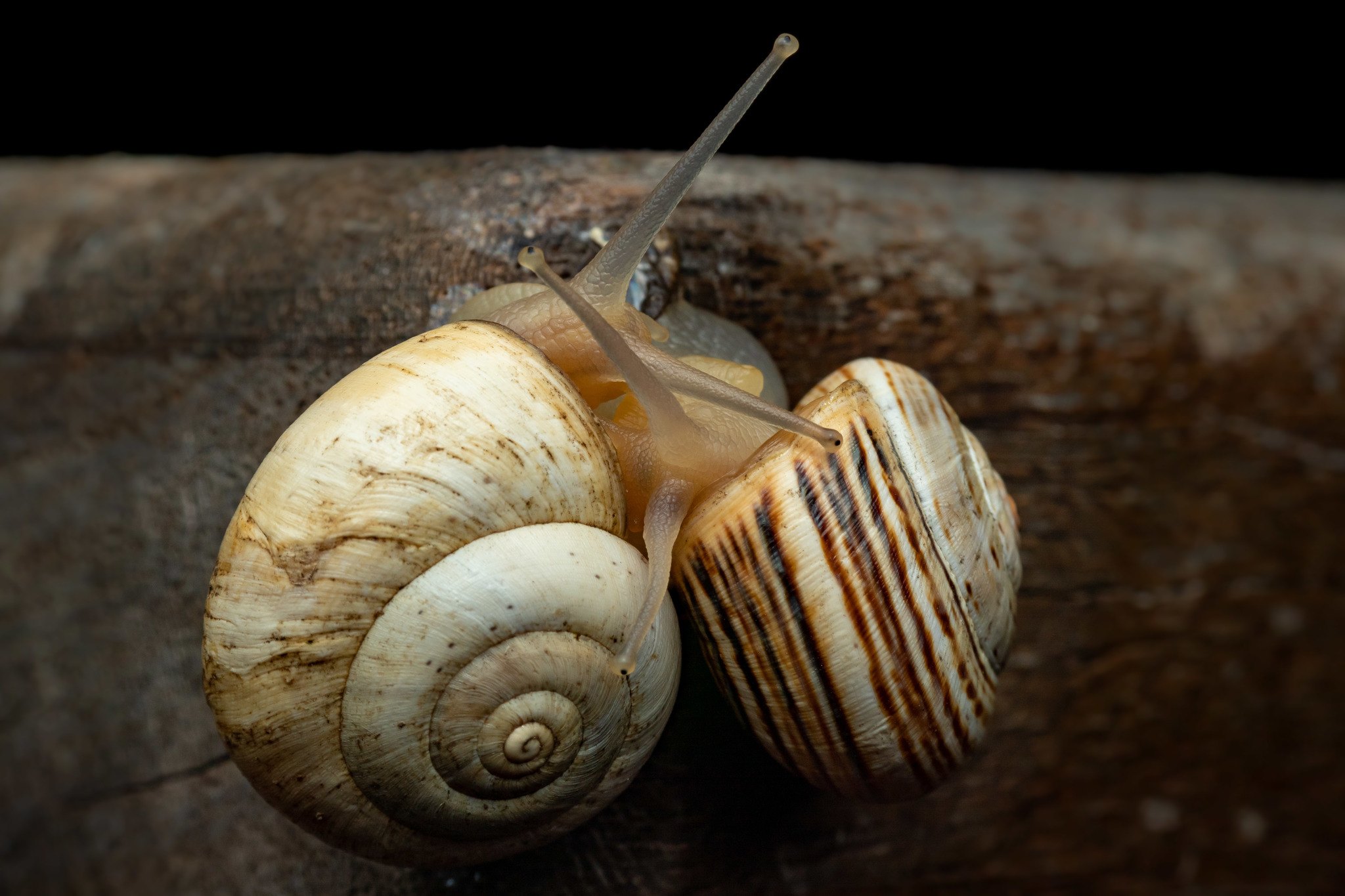
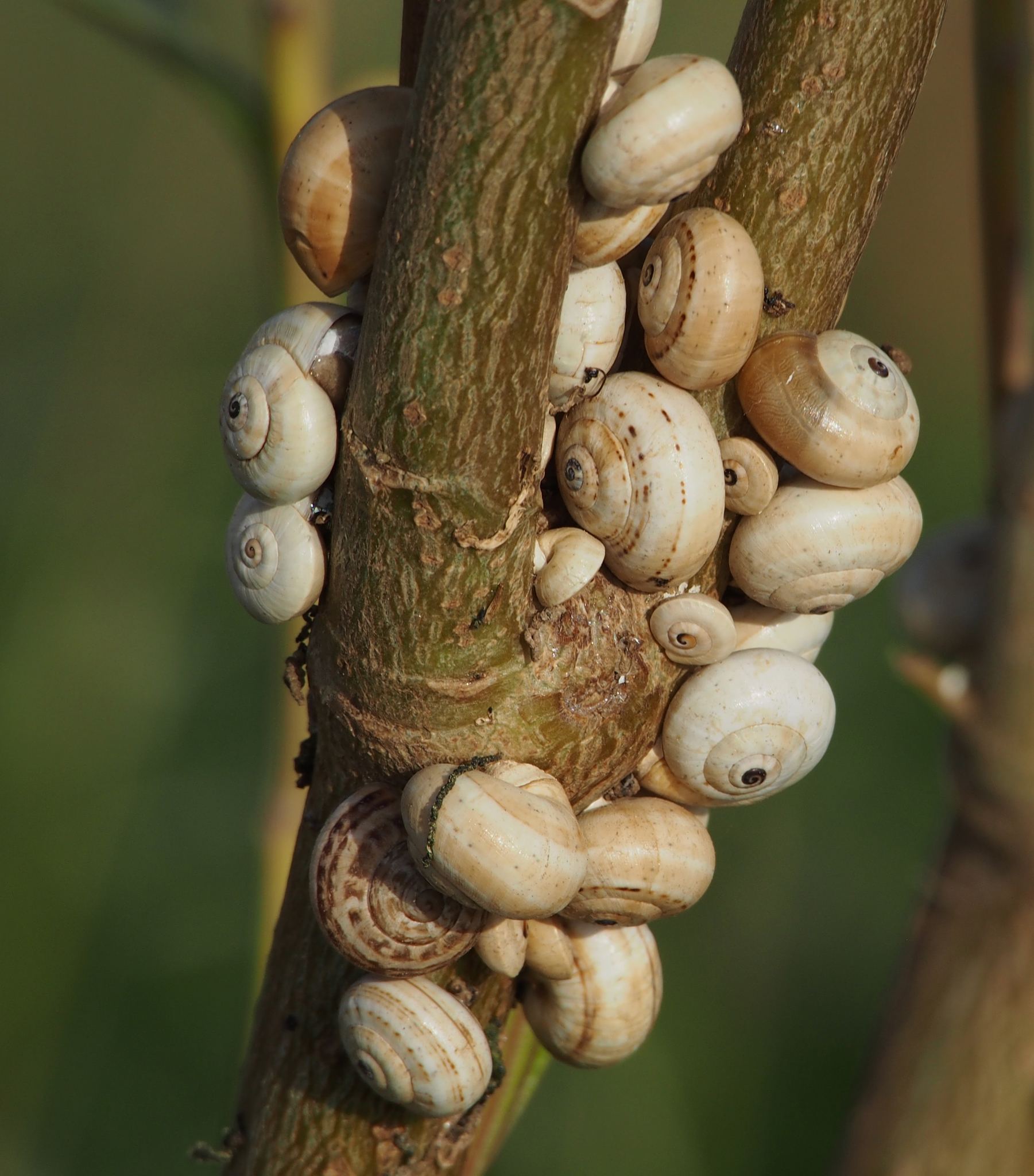
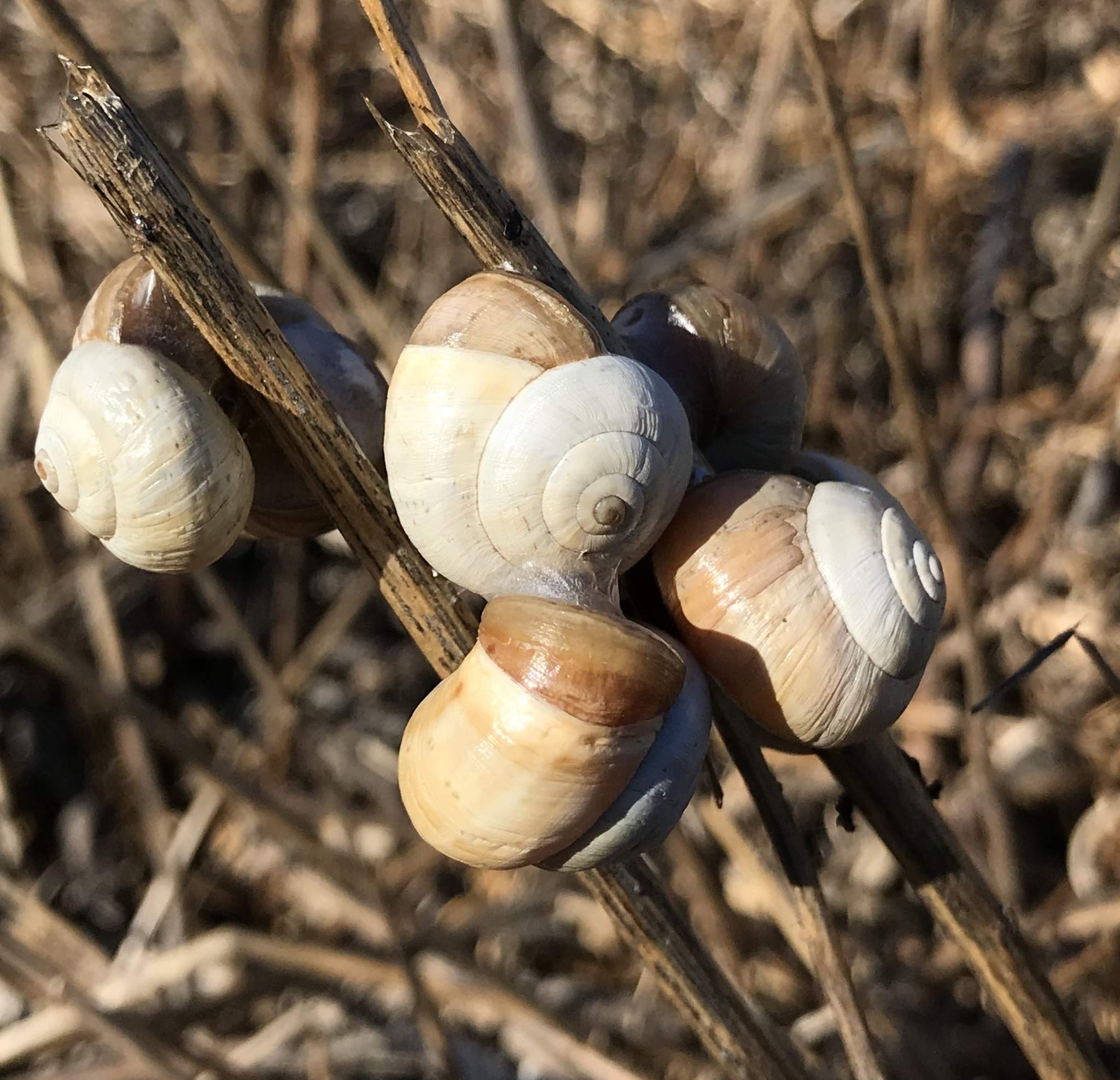
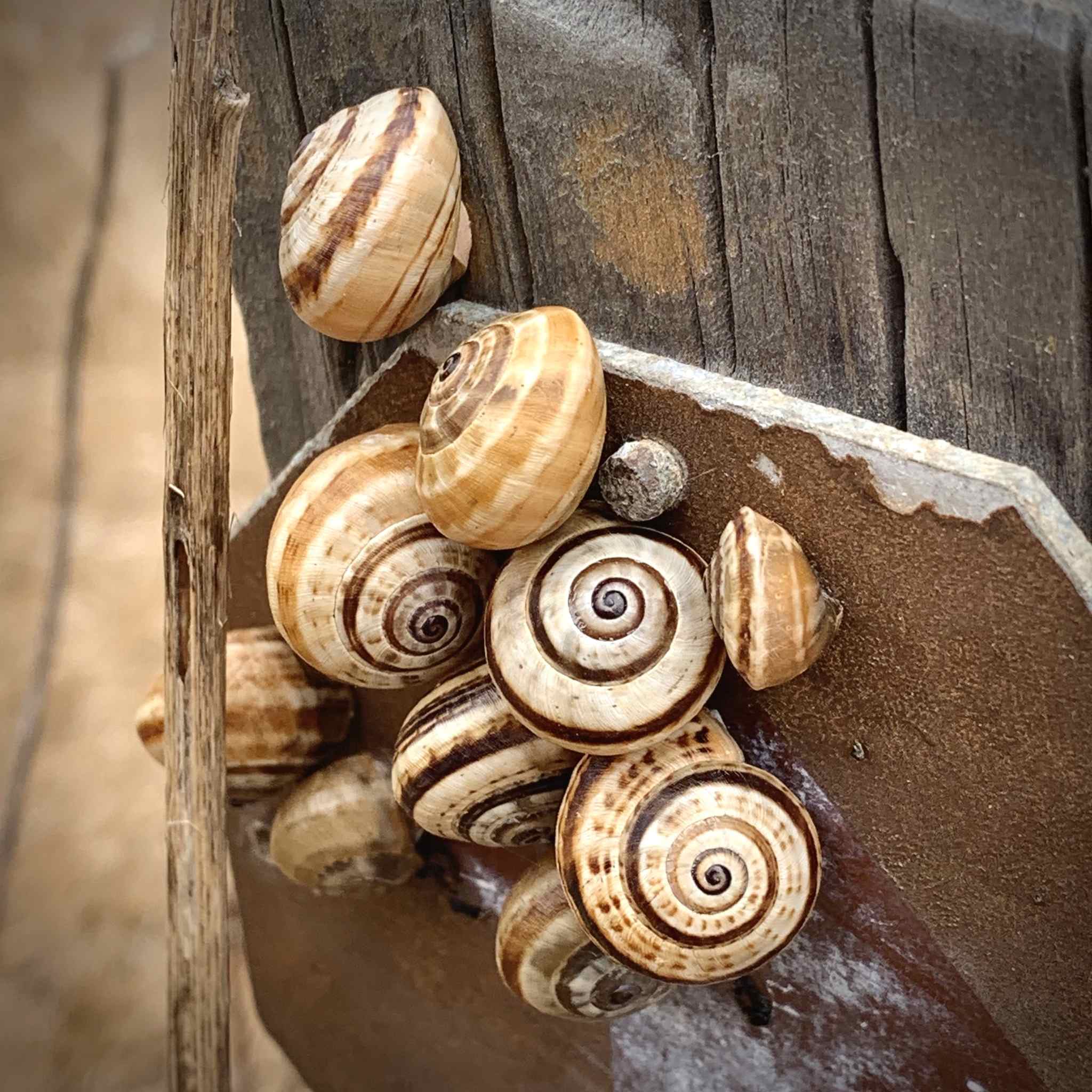
Morphological Features
No morphological description available.
Host Plants (0 host plants)
Data sources: EPPO Global Database and relevant literature.
No host plants available.
Quarantine Status (1 records)
Data sources: IPPC website and national quarantine websites; verified by human review.
| Country | Status | Year Added |
|---|---|---|
| United States of America | Quarantine pests | — |
Distribution (0 countries)
Data Sources: EPPO Global Database and GBIF.
No distribution records available.
Genomes (0 records)
Data source: NCBI.
No genome records available.
Transcriptomes (3 records)
Data source: NCBI.
| Run ID | Tissue | Developmental Stage | Sex | Read Count | Location | Actions |
|---|---|---|---|---|---|---|
| SRR1987147 | Central nervous system | - | - | 48174148 | Australia: Yorke Peninsula | |
|
PRJNA281969 SRX1004841 SRP057577 general Theba CNS small RNA RNA was extracted from tissue using TRIzol Reagent (Invitrogen), as per the manufacturer’s protocol. Following extraction, RNA was assessed for quality by visualisation on a 1.2% denaturing formaldehyde agarose gel, quantified using a Nanodrop spectrophotometer (Thermo scientific). For complimentary DNA (cDNA) synthesis, RNA samples were subjected to oligo-dT selection for mRNA purification and fragmented into small fragments. Fragmented RNA samples were subsequently repaired before adapter ligation. Suitable fragments were selected and reversed-transcribed into double-stranded cDNAs. The cDNA libraries were constructed by PCR amplification using random hexamer primed cDNAs. Finally, the samples were used for library construction and sequenced using an Illumina HiSeq 2000 sequencing (BGI, Hong Kong). Adult {'host': 'Theba pisana', 'tissue': 'Central nervous system', 'isolate': 'Adult', 'sub_species': 'pisana', 'geo_loc_name': 'Australia: Yorke Peninsula', 'biosamplemodel': 'Invertebrate', 'collection_date': '2012-06-06'} |
||||||
| SRR1987334 | CNS | - | - | 51305023 | Australia: Yorke peninsula | |
|
PRJNA276942 SRX958094 SRP056280 general Theba pisana CNS transcriptome RNA was extracted from tissue using TRIzol Reagent (Invitrogen), as per the manufacturer’s protocol. Following extraction, RNA was assessed for quality by visualisation on a 1.2% denaturing formaldehyde agarose gel, quantified using a Nanodrop spectrophotometer (Thermo scientific). For complimentary DNA (cDNA) synthesis, RNA samples were subjected to oligo-dT selection for mRNA purification and fragmented into small fragments. Fragmented RNA samples were subsequently repaired before adapter ligation. Suitable fragments were selected and reversed-transcribed into double-stranded cDNAs. The cDNA libraries were constructed by PCR amplification using random hexamer primed cDNAs. Finally, the samples were used for library construction and sequenced using an Illumina HiSeq 2000 sequencing (BGI, Hong Kong). Adult {'tissue': 'CNS', 'isolate': 'Adult', 'geo_loc_name': 'Australia: Yorke peninsula', 'biosamplemodel': 'Invertebrate', 'collection_date': '2012-06-01', 'isolation_source': 'land'} |
||||||
| SRR2004430 | tentacle | - | - | 29910027 | Australia:Sunshine Coast | |
|
PRJNA282347 SRX1015128 SRP057675 general Theba pisana tentacle transcriptome RNA was extracted from tissue using TRIzol Reagent (Invitrogen), as per the manufacturer’s protocol. Following extraction, RNA was assessed for quality by visualisation on a 1.2% denaturing formaldehyde agarose gel, quantified using a Nanodrop spectrophotometer (Thermo scientific). For complimentary DNA (cDNA) synthesis, RNA samples were subjected to oligo-dT selection for mRNA purification and fragmented into small fragments. Fragmented RNA samples were subsequently repaired before adapter ligation. Suitable fragments were selected and reversed-transcribed into double-stranded cDNAs. The cDNA libraries were constructed by PCR amplification using random hexamer primed cDNAs. Finally, the samples were used for library construction and sequenced using an Illumina HiSeq 2000 sequencing (BGI, Hong Kong). Adults {'tissue': 'tentacle', 'isolate': 'Adults', 'geo_loc_name': 'Australia:Sunshine Coast', 'biosamplemodel': 'Invertebrate', 'collection_date': '2013-02-01', 'isolation_source': 'terrestrial'} |
||||||
Literature
Fetching literature from NCBI PubMed...
Failed to fetch literature