Uromyces beticola
TaxID: 1963355
Basic Information
Uromyces beticola
Beet Rust
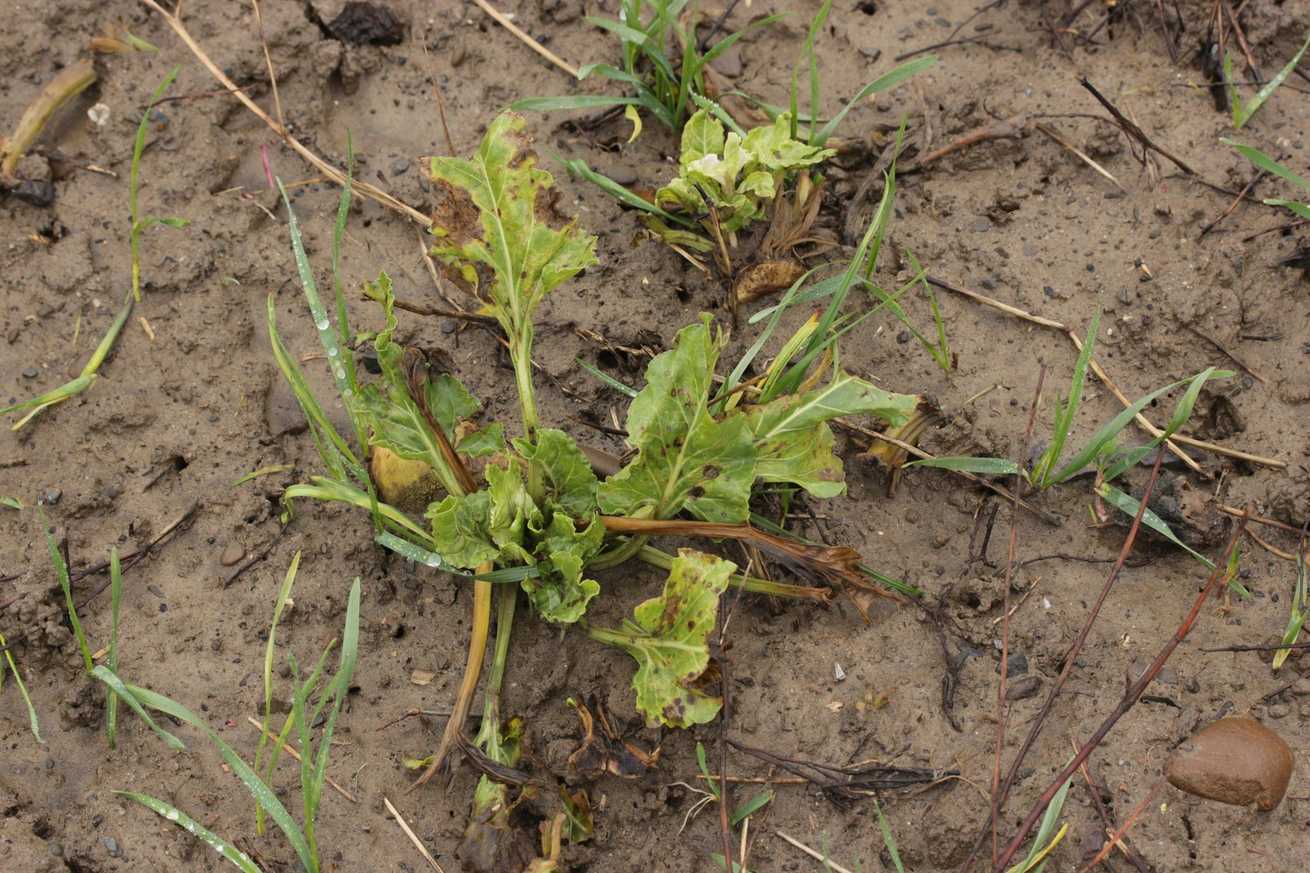
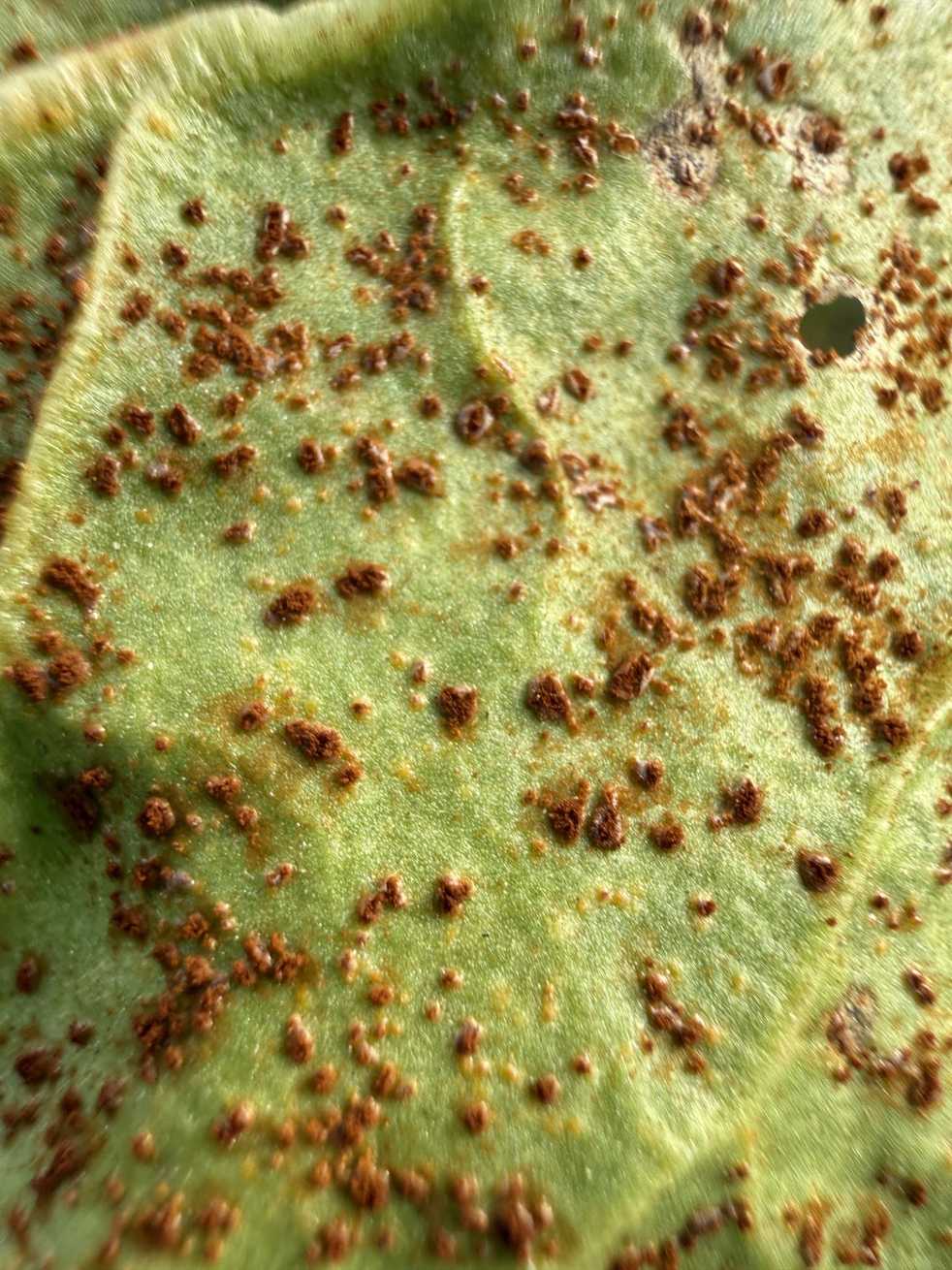
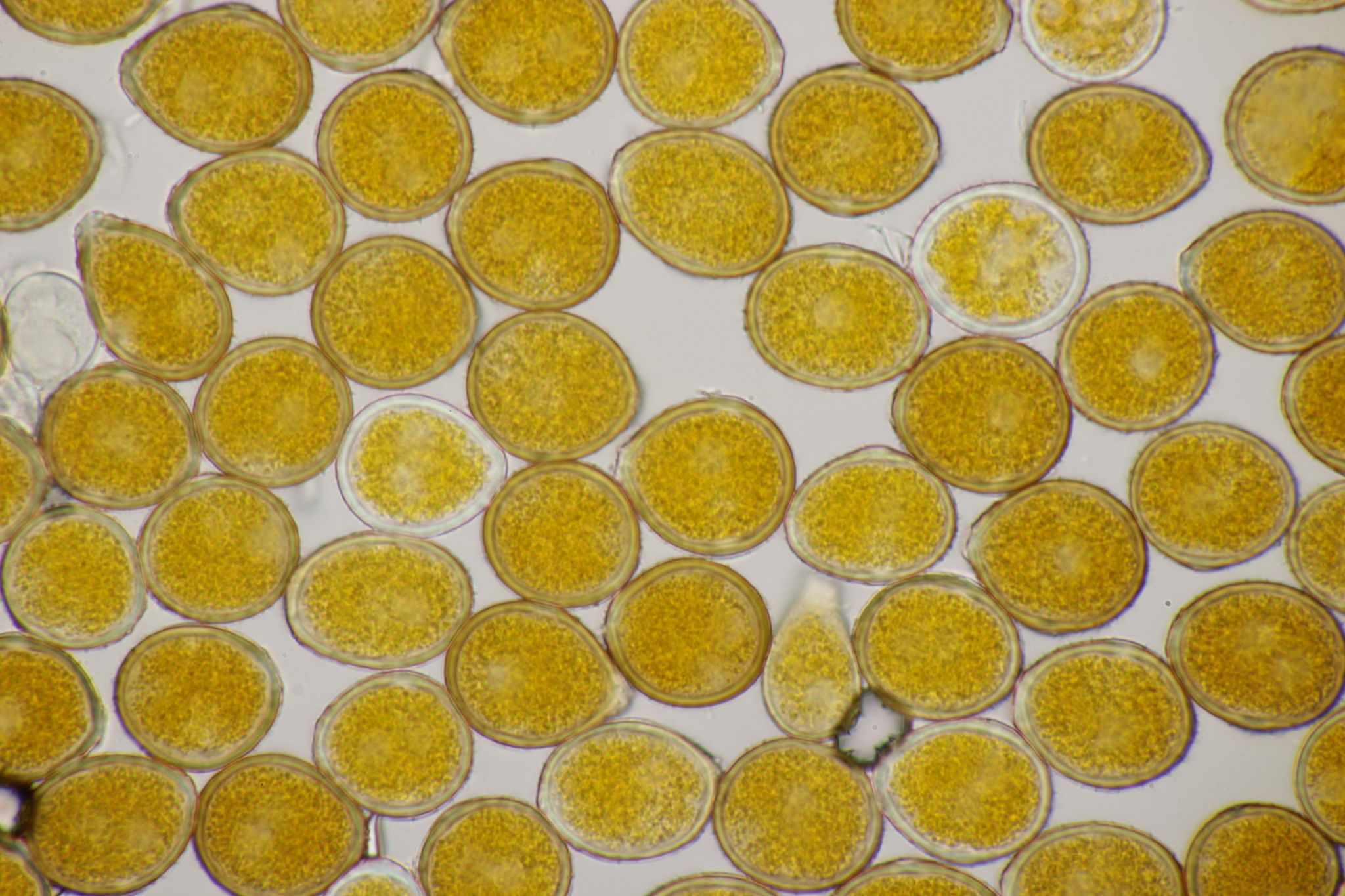
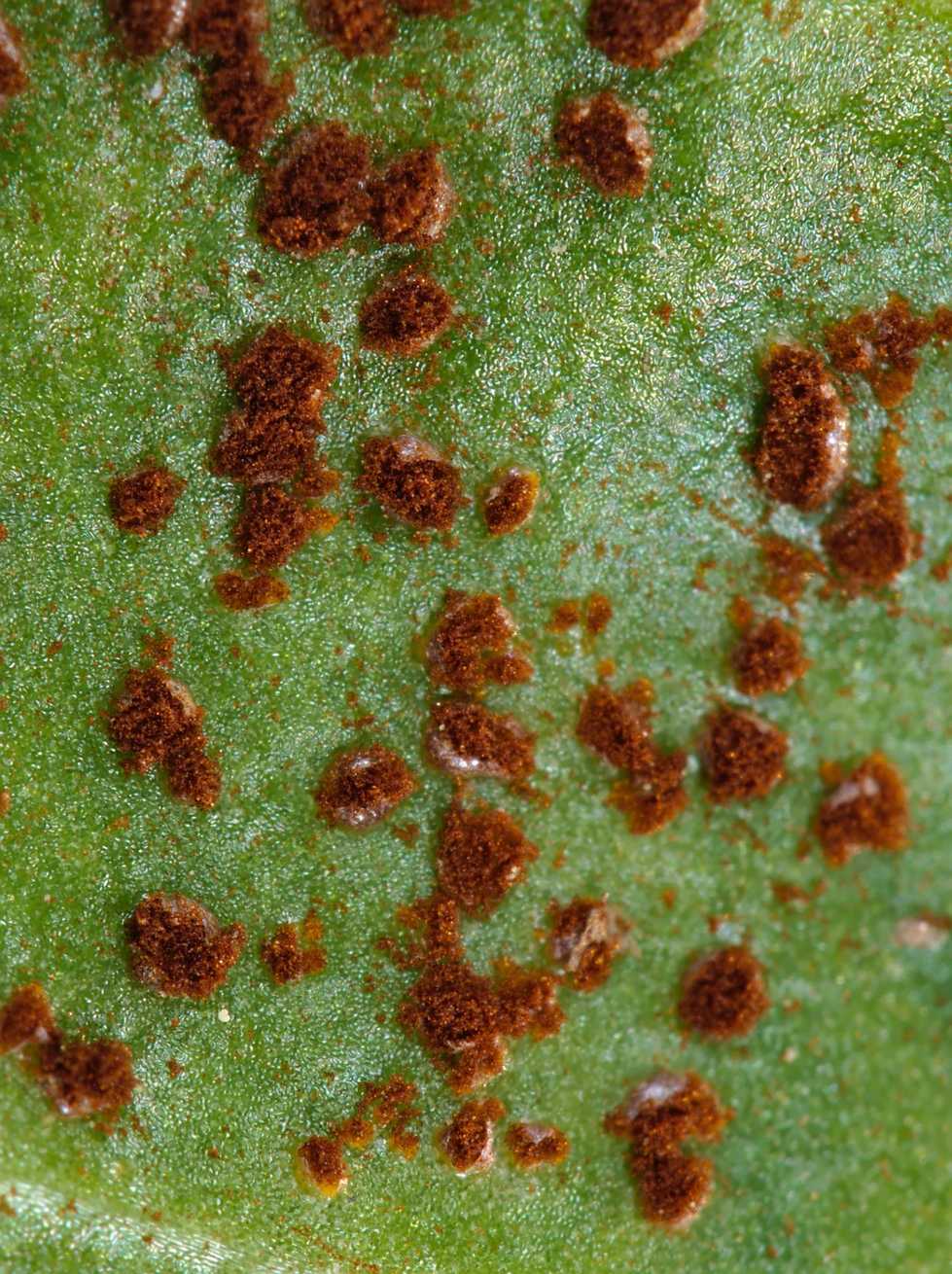
Uromyces betae is a fungal species and plant pathogen infecting beet (Beta vulgaris). It was originally published as Uredo betae Pers. 1801 before it was transferred to the Uromyces genus. Sugar beet rust was first described in Canada in 1935,(Newton and Peturson 1943), and then reported in Europe in 1988 (O'Sullivan). It is a rust which affects only beet, causing brown-orange spotting of the plant's leaves with rusty pustules of urediniospores at the centre of the spots. The rust can stay on overwintered seed crops or as teliospores which contaminate seed storage. Severe rust attacks to the crop can cause yield losses (of about 15% of root weight and 1% of sugar content). or up to 10% in the United Kingdom. Other hosts of the fungus includes, sugar beet, beetroot, spinach beet, mangolds and wild beet (Beta vulgaris subsp. vulgaris, Beta vulgaris subsp. maritima), Beta vulgaris, Beta cycla and Beta rapa. It is found in; Africa (within Algeria, Canary Islands, Libya, Madeira, Morocco and S. Africa); Asia (within Israel, Iran and U.S.S.R.); Australasia (within Australia, New Zealand and Tasmania); Europe (within Austria, Belgium, Bulgaria, Channel Islands, Czechoslovakia, Cyprus, Denmark, Finland, France, Germany, Greece, Great Britain, Holland, Hungary, Ireland, Italy, Latvia, Malta, Norway, Poland, Portugal, Romania, Sardinia, Spain, Sweden, Switzerland, Turkey and Yugoslavia); North America (within Canada, Mexico and U.S.A.) and also in South America (within Argentina, Bolivia, Chile and Uruguay).
from Wikipedia
Taxonomic Information
Eukaryota
Basidiomycota
Pucciniomycetes
Pucciniales
Pucciniaceae
Uromyces
beticola
Undefined
Species
nan
d__Eukaryota;p__Basidiomycota;c__Pucciniomycetes;o__Pucciniales;f__Pucciniaceae;g__Uromyces;s__Uromyces beticola
nan
Fungal organisms
Photos (5 photos)
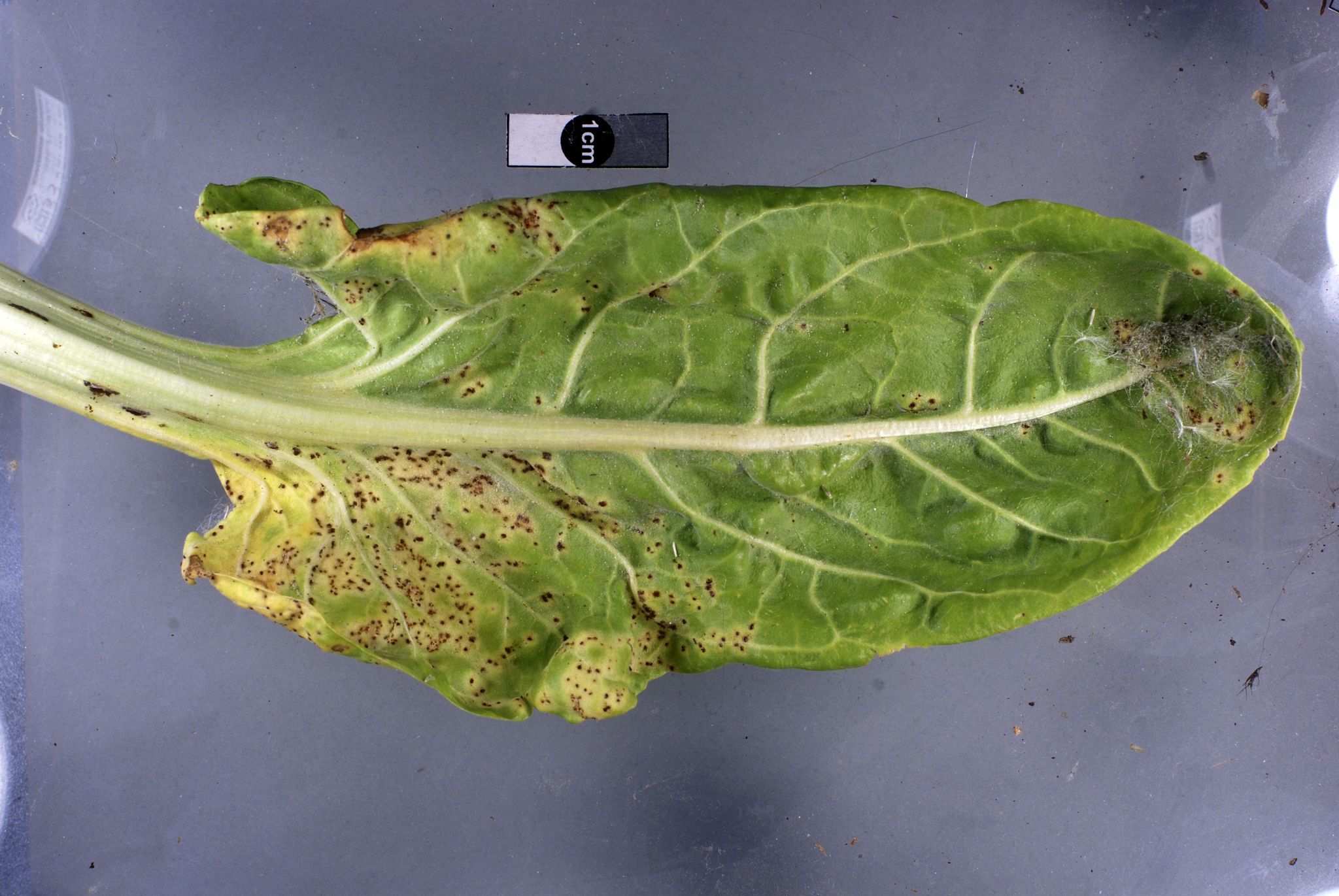
Morphological Features
No morphological description available.
Host Plants (0 host plants)
Data sources: EPPO Global Database and relevant literature.
No host plants available.
Quarantine Status (2 records)
Data sources: IPPC website and national quarantine websites; verified by human review.
Distribution (0 countries)
Data Sources: EPPO Global Database and GBIF.
No distribution records available.
Genomes (0 records)
Data source: NCBI.
No genome records available.
Transcriptomes (0 records)
Data source: NCBI.
No transcriptome records available.
Literature
Fetching literature from NCBI PubMed...
Failed to fetch literature