Labidura riparia
TaxID: 50449
Basic Information
Labidura riparia
Giant Earwig
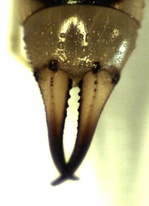
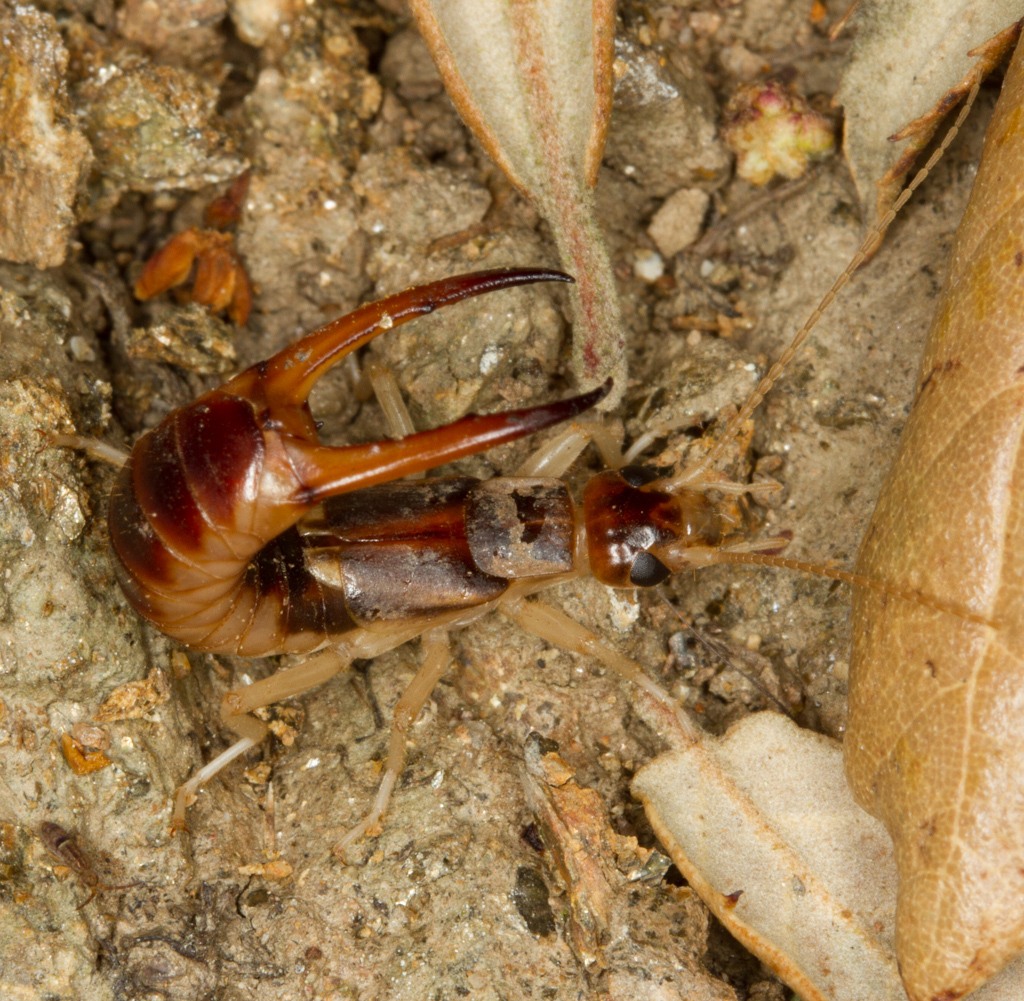
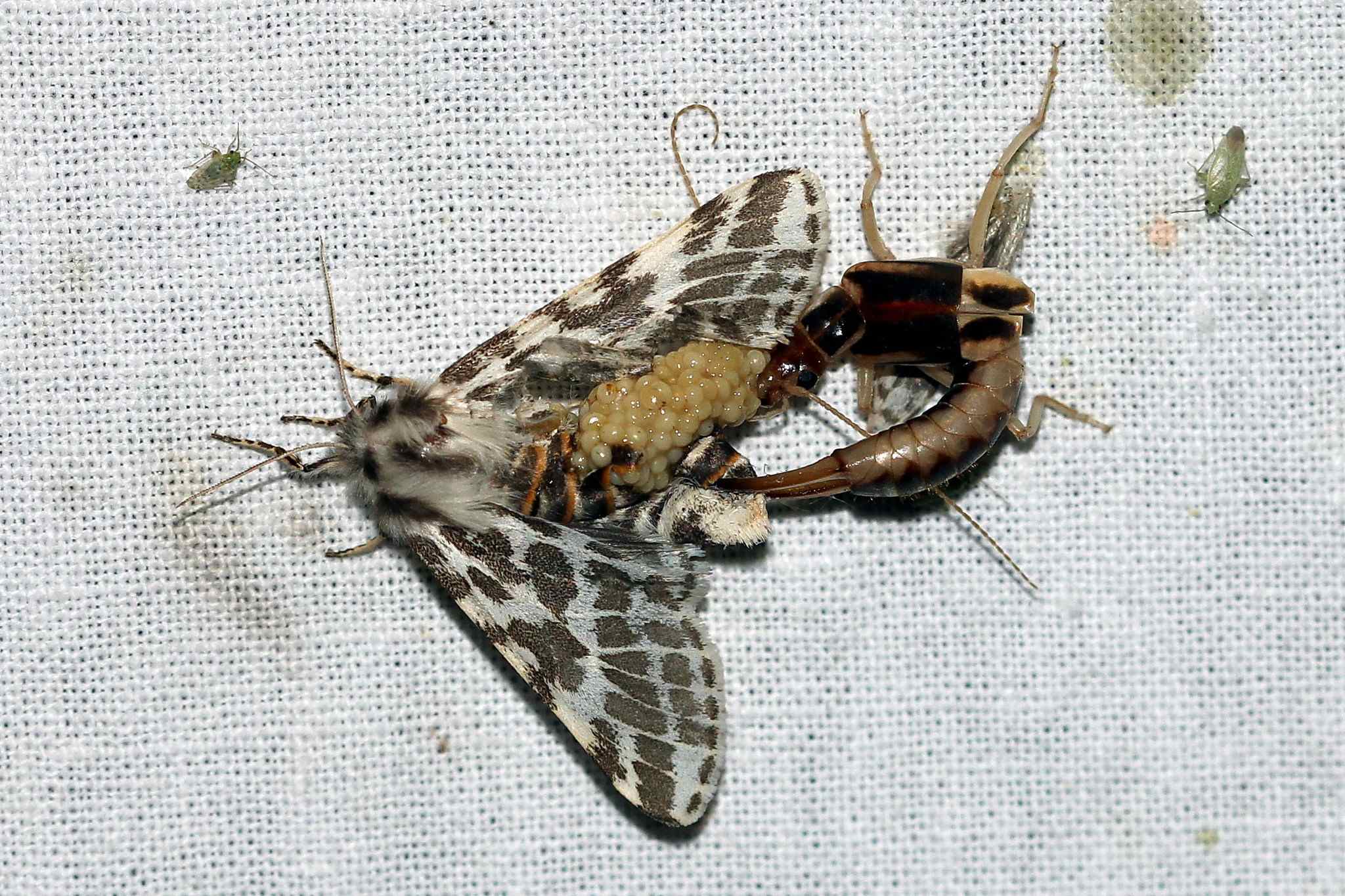
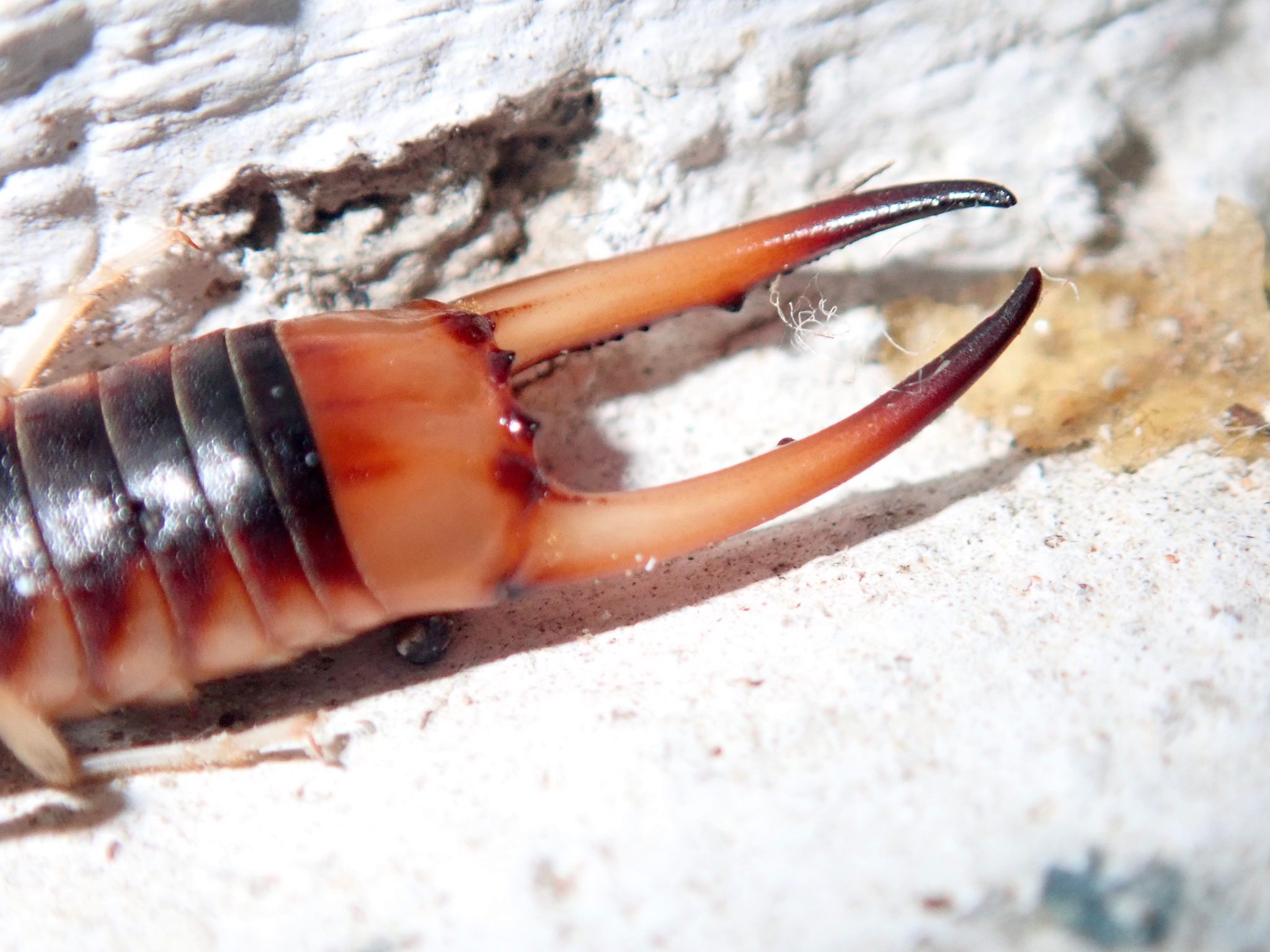
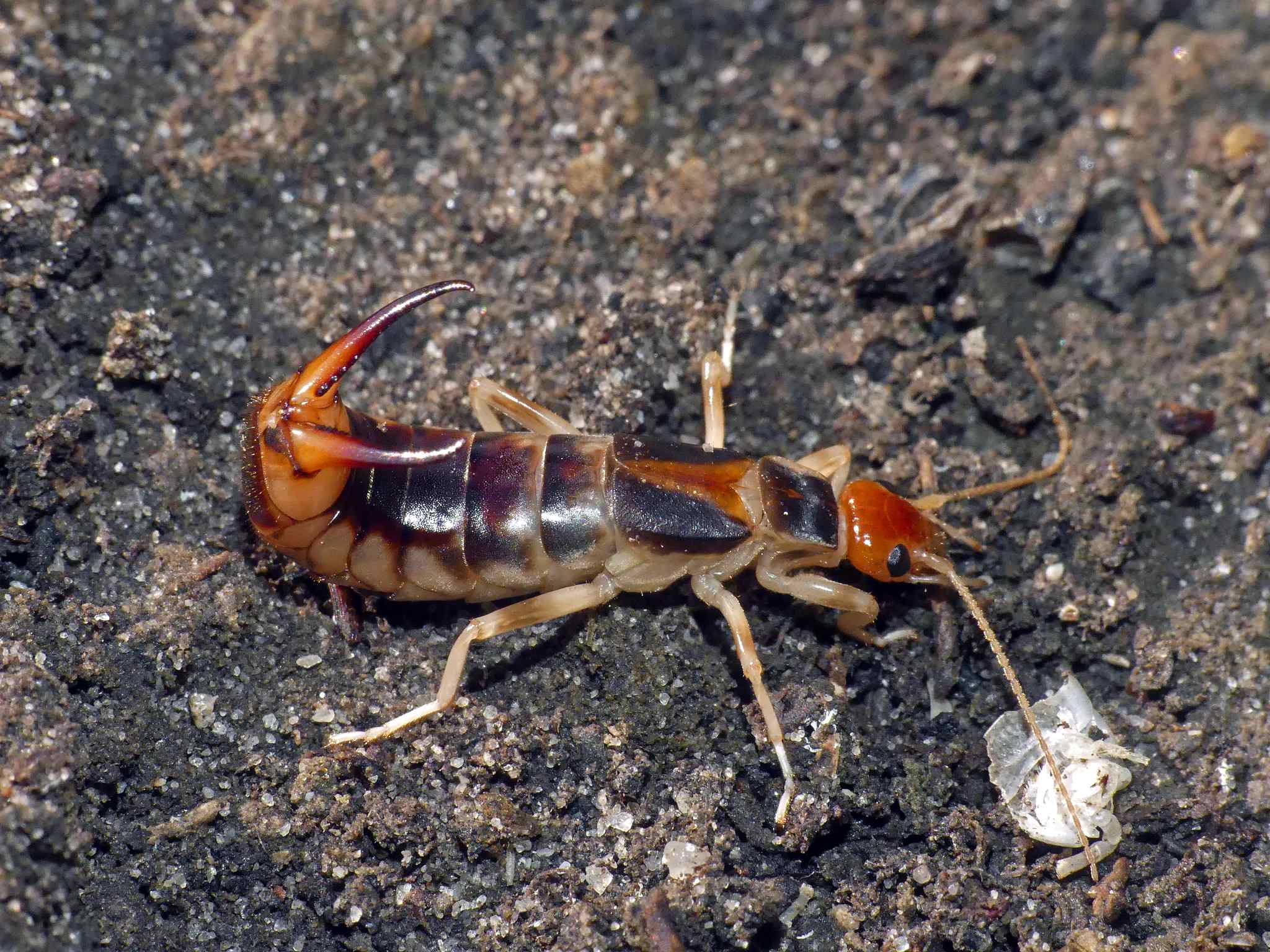
Labidura riparia is a species of earwig in the family Labiduridae characterized by their modified cerci as forceps, and light tan color. They are commonly known as the shore earwig, tawny earwig, riparian earwig, or the striped earwig due to two dark longitudinal stripes down the length of the pronotum. They are sometimes wrongly referred to as Labidura japonica, although said species is actually a subspecies, Labidura riparia japonica, found from Japan and India to Papua New Guinea. L. riparia are a cosmopolitan species primarily in tropical to subtropical regions. Body size varies greatly, ranging from 16 mm to 30 mm, with 10 abdominal segments. Males and females differ in forcep size, with males having much larger and stronger curve, while females have smaller, straighter forceps with a slight curve at the end. Earwigs use these forceps to assist in predation, defense, sexual selection, courtship and mating, and wing folding. L. riparia are a subsocial earwig with complex maternal habits. They are voracious predators, and highly regarded as efficient for pest control in many situations. Repugnitory glands in the earwigs cause them to secrete a foul smelling pheromone to deter predators, which is said to smell like decomposition. Males of this species have two penises in which they can use interchangeably. Individuals have a preference on which they dominantly use though. Just like humans limb dexterity, L. riparia have a 90% prevalence of right-handed penises. This unequal proportion is unique to this species compared to all other earwigs, and may have a relationship with the spermatheca location on females.
from Wikipedia
Taxonomic Information
Metazoa
Arthropoda
Insecta
Dermaptera
Labiduridae
Labidura
riparia
unclassified
Species
nan
k__Metazoa;p__Arthropoda;c__Insecta;o__Dermaptera;f__Labiduridae;g__Labidura;s__Labidura riparia
nan
Arthropods
Photos (5 photos)
Morphological Features
A large earwig, total length up to 26 mm. Body coloration highly variable, including melanistic and hypomelanistic forms. Head pale to reddish-orange, sometimes with dark markings or completely black in melanistic individuals. Pronotum with a reddish-orange midline and yellowish or cream-colored lateral margins; in old preserved or hypomelanistic specimens the pronotum may be entirely cream-colored. Forceps symmetrical, light brown, darker distally; sexually dimorphic: male cerci noticeably longer, separated, with reduced teeth; female cerci shorter, closer together, strongly toothed basally. Adult males possess longitudinal keels on the distal portion of tergal plates 6–9, a distinctive feature among North American earwigs.
Plazi taxonomic treatment
Host Plants (0 host plants)
Data sources: EPPO Global Database and relevant literature.
No host plants available.
Quarantine Status (2 records)
Data sources: IPPC website and national quarantine websites; verified by human review.
| Country | Status | Year Added |
|---|---|---|
| Egypt | Disinfected-Admitted | — |
| United States of America | Quarantine pests | — |
Distribution (111 countries)
Data Sources: EPPO Global Database and GBIF.
| Country | Status | State |
|---|---|---|
| Albania | Present | — |
| Algeria | Present | — |
| United Arab Emirates | Present | — |
| Argentina | Present | — |
| Armenia | Present | — |
| Australia | Present | — |
| Austria | Present | — |
| Azerbaijan | Present | — |
| Burundi | Present | — |
| Belgium | Present | — |
Distribution Map (Latitude and longitude coordinates sourced from GBIF.)
Download CSVGenomes (0 records)
Data source: NCBI.
No genome records available.
Transcriptomes (0 records)
Data source: NCBI.
No transcriptome records available.
Literature
Fetching literature from NCBI PubMed...
Failed to fetch literature