Podischnus agenor
TaxID: 2728701
Basic Information
Podischnus agenor
Scarab Beetle
nan
from Wikipedia
Taxonomic Information
Eukaryota
Arthropoda
Insecta
Coleoptera
Scarabaeidae
Podischnus
agenor
nan
Species
nan
k__Eukaryota;p__Arthropoda;c__Insecta;o__Coleoptera;f__Scarabaeidae;g__Podischnus;s__Podischnus agenor
nan
Arthropods
Photos (5 photos)
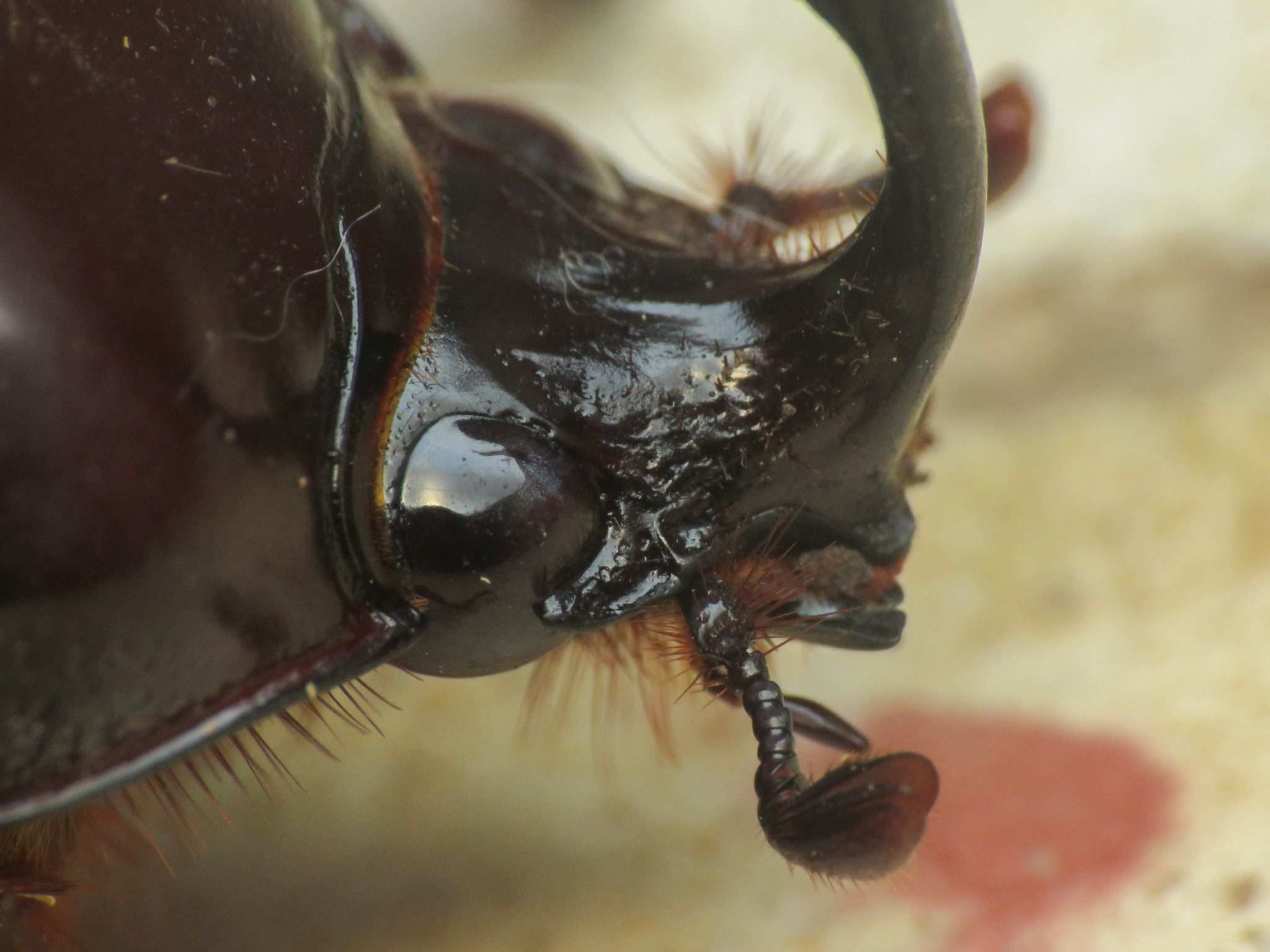
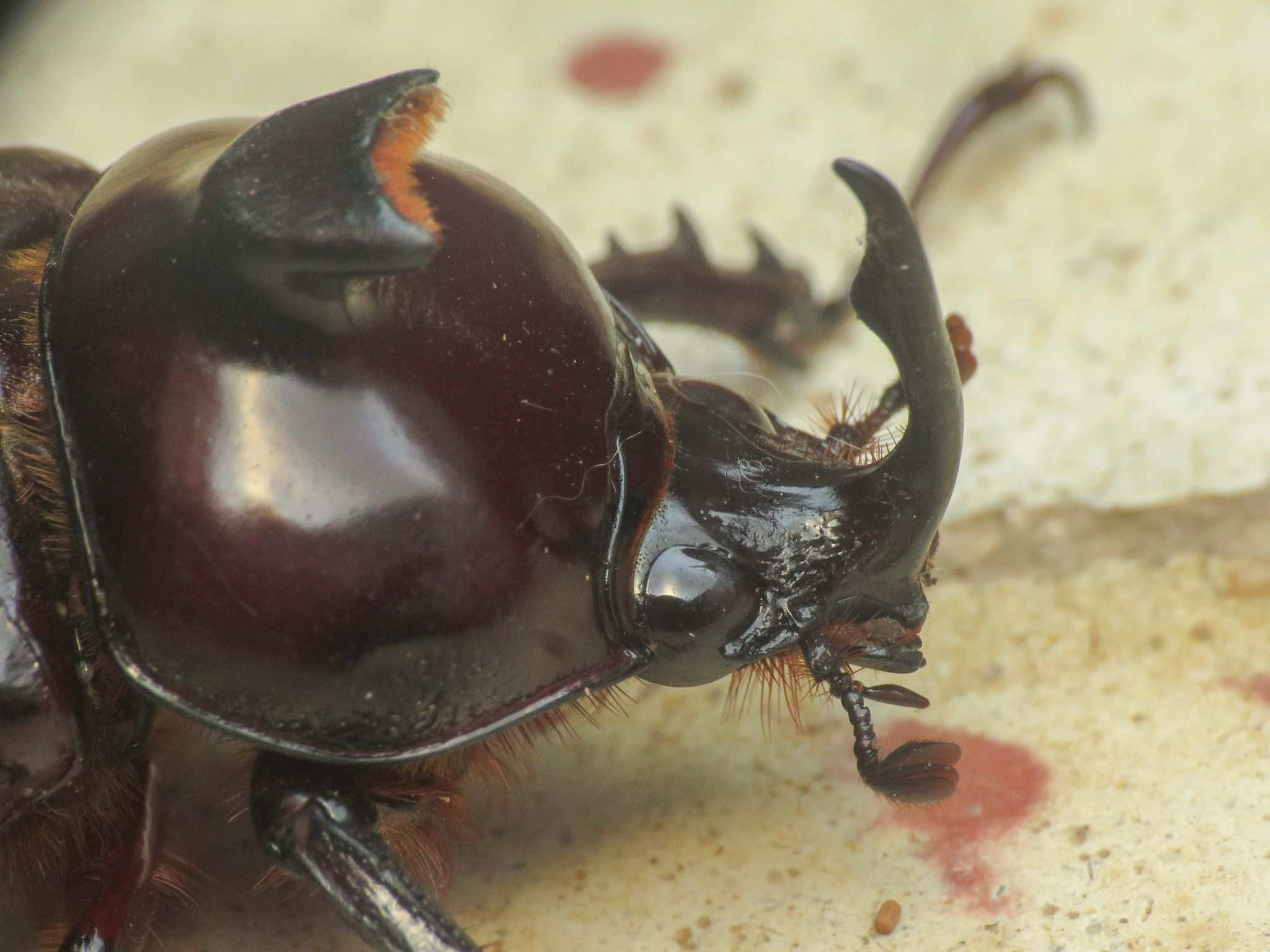
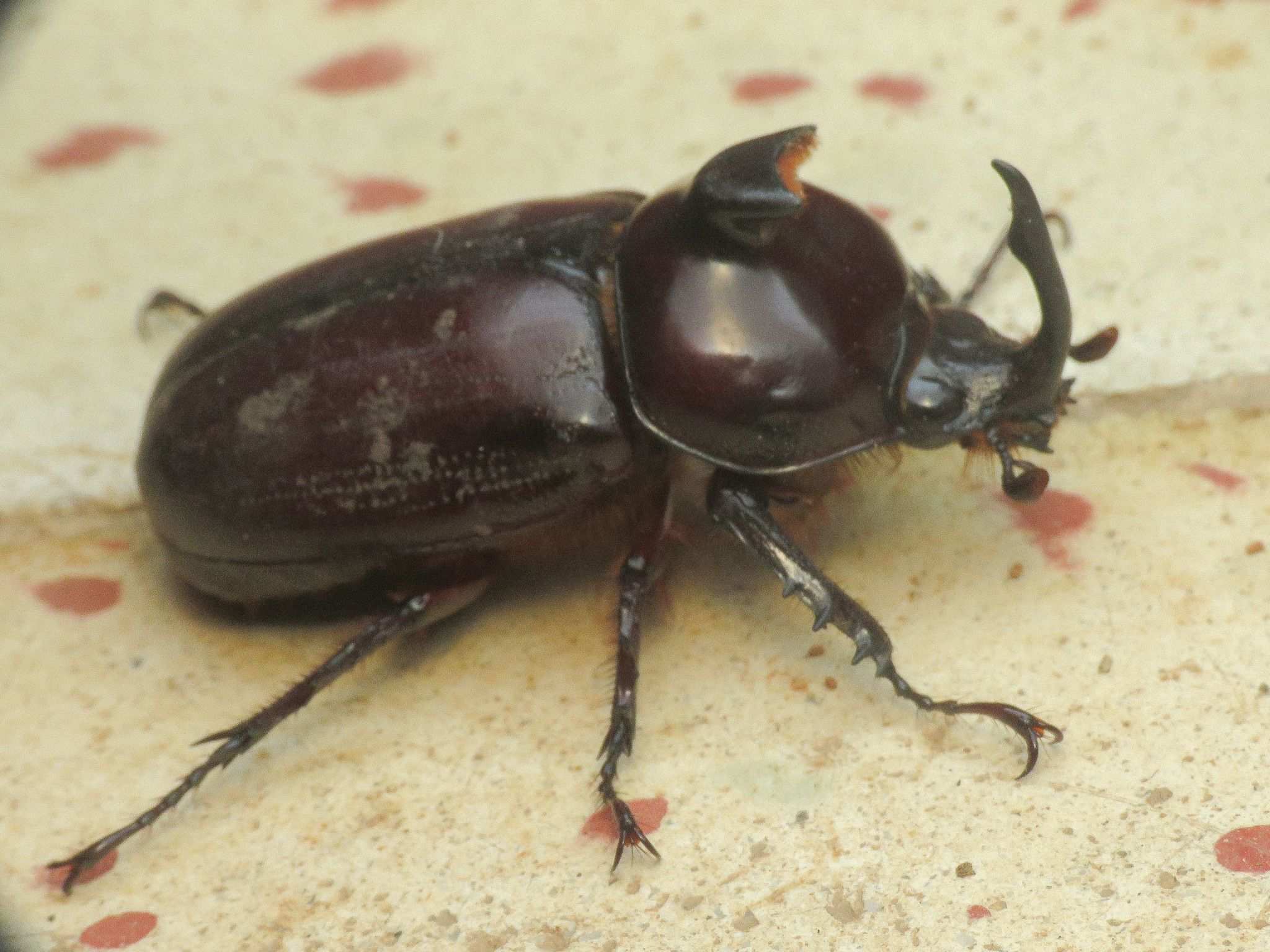
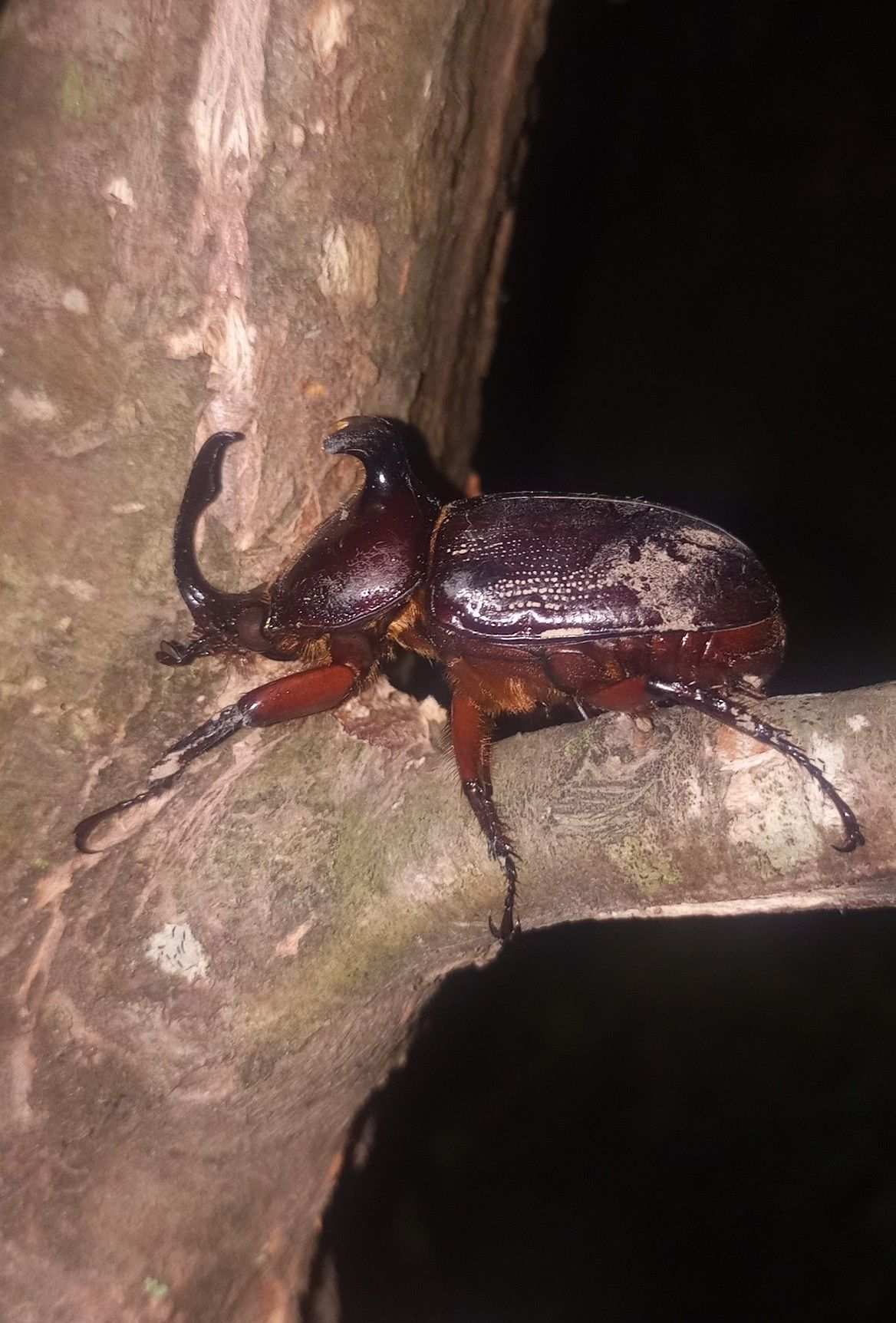
Morphological Features
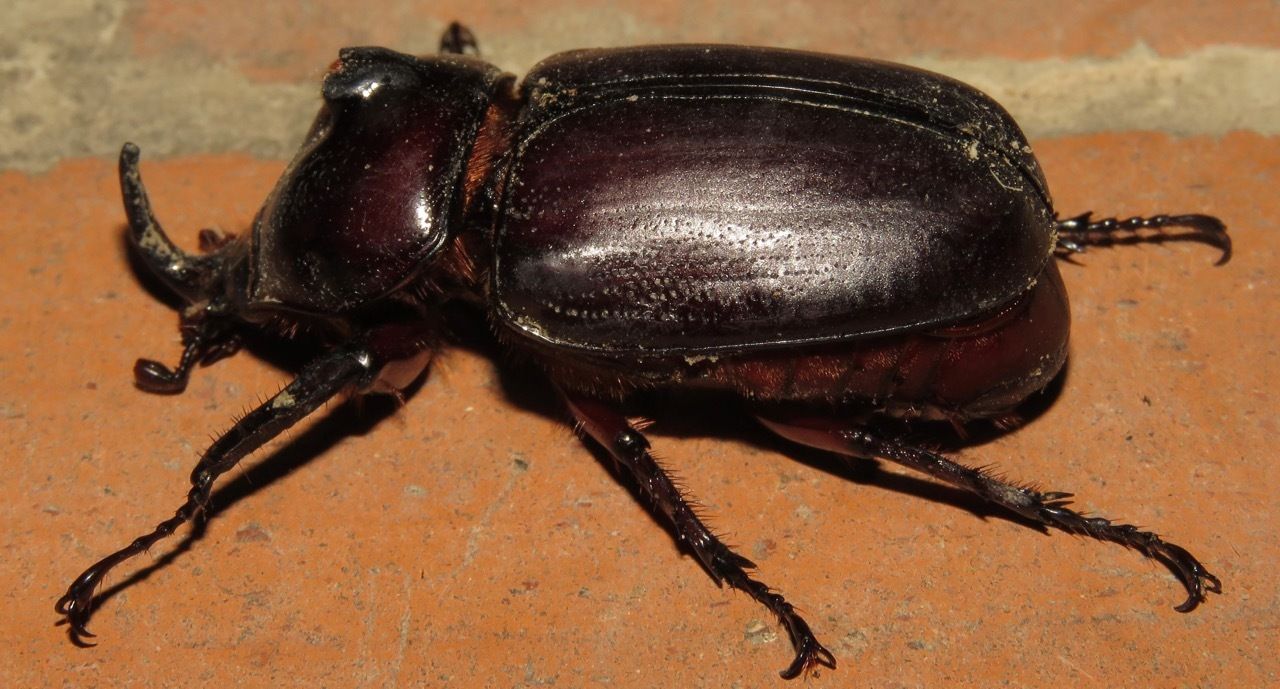
Larva (third instar): Body length up to 38.2 mm. Head with 4 dorsoepicranial setae, 25 irregularly distributed epicranial setae, and 11–12 paraocellar setae on each side. Frons with 1 exterior and 1 posterior frontal seta on each side. Labrum rugopunctate, slightly asymmetrical, with 8 posterior setae, 4 lateral setae on each side, and 2 central setae. Antennomere 4 oval in dorsal and ventral view, almond-shaped in lateral view. Mandibles with distinct scissorial and molar regions; left mandible with 4 scissorial teeth, right mandible with blade-like apical tooth and fused S1+S2. Stridulatory area on ventral surface of mandible elongate-oval with 31–34 narrowly separated ridges. Galea with many stout setae and 1 uncus; lacinia with many stout setae and 3 fused unci. Pronotum irregularly and weakly sclerotized, with 8 long, fine setae. Abdominal segments with numerous long and short fine setae and short spine-like setae on prescutum, scutum, and scutellum; segment X with approximately 124 moderate to long fine setae and 391 short spine-like setae. Spiracle I elongate with fine peritreme. Adult male: Head with frons bearing a long, recurved horn; surface smooth with few setae in minors, coarsely rugopunctate in majors except smooth along midline behind horn base. Clypeus coarsely rugose. Antenna with 10 segments, club subequal in length to segments 2–7. Pronotum surface usually smooth with some punctures; in majors with large scallop-shaped punctures on sides extending to base of horn; anteromedial tubercle with rounded apex. Protibia strongly quadridentate, teeth nearly perpendicular to shaft of tibia; distance between two apical teeth less than between other teeth. Elytra and posterior wing thecae closely appressed, curved ventrally. Adult female: Similar to male but without cephalic and pronotal horns; frons and clypeus coarsely rugose, frons with strong tubercle between eyes.
Plazi taxonomic treatment
Host Plants (0 host plants)
Data sources: EPPO Global Database and relevant literature.
No host plants available.
Quarantine Status (2 records)
Data sources: IPPC website and national quarantine websites; verified by human review.
Distribution (10 countries)
Data Sources: EPPO Global Database and GBIF.
| Country | Status | State |
|---|---|---|
| Bolivia (Plurinational State of) | Present | — |
| Colombia | Present | — |
| Costa Rica | Present | — |
| Ecuador | Present | — |
| Guatemala | Present | — |
| Mexico | Present | — |
| Panama | Present | — |
| Peru | Present | — |
| Suriname | Present | — |
| Venezuela (Bolivarian Republic of) | Present | — |
Distribution Map (Latitude and longitude coordinates sourced from GBIF.)
Download CSVGenomes (0 records)
Data source: NCBI.
No genome records available.
Transcriptomes (0 records)
Data source: NCBI.
No transcriptome records available.
Literature
Fetching literature from NCBI PubMed...
Failed to fetch literature