Hemileuca
TaxID: 40089
Basic Information
Hemileuca
Buck Moths, Sheepmoths
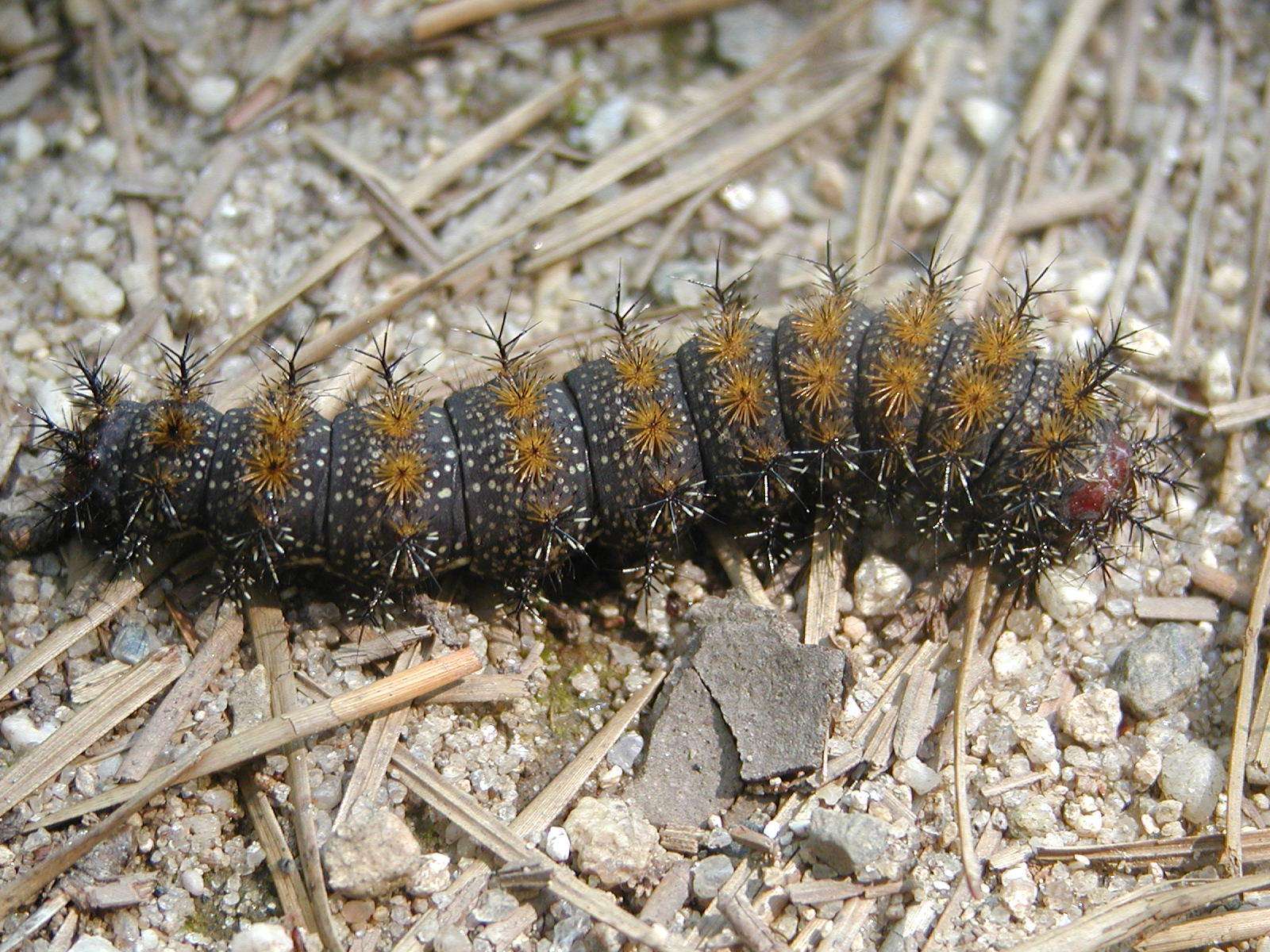
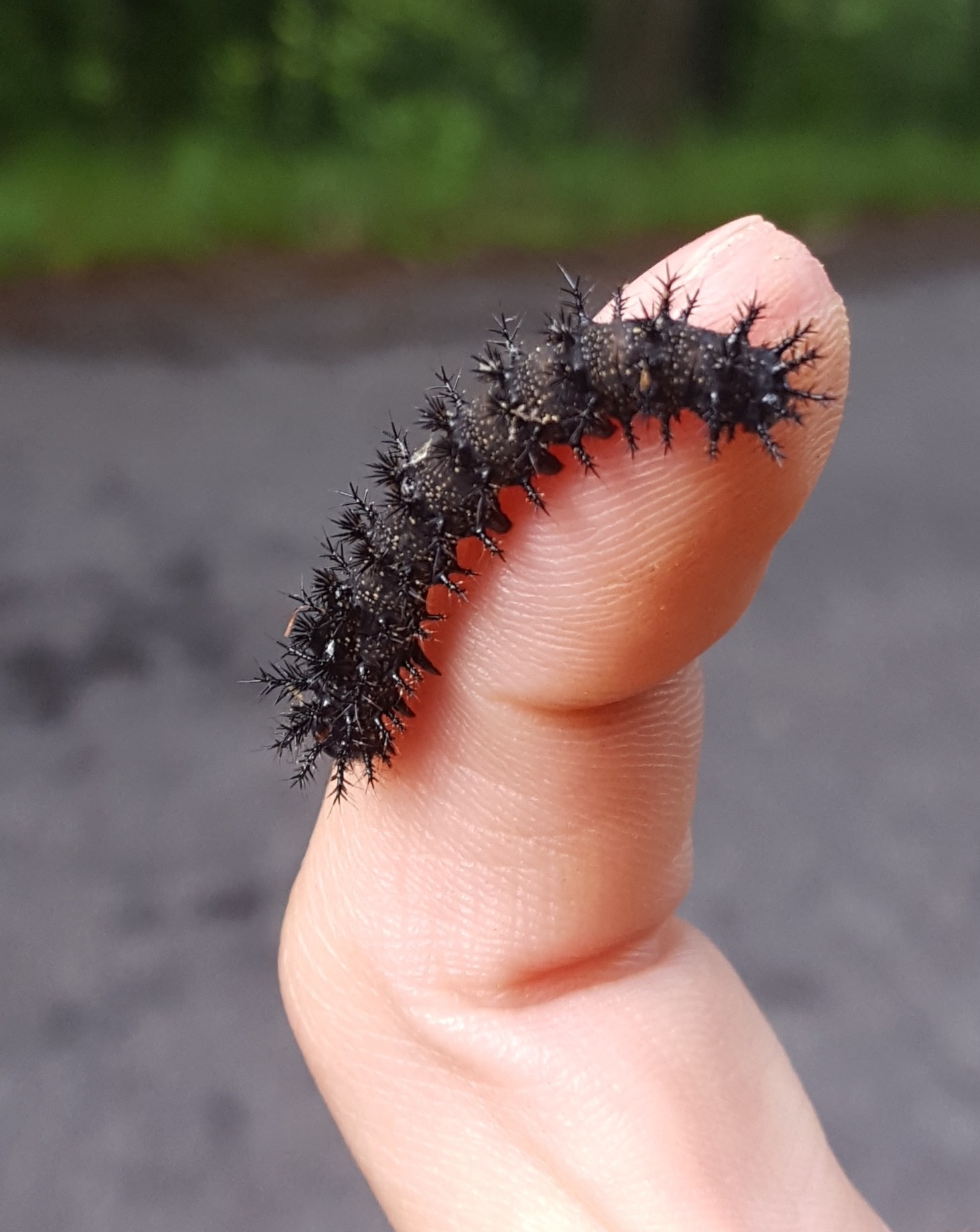
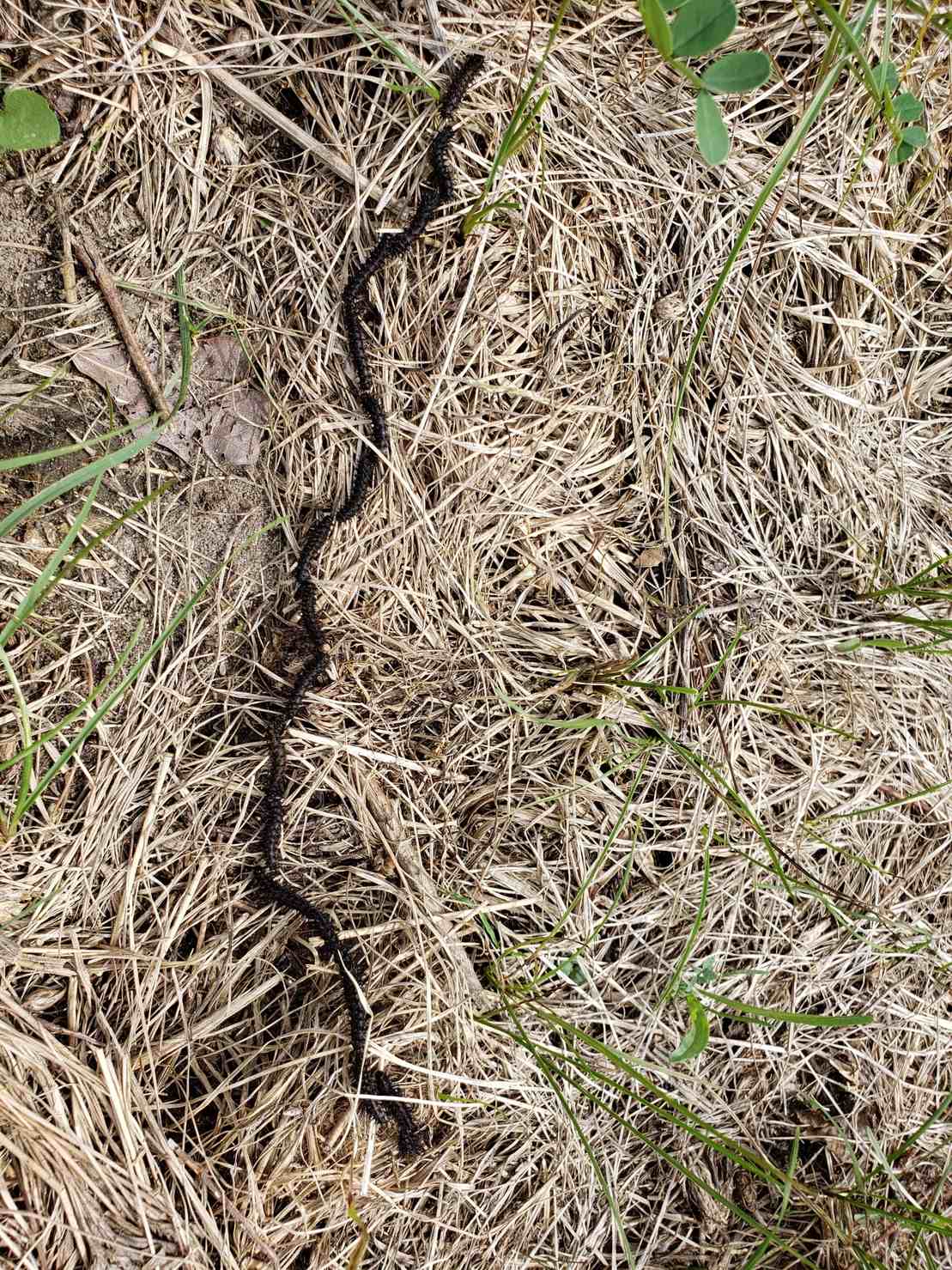
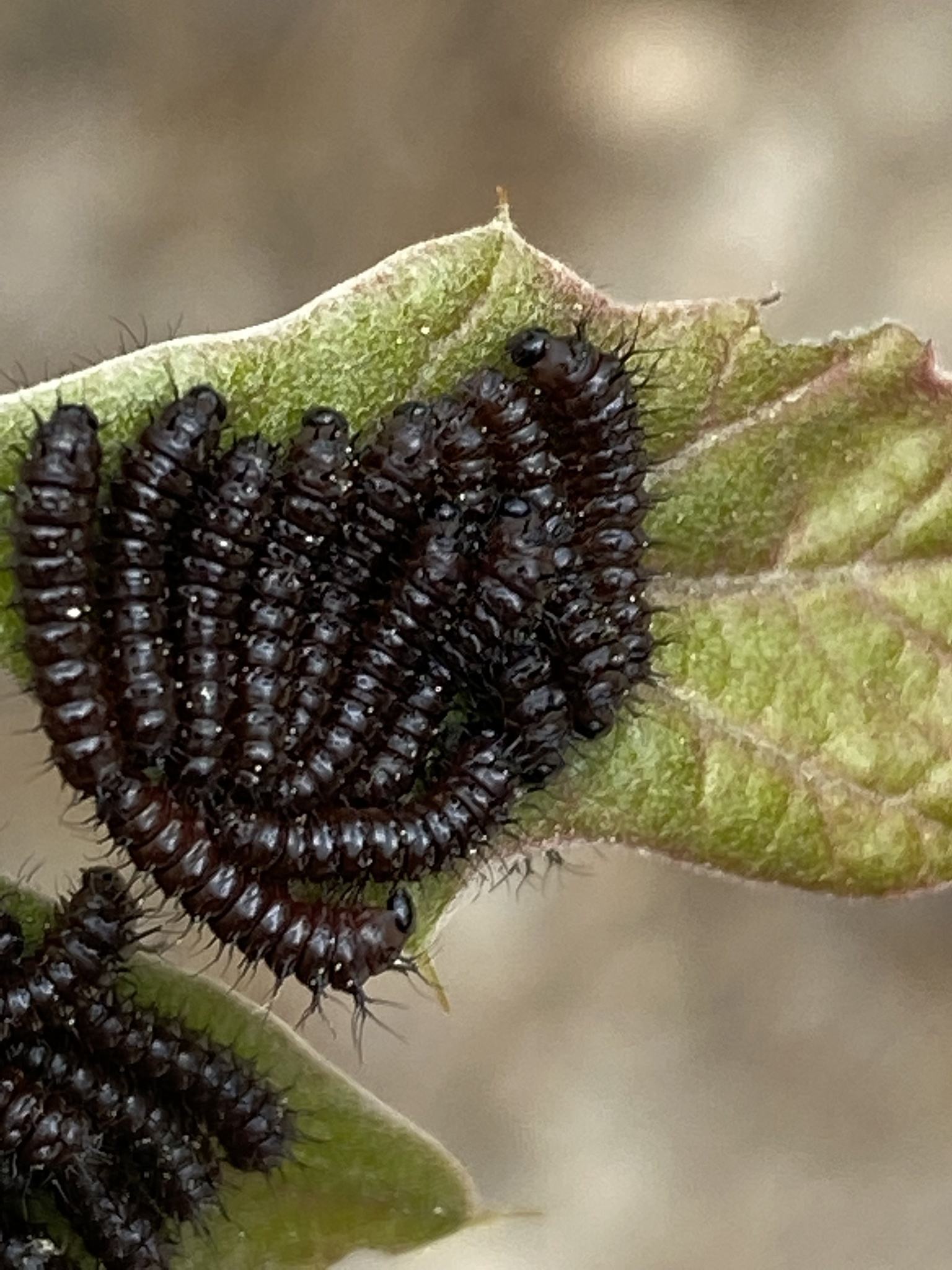
Hemileuca is a genus of North American moths in the family Saturniidae first described by Francis Walker in 1855. The Finnish University and Research Network currently lists 32 species of the genus. These moths are popular with butterfly collectors because of their variable coloration and wing patterns and their unusual lifestyle, which is an adaptation to the hot and dry habitats where most species live. Most of these moths fly in summer and autumn. The eggs are laid in ring-shaped clusters on stems or branches of the caterpillar's host plants and overwinter. The caterpillars develop to pupation before the hot summer of the following year; most pupate in summer, so that the moths emerge in the cooler late summer and autumn. The stinging hairs of the caterpillars cause a rash when touched. The rash can last from an hour to more than a week. In favorable years, the caterpillars can appear in masses.
from Wikipedia
Taxonomic Information
Eukaryota
Arthropoda
Insecta
Lepidoptera
Saturniidae
Hemileuca
nan
nan
Genus
nan
k__Eukaryota;p__Arthropoda;c__Insecta;o__Lepidoptera;f__Saturniidae;g__Hemileuca;s__unclassified
nan
Arthropods
Photos (5 photos)
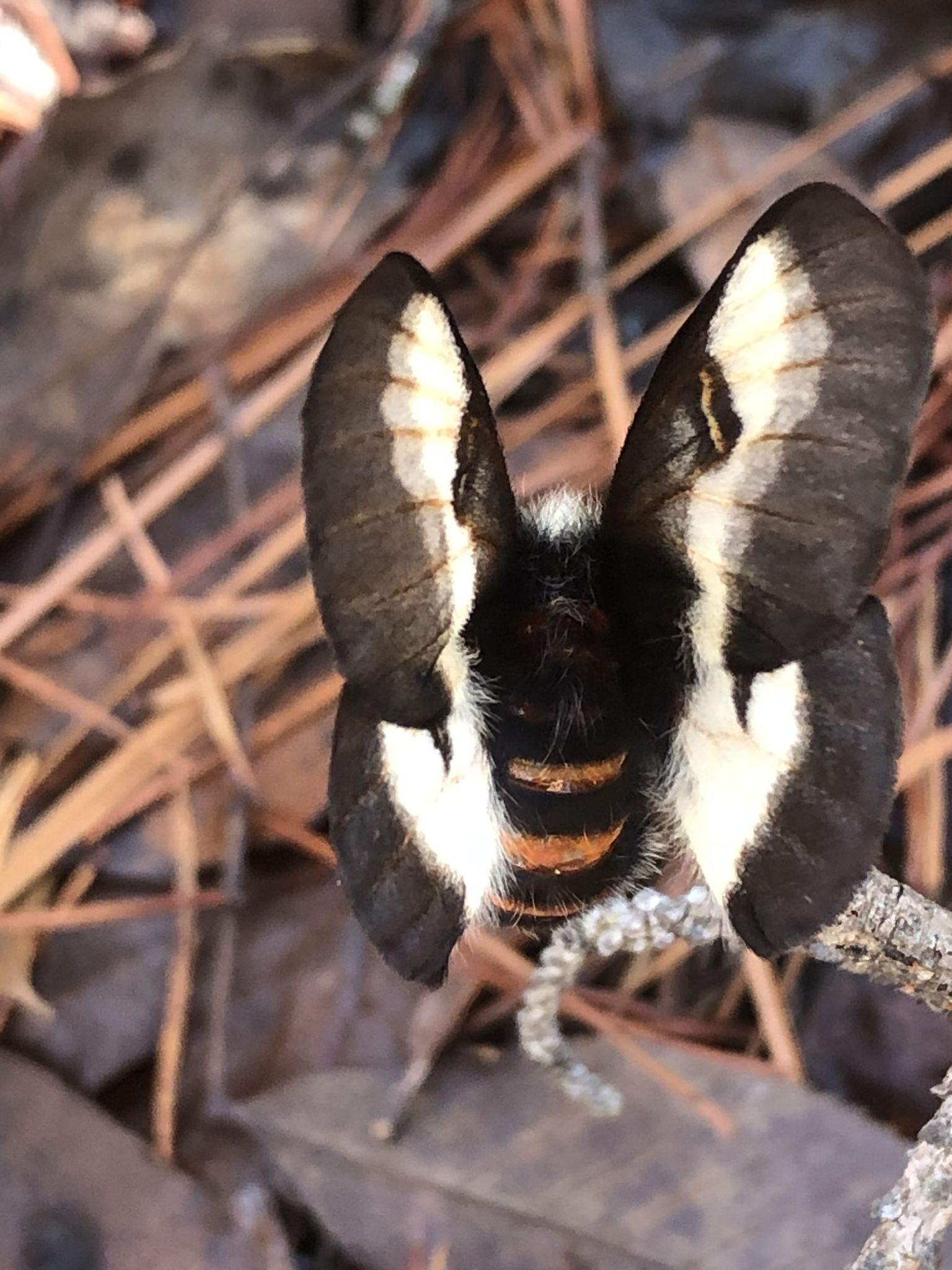
Morphological Features
Adult: forewing length 21–35 mm depending on subspecies and sex. Body and wings black or brownish-black; thorax black with tufts of rust-red hairs behind the patagia. Wings with cream-white median bands; forewing median band usually continuous, positioned exterior to the discal streak, but in some individuals the band is broken by the discal streak or reduced to small white patches. Female wings more rounded than in related subspecies, with a dark gray wing margin; females more uniformly gray than males. Median bands on both wings much wider than in other maia subspecies, covering about one-third of the wing interior. Some individuals have the posterior portion of the forewing median band faded or reduced to small white patches.
Plazi taxonomic treatment
Host Plants (0 host plants)
Data sources: EPPO Global Database and relevant literature.
No host plants available.
Quarantine Status (1 records)
Data sources: IPPC website and national quarantine websites; verified by human review.
| Country | Status | Year Added |
|---|---|---|
| United States of America | Quarantine pests | — |
Distribution (0 countries)
Data Sources: EPPO Global Database and GBIF.
No distribution records available.
Genomes (0 records)
Data source: NCBI.
No genome records available.
Transcriptomes (1 records)
Data source: NCBI.
| Run ID | Tissue | Developmental Stage | Sex | Read Count | Location | Actions |
|---|---|---|---|---|---|---|
| SRR8573176 | head | adult | not determined | 25618985 | USA: Florida, Ocala, Ocala National Forest | |
|
PRJNA522250 SRX5374154 SRP185800 insect RNA-Seq of Hemileuca maia NucleoSpin RNA II Total RNA Isolation kit (catalog no. 740955; Clontec) were used to generate RNA extracts. RNA sample quality was assessed with an Agilent 2100 Bioanalyzer and Qubit 2.0 Fluorometer. Multiplexed libraries with twelve different barcode adaptor combinations were constructed with the TruSeq RNA Sample Prep Kit v2 (catalog no. RS-122-2001, Illumina) in the Kawahara Lab at the FLMNH. {'sex': 'not determined', 'breed': 'wildtype', 'tissue': 'head', 'dev_stage': 'adult', 'collected_by': 'Akito Y. Kawahara', 'geo_loc_name': 'USA: Florida, Ocala, Ocala National Forest', 'identified_by': 'Akito Y. Kawahara', 'biosamplemodel': 'Invertebrate', 'collection_date': '2013-01-26', 'preservation method': 'ground in RNAlater, stored at -80°C', 'biomaterial_provider': 'Akito Y. Kawahara, Florida Museum of Natural History, 3215 Hull Road, Gainesville, Florida, USA 32613'} |
||||||
DNA Barcodes (411 records)
View allData source: BOLD.
| Process ID | BIN | Marker | Length | Country | Date | Lat/Lon | Sequence |
|---|---|---|---|---|---|---|---|
| TAMIC802-10 | - | COI-5P | 327 | United States | 1980-11-06 | - | |
| TAMIC801-10 | - | COI-5P | 292 | United States | 1980-11-04 | - | |
| TAMIC799-10 | - | COI-5P | 243 | United States | 1984-10-19 | - | |
| TAMIC798-10 | BOLD:AAB9411 | COI-5P | 658 | United States | 1987-12-11 | - | |
| TAMIC797-10 | BOLD:AAB9411 | COI-5P | 658 | United States | 1988-05-01 | - | |
| TAMIC796-10 | - | COI-5P | 416 | United States | 1979-11-16 | - | |
| TAMIC792-10 | BOLD:AAK4889 | COI-5P | 658 | United States | 1992-09-25 | - | |
| SDHC371-08 | BOLD:AAI6836 | COI-5P | 658 | Mexico | 2004-07-03 | 20.713, -103.569 | |
| SDHC369-08 | BOLD:AAI6836 | COI-5P | 658 | Mexico | 1998-07-26 | 28.382, -109.087 | |
| SAVSE855-15 | BOLD:ACC6680 | COI-5P | 658 | Mexico | 2014-06-15 | - |
Literature
Fetching literature from NCBI PubMed...
Failed to fetch literature