Hyaloperonospora brassicae
TaxID: 162125
Basic Information
Hyaloperonospora brassicae
Brassica Downy Mildew, Downy Mildew of Rape
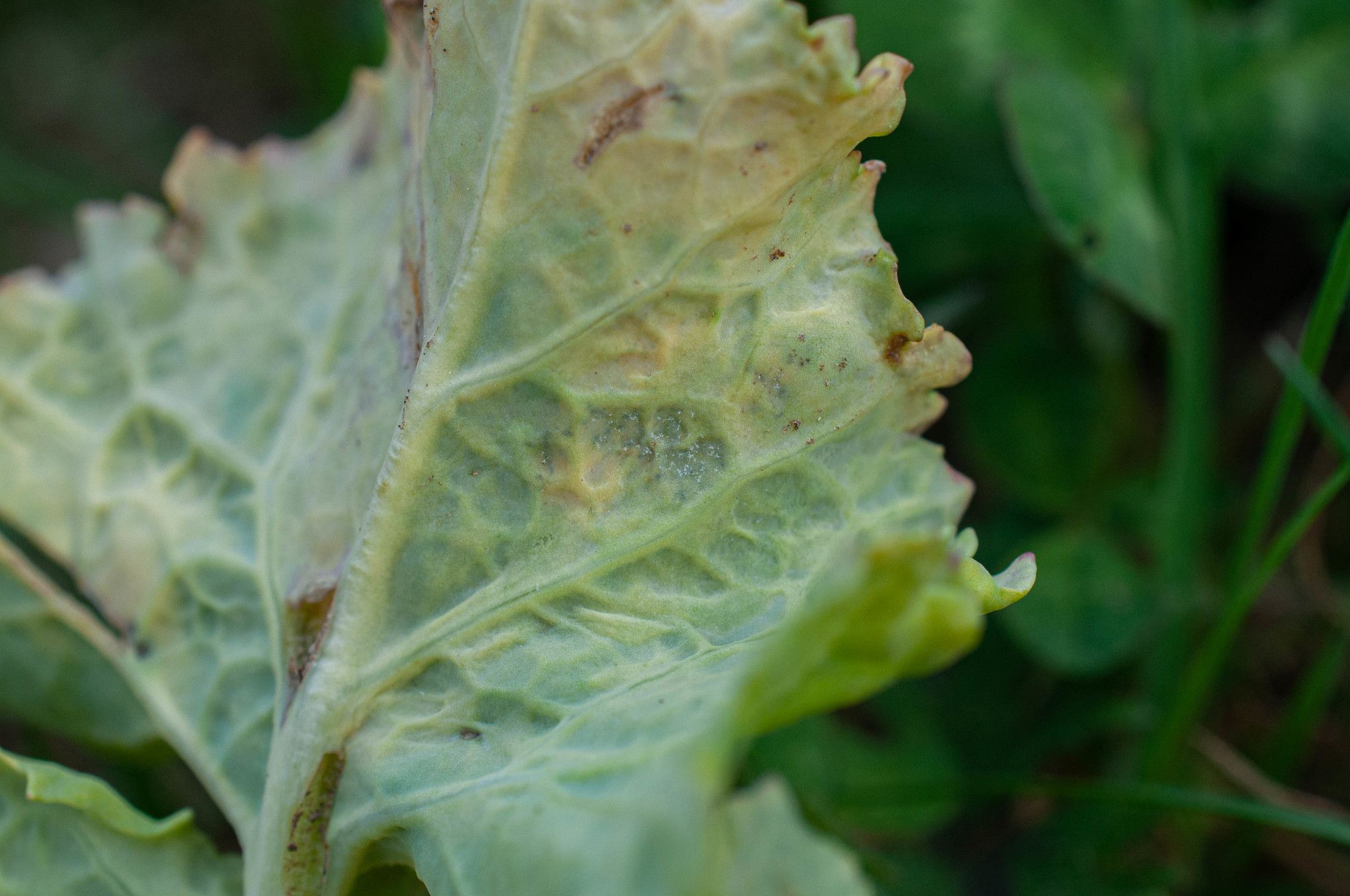
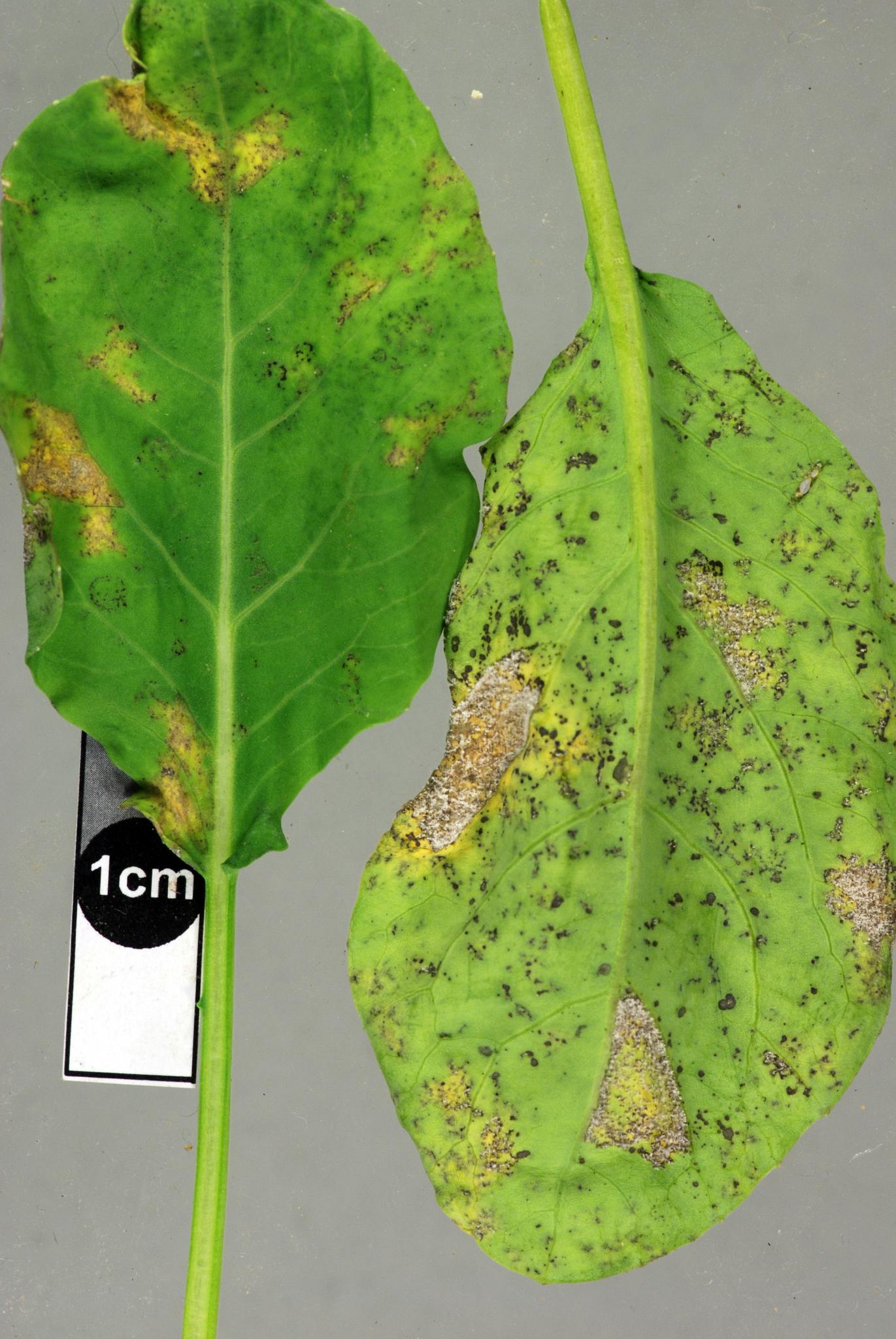
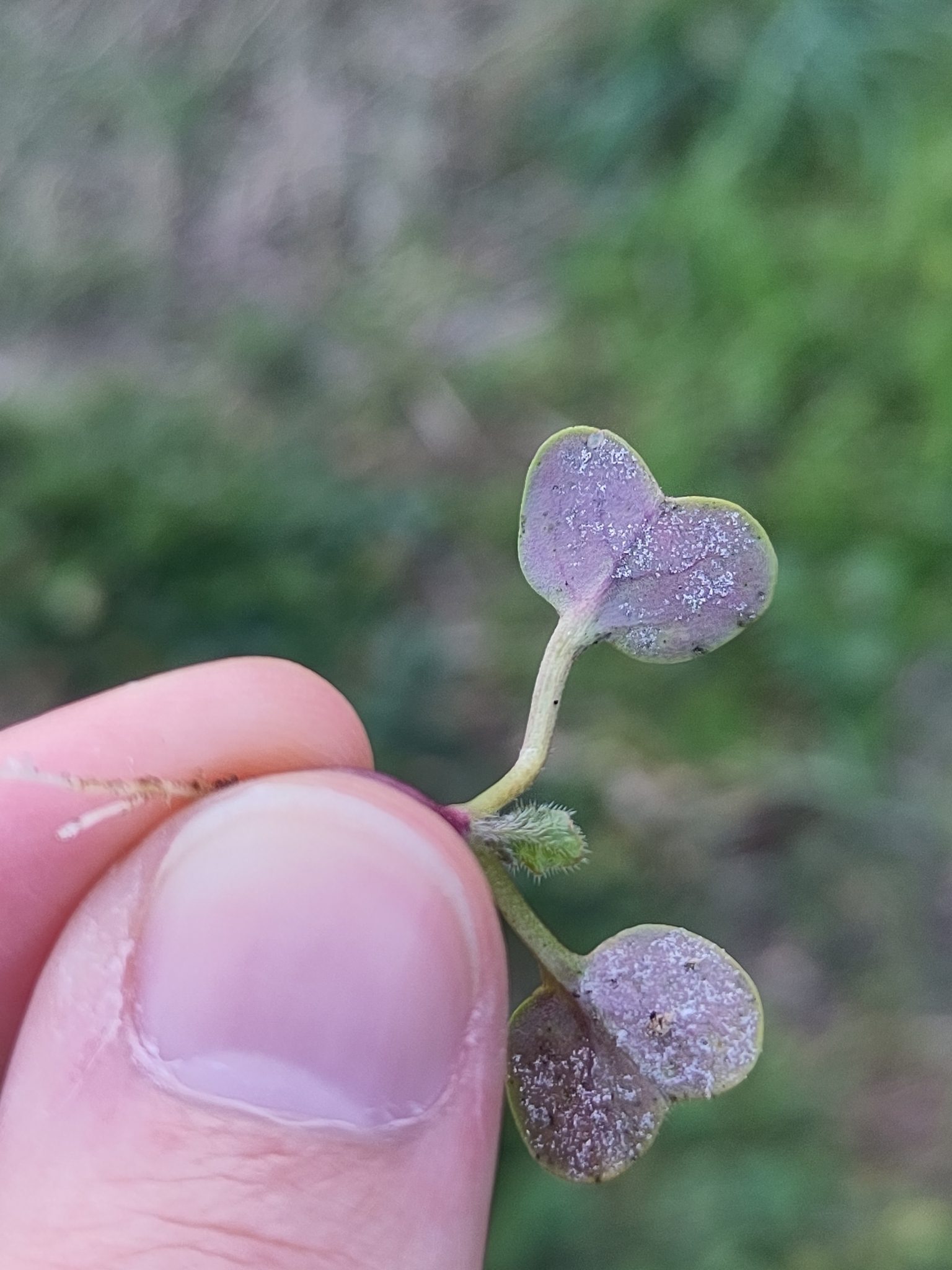
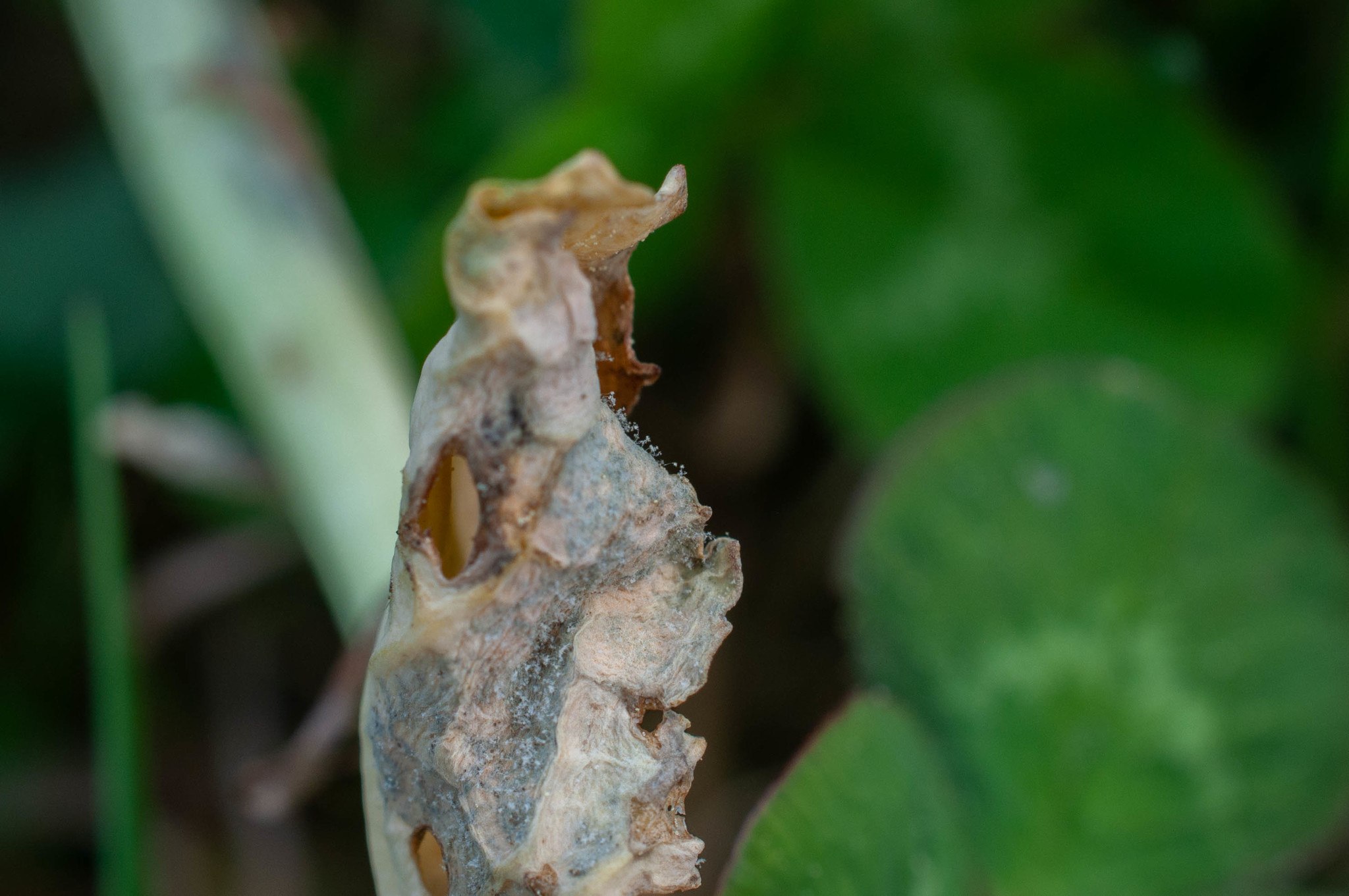
Hyaloperonospora brassicae, in the family Peronosporaceae, is a plant pathogen. It causes downy mildew of species of Brassica, Raphanus, Sinapis and probably other genera within the Brassicaceae. In the past, the cause of downy mildew in any plant in the family Brassicaceae was considered to be a single species Peronospora parasitica. However, this has recently been shown to be a complex of species with narrower host ranges, now classified in the genus Hyaloperonospora, for example Hyaloperonospora parasitica on the weed Capsella bursa-pastoris. From the perspective of plant pathology, Hyaloperonospora brassicae is now the name of the most important pathogen in this complex, attacking the major agricultural and horticultural Brassica species. Other significant Brassicaceous hosts are attacked by different species in the complex, e.g. horseradish (Armoracia rusticana) by Hyaloperonospora cochleariae, wallflower (Erysimum cheiri) by Hyaloperonospora cheiranthi. Downy mildew is a disease of major importance on the horticultural Brassica species. It is most serious on the flowerhead types (cauliflower, broccoli), less serious on the leaf brassicas (cabbage, Brussels sprouts, and least serious on the root brassicas (turnips, swedes) and oil brassicas (rape). The pathogen persists as oospores in the soil. Attacks are most important in Brassica seedbeds, with infection appearing as yellow speckling of the upper surface of seedling leaves, and white mildew on the lower surface. Severely affected seedlings are stunted or killed. Similar symptoms appear on leaves in the field, causing premature senescence and favouring bacterial spoilage in the cold store after harvest. Affected Brussels sprouts show black spotting, which reduces their market quality. The heads of flowerhead brassicas can be severely affected, and become unmarketable. Control by fungicide treatment is essential at the seed-bed stage, with reduction of humidity and leaf wetness as fas as possible. Similarly, flowerhead brassicas grown under protected conditions may require fungicide sprays. In the field, control relies on the use of healthy seedlings, adequate crop rotation and avoidance of unfavourable conditions. Fungicide sprays are not very effective. However, fungicides may in any case be used against white rust (Albugo candida), and these have some action against H. brassicae.
from Wikipedia
Taxonomic Information
Eukaryota
Oomycota
Peronosporomycetes
Peronosporales
Peronosporaceae
Hyaloperonospora
brassicae
nan
Species
nan
k__Eukaryota;p__Oomycota;c__Peronosporomycetes;o__Peronosporales;f__Peronosporaceae;g__Hyaloperonospora;s__Hyaloperonospora brassicae
nan
Fungal organisms
Photos (5 photos)
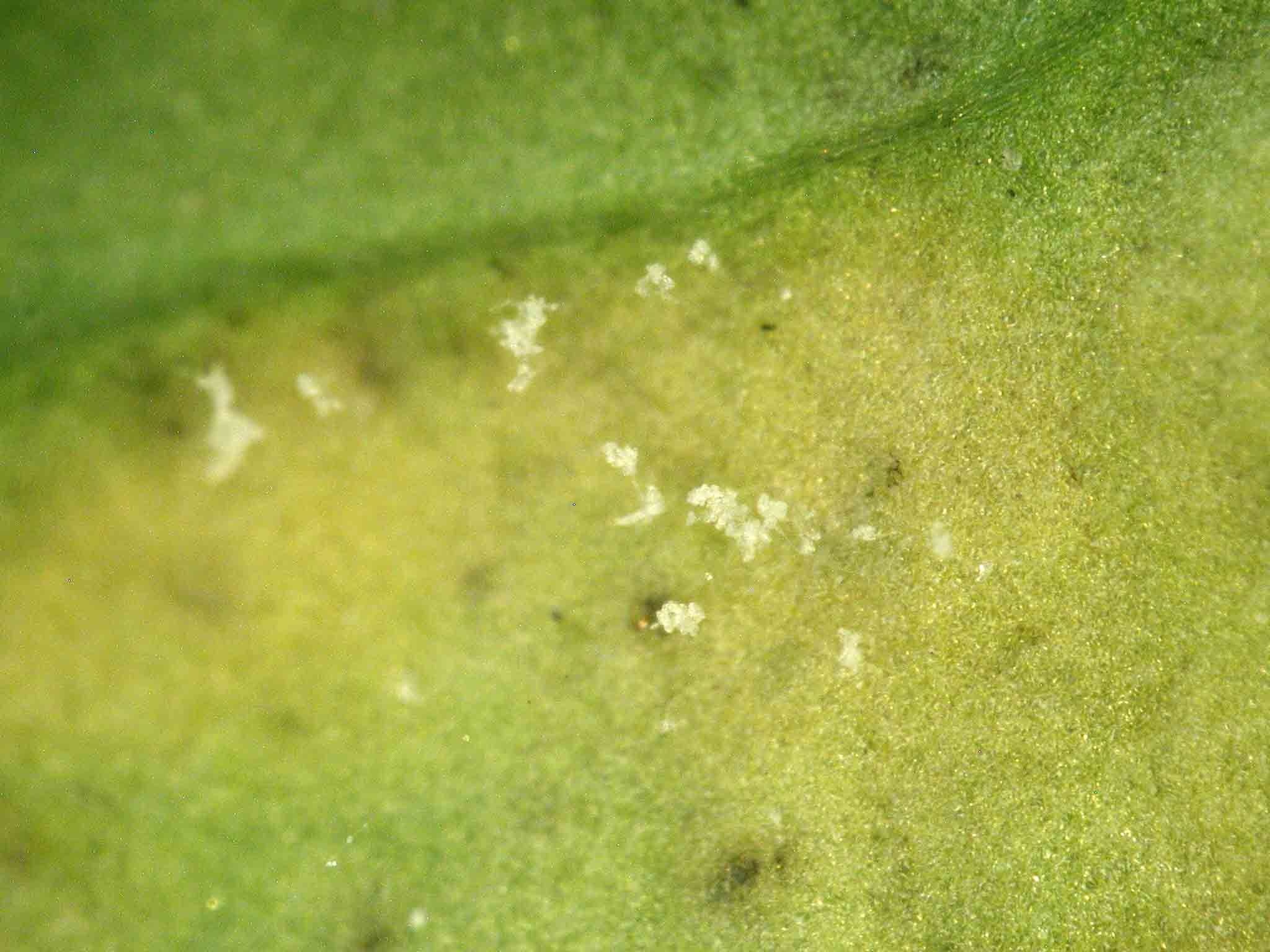
Morphological Features
No morphological description available.
Host Plants (0 host plants)
Data sources: EPPO Global Database and relevant literature.
No host plants available.
Quarantine Status (2 records)
Data sources: IPPC website and national quarantine websites; verified by human review.
Distribution (20 countries)
Data Sources: EPPO Global Database and GBIF.
| Country | Status | State |
|---|---|---|
| Australia | Present | — |
| Austria | Present | — |
| Belgium | Present | — |
| Canada | Present | — |
| Switzerland | Present | — |
| Germany | Present | — |
| Denmark | Present | — |
| Spain | Present | — |
| Estonia | Present | — |
| Finland | Present | — |
Distribution Map (Latitude and longitude coordinates sourced from GBIF.)
Download CSVGenomes (1 records)
Data source: NCBI.
| Assembly Accession | Assembly Level | Genome Size(Mb) | Contig N50(Kb) | Scaffold N50(Kb) | BUSCO% | Downloads | Actions |
|---|---|---|---|---|---|---|---|
| GCA_019297655.1 | Scaffold | 76 | 12 | 24 | - |
|
|
|
ASM1929765v1 |
|||||||
Transcriptomes (0 records)
Data source: NCBI.
No transcriptome records available.
DNA Barcodes (2 records)
View allData source: BOLD.
| Process ID | BIN | Marker | Length | Country | Date | Lat/Lon | Sequence |
|---|---|---|---|---|---|---|---|
| GBAAW82736-24 | BOLD:AHB3513 | COI-5P | 600 | - | - | - | |
| GBAAW82735-24 | BOLD:AHB3513 | COI-5P | 600 | - | - | - |
Literature
Fetching literature from NCBI PubMed...
Failed to fetch literature