Bothynus
TaxID: 1247177
Basic Information
Bothynus
Rhinoceros Beetles
nan
from Wikipedia
Taxonomic Information
Eukaryota
Arthropoda
Insecta
Coleoptera
Scarabaeidae
Bothynus
nan
nan
Genus
nan
k__Eukaryota;p__Arthropoda;c__Insecta;o__Coleoptera;f__Scarabaeidae;g__Bothynus;s__unclassified
nan
Arthropods
Photos (5 photos)
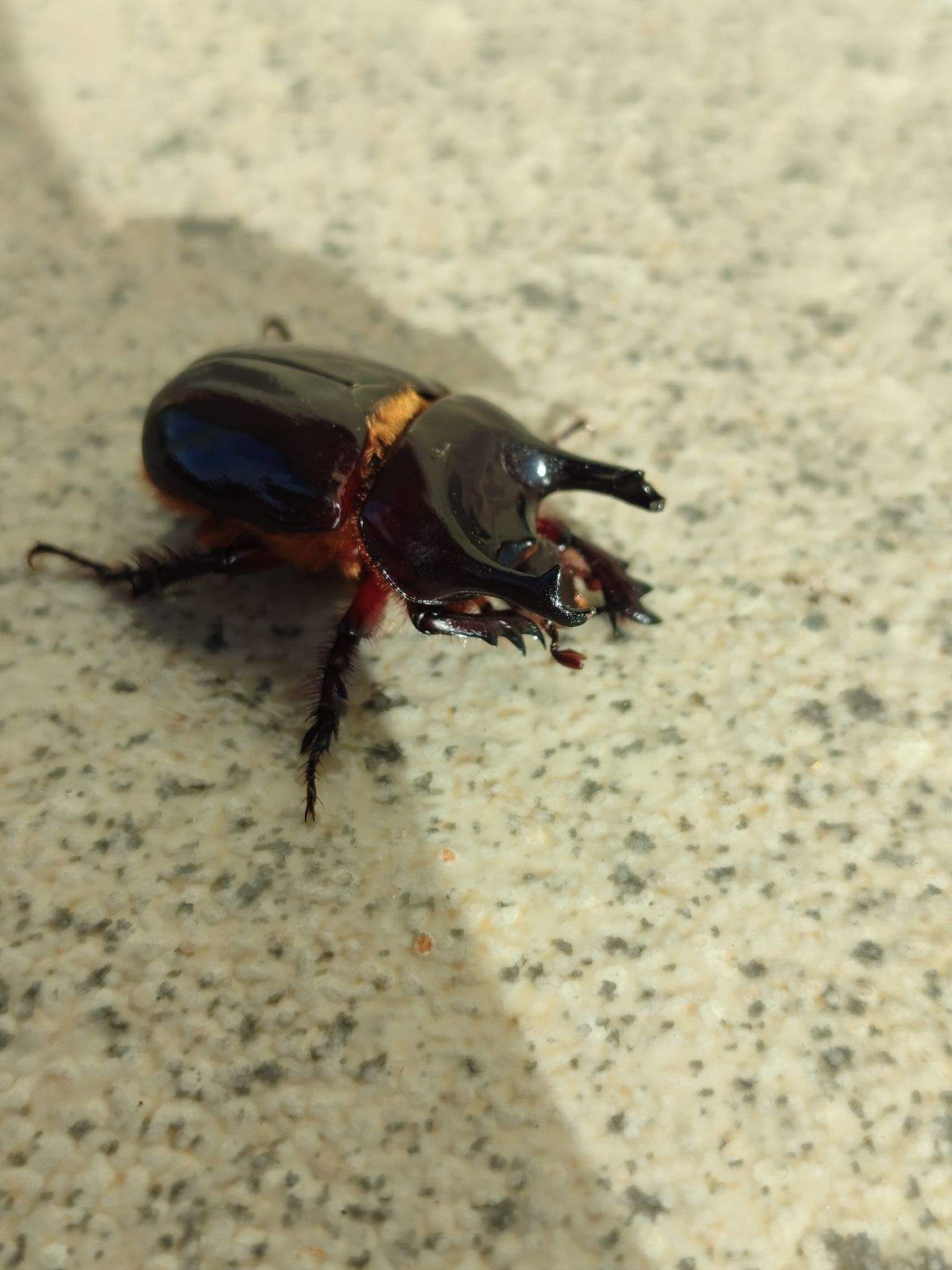
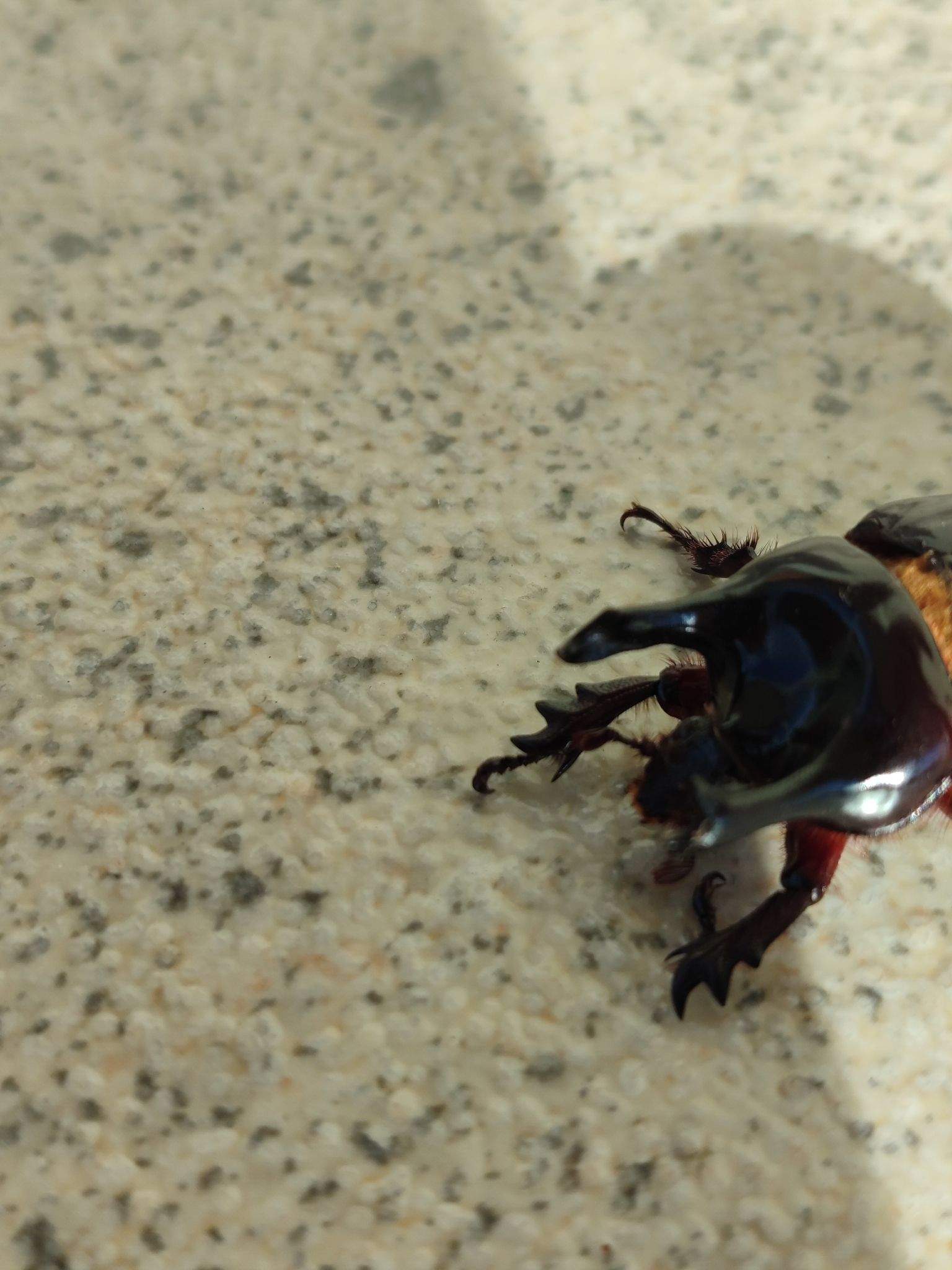
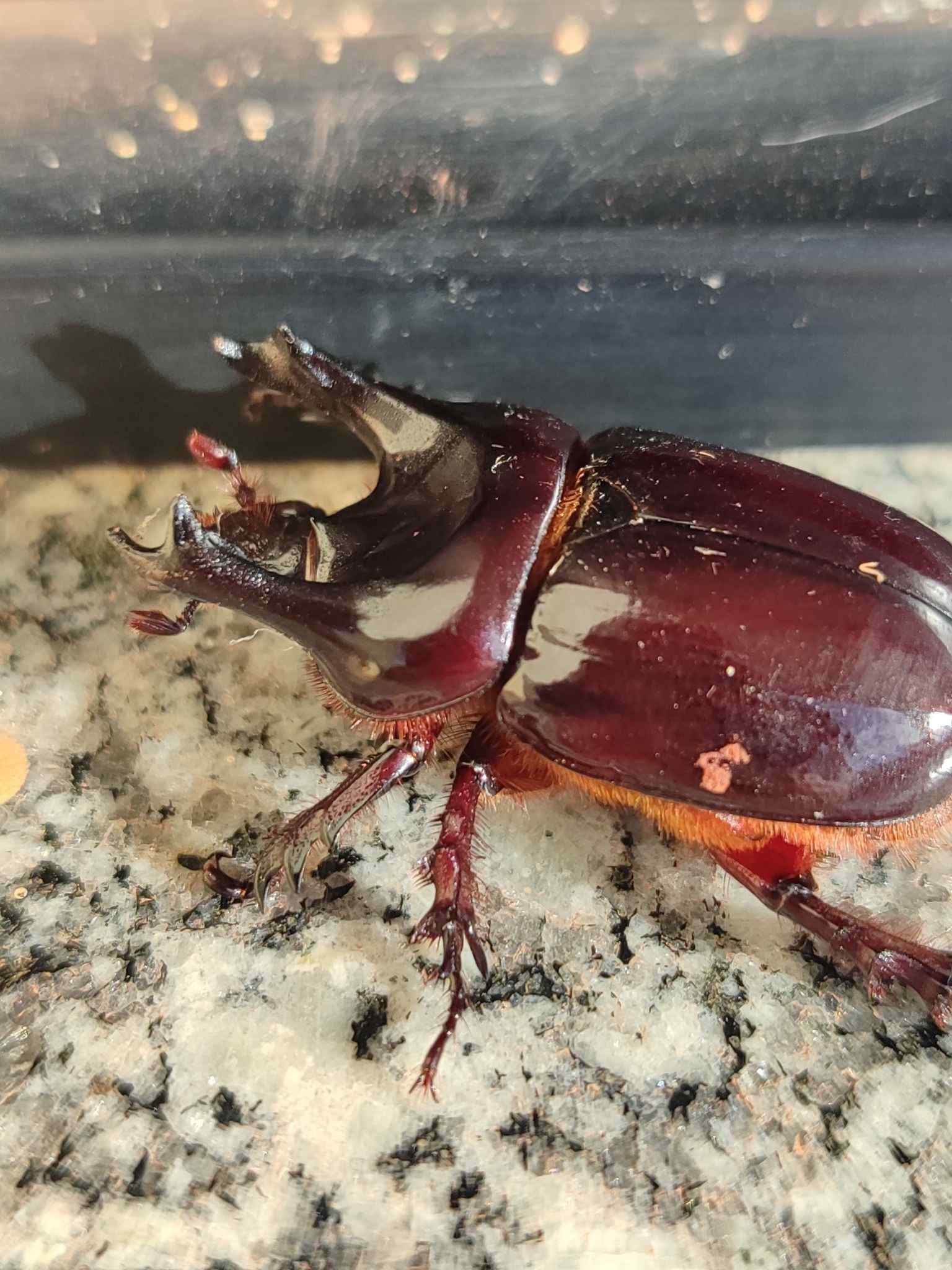
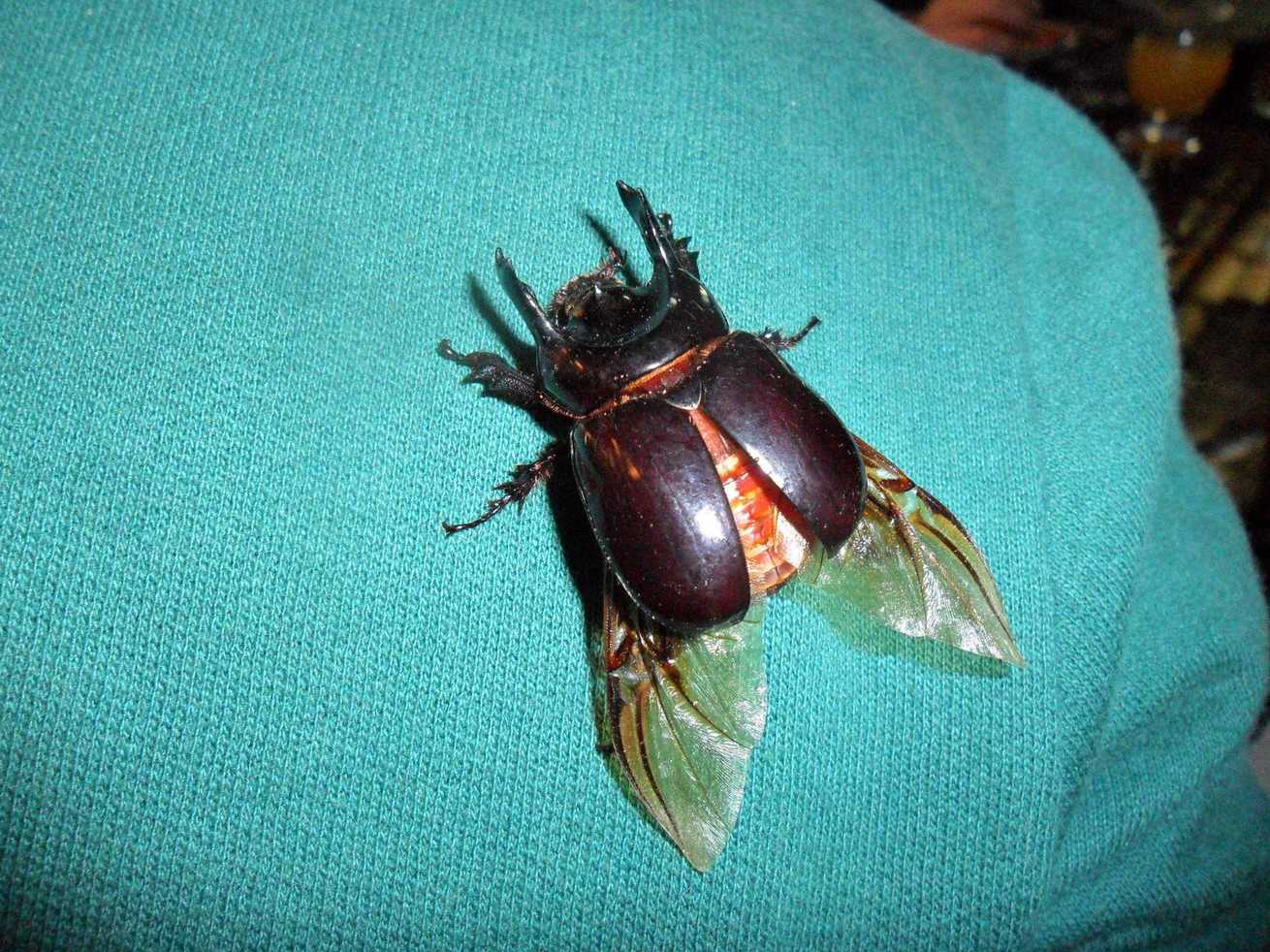
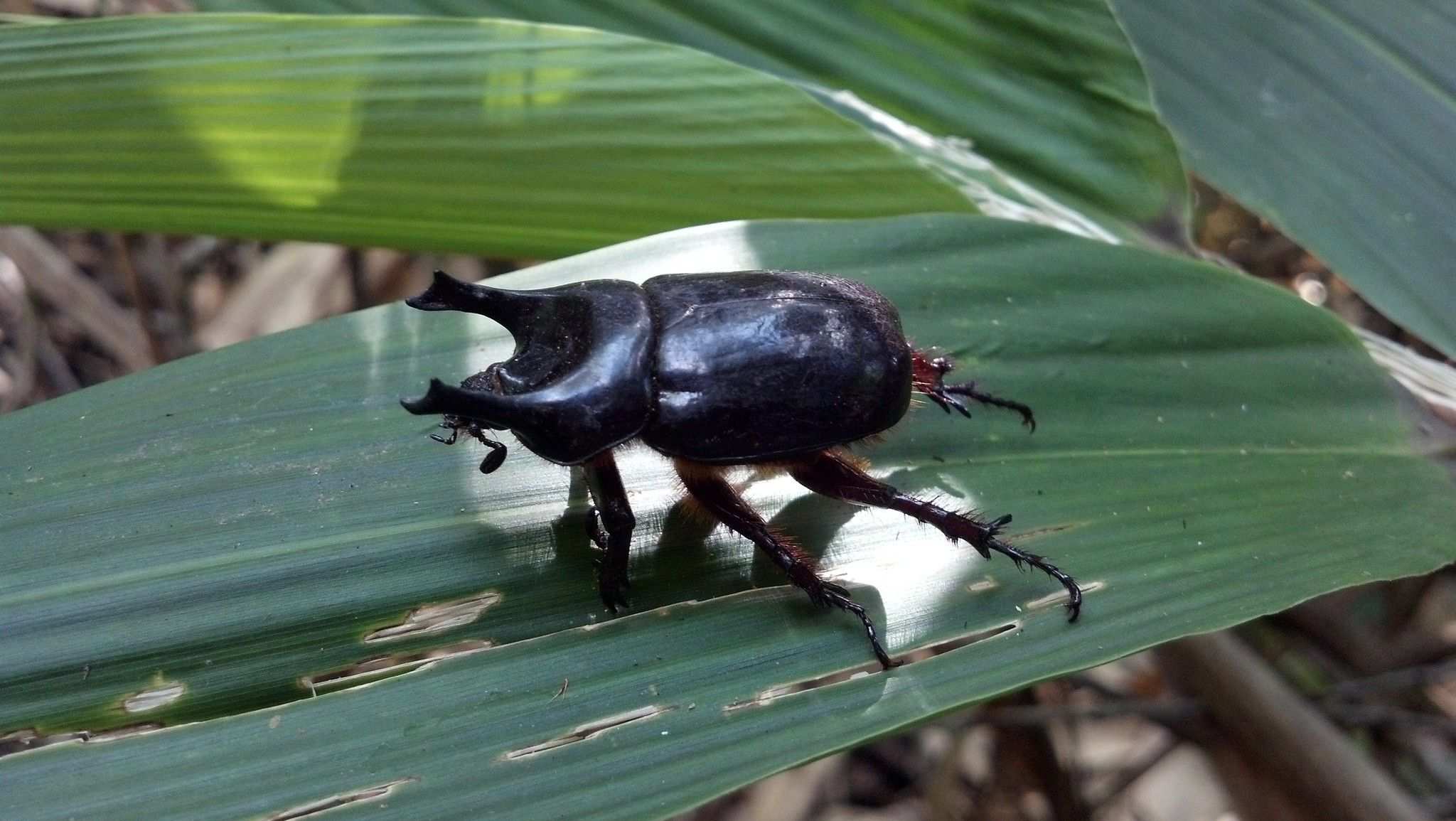
Morphological Features
Body length 16.2–30.8 mm, width 13.0–16.5 mm. Colour usually reddish to reddish brown, rarely dark brown or nearly entirely black with dark reddish tarsi. Head: clypeus subtrapezoidal to subtriangular, twice as wide as long or posterior width 2.7–3.2 times anterior width; dorsal surface rugopunctate, glabrous to moderately setose; clypeus surrounded by dense setae projecting from ventral surface. Frons transversely rugose or coarsely rugopunctate, usually with scarce setae on sides. Frontoclypeal region bearing a transverse, incomplete, raised carina not reaching lateral margins of head. Ocular canthus transverse, subrectangular, glabrous dorsally, ventrally bearing a transverse fringe of setae. Antennal club subequal in length to antennomeres 2–7 combined. Pronotum, in dorsal view, with a tubercle contiguous with middle of anterior margin; anterior area with a shallow to deep, rounded or oval cavity; surface transversely rugose to densely punctate; sides broadly rounded. Prosternal process columnar, cylindrical, projecting between coxae, apex oval. Scutellar plate mostly subtriangular, usually smooth. Elytra and part of pronotum may be covered with small setae. Legs: inner protarsal claw strongly curved, simple, equal in length to outer claw, or deeply incised or bearing a ventromedial process; protarsomere 5 subequal in length to protarsomeres 3–4 combined. Abdomen: tergite 7 with stridulatory apparatus formed by 1–2 bands of transverse striae; tergite 8 transverse, subtriangular, from rugose to densely punctate, glabrous to densely setose; sternite 8 from parabolic to subtriangular, with entire posterior margin. Aedeagus: phalobasis nearly 1.5 times longer than parameres; parameres, in caudal view, oval, long (1.5 times longer than wide), rounded laterally in basal half, apex usually with 2 oval lobes produced laterodorsally.
Plazi taxonomic treatment
Host Plants (0 host plants)
Data sources: EPPO Global Database and relevant literature.
No host plants available.
Quarantine Status (1 records)
Data sources: IPPC website and national quarantine websites; verified by human review.
| Country | Status | Year Added |
|---|---|---|
| United States of America | Quarantine pests | — |
Distribution (0 countries)
Data Sources: EPPO Global Database and GBIF.
No distribution records available.
Genomes (0 records)
Data source: NCBI.
No genome records available.
Transcriptomes (0 records)
Data source: NCBI.
No transcriptome records available.
Literature
Fetching literature from NCBI PubMed...
Failed to fetch literature