Orgyia antiqua
TaxID: 335469
Basic Information
Orgyia antiqua
Moth, Rusty Tussock Moth, rusty tussock moth
Orgyia antiqua, the rusty tussock moth or vapourer, is a moth in the family Erebidae.
from Wikipedia
Taxonomic Information
Metazoa
Arthropoda
Insecta
Lepidoptera
Erebidae
Orgyia
antiqua
unclassified
Species
nan
k__Metazoa;p__Arthropoda;c__Insecta;o__Lepidoptera;f__Erebidae;g__Orgyia;s__Orgyia antiqua
nan
Arthropods
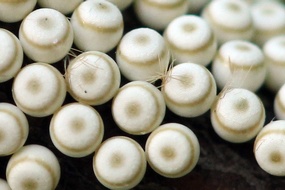
Photos (5 photos)
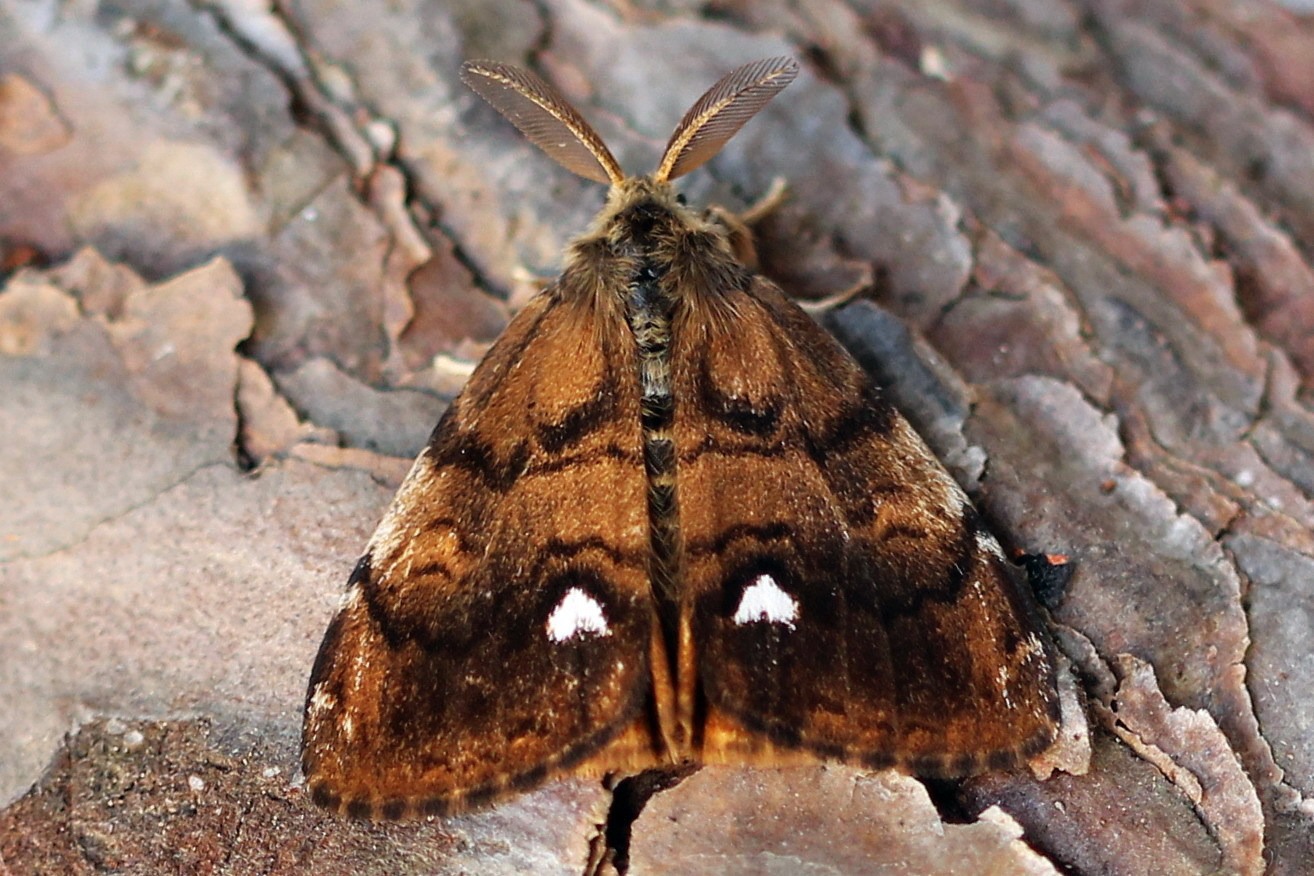
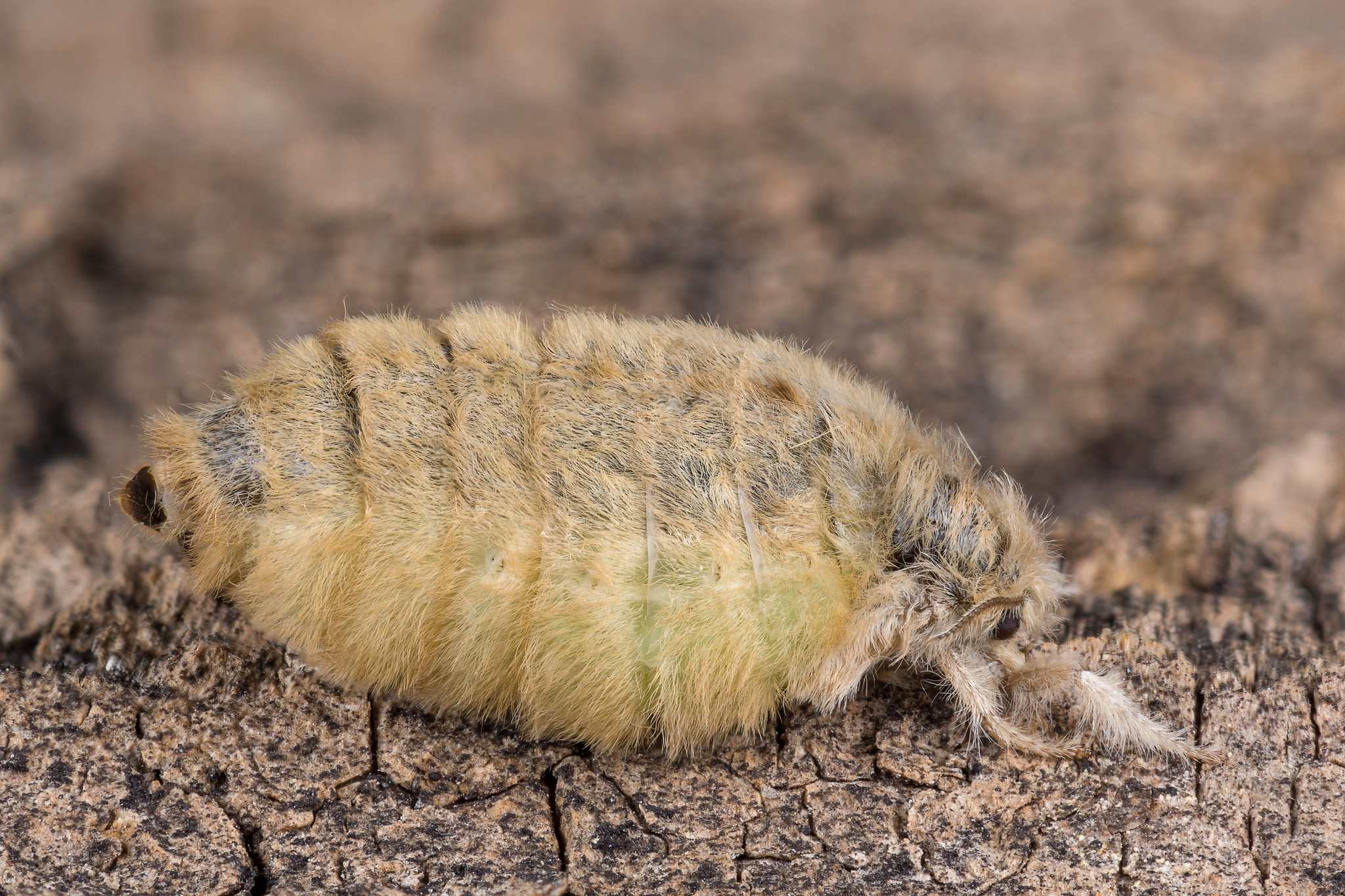
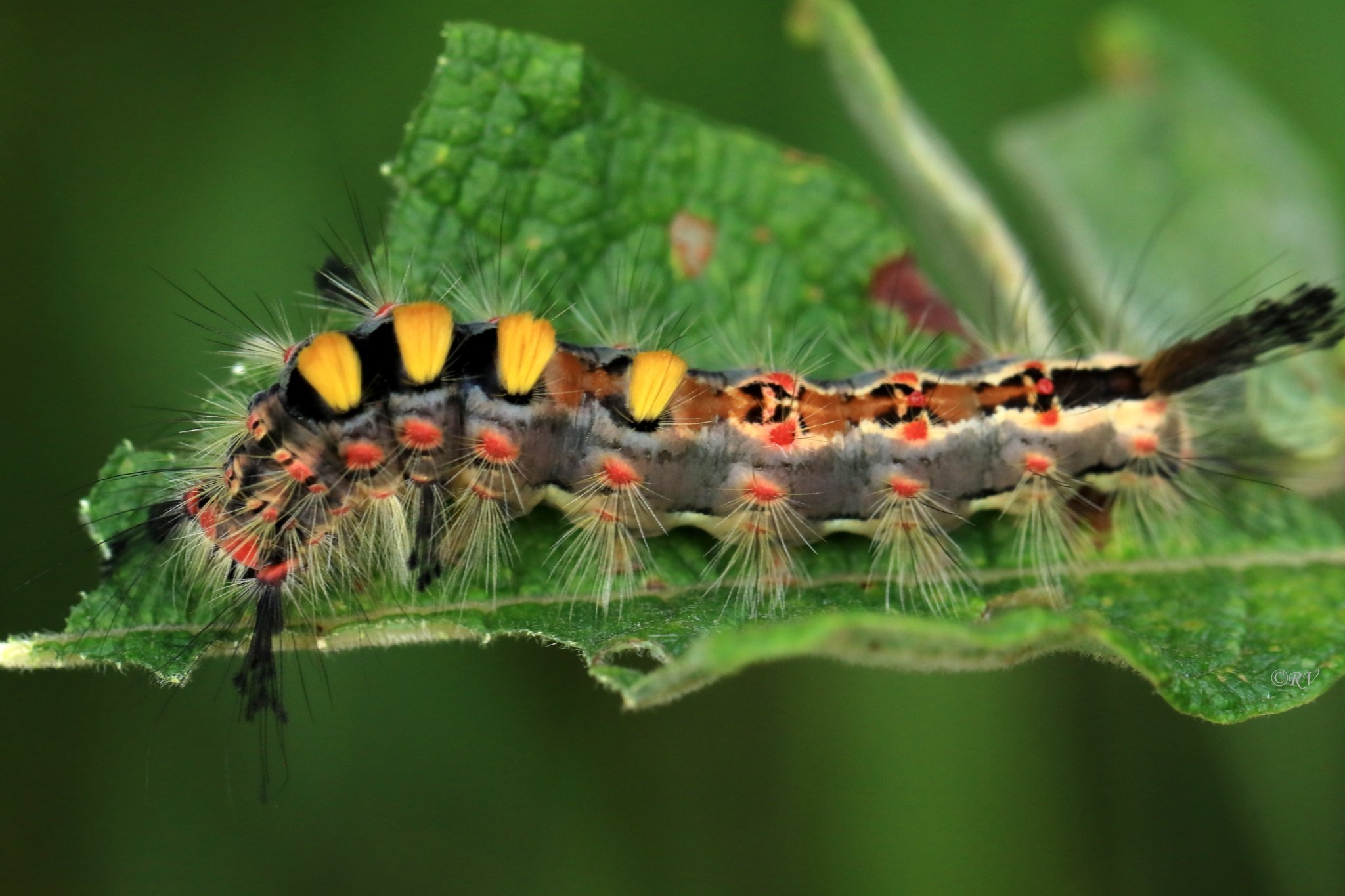
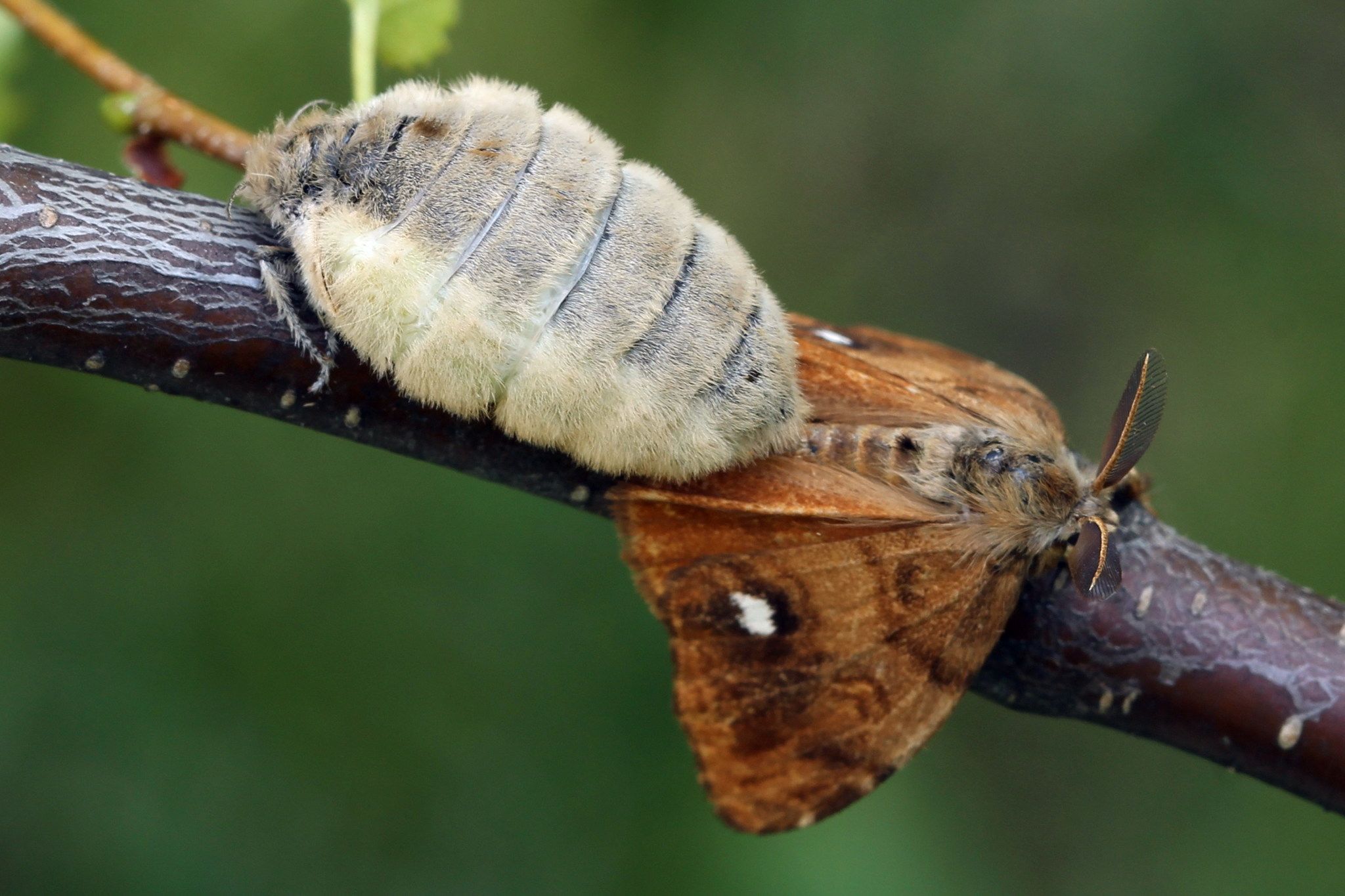
Morphological Features
No morphological description available.
Host Plants (0 host plants)
Data sources: EPPO Global Database and relevant literature.
No host plants available.
Quarantine Status (6 records)
Data sources: IPPC website and national quarantine websites; verified by human review.
Distribution (50 countries)
Data Sources: EPPO Global Database and GBIF.
| Country | Status | State |
|---|---|---|
| Algeria | Present | — |
| Australia | Present | — |
| Austria | Present | — |
| Azerbaijan | Present | — |
| Belgium | Present | — |
| Bulgaria | Present | — |
| Bosnia and Herzegovina | Present | — |
| Belarus | Present | — |
| Canada | Present | — |
| Switzerland | Present | — |
Distribution Map (Latitude and longitude coordinates sourced from GBIF.)
Download CSVGenomes (1 records)
Data source: NCBI.
| Assembly Accession | Assembly Level | Genome Size(Mb) | Contig N50(Kb) | Scaffold N50(Kb) | BUSCO% | Downloads | Actions |
|---|---|---|---|---|---|---|---|
| GCA_916999025.1 | Chromosome | 480 | 32004 | 34414 | - |
|
|
|
ilOrgAnti1.1 |
|||||||
Transcriptomes (3 records)
Data source: NCBI.
| Run ID | Tissue | Developmental Stage | Sex | Read Count | Location | Actions |
|---|---|---|---|---|---|---|
| SRR24916531 | Antennae | Adult | male | 37609432 | United Kingdom: Wytham | |
|
PRJNA967275 SRX20677427 SRP443367 insect RNA-seq of Orgyia antiqua: male antennae The antennae used for RNAseq was from a wild caught male from Wytham Woods, Oxfordshire (collected 08 Sept 2020). The antenna was separated manually, and RNA extracted using the MirVana kit from Invitrogen at the Sanger Institute. The NEB Ultra II Directional RNA Library Prep Kit was used, following manufacturers recommendations with the following adaptations - use of TSQ adapter, Sanger UDI tag set and Kapa Hifi Polymerase. 16 PCR cycles were used, and the resulting library was sequenced on the HiSeq 4000. Adult male {'sex': 'male', 'tissue': 'Antennae', 'isolate': 'Adult male', 'dev_stage': 'Adult', 'collected_by': 'Douglas Boyes', 'geo_loc_name': 'United Kingdom: Wytham', 'biosamplemodel': 'Invertebrate', 'collection_date': '2020-09-08', 'isolation_source': 'Wild UK caught'} |
||||||
| SRR24916530 | Whole | 1st instar larvae | - | 26236069 | United Kingdom | |
|
PRJNA967275 SRX20677428 SRP443367 insect RNA-seq of Orgyia antiqua: larvae Female parent captive reared from eggs from Worldwide Butterflies, Dorset, UK; male parent was wild caught moth Wallingford, Oxfordshire, UK; eggs laid 8/2021, overwintered, larvae hatched F2/2022; 30 x first instar larvae collected 21 Feb 2022. Method: Larvae homogenized in RNAProtect, RNA extracted using QIAGEN RNAeasy Plus Micro kit, mRNA purified using poly-T oligo-attached magnetic beads, fragmentation, first strand cDNA synthesis using random hexamer primers, second strand cDNA synthesis, end repair, A-tailing, adapter ligation, size selection, amplification, purification. Adapter sequences are AGATCGGAAGAGCGTCGTGTAGGGAAAGAGTGTAGATCTCGGTGGTCGCCGTATCATT and GATCGGAAGAGCACACGTCTGAACTCCAGTCACGGATGACTATCTCGTATGCCGTCTTCTGCTTG Larvae {'tissue': 'Whole', 'isolate': 'Larvae', 'dev_stage': '1st instar larvae', 'collected_by': 'Peter Holland', 'geo_loc_name': 'United Kingdom', 'biosamplemodel': 'Invertebrate', 'collection_date': '2022-02-21', 'isolation_source': 'Laboratory reared UK stock'} |
||||||
| SRR24916529 | Whole | 36h ael embryonic | - | 19201420 | United Kingdom | |
|
PRJNA967275 SRX20677429 SRP443367 insect RNA-seq of Orgyia antiqua: eggs/embryos ~200 eggs collected 36h after egg-laying; Female parent captive reared from eggs from Worldwide Butterflies, Dorset, UK; male parent was wild moth Wallingford, Oxfordshire, UK; For Location use UK. Mating 28 Aug 2021, eggs laid 28 Aug 2021; RNA extracted 29 Aug 2021. Method: RNA extracted using Trizol, mRNA purified using poly-T oligo-attached magnetic beads, fragmentation, first strand cDNA synthesis using random hexamer primers, second strand cDNA synthesis, end repair, A-tailing, adapter ligation, size selection, amplification, purification. Adapter sequences are AGATCGGAAGAGCGTCGTGTAGGGAAAGAGTGTAGATCTCGGTGGTCGCCGTATCATT and GATCGGAAGAGCACACGTCTGAACTCCAGTCACGGATGACTATCTCGTATGCCGTCTTCTGCTTG Eggs/embryos {'tissue': 'Whole', 'isolate': 'Eggs/embryos', 'dev_stage': '36h ael embryonic', 'collected_by': 'Peter Holland', 'geo_loc_name': 'United Kingdom', 'biosamplemodel': 'Invertebrate', 'collection_date': '2021-08-29', 'isolation_source': 'Laboratory reared UK stock'} |
||||||
Literature
Fetching literature from NCBI PubMed...
Failed to fetch literature