Tulip breaking virus
TaxID: 12229
Basic Information
Tulip breaking virus
Tulip Breaking Virus
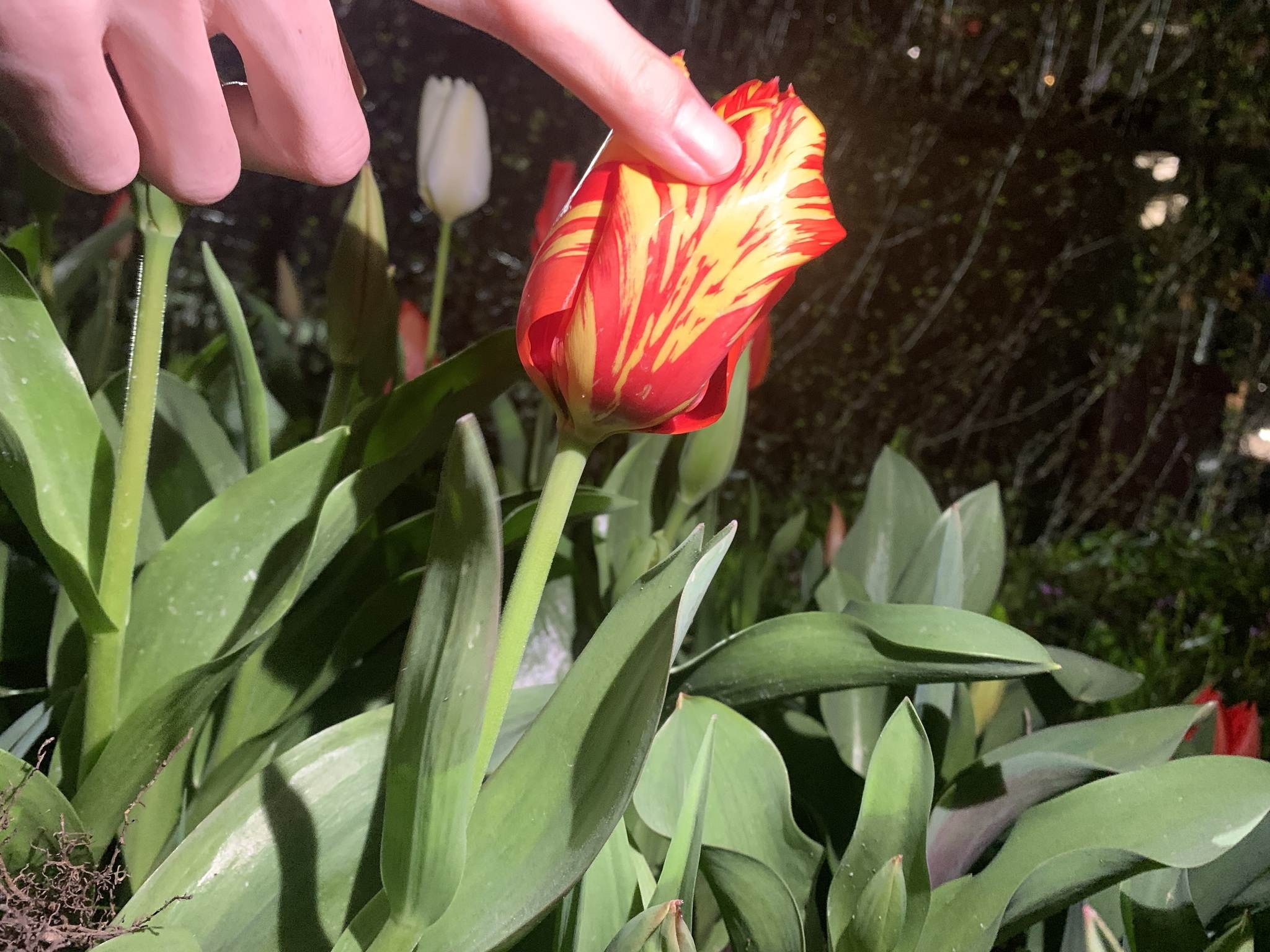
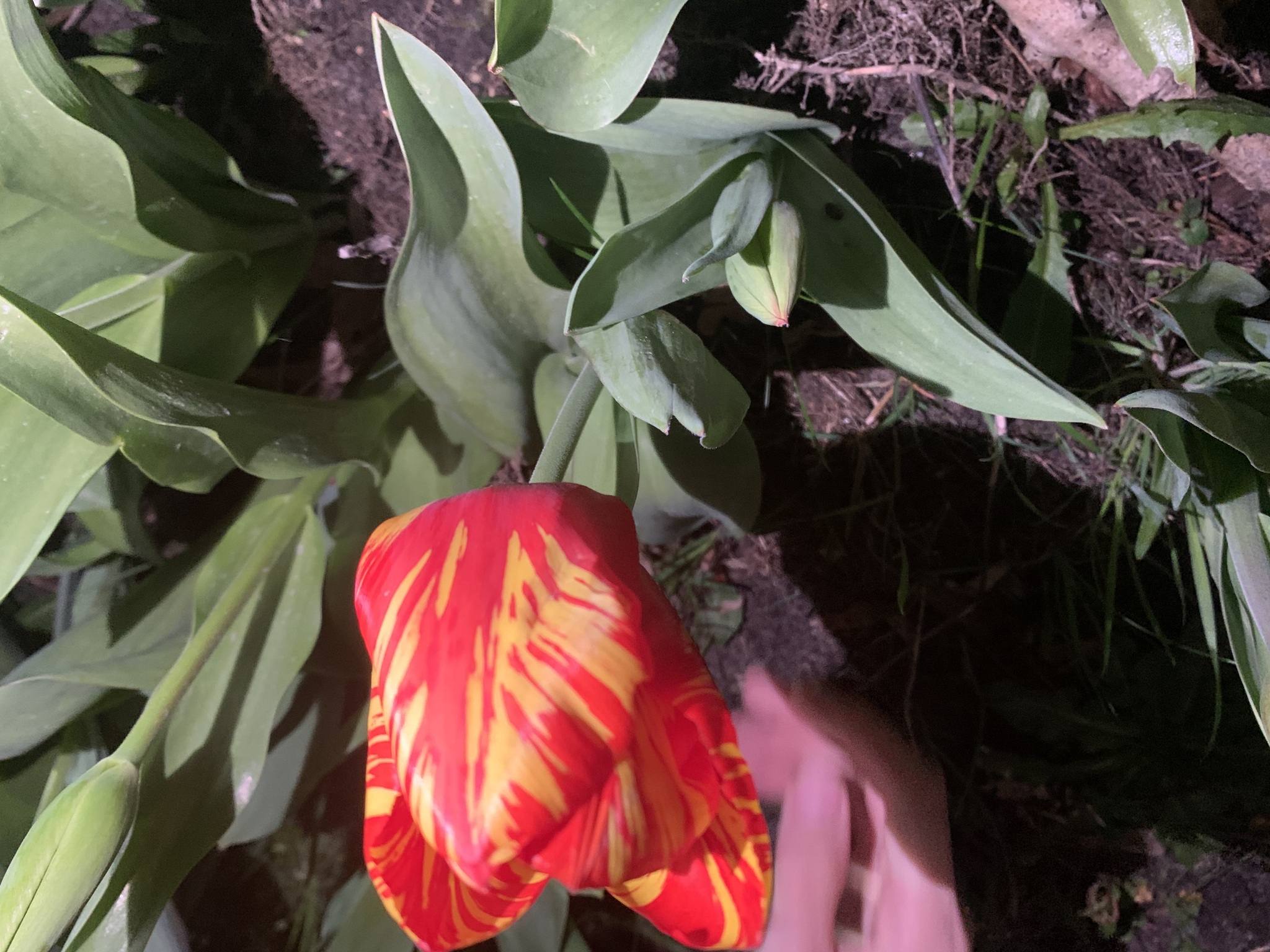
Tulip breaking virus is one of five plant viruses of the family Potyviridae that cause color-breaking of tulip flowers. These viruses infect plants in only two genera of the family Liliaceae: tulips (Tulipa) and lilies (Lilium). Also known as the tulip break virus, lily streak virus, lily mosaic virus, or simply TBV, tulip breaking virus is most famous for its dramatic effects on the color of the tulip perianth, an effect highly sought after during the 17th-century Dutch "tulip mania". Tulip breaking virus is a potyvirus. A distant serological relationship between Tulip breaking virus and Tobacco etch virus was discovered in 1971. Tulip breaking virus (TBV), tulip top-breaking virus (TTBV), tulip bandbreaking virus (TBBV), Rembrandt tulip-breaking virus (ReTBV), and lily mottle virus (LMoV) have all been identified as potyviruses by serology and potyvirus-specific polymerase chain reaction (PCR). In addition, sequence analysis of amplified DNA fragments has classified them all as distinct viruses or strains; recently TTBV has been found to be strain-related to turnip mosaic virus.
from Wikipedia
Taxonomic Information
Orthornavirae
Pisuviricota
Stelpaviricetes
Patatavirales
Potyviridae
Potyvirus
Tulip breaking virus
nan
Species
nan
nan
nan
Viruses/Viroids
Photos (5 photos)



Morphological Features
No morphological description available.
Host Plants (0 host plants)
Data sources: EPPO Global Database and relevant literature.
No host plants available.
Quarantine Status (5 records)
Data sources: IPPC website and national quarantine websites; verified by human review.
| Country | Status | Year Added |
|---|---|---|
| Guatemala | Absent | — |
| India | Quarantine pests | — |
| Mexico | Quarantine pests | — |
| Peru | Absent | — |
| French Polynesia | Quarantine pests | — |
Distribution (0 countries)
Data Sources: EPPO Global Database and GBIF.
No distribution records available.
Genomes (0 records)
Data source: NCBI.
No genome records available.
Transcriptomes (0 records)
Data source: NCBI.
No transcriptome records available.
Literature
Fetching literature from NCBI PubMed...
Failed to fetch literature