Protaetia speciosa
TaxID: 2900056
Basic Information
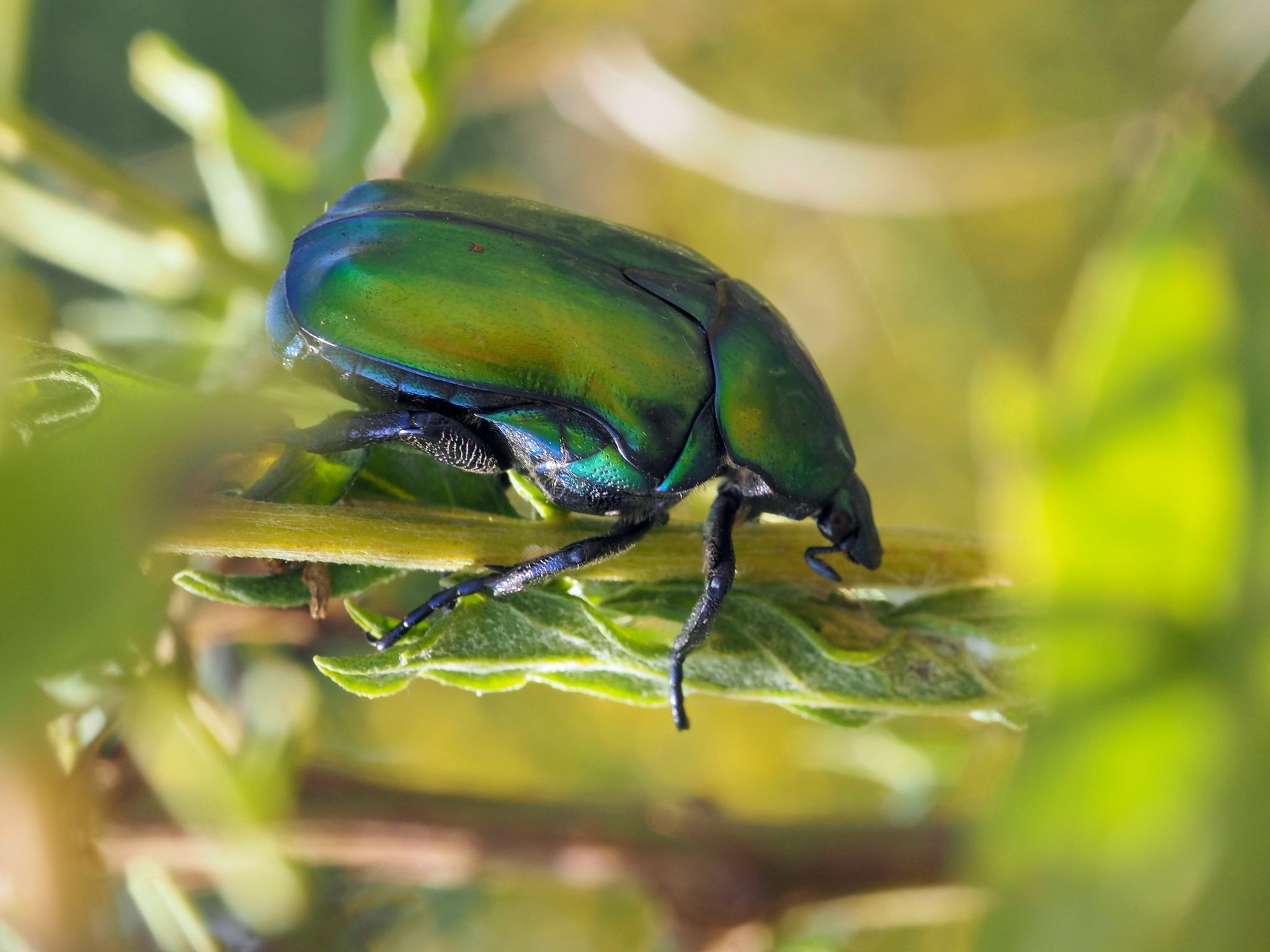
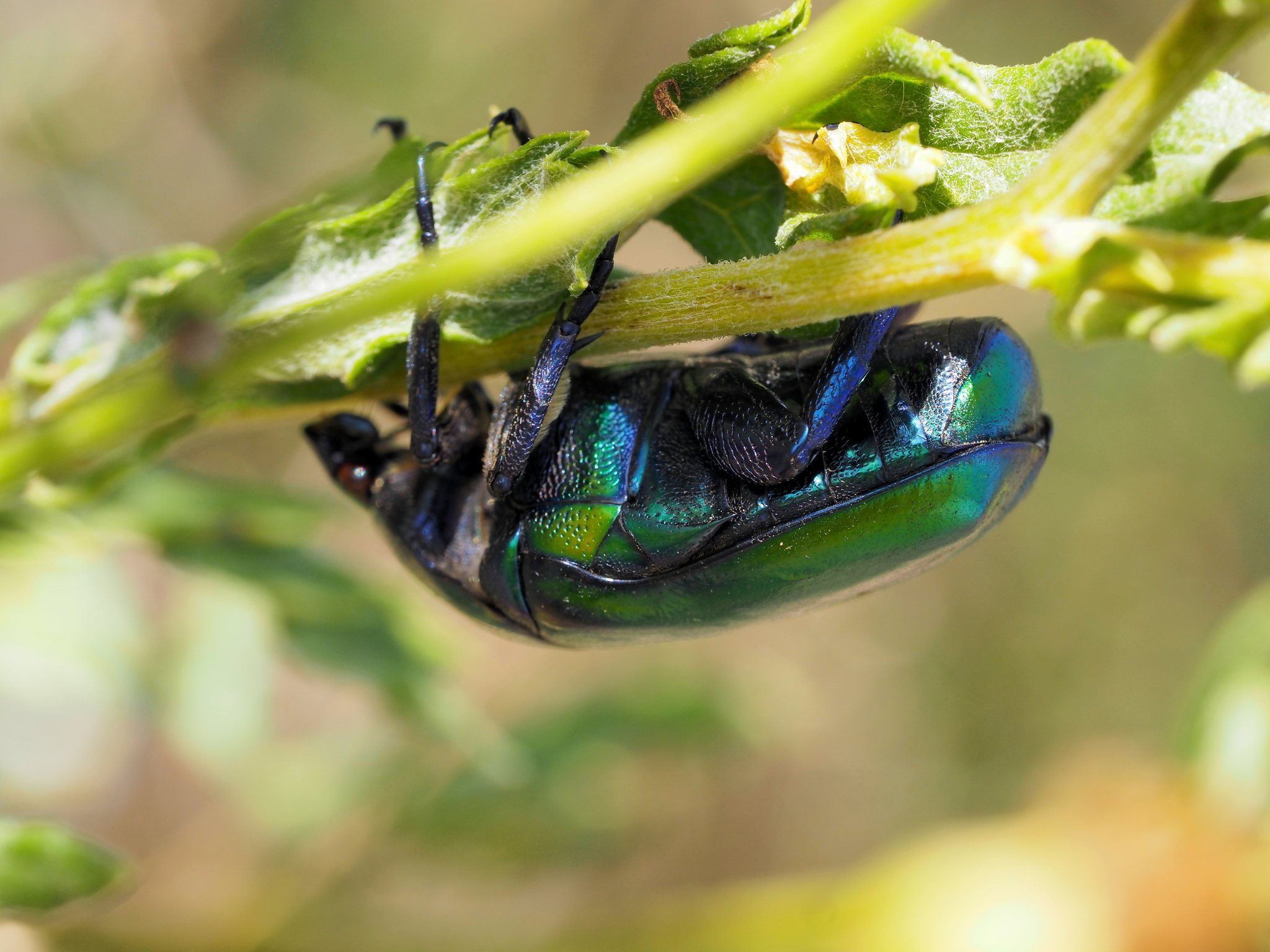
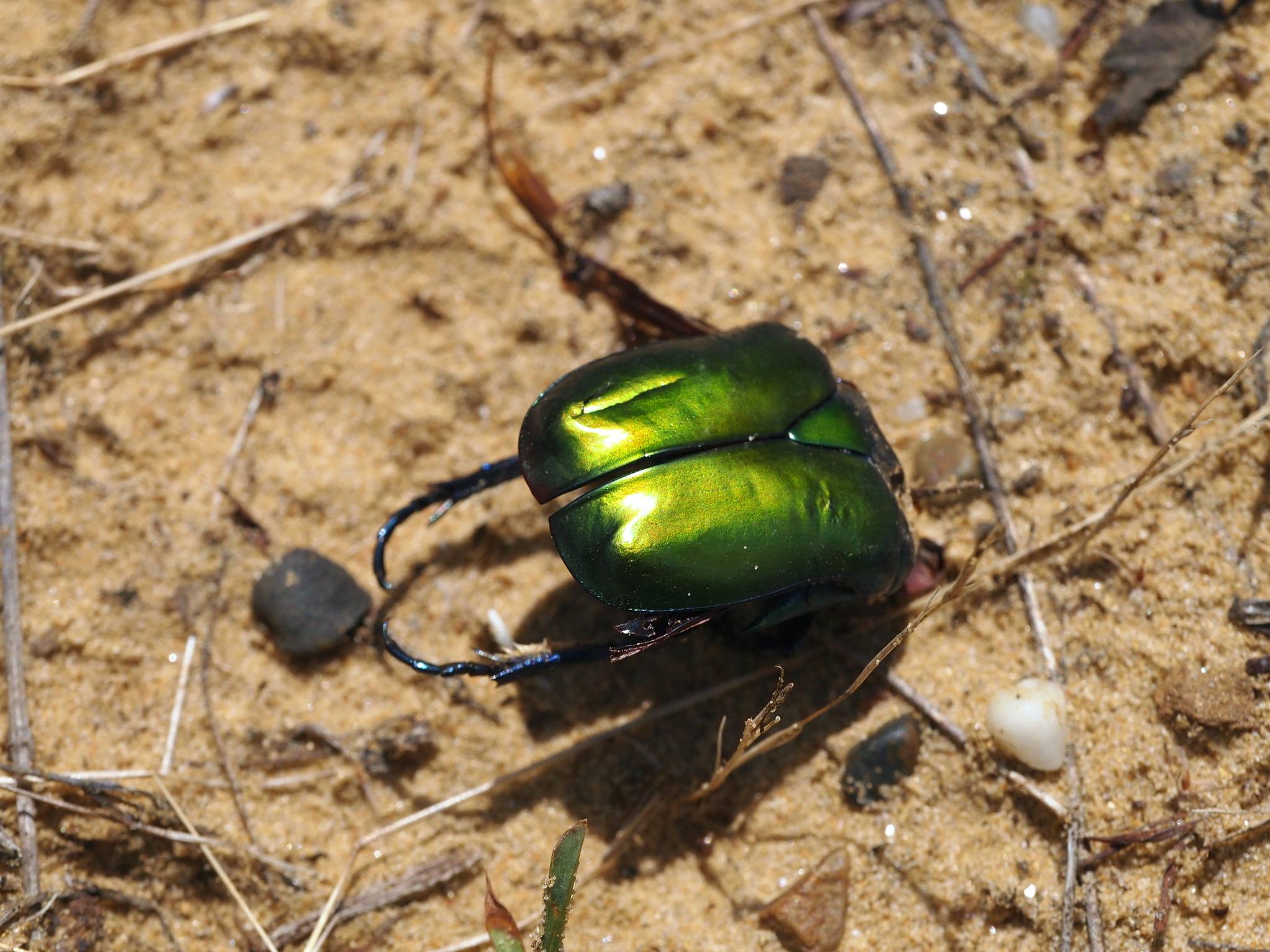
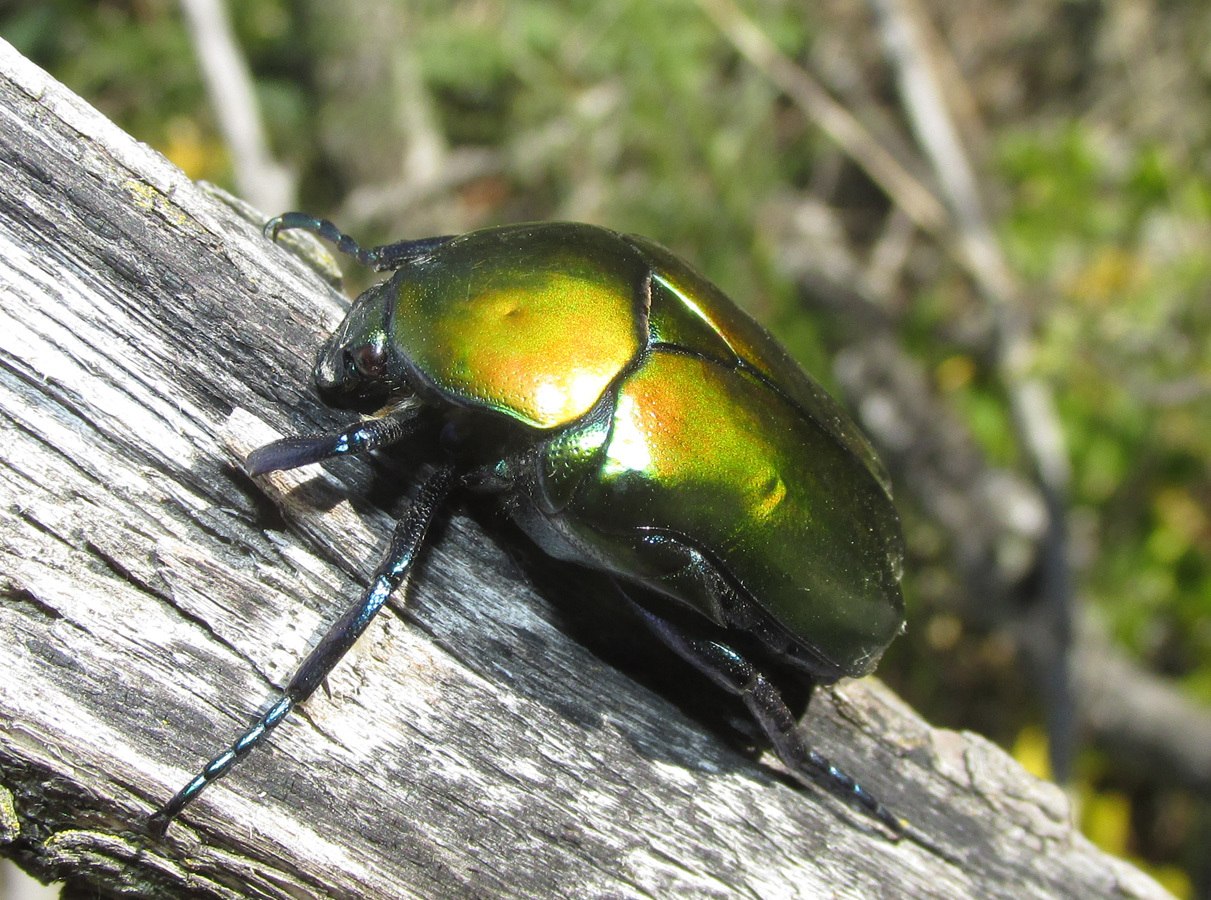
Protaetia speciosa
Flower Beetle
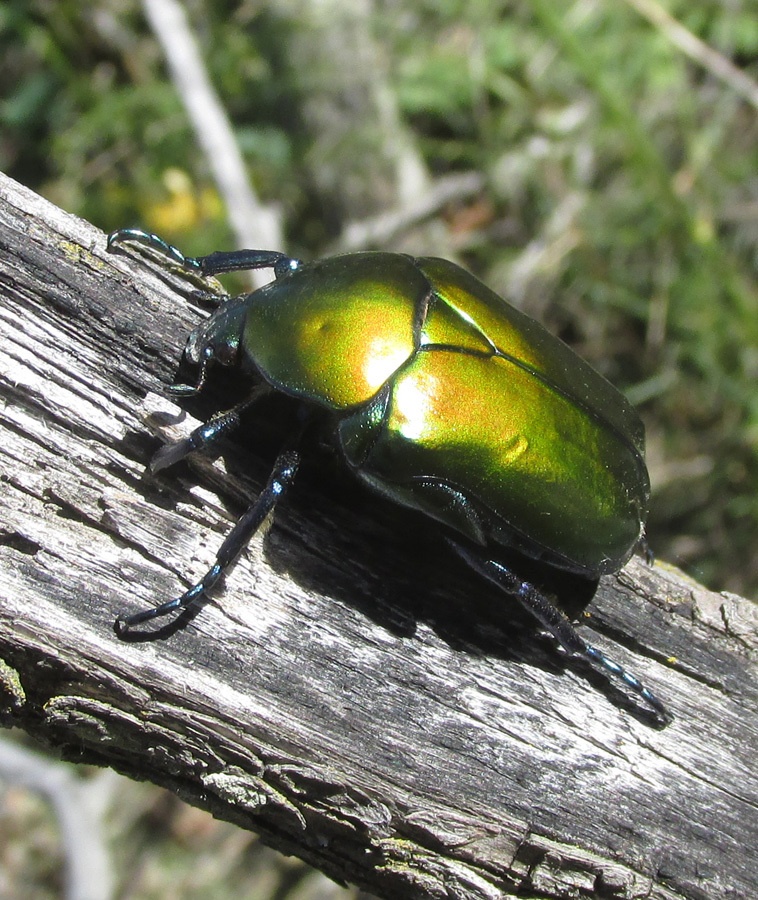
Protaetia speciosa is a beetle of the family Scarabaeidae and subfamily Cetoniinae.
from Wikipedia
Taxonomic Information
Eukaryota
Arthropoda
Insecta
Coleoptera
Scarabaeidae
Protaetia
speciosa
nan
Species
nan
k__Eukaryota;p__Arthropoda;c__Insecta;o__Coleoptera;f__Scarabaeidae;g__Protaetia;s__Protaetia speciosa
nan
Arthropods
Photos (5 photos)
Morphological Features
Third-instar larva. Head width 5.6 mm, length (without clypeus and labrum) 3.1 mm. Head capsule with medial part of pleural sclerites, apical part of mandibula, and base of frons slightly darker than remaining part. Epicranial suture short, narrowly dark brown, slightly convex, about two times shorter than height of frons. Clypeus trapezoidal, with two pairs of setae laterally and a pair of anterior clypeal setae; basal 2/3 of clypeus significantly darker than apical. Frons with one pair of exterior frontal setae and two pairs (longer and shorter) posterior frontal setae. Dorsoepicranium with two groups of short setae more or less arranged in two rows on each side. Antenna: first segment longest, 1.5 times longer than second; second segment slightly longer than third. Mandibles asymmetrical; left mandible slightly longer than right, with one apical acute scissorial tooth and three wide scissorial blades; right mandible with one apical acute scissorial tooth followed by two wide scissorial blades. Stridulatory area elongated-oval, with 27 transverse ridges on right mandible and 23 on left. Maxilla: dorsal side of cardo with four long and four short setae laterally and four long medial setae; ventral side of stipes with three long basal, four long lateral, and two long central setae. Thoracic spiracle same size as spiracles of abdominal segments VII–VIII, larger than spiracles of abdominal segments I–VI. Dorsa of thoracic segments with 1–2 rows of short setae, each posterior row with long to short setae. Abdominal segments I–VIII with 2–4 rows of short setae, each posterior row with long to short setae. Abdominal segments IX–X fused, densely setose with short setae and a single row of long to short setae in middle and at apex. Venter of last abdominal segment with short setae and a single row of long to short setae on lateral sides and at apex, with areas without setae and spines in median part. Raster with a pair of palidia joined anteriorly and diverging posteriorly, surrounded by scattered setae. Tegilla composed of short, acute setae and sparse long setae. Lower anal lip with many short, curved setae and long, acute setae.
Plazi taxonomic treatment
Host Plants (0 host plants)
Data sources: EPPO Global Database and relevant literature.
No host plants available.
Quarantine Status (1 records)
Data sources: IPPC website and national quarantine websites; verified by human review.
| Country | Status | Year Added |
|---|---|---|
| Japan | Quarantine pests | — |
Distribution (8 countries)
Data Sources: EPPO Global Database and GBIF.
| Country | Status | State |
|---|---|---|
| Germany | Present | — |
| Georgia | Present | — |
| Croatia | Present | — |
| Iran | Present | — |
| Israel | Present | — |
| Russian Federation | Present | — |
| Turkey | Present | — |
| Ukraine | Present | — |
Distribution Map (Latitude and longitude coordinates sourced from GBIF.)
Download CSVGenomes (0 records)
Data source: NCBI.
No genome records available.
Transcriptomes (0 records)
Data source: NCBI.
No transcriptome records available.
DNA Barcodes (3 records)
View allData source: BOLD.
| Process ID | BIN | Marker | Length | Country | Date | Lat/Lon | Sequence |
|---|---|---|---|---|---|---|---|
| GBAAZ22980-24 | BOLD:AAY3268 | COI-5P | 1531 | China | - | - | |
| BBIOP4695-25 | BOLD:AAY3268 | COI-5P | 656 | Unspecified country | - | - | |
| BBIOP4694-25 | BOLD:AAY3268 | COI-5P | 656 | Turkiye | - | - |
Literature
Fetching literature from NCBI PubMed...
Failed to fetch literature