Tinea
TaxID: 41013
Basic Information
Tinea
Moth
Dermatophytosis, also known as tinea and ringworm, is a fungal infection of the skin (a dermatomycosis), that may affect skin, hair, and nails. Typically it results in a red, itchy, scaly, circular rash. Hair loss may occur in the area affected. Symptoms begin four to fourteen days after exposure. The types of dermatophytoses are typically named for the area of the body that they affect. Multiple areas can be affected at a given time. About 40 types of fungus can cause dermatophytosis. They are typically of the Trichophyton, Microsporum, or Epidermophyton type. Risk factors include using public showers, contact sports such as wrestling, excessive sweating, contact with animals, obesity, and poor immune function. Ringworm can spread from other animals or between people. Diagnosis is often based on the appearance and symptoms. It may be confirmed by either culturing or looking at a skin scraping under a microscope. Prevention is by keeping the skin dry, not walking barefoot in public, and not sharing personal items. Treatment is typically with antifungal creams such as clotrimazole or miconazole. If the scalp is involved, antifungals by mouth such as fluconazole may be needed. Dermatophytosis has spread globally, and up to 20% of the world's population may be infected by it at any given time. Infections of the groin are more common in males, while infections of the scalp and body occur equally in both sexes. Infections of the scalp are most common in children while infections of the groin are most common in the elderly. Descriptions of ringworm date back to ancient history.
from Wikipedia
Taxonomic Information
Eukaryota
Arthropoda
Insecta
Lepidoptera
Tineidae
Tinea
nan
nan
Genus
nan
k__Eukaryota;p__Arthropoda;c__Insecta;o__Lepidoptera;f__Tineidae;g__Tinea;s__unclassified
nan
Arthropods
Photos (5 photos)
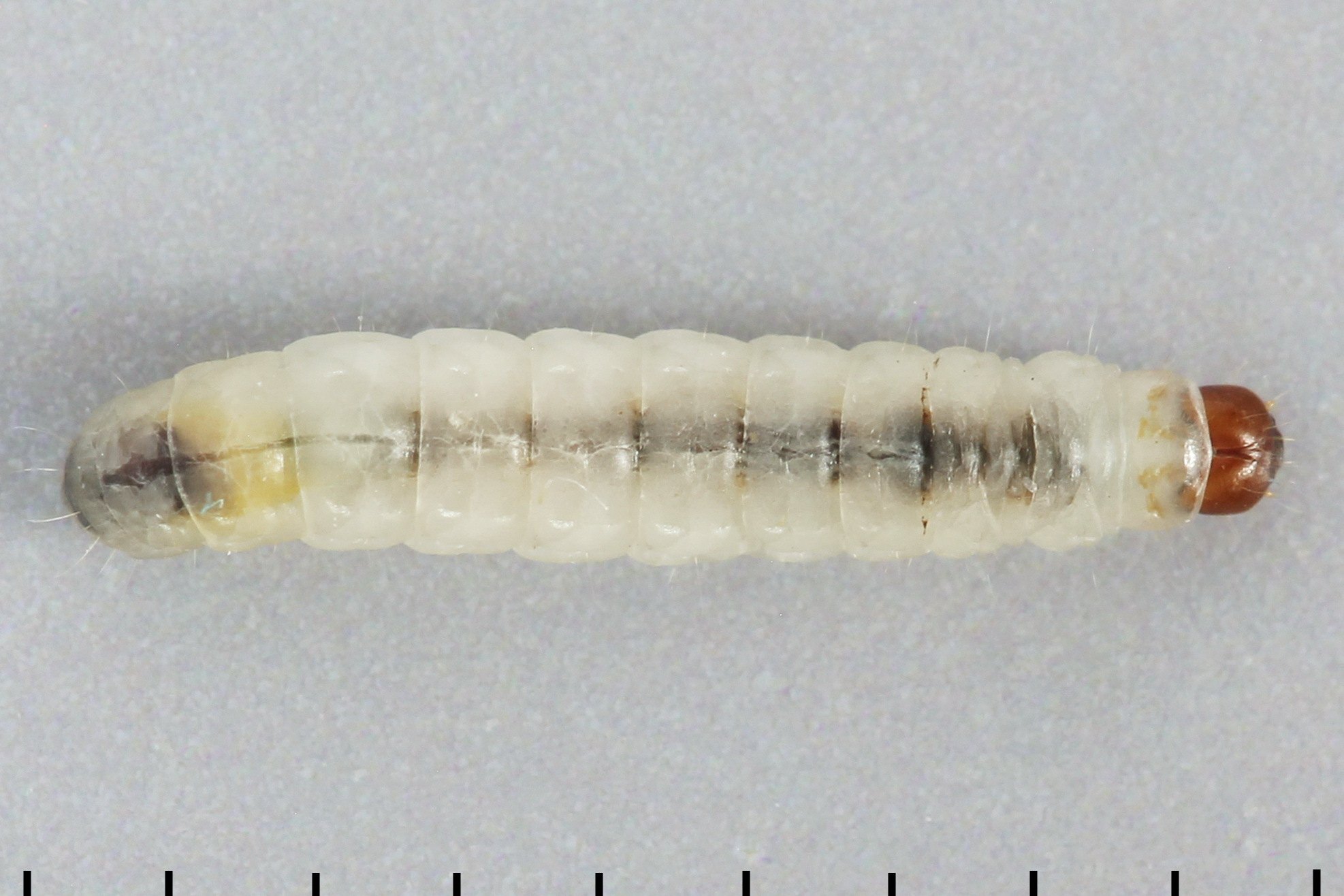
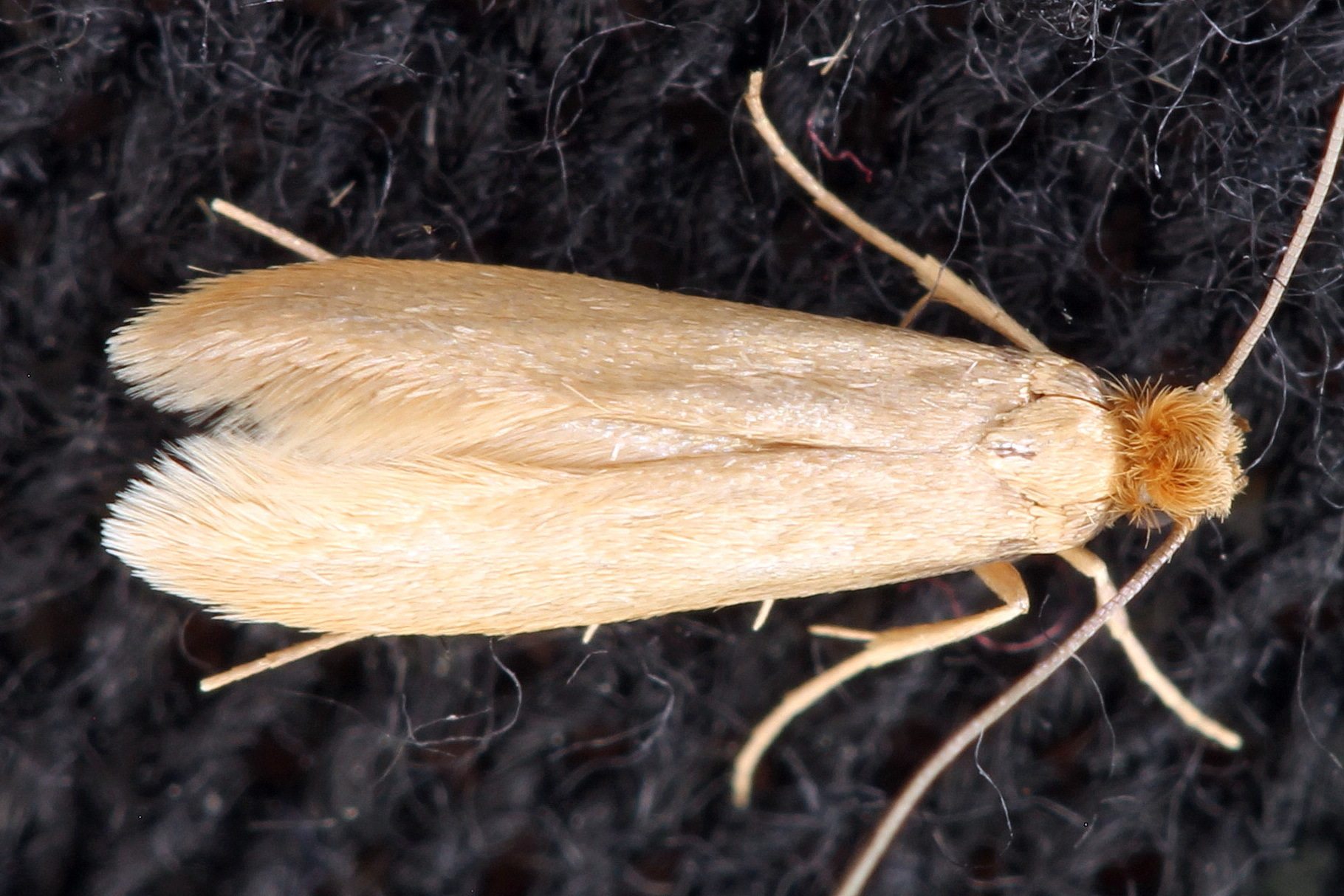
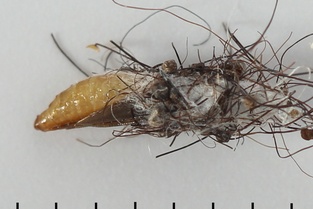
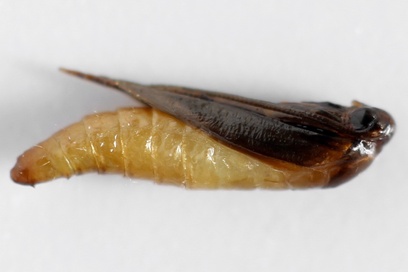
Morphological Features
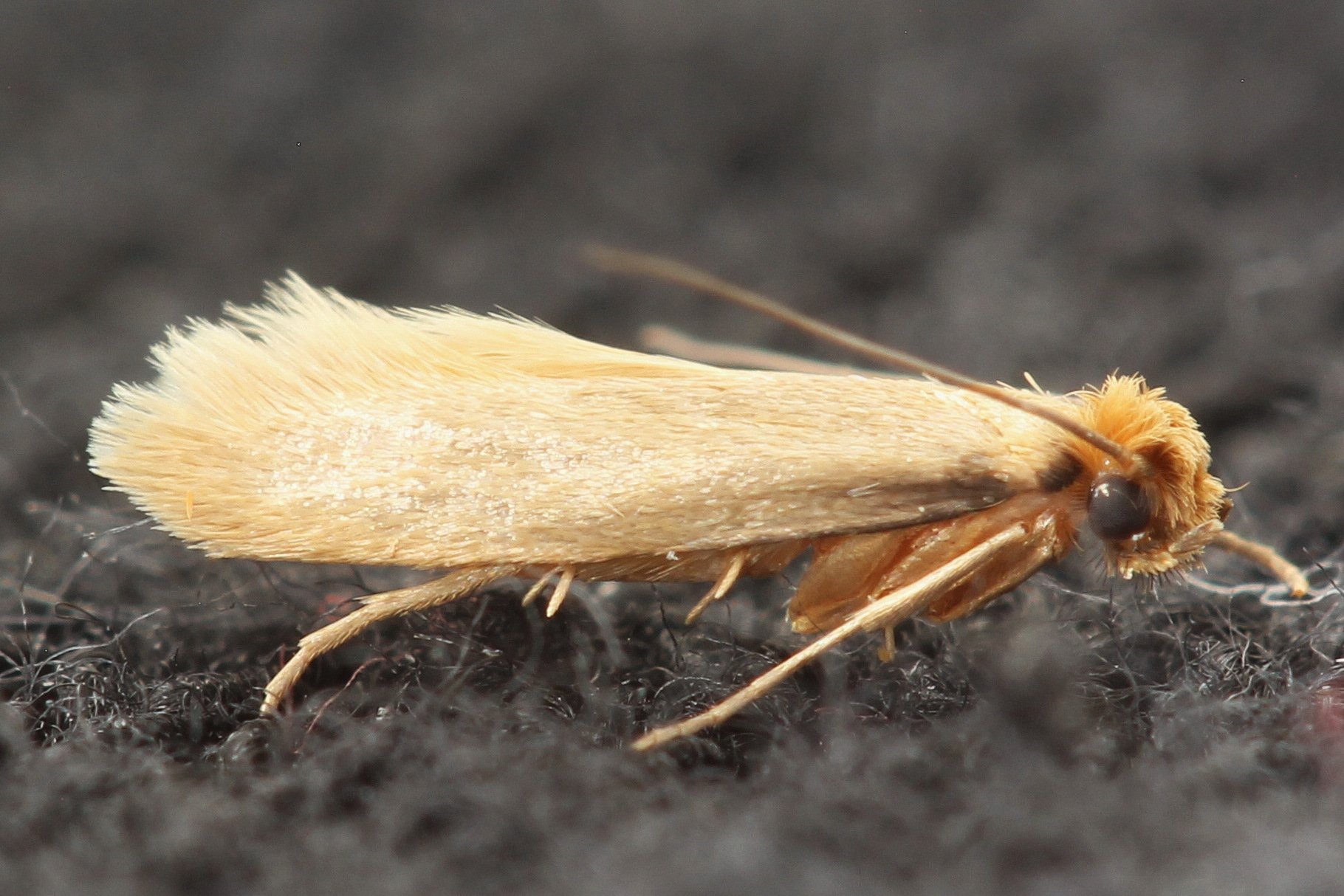
Forewing of male brown grey; at 2/5 length from base with a dark brown short stripe above cell, a minute dark brown dot below cell, a dark brown dot at distal end of cell, an indication of dark brown dot at apex; basal half of forewing costa overlaid with dark brown scales. Female forewing more light brown, the dot at distal end of cell oval, with dark margin around light brown centre. Thorax and tegulae dark brown, tegulae apically light brown. In male genitalia, valva as long as uncus-tegumen complex, more or less oval, apical third narrowing to rounded apex, costal edge straight, ventral edge oblique, with basal half strongly sclerotized. Female sternite VIII U-shaped.
Plazi taxonomic treatment
Host Plants (0 host plants)
Data sources: EPPO Global Database and relevant literature.
No host plants available.
Quarantine Status (1 records)
Data sources: IPPC website and national quarantine websites; verified by human review.
| Country | Status | Year Added |
|---|---|---|
| United States of America | Quarantine pests | — |
Distribution (0 countries)
Data Sources: EPPO Global Database and GBIF.
No distribution records available.
Genomes (0 records)
Data source: NCBI.
No genome records available.
Transcriptomes (1 records)
Data source: NCBI.
| Run ID | Tissue | Developmental Stage | Sex | Read Count | Location | Actions |
|---|---|---|---|---|---|---|
| ERR6363266 | - | - | NOT COLLECTED | 21418046 | - | |
|
PRJEB45113 ERX5993769 ERP129242 insect Illumina HiSeq 4000 paired end sequencing Illumina sequencing of sample accession SAMEA7520770 for study accession PRJEB45113. This is part of an Illumina multiplexed sequencing run (37935_5). This submission includes reads tagged with the sequence TCGGCGAA. {'gal': 'University of Oxford', 'sex': 'NOT COLLECTED', 'tolid': 'ilTinSemi2', 'habitat': 'Woodland', 'elevation': '150', 'lifestage': 'adult', 'broker name': 'COPO', 'sample name': '5fa2a2f27b78180001144d2d', 'specimen id': 'Ox000466', 'collected by': 'DOUGLAS BOYES', 'project name': 'DTOL', 'submitter id': '5fa2a2f27b78180001144d2d', 'gal_sample_id': 'Ox0466', 'identified by': 'DOUGLAS BOYES', 'organism part': 'WHOLE ORGANISM', 'sample same as': 'SAMEA7520683', 'collection date': '2020-06-13', 'scientific_name': 'Tinea semifulvella', 'insdc center name': 'EarlhamInstitute', 'collecting institution': 'University of Oxford', 'identifier_affiliation': 'University of Oxford', 'geographic location (latitude)': '51.772', 'geographic location (longitude)': '-1.337', 'geographic location (country and/or sea)': 'United Kingdom', 'geographic location (region and locality)': 'Berkshire | Wytham Woods'} |
||||||
DNA Barcodes (857 records)
View allData source: BOLD.
| Process ID | BIN | Marker | Length | Country | Date | Lat/Lon | Sequence |
|---|---|---|---|---|---|---|---|
| YWTP1005-24 | BOLD:AAC3847 | COI-5P | 655 | United Kingdom | - | 53.497272, -1.109217 | |
| WFEN5161-24 | BOLD:AAB9203 | COI-5P | 655 | United Kingdom | - | 52.3094, 0.2934 | |
| WFEN4314-24 | BOLD:AEB9772 | COI-5P | 655 | United Kingdom | - | 52.3094, 0.2934 | |
| WFEN1817-23 | BOLD:AEB9772 | COI-5P | 657 | United Kingdom | 2023-08-11 | 52.3094, 0.2934 | |
| USLEP864-10 | BOLD:AAH5578 | COI-5P | 658 | United States | 2010-05-16 | 35.694, -101.573 | |
| USLEP859-10 | BOLD:AAH5578 | COI-5P | 658 | United States | 2010-05-16 | 35.694, -101.573 | |
| UKAN469-22 | BOLD:AAB9203 | COI-5P | 658 | United Kingdom | 2020-07-16 | 52.84, 0.509 | |
| TYPFN068-11 | - | COI-5P | 325 | Finland | 1980-07-27 | - | |
| TONA223-06 | BOLD:AAF7603 | COI-5P | 627 | United States | 2006-04-02 | 32.54, -117.14 | |
| TIPSY851-15 | BOLD:ACV2954 | COI-5P | 658 | Georgia | 2012-05-28 | 41.188, 46.471 |
Literature
Fetching literature from NCBI PubMed...
Failed to fetch literature