Geosmithia pallida
TaxID: 240217
Basic Information
Geosmithia pallida
Fungus
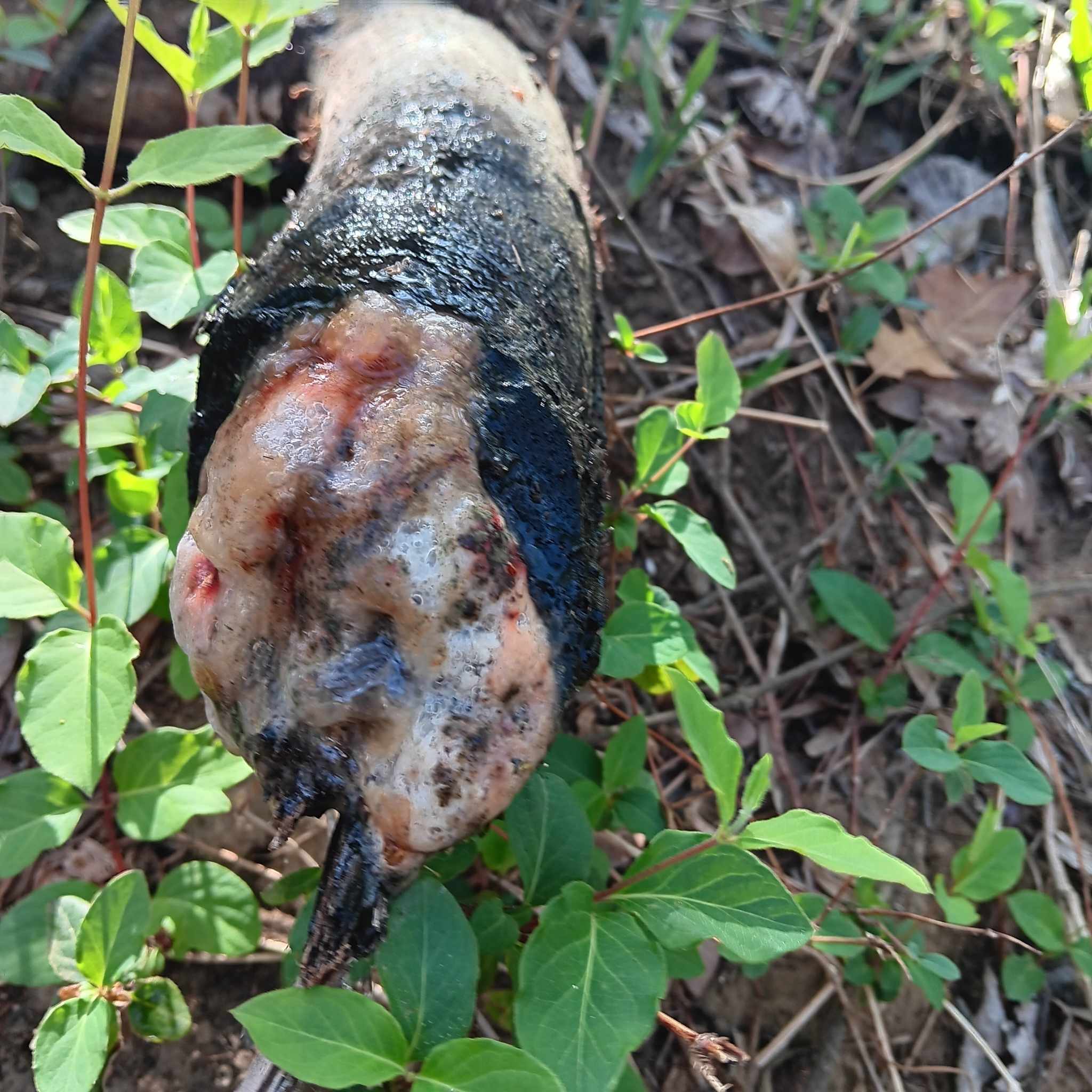
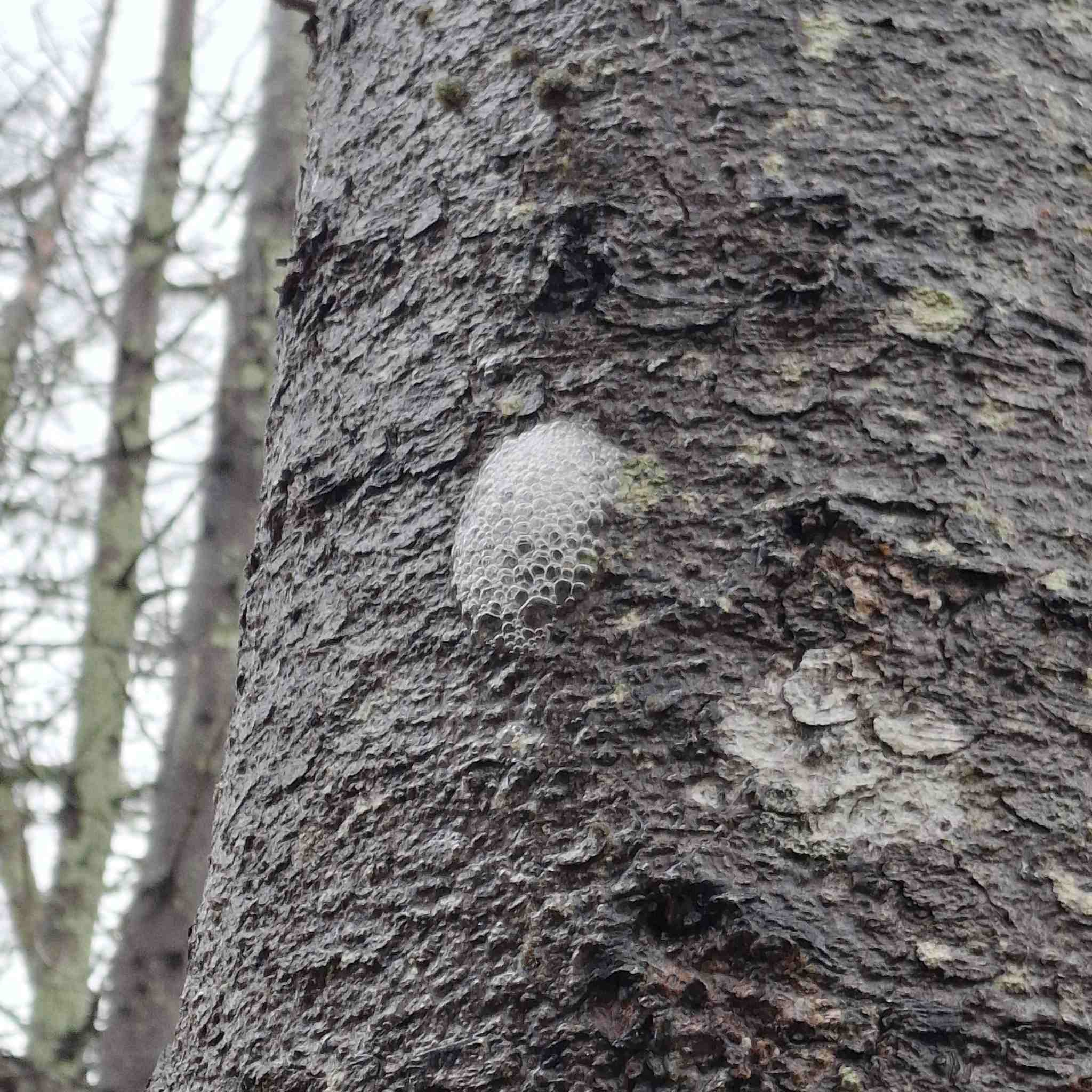
The foamy bark canker is a disease affecting oak trees in California caused by the fungus Geosmithia sp. #41 and spread by the Western oak bark beetle (Pseudopityophthorus pubipennis). This disease is only seen through the symbiosis of the bark beetles and the fungal pathogen. The bark beetles target oak trees and bore holes through the peridermal tissues, making tunnels within the phloem. The fungal spores are brought into these tunnels by the beetles and begin to colonize the damaged cells inside the tunnels. Symptoms of the developing fungus include wet discoloration seeping from the beetle entry holes as the fungus begins to consume phloem and likely other tissues. If bark is removed, necrosis of the phloem can be observed surrounding the entry hole(s). As the disease progresses, a reddish sap and foamy liquid oozes from entry holes, thus giving the disease the name foamy bark canker. Eventually, after the disease has progressed, the tree dies. This disease is important because of its detrimental effects on oak trees and its ability to spread to several new Californian counties in just a couple of years.
from Wikipedia
Taxonomic Information
Eukaryota
Ascomycota
Sordariomycetes
Hypocreales
Bionectriaceae
Geosmithia
pallida
Undefined
Species
nan
d__Eukaryota;p__Ascomycota;c__Sordariomycetes;o__Hypocreales;f__Bionectriaceae;g__Geosmithia;s__Geosmithia pallida
nan
Fungal organisms
Photos (3 photos)
Morphological Features
No morphological description available.
Host Plants (0 host plants)
Data sources: EPPO Global Database and relevant literature.
No host plants available.
Quarantine Status (1 records)
Data sources: IPPC website and national quarantine websites; verified by human review.
| Country | Status | Year Added |
|---|---|---|
| Pakistan | Quarantine pests | — |
Distribution (0 countries)
Data Sources: EPPO Global Database and GBIF.
No distribution records available.
Genomes (0 records)
Data source: NCBI.
No genome records available.
Transcriptomes (1 records)
Data source: NCBI.
| Run ID | Tissue | Developmental Stage | Sex | Read Count | Location | Actions |
|---|---|---|---|---|---|---|
| SRR14289628 | - | - | - | 41618677 | China: South China sea | |
|
PRJNA723370 SRX10647539 SRP315615 fungi RNA-Seq of Geosmithia pallida Theextracted total RNAs amounting to 5.0 g were resuspended in RNase-free water and stored at80C until use. The extracted RNA samples were used for cDNA synthesis. The poly (A)mRNA was isolated using oligo-dT beads (Qiagen). All mRNA was broken into short fragments(200 nt) by adding a fragmentation buffer. First-strand cDNA was generated using randomhexamer-primed reverse transcription, followed by the synthesis of the second-strandcDNA using RNase H and DNA polymerase I. The cDNA fragments were purified using aQIAquick PCR extraction kit. The purified fragments were then washed with EB buffer for endpreparation poly (A) addition and ligated to sequencing adapters. The cDNA fragments(200 25 bp) were purified and enriched via PCR to construct the final cDNA library followingagarose gel electrophoresis and cDNA extraction from gels. The cDNA library was sequencedon the Illumina sequencing platform (Illumina HiSeq 2000) using the single-end paired-end(PE) technology within a single run. mud {'strain': '140', 'isolate': 'mud', 'sample_type': 'whole organism', 'geo_loc_name': 'China: South China sea', 'biosamplemodel': 'Microbe, viral or environmental', 'collection_date': '2016-05-02', 'isolation_source': 'deep sea'} |
||||||
Literature
Fetching literature from NCBI PubMed...
Failed to fetch literature