Leschenius
TaxID: 2613069
Basic Information
Leschenius
Weevil
nan
from Wikipedia
Taxonomic Information
Eukaryota
Arthropoda
Insecta
Coleoptera
Curculionidae
Leschenius
nan
nan
Genus
nan
k__Eukaryota;p__Arthropoda;c__Insecta;o__Coleoptera;f__Curculionidae;g__Leschenius;s__unclassified
nan
Arthropods
Photos (5 photos)
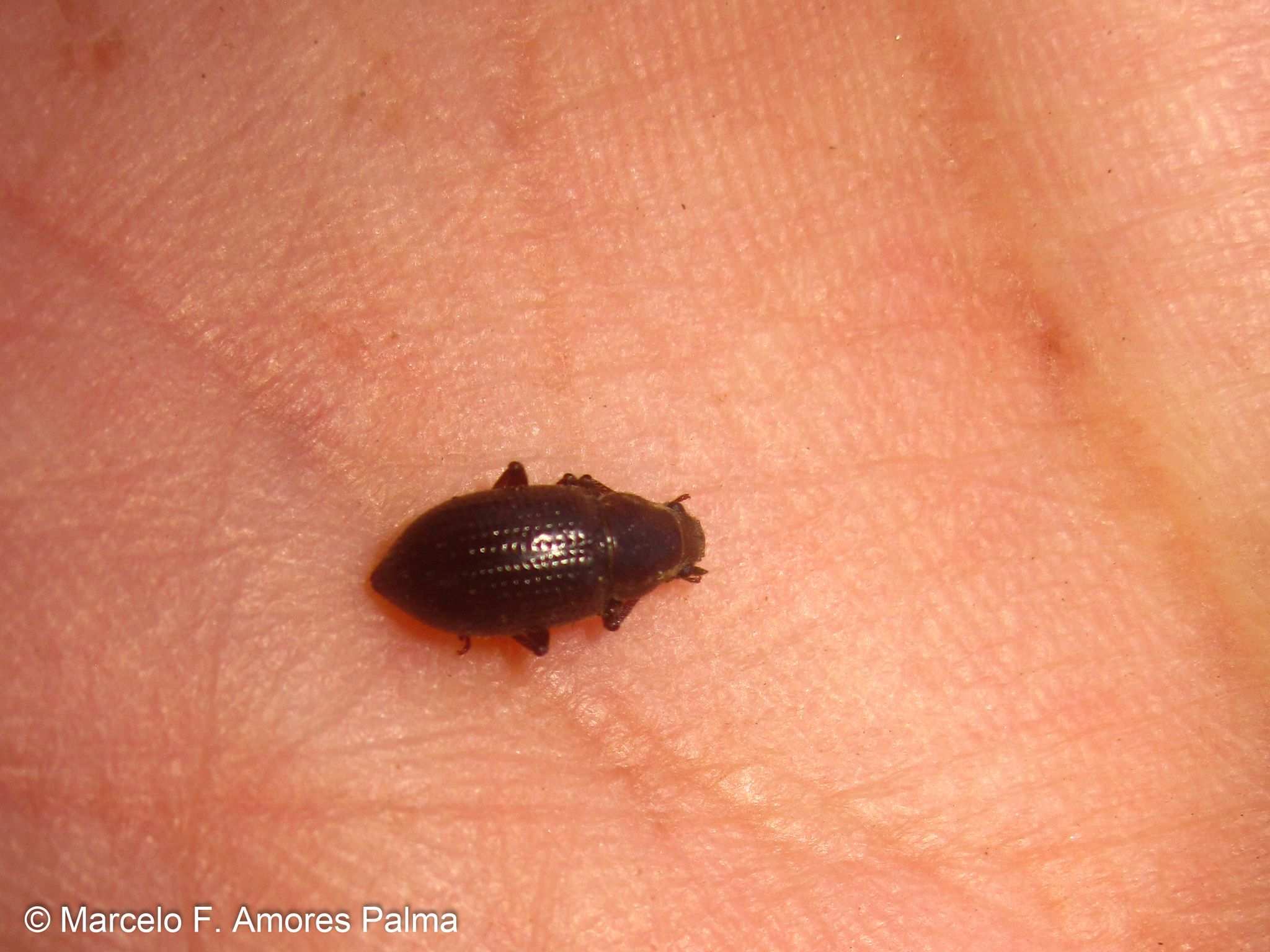
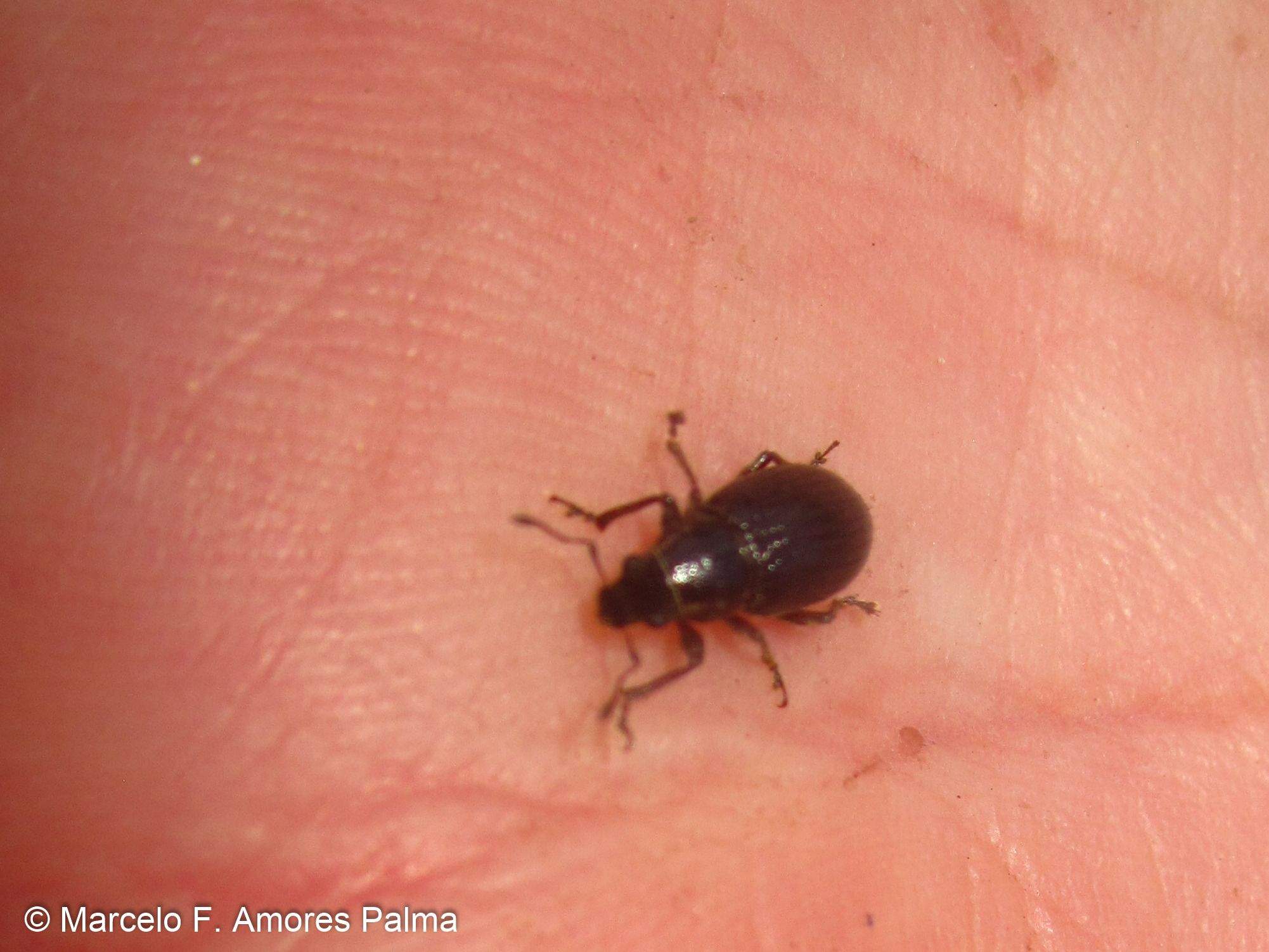
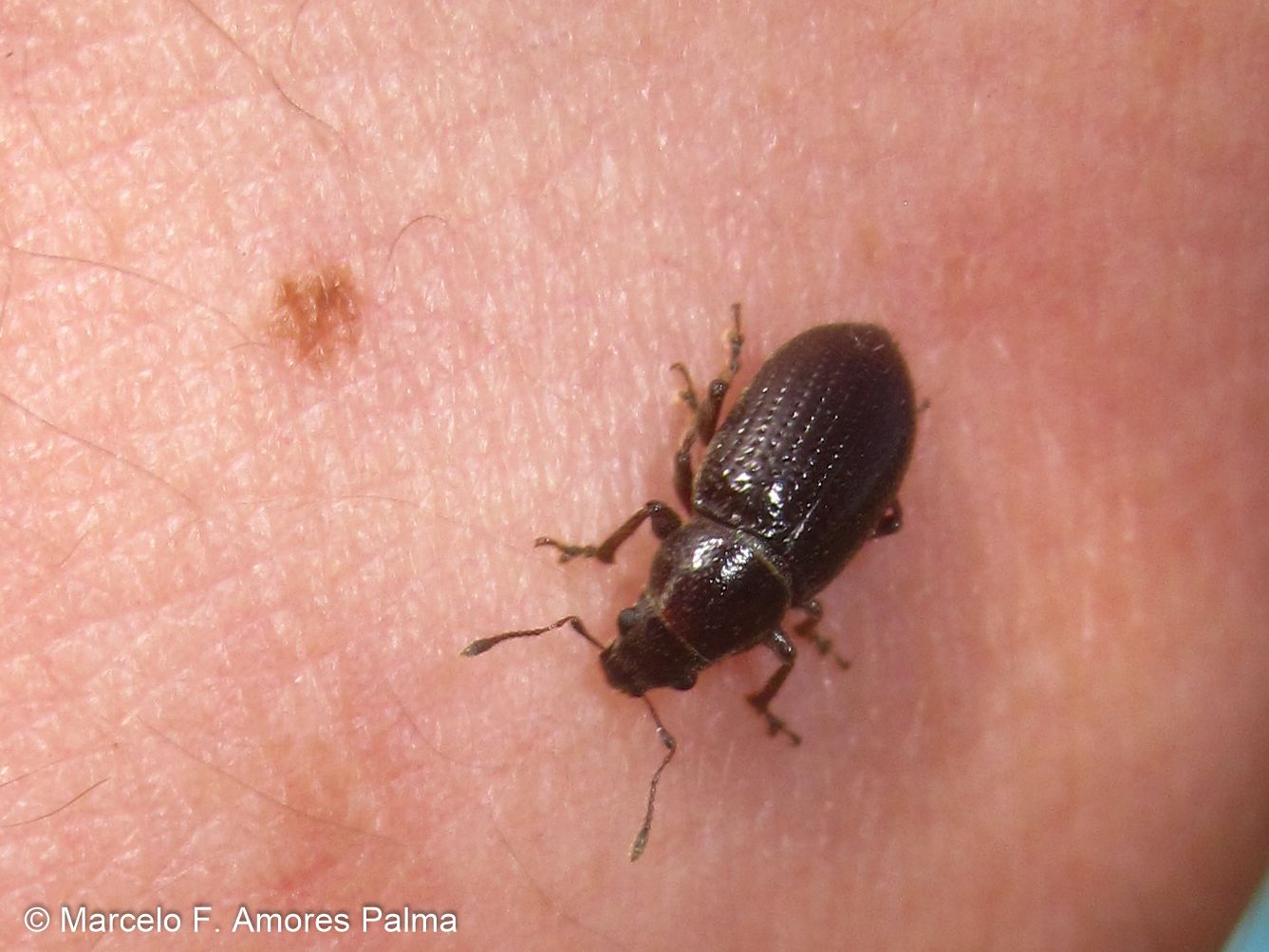
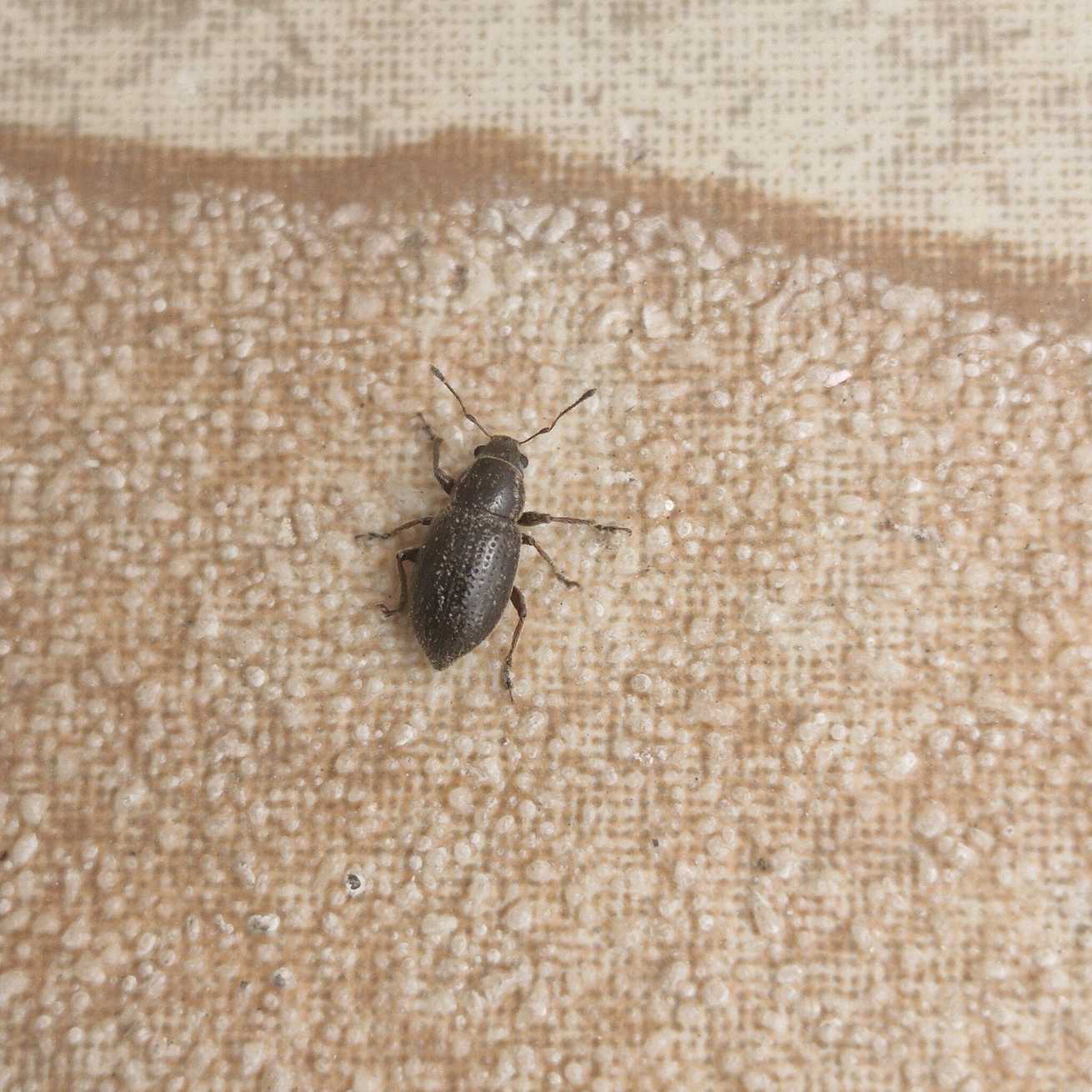
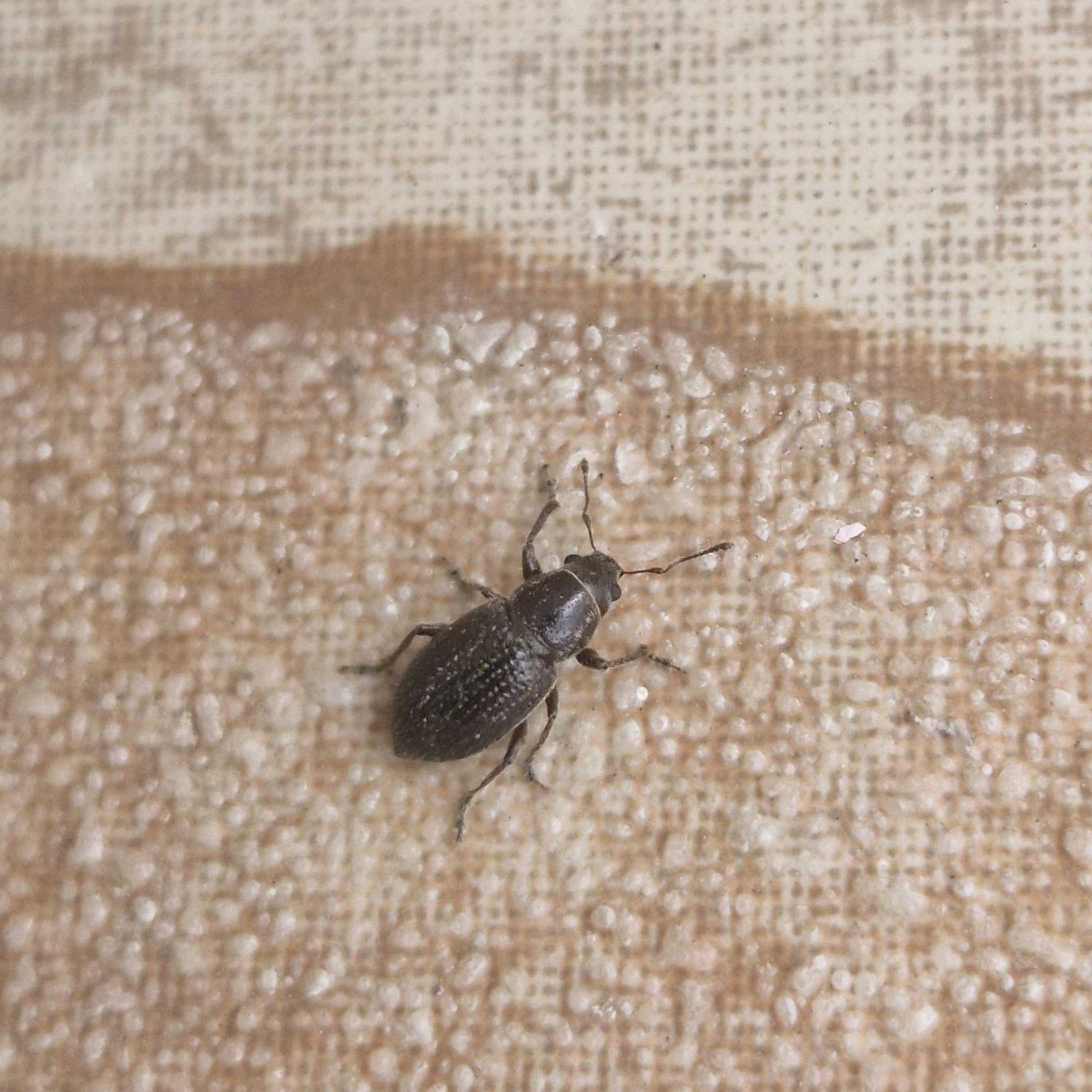
Morphological Features
Leschenius is a genus of medium to large weevils, body length 5–12 mm. Body oval, moderately convex. Vestiture lacking scales, composed of scattered, fine, whitish to ocher setae; setae semirecumbent on head and pronotum, suberect on elytra and legs. Head with frons wide, about 3× eye height, usually slightly convex; vertex moderately convex, foveolate or punctuate with imbricate microsculpture. Eyes suboval, medium-sized to large, usually moderately convex. Antennae short to medium in length; scape short, not reaching hind margin of eyes; funicular article 2 longer than 1; club oval to fusiform, acuminate. Rostrum wider than long. Pronotum slightly conical to subcylindrical, slightly to moderately wider than long (WR/LR 1.14–1.36); disc slightly convex, usually foveolate to foveolate-granulose; sides almost straight to slightly curved. Elytra oval, short to slightly elongate (LE/WE 1.37–1.65), with maximum width usually at middle; base curved backwards on middle; intervals flat to slightly convex, usually as wide as striae; striae with large oval punctures. Legs with metatibial apex having apical comb of setae subequal to slightly longer than dorsal comb; metatibial apex usually with well-developed corbel covered with setae-like scales. Procoxae widely separated. Male median lobe slightly shorter than its apodemes, without setae; median lobe plus apodemes shorter to slightly longer than abdomen. Female sternite VIII with plate subrhomboidal, having apical tuft of long setae and shorter setae on each side; ovipositor about as long as to longer than ventrites 1–5; spermathecal duct membranous, one- to two-thirds as long as ovipositor.
Plazi taxonomic treatment
Host Plants (0 host plants)
Data sources: EPPO Global Database and relevant literature.
No host plants available.
Quarantine Status (1 records)
Data sources: IPPC website and national quarantine websites; verified by human review.
| Country | Status | Year Added |
|---|---|---|
| United States of America | Quarantine pests | — |
Distribution (0 countries)
Data Sources: EPPO Global Database and GBIF.
No distribution records available.
Genomes (0 records)
Data source: NCBI.
No genome records available.
Transcriptomes (0 records)
Data source: NCBI.
No transcriptome records available.
Literature
Fetching literature from NCBI PubMed...
Failed to fetch literature