Ataxia
TaxID: 583900
Basic Information
Ataxia
Lamiines
Ataxia (from Greek - [a negative prefix] + - ? ¦µ ? [order] = "lack of order") is a neurological sign consisting of lack of voluntary coordination of muscle movements that can include gait abnormality, speech changes, and abnormalities in eye movements, that indicates dysfunction of parts of the nervous system that coordinate movement, such as the cerebellum. These nervous-system dysfunctions occur in several different patterns, with different results and different possible causes. Ataxia can be limited to one side of the body, which is referred to as hemiataxia. Friedreich's ataxia has gait abnormality as the most commonly presented symptom. Dystaxia is a mild degree of ataxia.
from Wikipedia
Taxonomic Information
Eukaryota
Arthropoda
Insecta
Coleoptera
Cerambycidae
Ataxia
nan
nan
Genus
nan
k__Eukaryota;p__Arthropoda;c__Insecta;o__Coleoptera;f__Cerambycidae;g__Ataxia;s__unclassified
nan
Arthropods
Photos (5 photos)
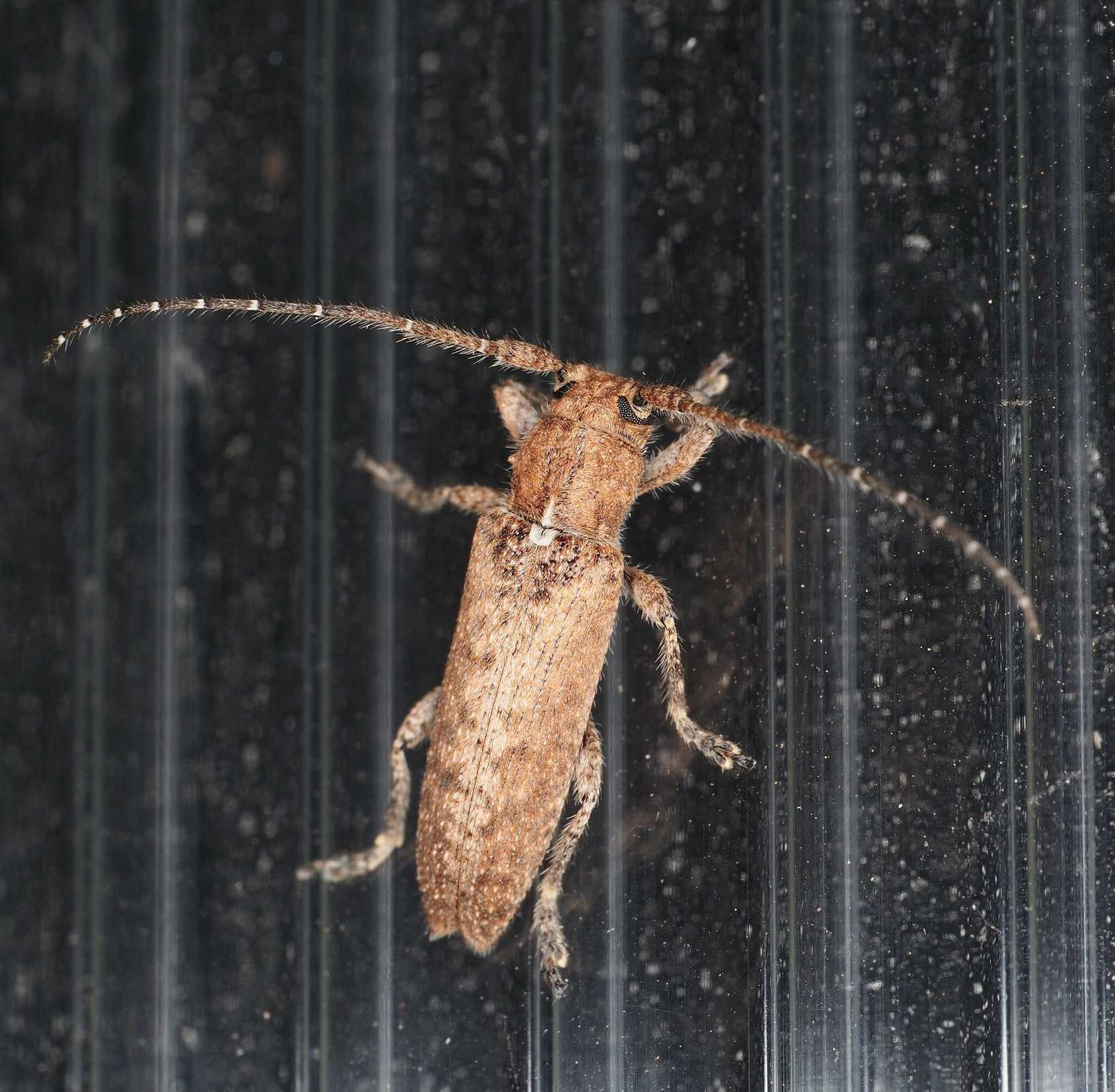
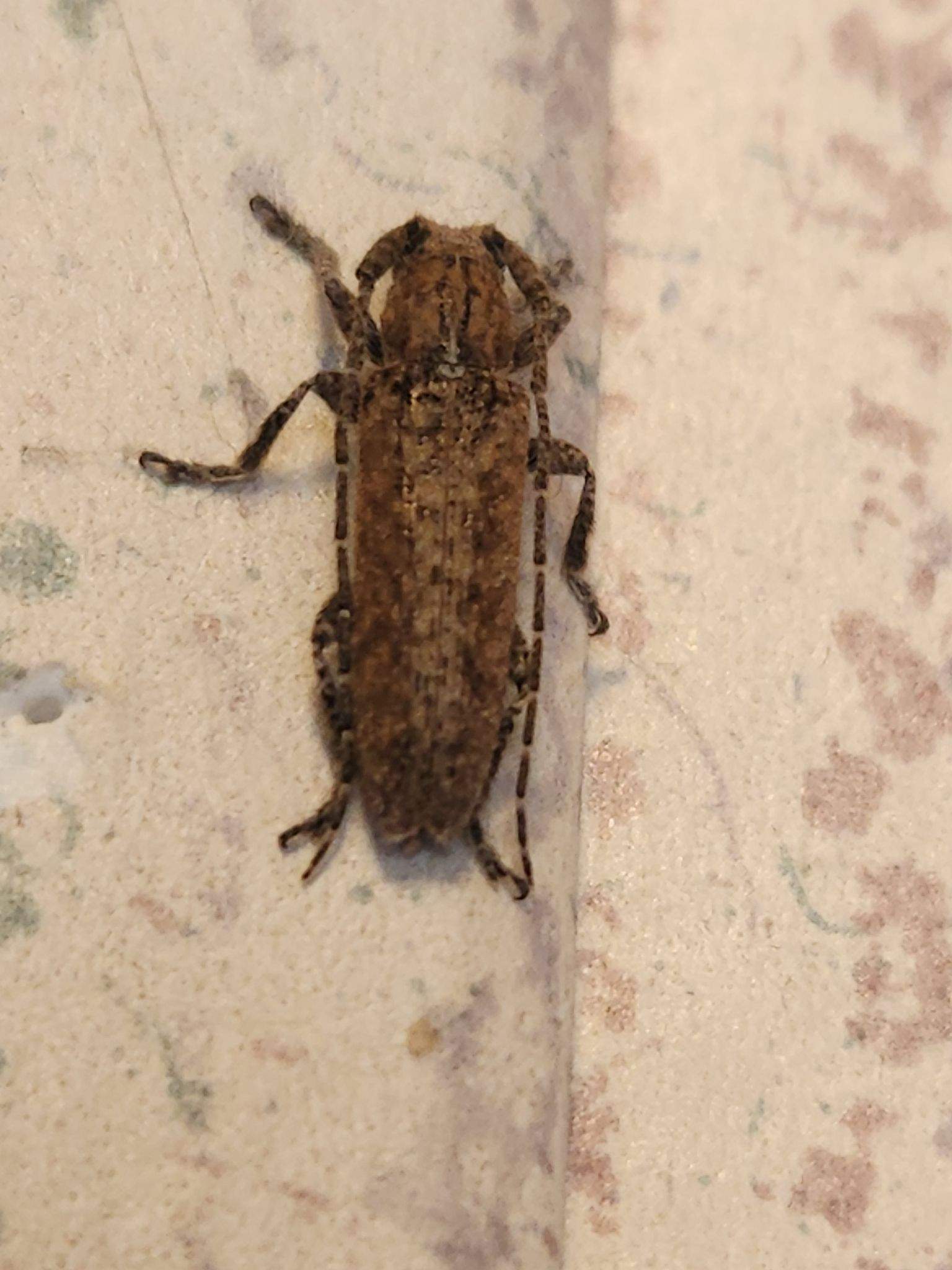
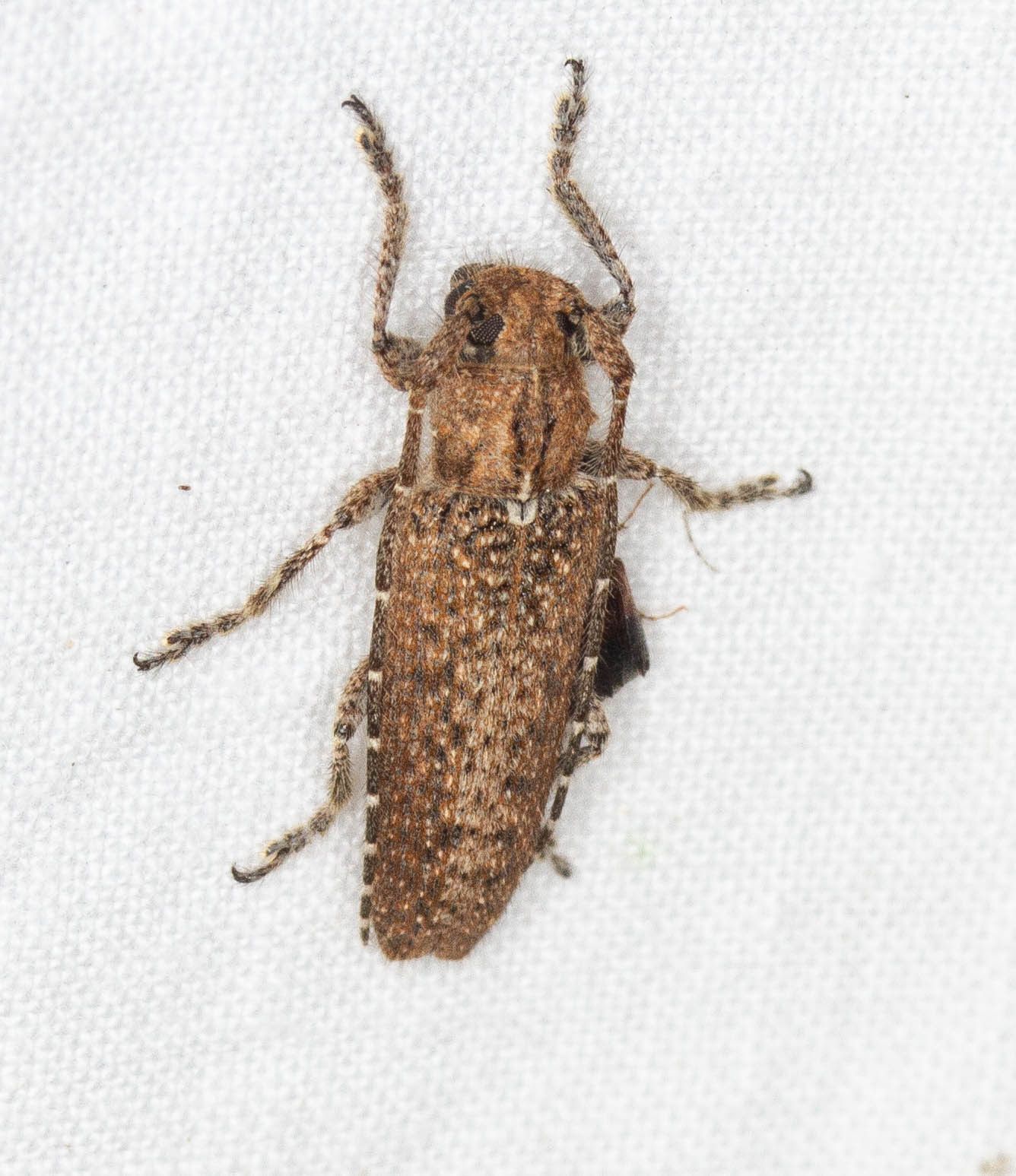
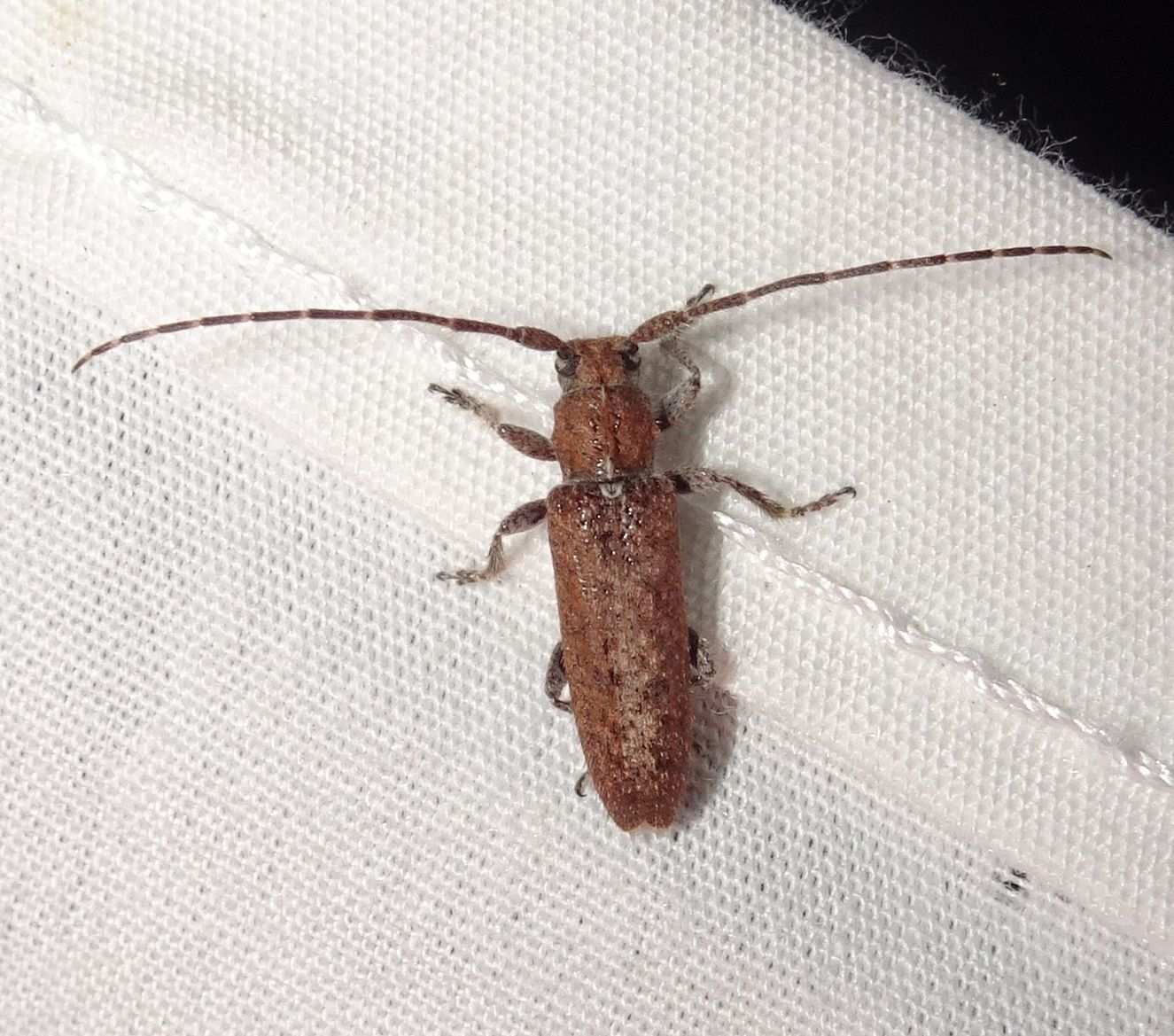
Morphological Features
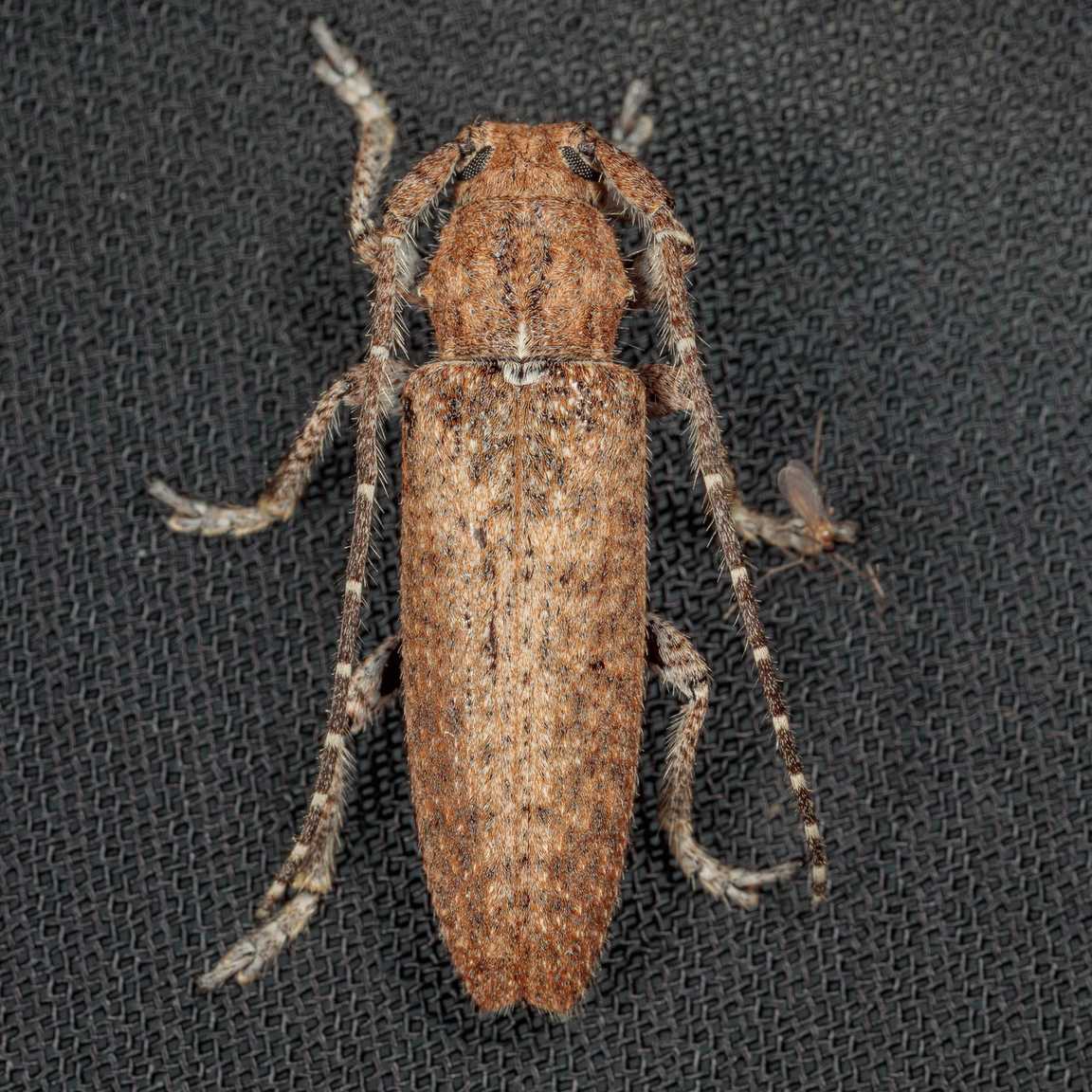
Vertex with pale golden pubescence between antennal tubercles and upper eye lobes, interspersed with long, erect, sparse pale yellow and brown setae. Tempora and gena with dense greenish-brown pubescence interspersed with long, erect, sparse pale yellow setae and some thick, brown setae behind lower eye lobe. Antennae 1.55 times elytral length, reaching elytral apex at distal quarter of antennomere IX; scape with narrow apical cicatrix, dorsally and laterally with greenish-brown pubescence interspersed with whitish pubescence, ventrally mostly with whitish pubescence, with long, erect, sparse, thick dark brown setae; ventral side of antennomeres with long, erect, white setae on basal half, dark brown on distal half; dorsal apex of antennomeres III–X with long, erect dark brown setae. Pronotum with 5 gibbosities: one on each side of basal half, subcircular, slightly distinct; sides of prothorax coarsely, sparsely punctate close to pronotum, almost smooth toward ventral side. Elytral pubescence not white along suture; elytral apex widely truncate. Metasternum with long, erect, sparse pale yellow setae; sides of ventrite with long, decumbent, sparse pale yellow setae.
Plazi taxonomic treatment
Host Plants (0 host plants)
Data sources: EPPO Global Database and relevant literature.
No host plants available.
Quarantine Status (1 records)
Data sources: IPPC website and national quarantine websites; verified by human review.
| Country | Status | Year Added |
|---|---|---|
| United States of America | Quarantine pests | — |
Distribution (0 countries)
Data Sources: EPPO Global Database and GBIF.
No distribution records available.
Genomes (0 records)
Data source: NCBI.
No genome records available.
Transcriptomes (0 records)
Data source: NCBI.
No transcriptome records available.
Literature
Fetching literature from NCBI PubMed...
Failed to fetch literature