Rhinusa
TaxID: 478190
Basic Information
Rhinusa
Toadflax Weevils
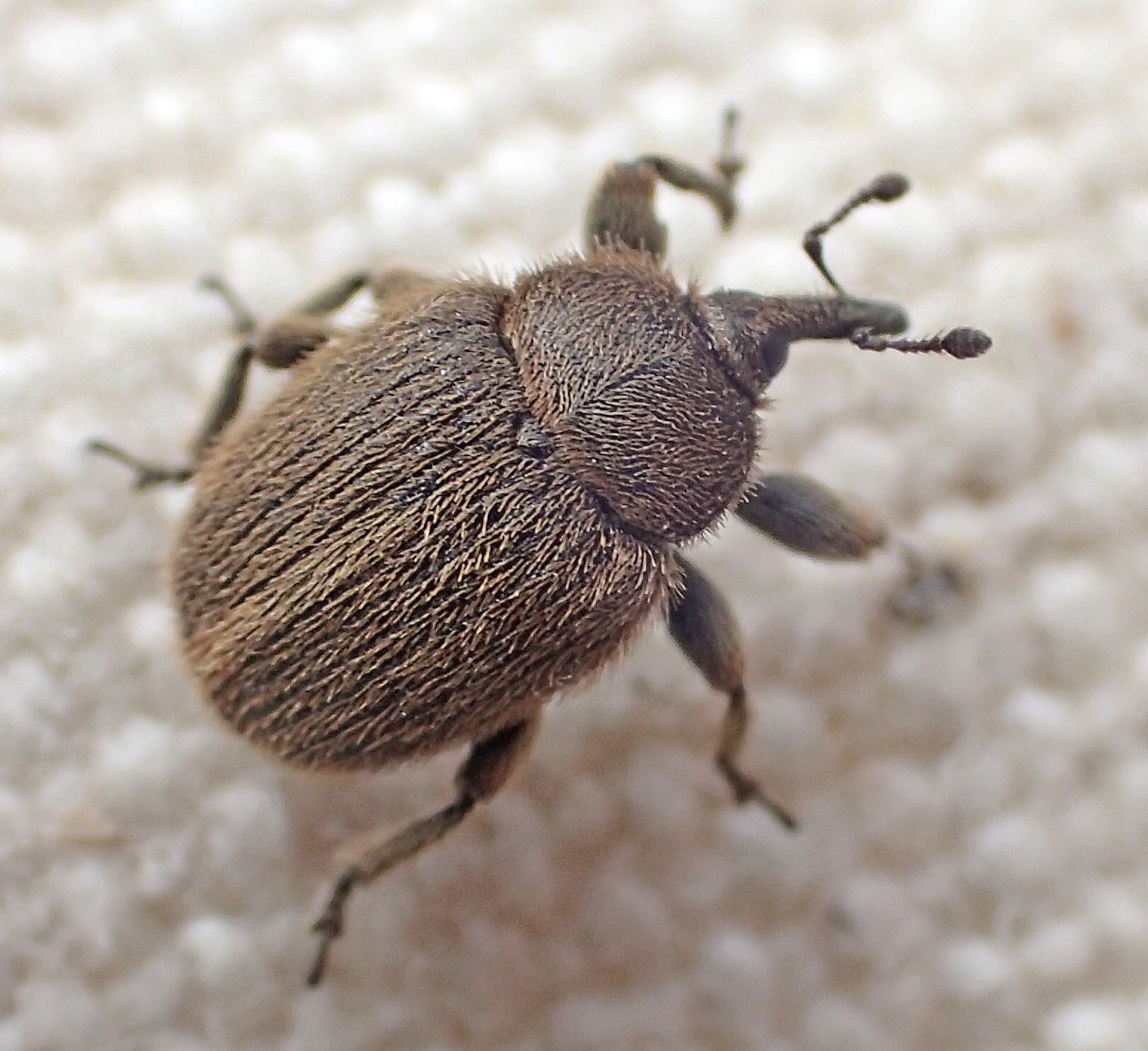
Rhinusa is a genus of true weevils in the family of beetles known as Curculionidae. There are at least 20 described species in Rhinusa.
from Wikipedia
Taxonomic Information
Eukaryota
Arthropoda
Insecta
Coleoptera
Curculionidae
Rhinusa
nan
nan
Genus
nan
k__Eukaryota;p__Arthropoda;c__Insecta;o__Coleoptera;f__Curculionidae;g__Rhinusa;s__unclassified
nan
Arthropods
Photos (5 photos)
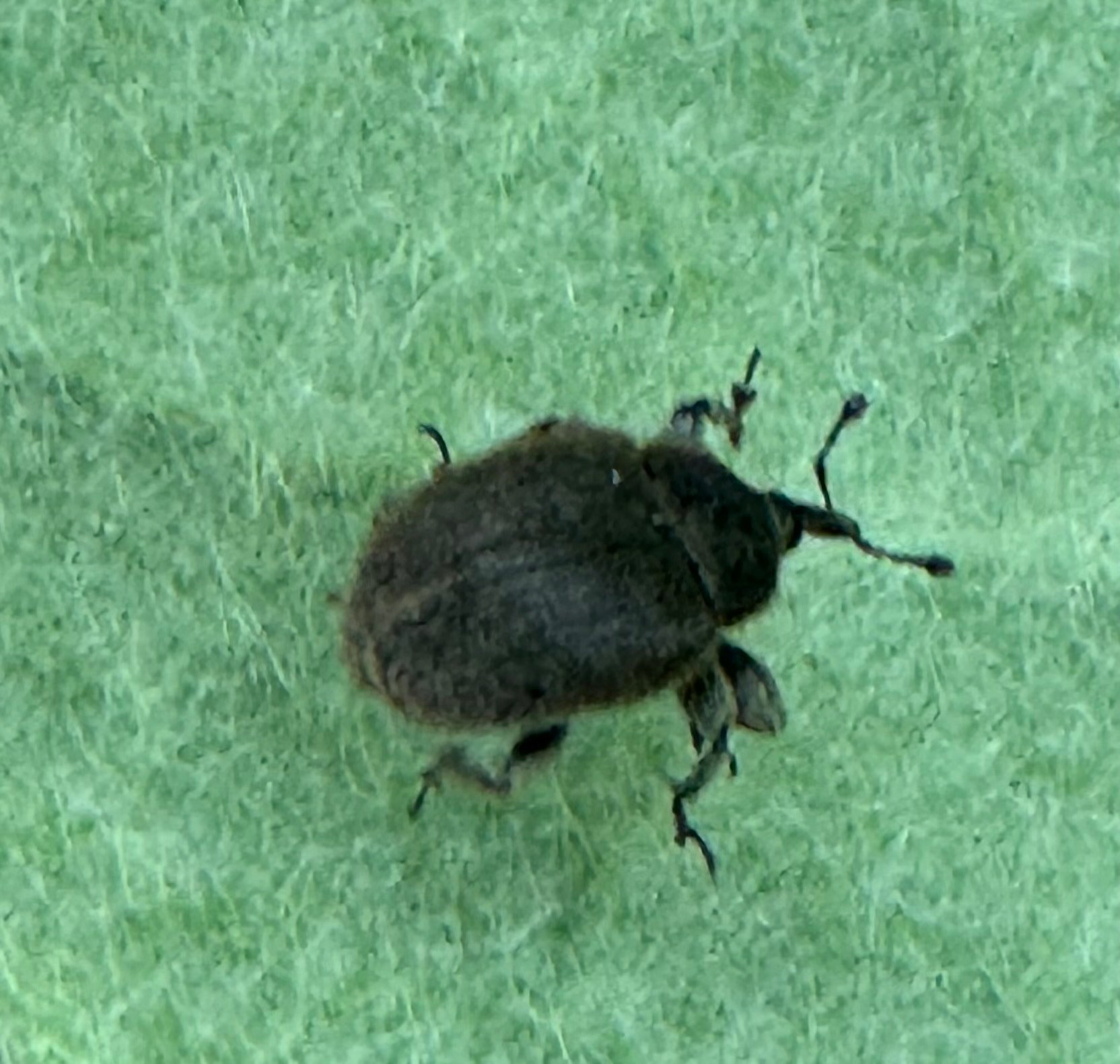
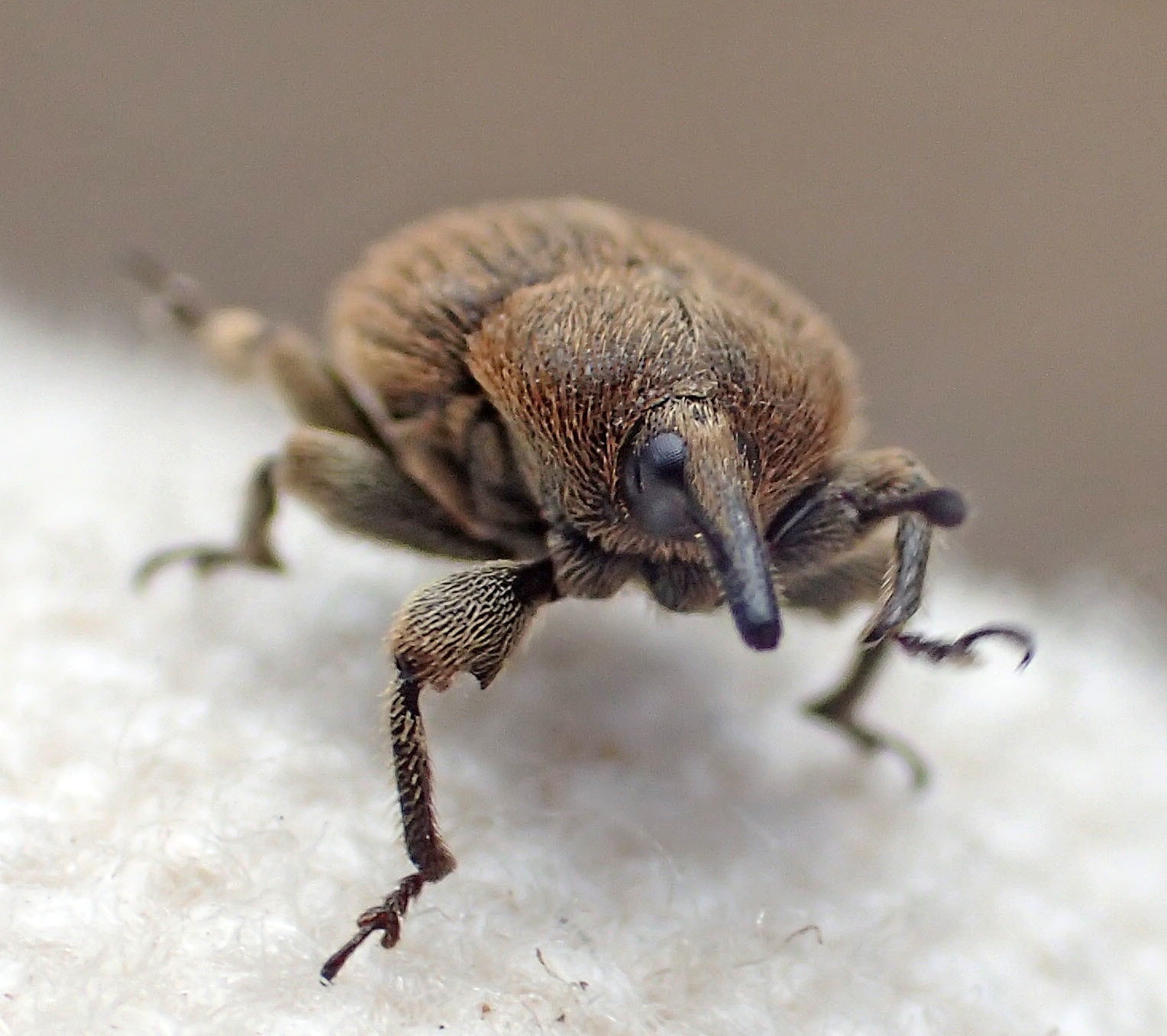
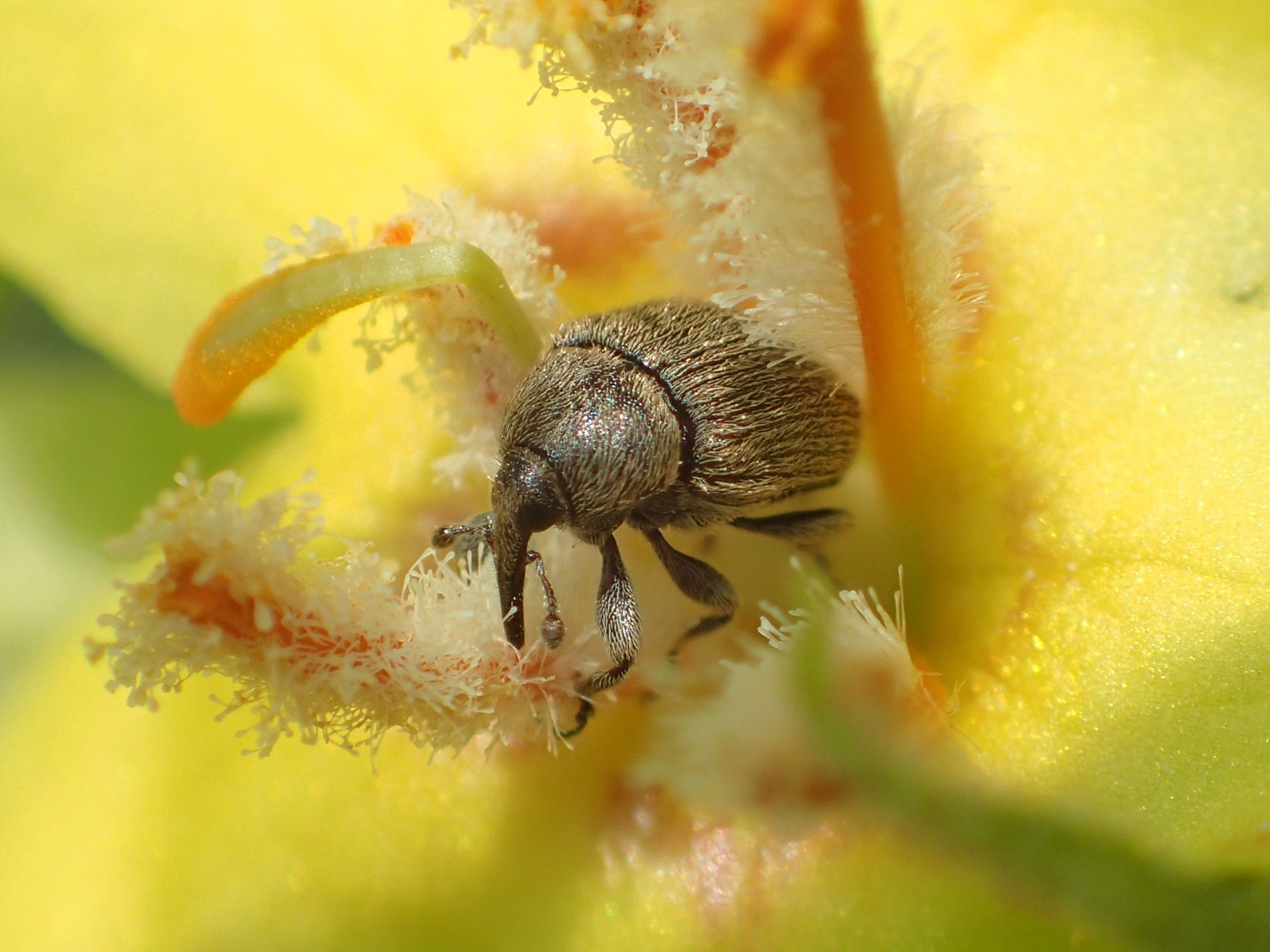
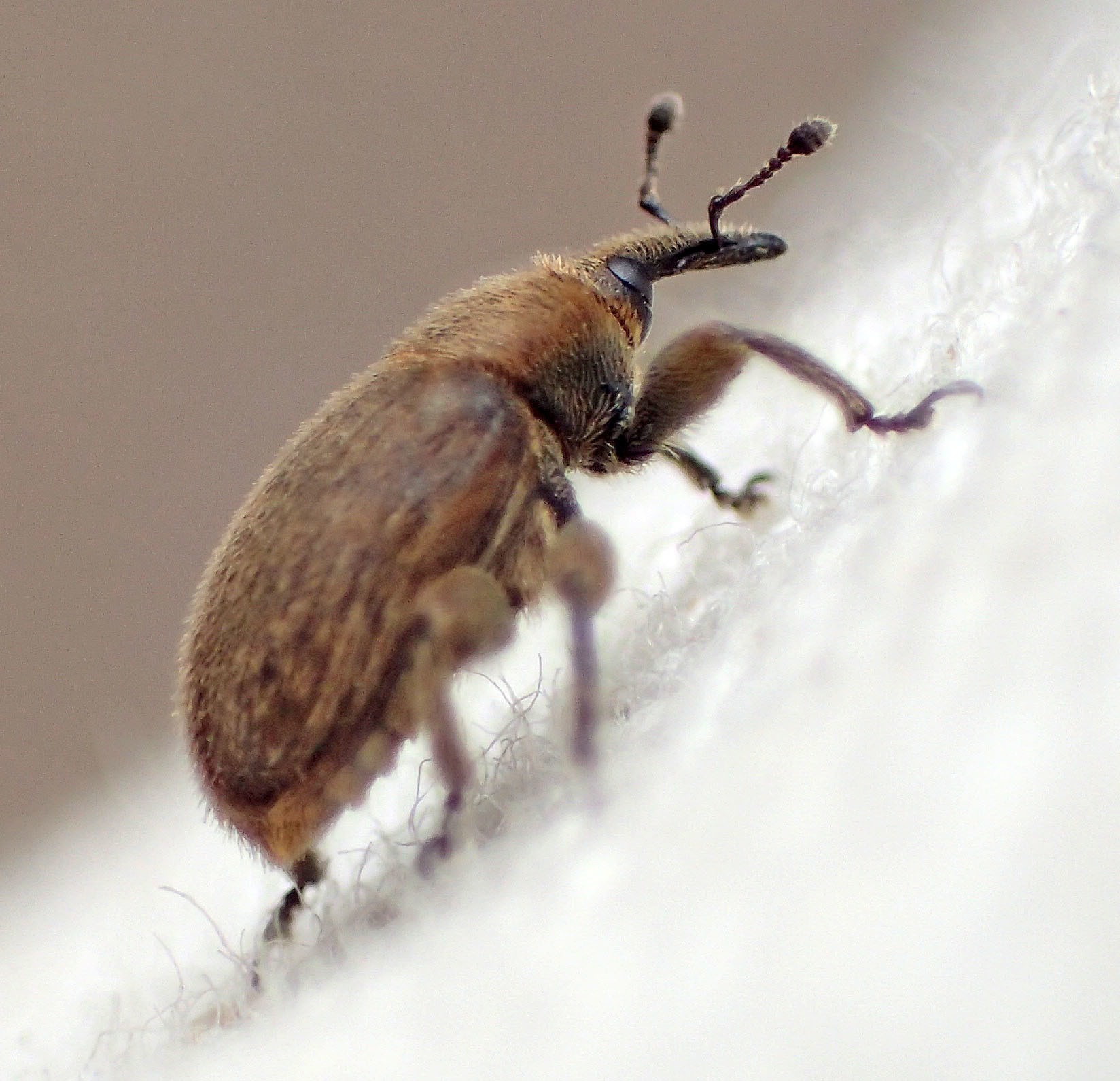
Morphological Features
Mature larva (L3). Body elongate, slender, curved, and usually rounded in cross section. Head capsule light yellow to dark brown, medial parts of epicranium usually less sclerotised; head suboval or slightly narrowed bilaterally; endocarinal line present, reaching from 1/2 to 4/5 of the length of frons. Antenna with membranous and distinctly convex basal article bearing one conical sensorium plus some smaller sensilla ampullacea, basiconica, or styloconica. Clypeus trapezoidal, usually with two short to relatively elongated cls. Labrum usually distinct from clypeus by clypeo-labral suture, with three piliform lrs. Epipharynx mostly with two relatively elongated, finger-like als. Mandibles apically bifid, cutting edge with additional protuberance or smooth. Mala with four to six finger-like dms variable in length; from two up to four piliform vms. Length ratio of basal and distal palpomeres usually almost 1:1. Prementum close to oval-shaped, with one medium prms. Setae on body thin, yellowish, different in length (very short or medium), transparent or brownish. Chaetotaxy well developed. All thoracic segments almost equal in size, or pronotum smaller than the next segments. Abdominal segments I-VII with two or up to six setae dorsally; one or two setae laterally, and two or up to five setae ventrally. Abdominal segment IX with two or up to four setae ventrally.
Plazi taxonomic treatment
Host Plants (0 host plants)
Data sources: EPPO Global Database and relevant literature.
No host plants available.
Quarantine Status (1 records)
Data sources: IPPC website and national quarantine websites; verified by human review.
| Country | Status | Year Added |
|---|---|---|
| United States of America | Quarantine pests | — |
Distribution (0 countries)
Data Sources: EPPO Global Database and GBIF.
No distribution records available.
Genomes (0 records)
Data source: NCBI.
No genome records available.
Transcriptomes (0 records)
Data source: NCBI.
No transcriptome records available.
Literature
Fetching literature from NCBI PubMed...
Failed to fetch literature