Spanagonicus
TaxID: 568014
Basic Information
Spanagonicus
Plant Bug
Spanagonicus is a genus of plant bugs in the family Miridae. There are about five described species in Spanagonicus.
from Wikipedia
Taxonomic Information
Eukaryota
Arthropoda
Insecta
Hemiptera
Miridae
Spanagonicus
nan
nan
Genus
nan
k__Eukaryota;p__Arthropoda;c__Insecta;o__Hemiptera;f__Miridae;g__Spanagonicus;s__unclassified
nan
Arthropods
Photos (5 photos)
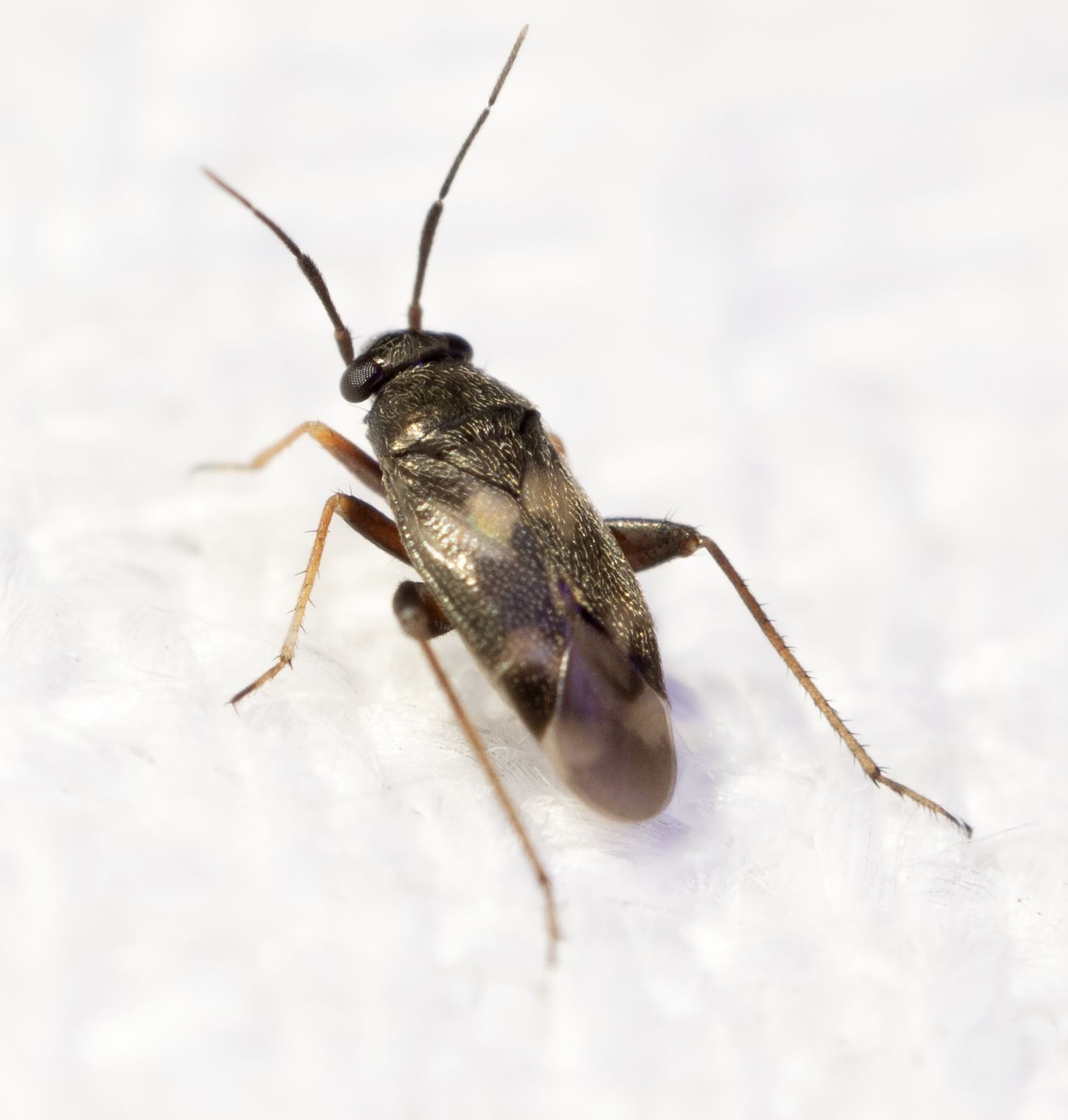
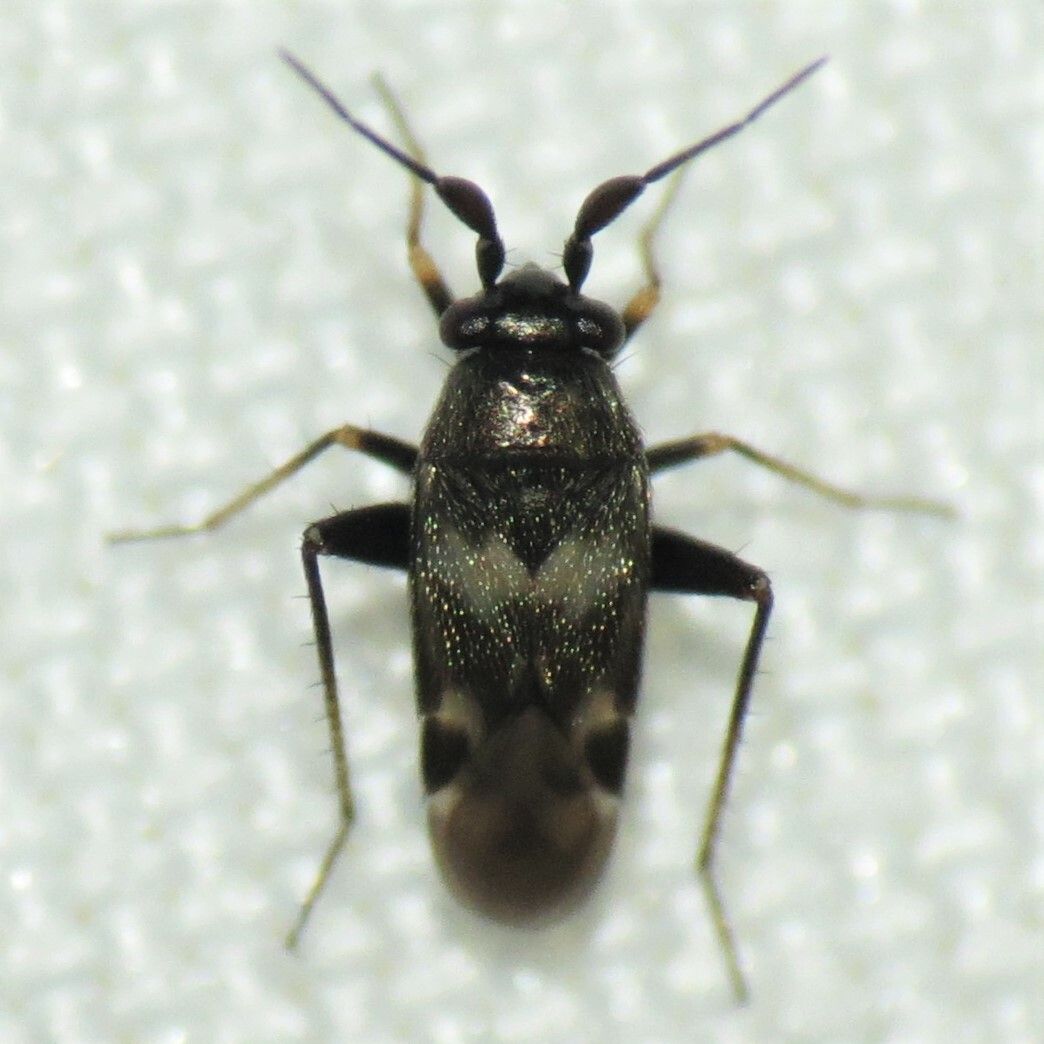
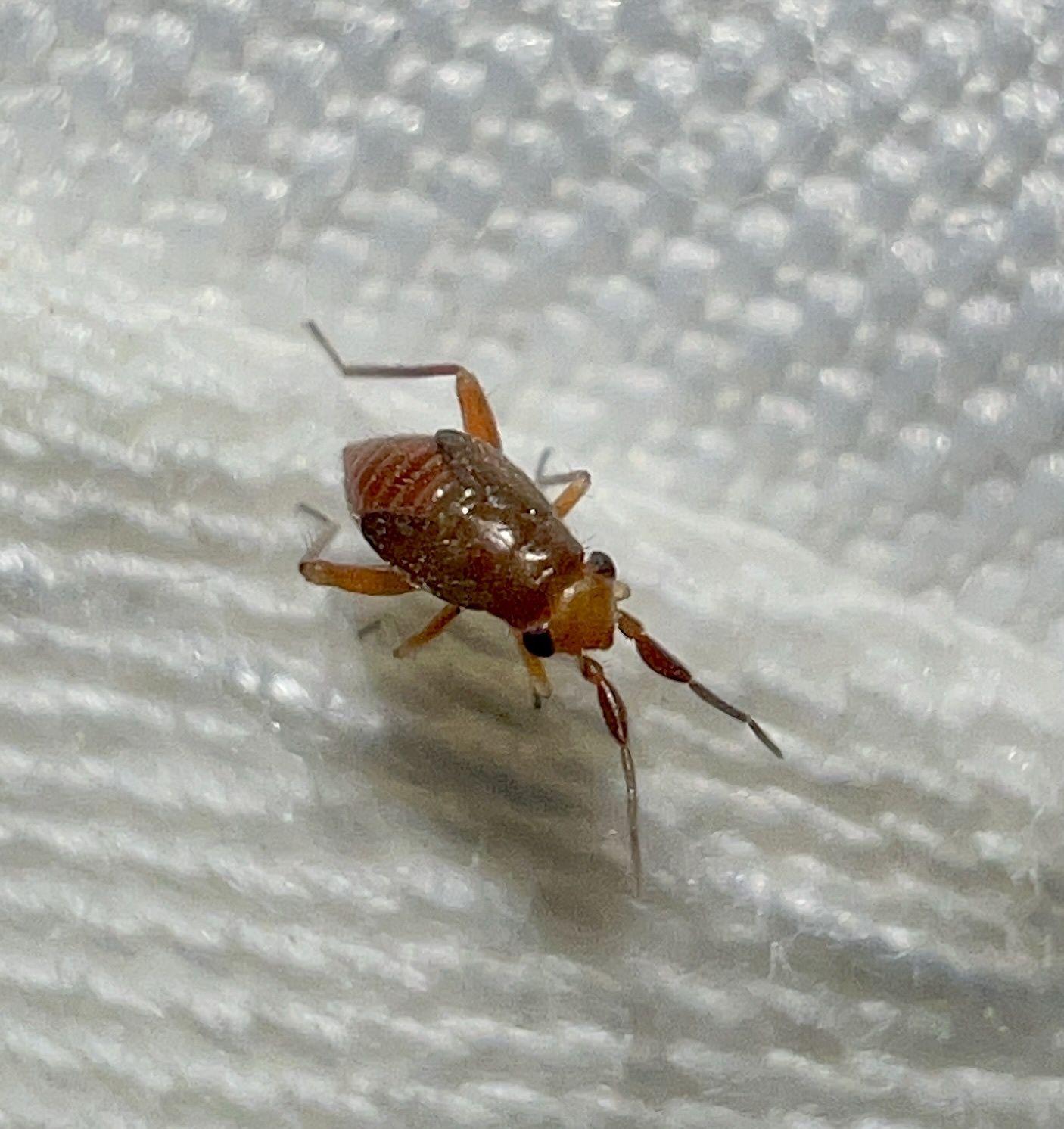
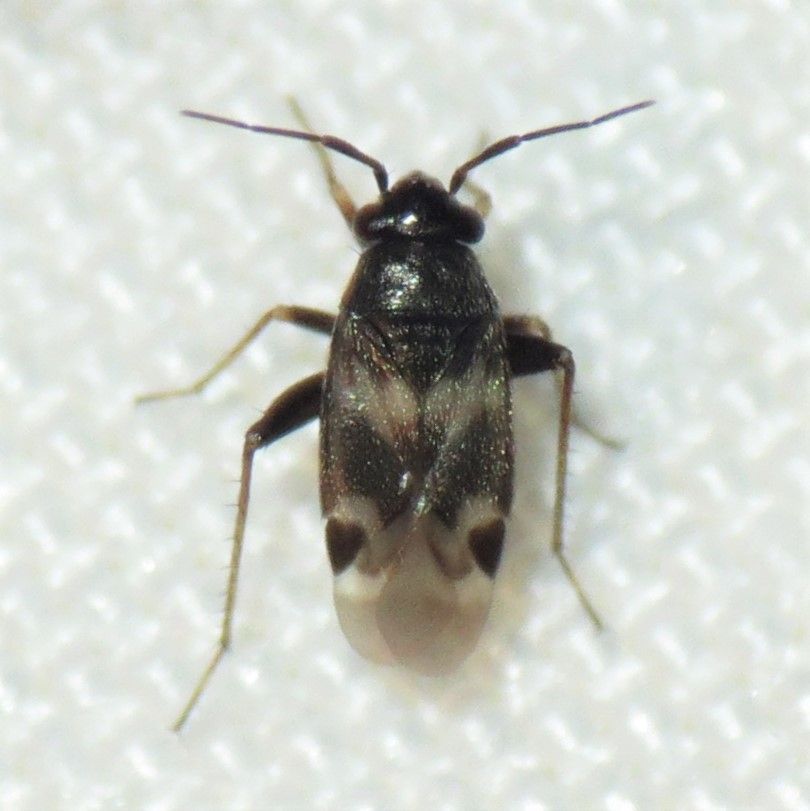
Morphological Features
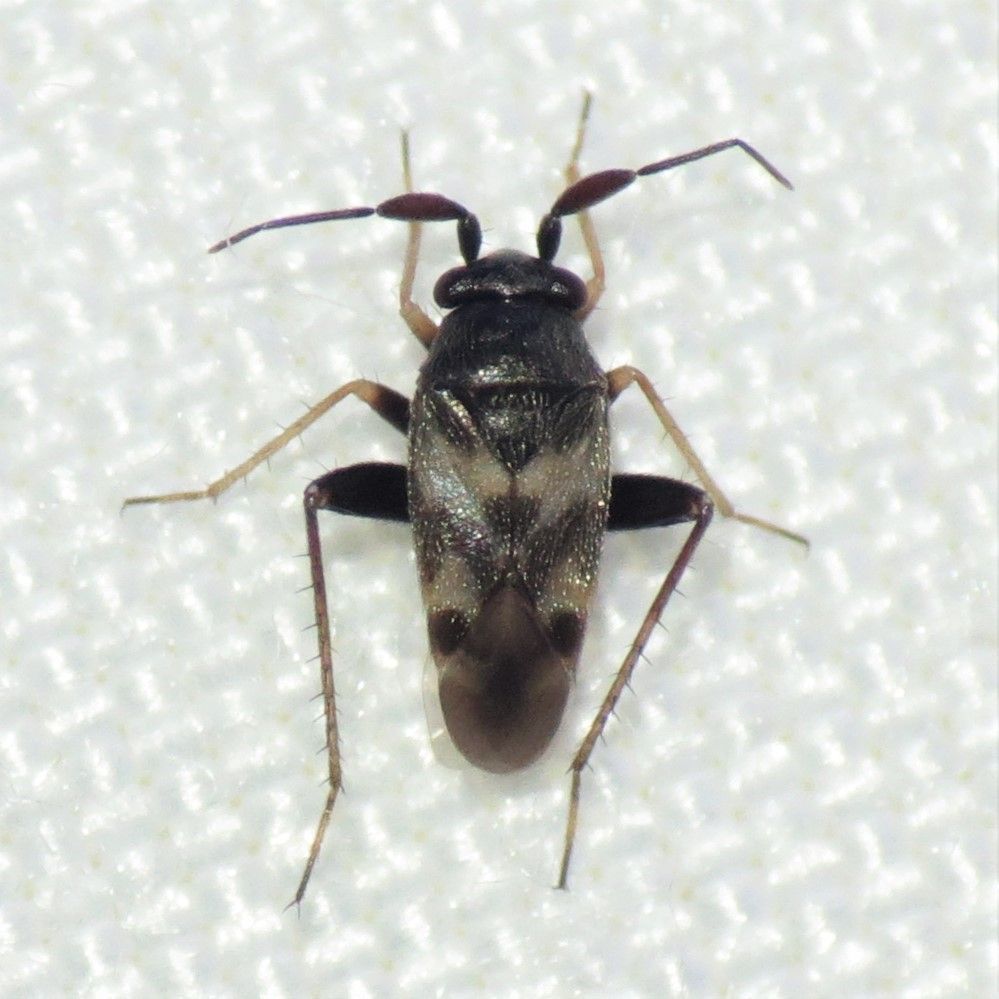
Spanagonicus is a genus of small, ovoid mirids, length 2.1–2.7 mm. Head transverse, weakly exserted, not concave on posterior margin; vertex visible in lateral view, interocular space less than half total dorsal width of head; eyes relatively large, taking up at least half height of head in lateral view, posterior margin partially surpassing anterior margin of pronotum. Pronotal collar absent; pronotum trapezoidal, dorsally smooth, calli not visible to weakly developed, with weak demarcation of anterior and posterior portions. Dorsum smooth; pronotum and scutellum impunctate. Hemelytral margins straight, weakly tapering towards apex; cuneus right-triangular, well developed deflection. First antennal segment inflated, inverted-cup shaped to inverted bottle-shaped; second antennal segment inflated, ranging from mildly inflated medially to football-shaped, with a ventral patch of spatulate setae in males; remaining segments narrow, third longest, fourth about 2/3 length of third. Vestiture of simple adpressed dark brown setae covering entire body; two pairs of relatively long setae on interior surface of first antennal segment. Coloration primarily dark brown; first antennal segment basally light yellow to dark brown, second antennal segment dark brown to reddish brown. Females sometimes brachypterous; second antennal segment thickened but not inflated as in males, lacking ventral spatulate setae patch.
Plazi taxonomic treatment
Host Plants (0 host plants)
Data sources: EPPO Global Database and relevant literature.
No host plants available.
Quarantine Status (1 records)
Data sources: IPPC website and national quarantine websites; verified by human review.
| Country | Status | Year Added |
|---|---|---|
| United States of America | Quarantine pests | — |
Distribution (0 countries)
Data Sources: EPPO Global Database and GBIF.
No distribution records available.
Genomes (0 records)
Data source: NCBI.
No genome records available.
Transcriptomes (0 records)
Data source: NCBI.
No transcriptome records available.
Literature
Fetching literature from NCBI PubMed...
Failed to fetch literature