Dasineura jujubifolia
TaxID: 2713466
Basic Information
Dasineura jujubifolia
Jujube Gall Midge
nan
from Wikipedia
Taxonomic Information
Eukaryota
Arthropoda
Insecta
Diptera
Cecidomyiidae
Dasineura
jujubifolia
nan
Species
nan
k__Eukaryota;p__Arthropoda;c__Insecta;o__Diptera;f__Cecidomyiidae;g__Dasineura;s__Dasineura jujubifolia
nan
Arthropods
Photos (5 photos)
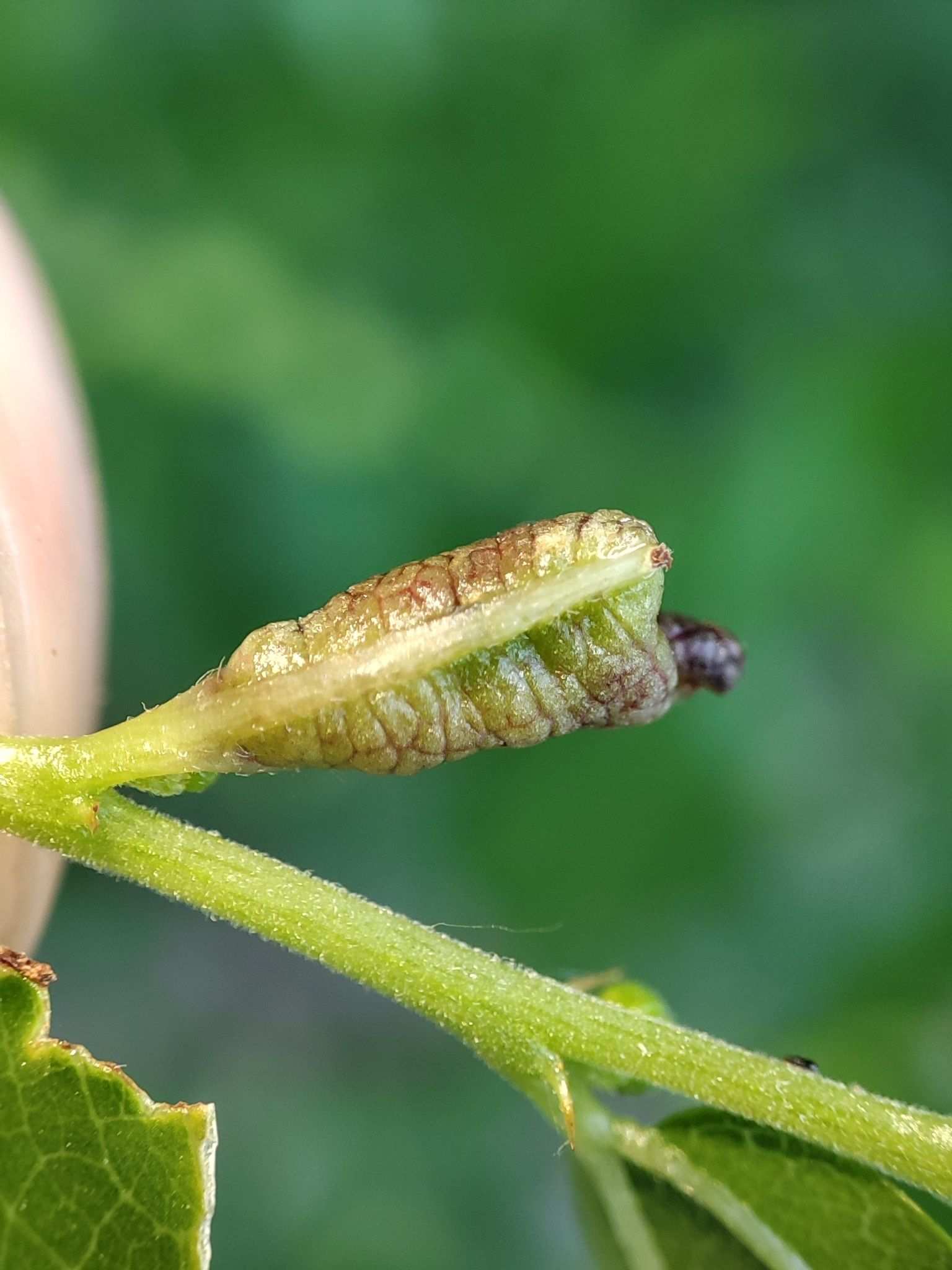
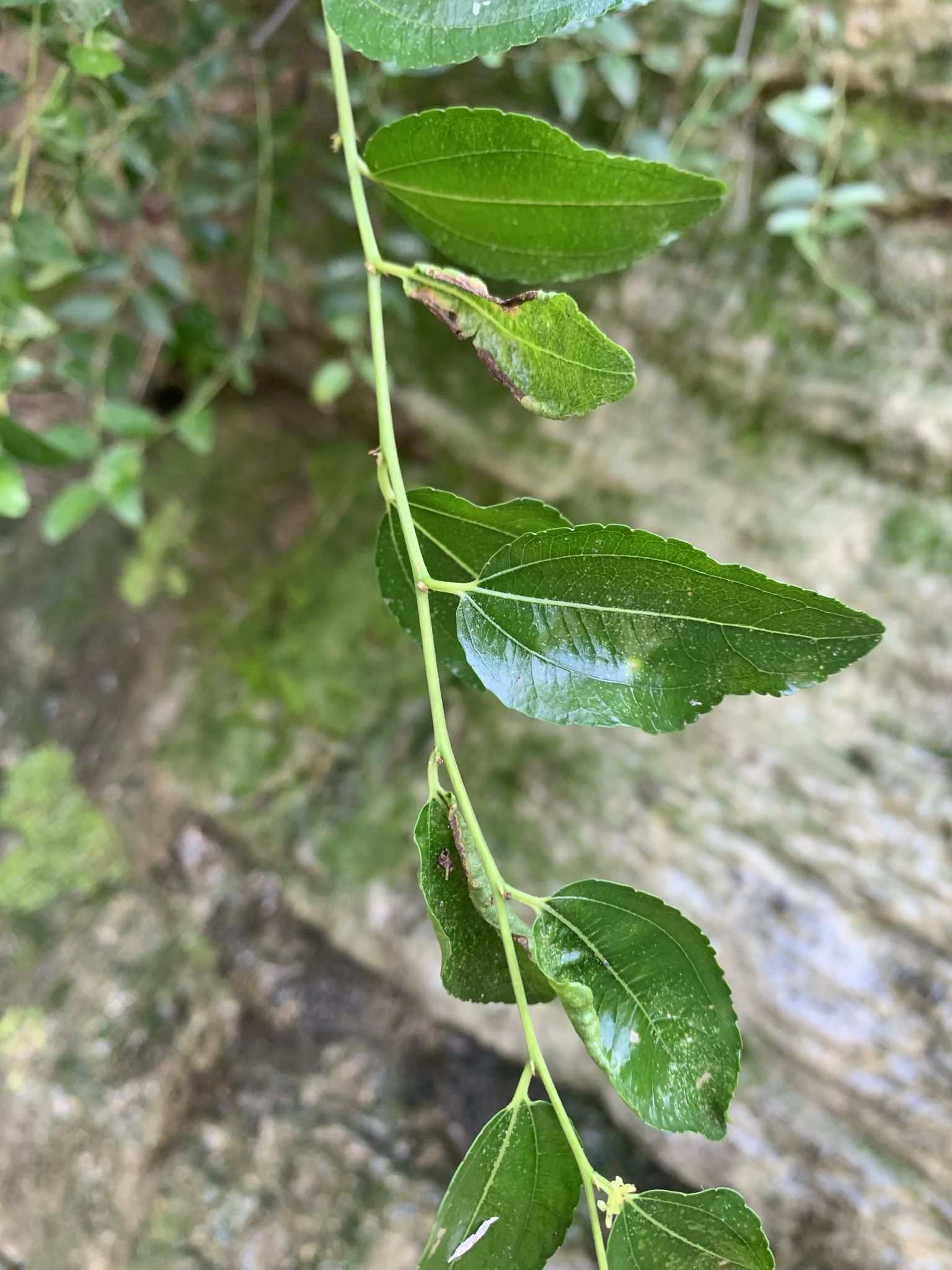
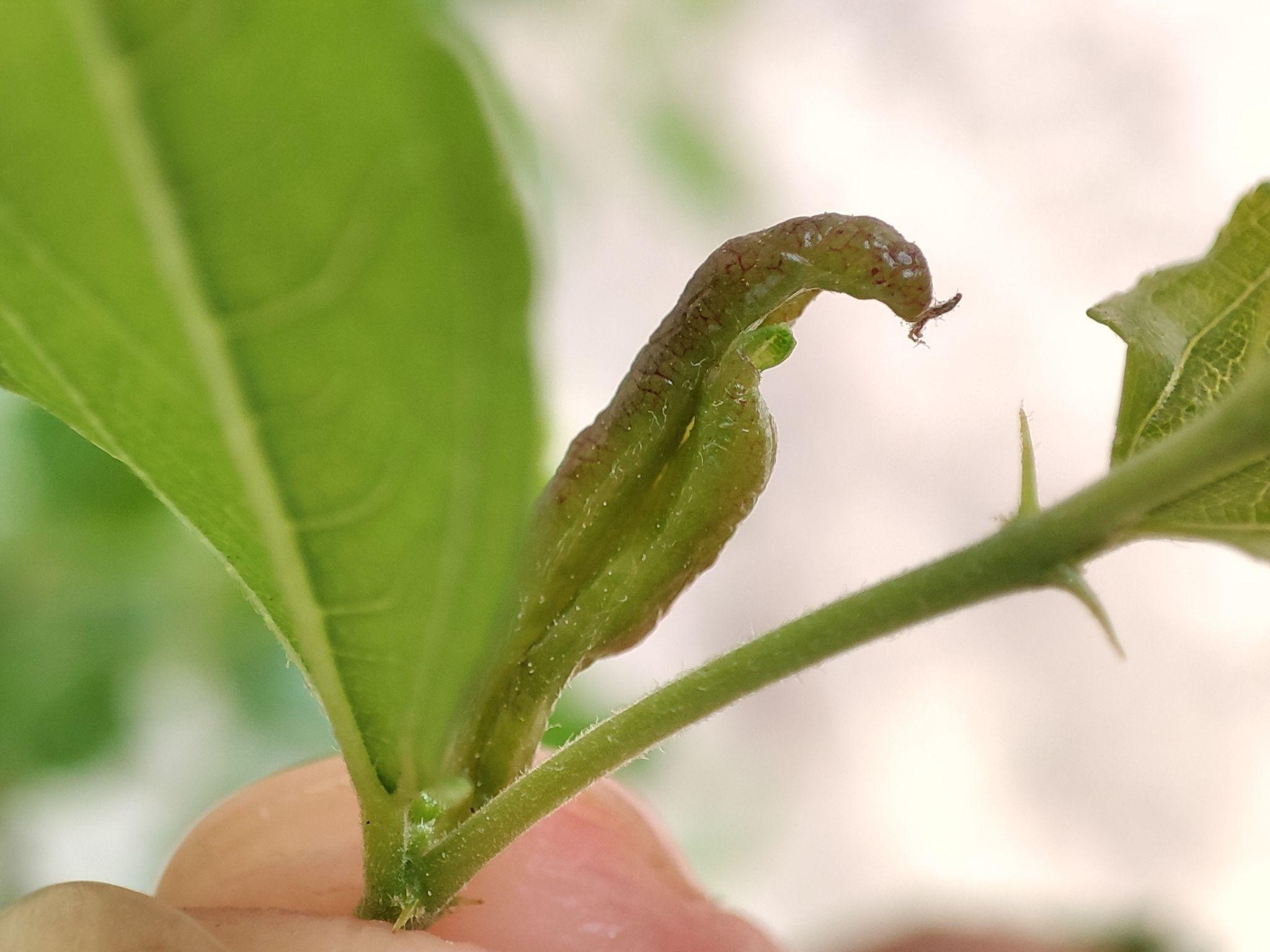
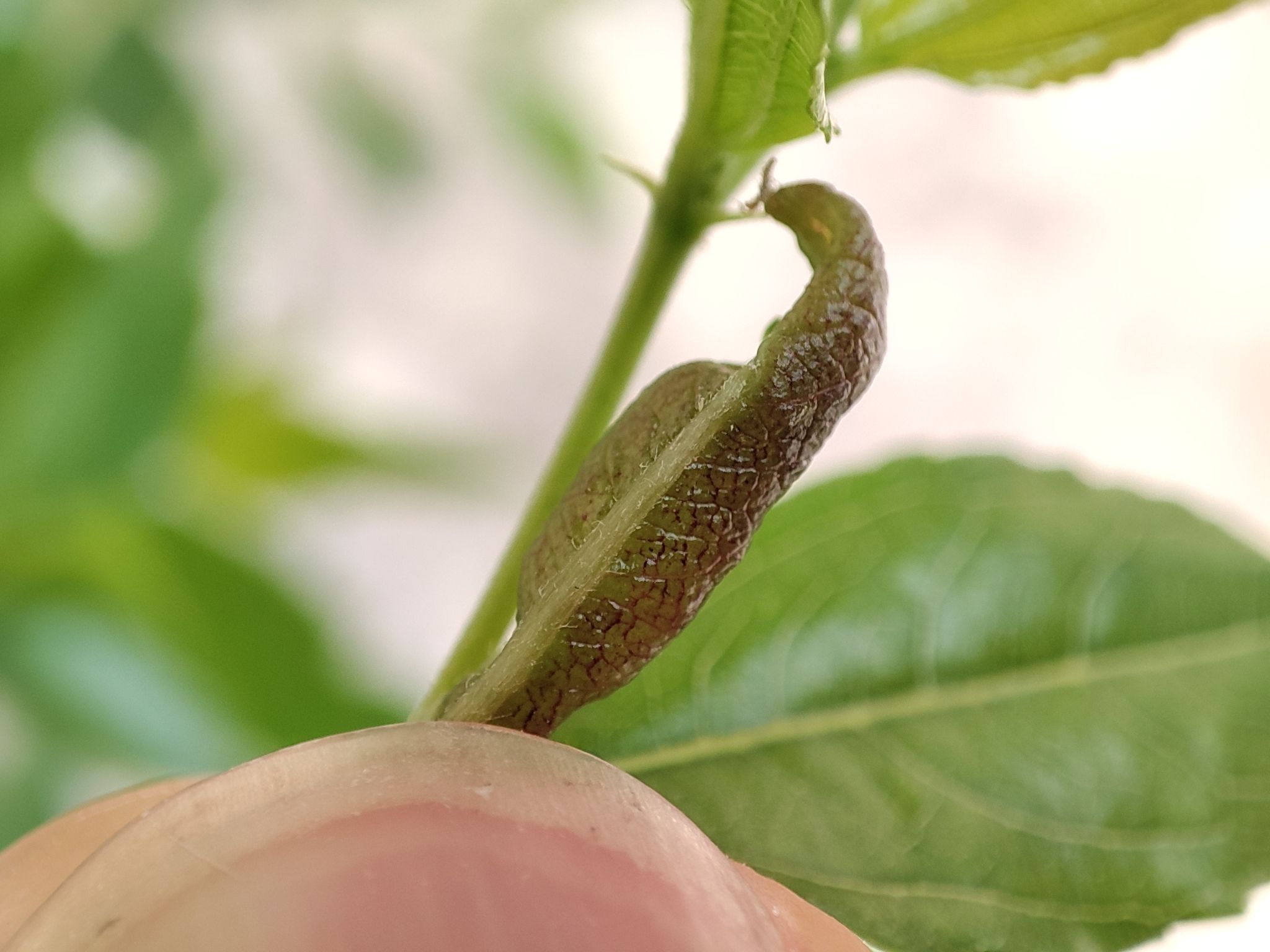
Morphological Features
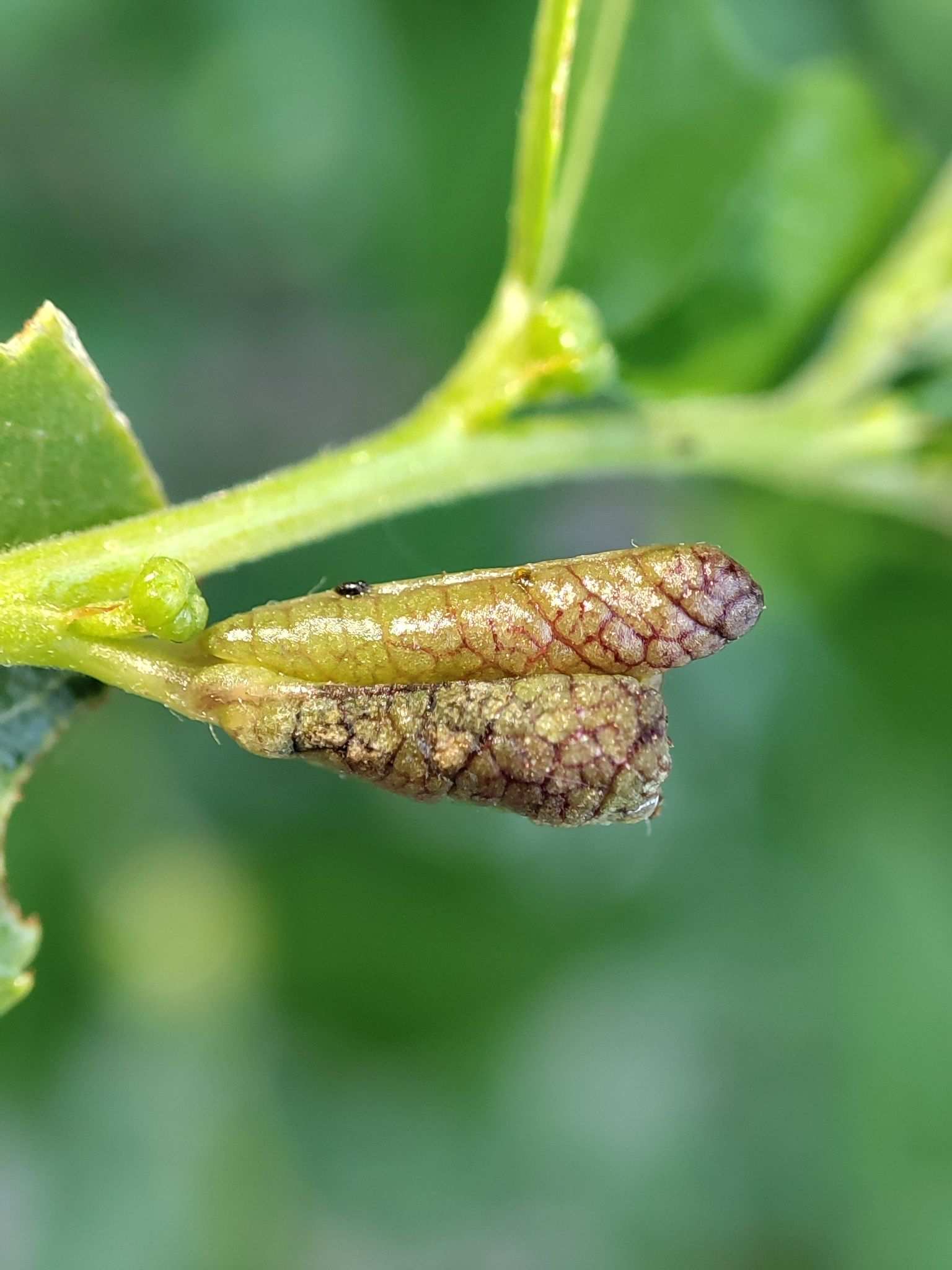
Adult male body length 1.6–1.8 mm; female body length 1.8–2.2 mm (ovipositor retracted) or 2.2–2.8 mm (ovipositor completely exserted). Body light yellow or yellowish white. Wing length 1.4–1.5 mm in male; wing hyaline, setose, sparsely covered by narrow scales, 2.45–2.50 times as long as wide in male and 2.55–2.60 times in female. Vein Rs absent; C, R1 and R5 strong and densely setose; R1 joining C a little before mid-length of wing; R5 arched forward, joining C far before wing apex. Male antenna with 12–13 flagellomeres; female antenna with 13 flagellomeres; neck of 3rd flagellomere 0.750–0.800 times length of node in male and 0.085–0.090 times in female; each node with 2 horizontal, appressed, band-shaped circumfila and 2 whorls of long, strong, irregular setae. Palpus with 4 segments, sparsely setose, last three segments longer than first. Legs densely covered by narrow scales and sparse setae. First through sixth tergites entire, rectangular, with a single posterior row of long setae, no lateral setae, uniformly covered by scales, with anterior pair of trichoid sensilla; seventh tergite slightly narrower than sixth; eighth tergite considerably narrower, divided longitudinally into two separate sclerites, with anterior pair of trichoid sensilla and several scales. Second through seventh sternites rectangular with irregular but mostly two posterior rows of long setae and two middle rows of long setae, and anterior pair of closely set trichoid sensilla. Male genitalia: gonocoxite robust with mediobasal lobe divided into 2 parts (short rounded dorsal lobe and elongate ventral lobe sheathing aedeagus, covered by short setae); gonostylus stout and strong, straight from subbase to apex, covered by several sparse setae subapically and basally with microtrichia, apically with a blunt apical tooth; aedeagus elongated, rounded apically, slightly longer than gonocoxite; cerci deeply separated, each rounded with a few long apical setae; hypoproct distinctly pigmented, slightly shorter than cerci, deeply divided into two lobes, each with 1–2 short setae. Female postabdomen: eighth segment without sclerite, with sparse long setae on distal third; fused cerci elongate, 3.01–3.20 times as long as wide in mid part, 0.46–0.47 times length of ninth segment, covered by microtrichia distally and few sparse long setae.
Plazi taxonomic treatment
Host Plants (0 host plants)
Data sources: EPPO Global Database and relevant literature.
No host plants available.
Quarantine Status (1 records)
Data sources: IPPC website and national quarantine websites; verified by human review.
| Country | Status | Year Added |
|---|---|---|
| United States of America | Quarantine pests | — |
Distribution (0 countries)
Data Sources: EPPO Global Database and GBIF.
No distribution records available.
Genomes (0 records)
Data source: NCBI.
No genome records available.
Transcriptomes (0 records)
Data source: NCBI.
No transcriptome records available.
Literature
Fetching literature from NCBI PubMed...
Failed to fetch literature