Lixus angustatus
TaxID: 202027
Basic Information
Lixus angustatus
Weevil
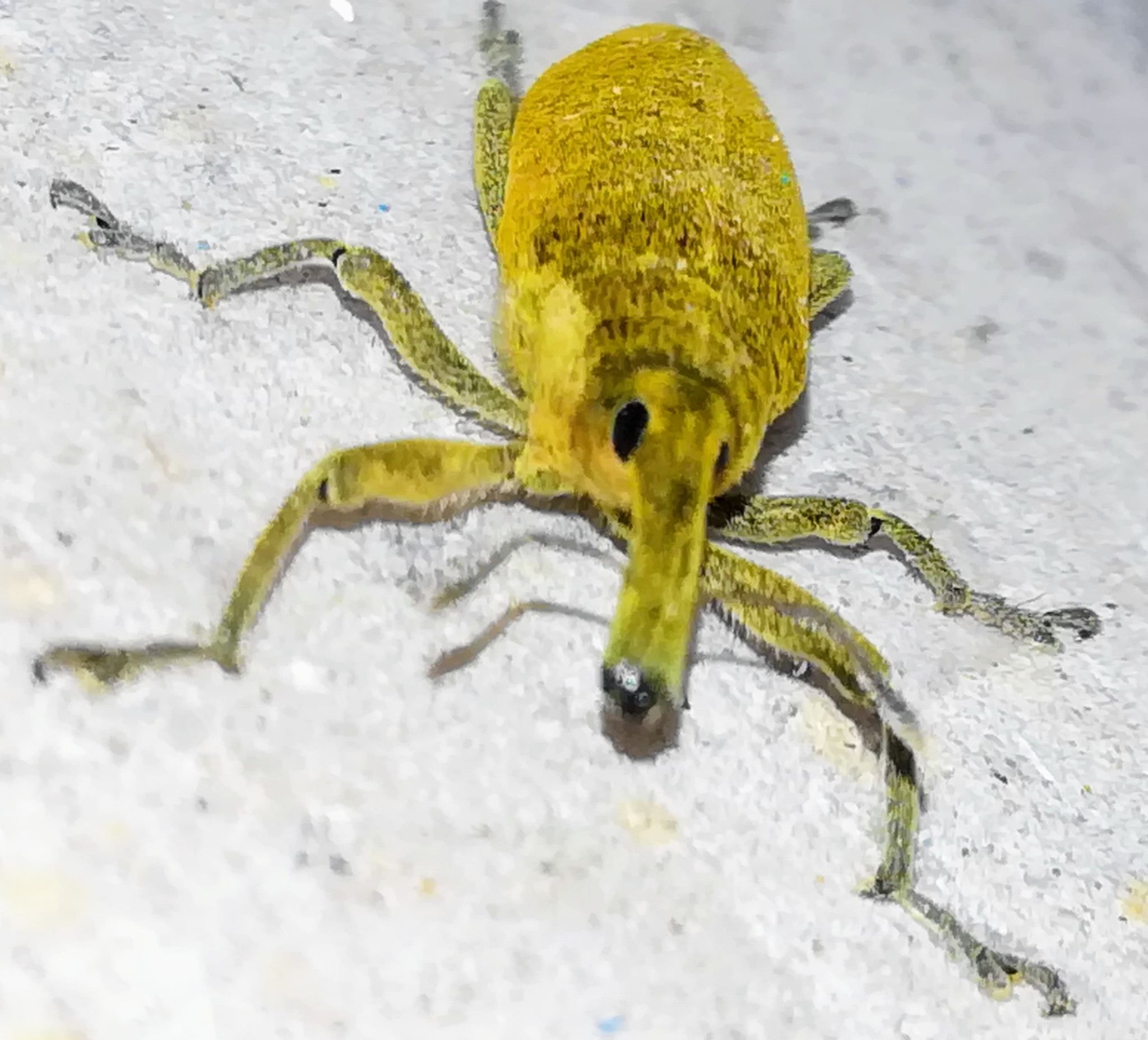
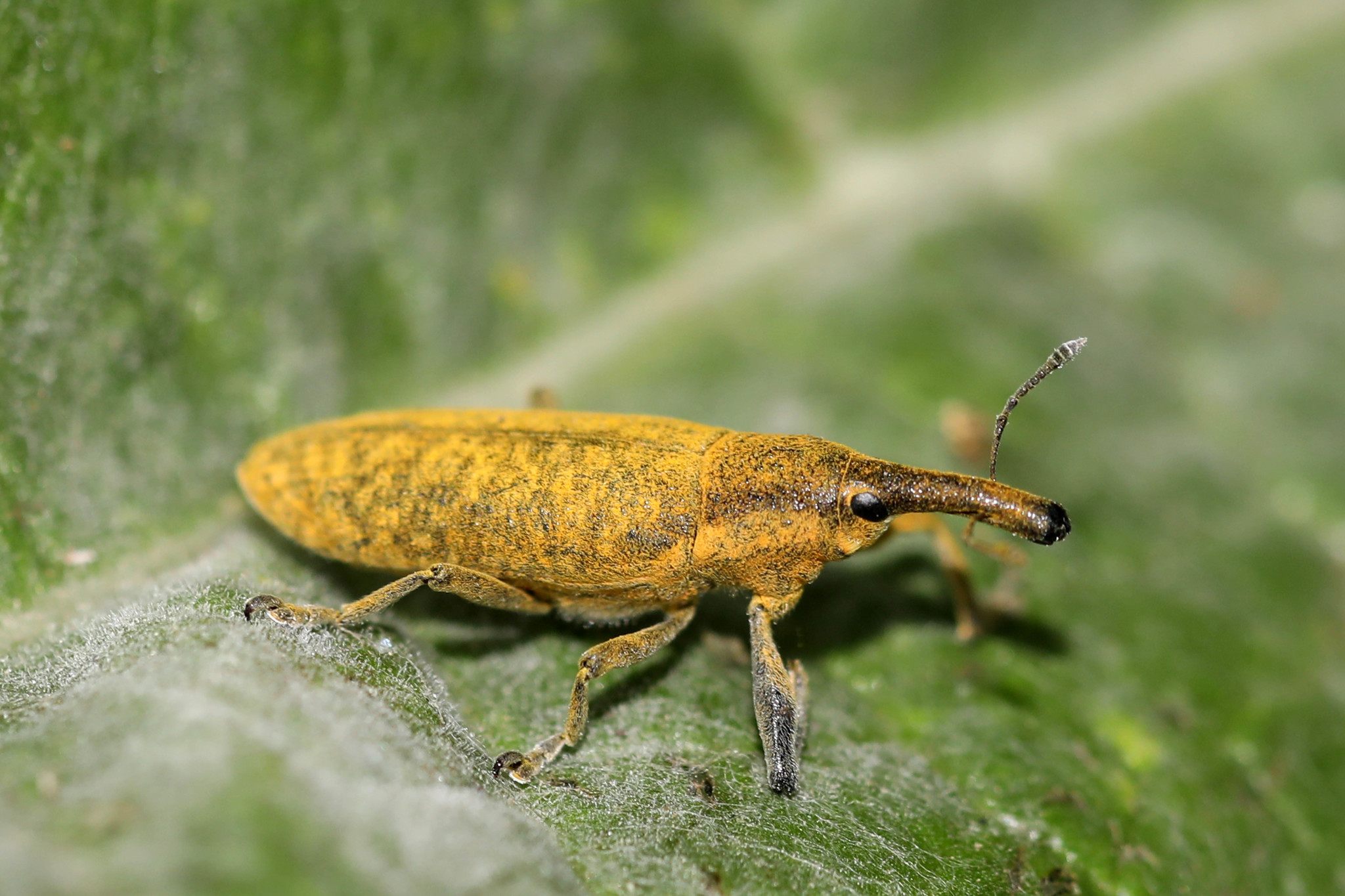
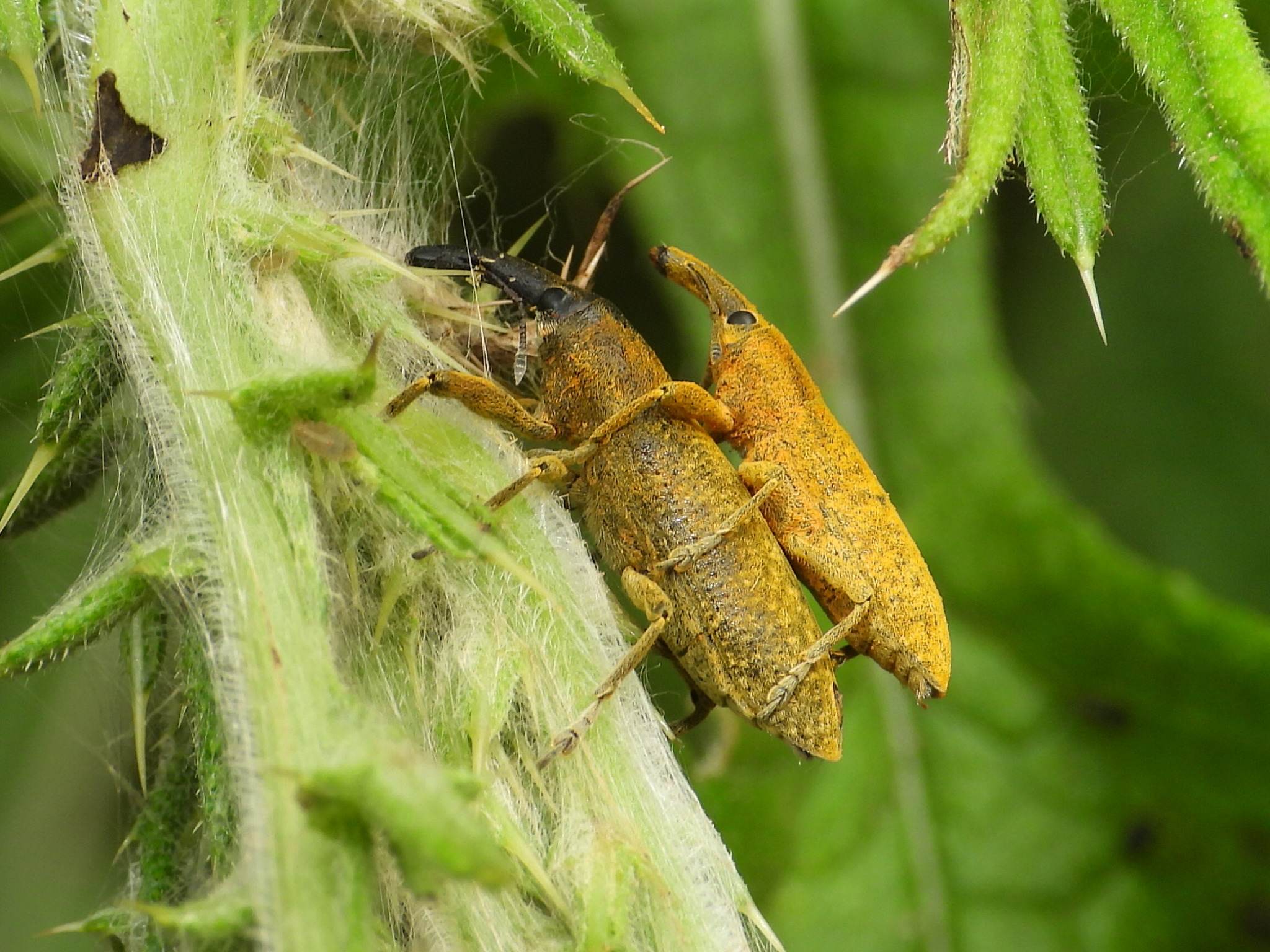
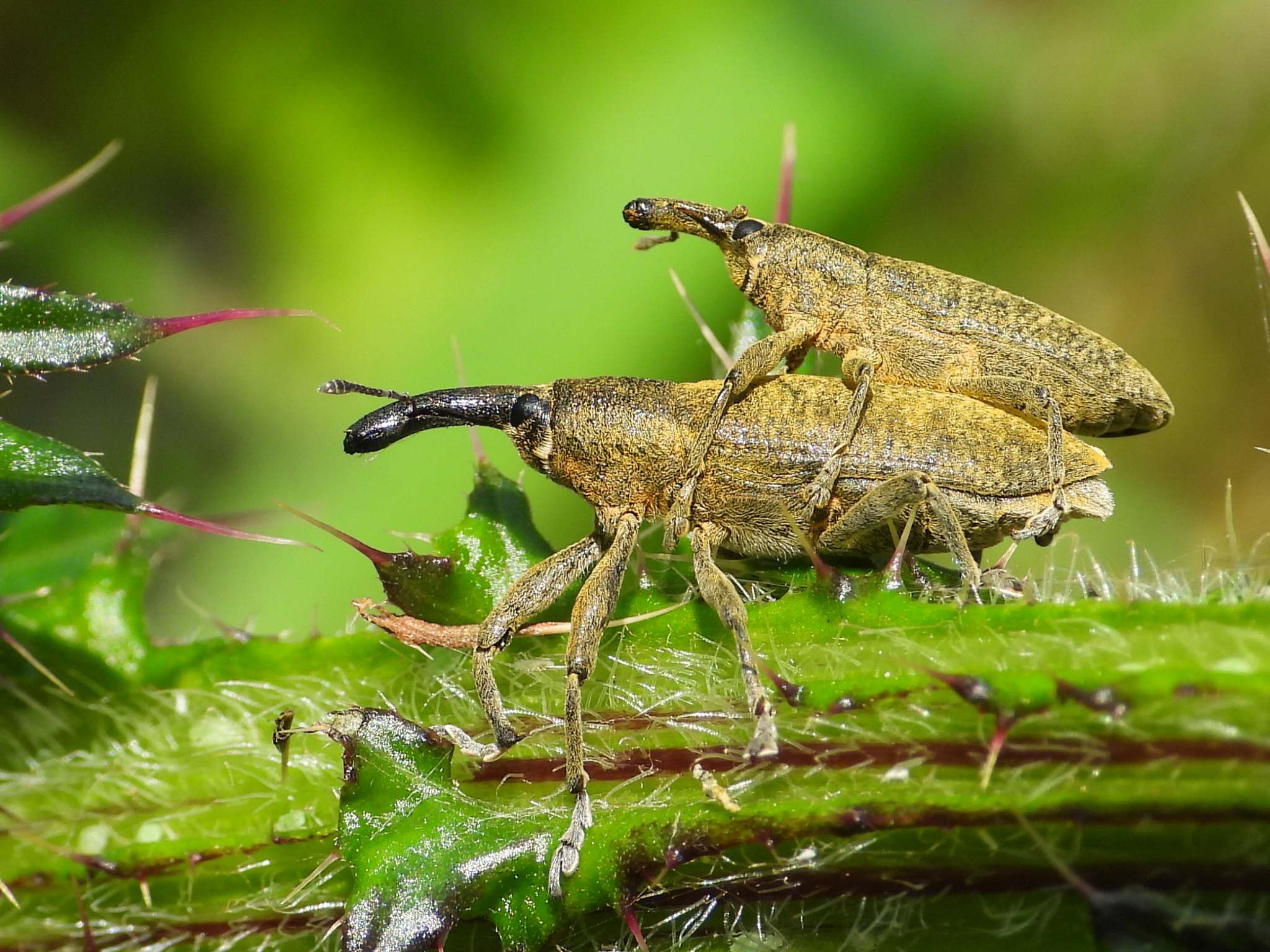
Lixus pulverulentus is a species of weevil belonging to the family Curculionidae. It is commonly known as the elongated bean weevil. The species was scientifically described in 1763 by Giovanni Antonio Scopoli as Curculio pulverulentus Scopoli, 1763.
from Wikipedia
Taxonomic Information
Metazoa
Arthropoda
Insecta
Coleoptera
Curculionidae
Lixus
angustatus
unclassified
Species
nan
k__Metazoa;p__Arthropoda;c__Insecta;o__Coleoptera;f__Curculionidae;g__Lixus;s__Lixus angustatus
nan
Arthropods
Photos (5 photos)
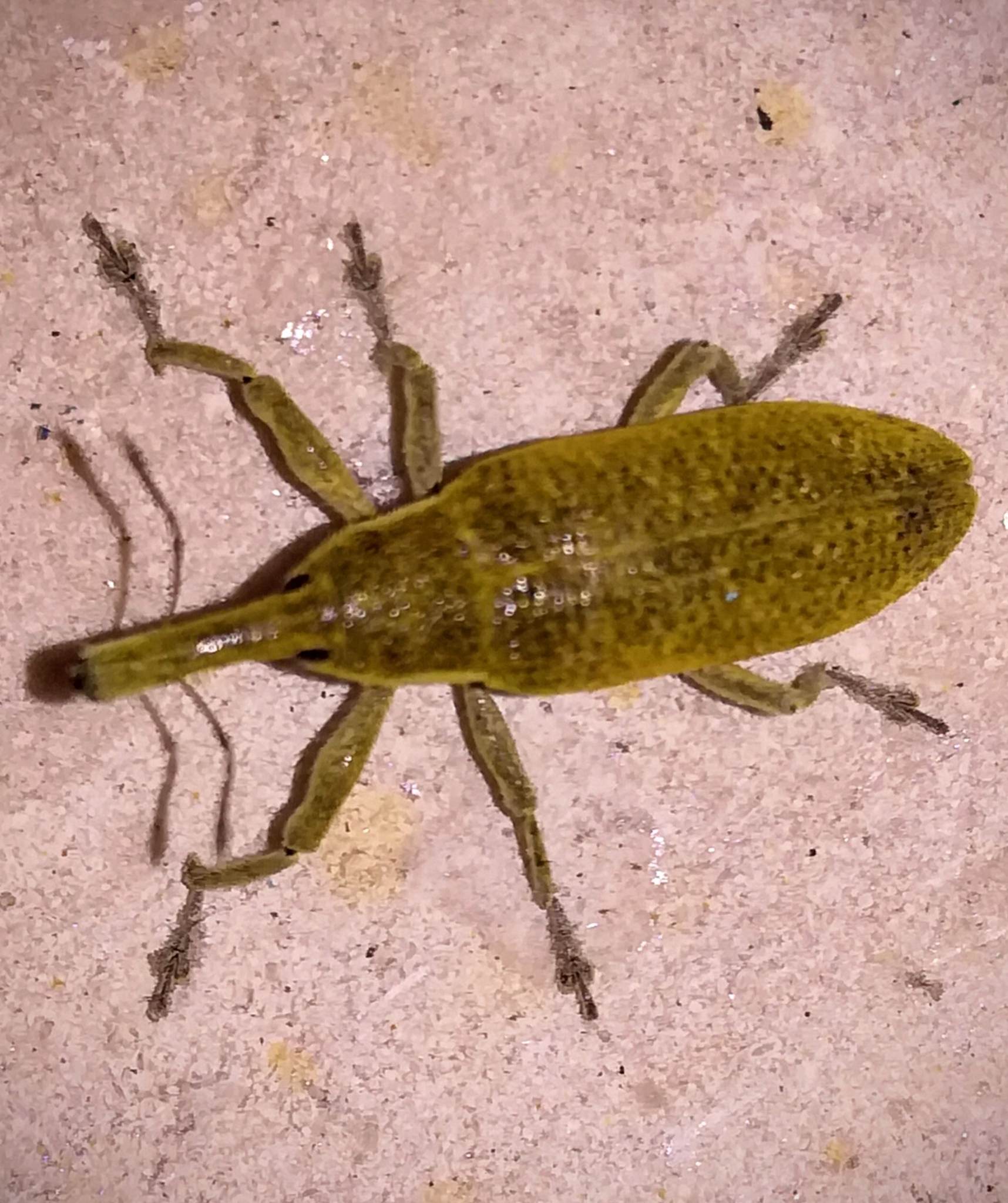
Morphological Features
Mature larva: body elongate, slender, pale yellow; length 11.2–14.1 mm, width 2.3–3.6 mm. Head with a pair of rostral setae, 1 vertical seta, 2 superorbital setae, 1 orbital seta, and 4 postantennal setae; all dorsal epicranial setae equal in length, frontal setae equal, lateral setae equal and as long as dorsal epicranial setae, ventral epicranial setae short and weakly visible. Labrum transverse, 1.5 times as wide as long, with 2 labral setae on conical tubercles. Clypeus transverse, 2.2 times as wide as long, with 2 hair-like clypeal setae. Mandibles weakly curved, apex with two equal teeth; mandibular setae hair-like, equal in length. Stipes with 1 stipal seta and 2 equal palpiferal setae. Ligula with 2 equal hair-like ligular setae. Postlabium with 3 equal hair-like postlabial setae. Each side of prothorax with 9 pronotal setae of equal length along margin of pigmented pronotal area, 3 spiracular setae, 2 ventropleural setae, and 2 short mesosternal setae. Mesothorax and metathorax each side with 7 short dorsal setae; each pedal area of thoracic segments with 8 nearly equal pedal setae. Abdominal segments III–VIII with 9 dorsal setae along posterior margin, of which four or five transformed into large sclerotized teeth.
Description of the preimaginal stages and biology of the weevil Lixus (Dilixellus) pulverulentus (Scopoli, 1763) (Coleoptera: Curculionidae: Lixini).
Host Plants (0 host plants)
Data sources: EPPO Global Database and relevant literature.
No host plants available.
Quarantine Status (1 records)
Data sources: IPPC website and national quarantine websites; verified by human review.
| Country | Status | Year Added |
|---|---|---|
| United States of America | Quarantine pests | — |
Distribution (0 countries)
Data Sources: EPPO Global Database and GBIF.
No distribution records available.
Genomes (0 records)
Data source: NCBI.
No genome records available.
Transcriptomes (0 records)
Data source: NCBI.
No transcriptome records available.
Literature
Fetching literature from NCBI PubMed...
Failed to fetch literature