Noctua pronuba
TaxID: 214277
Basic Information
Noctua pronuba
European Yellow Underwing Moth, Large Yellow Underwing, large yellow underwing
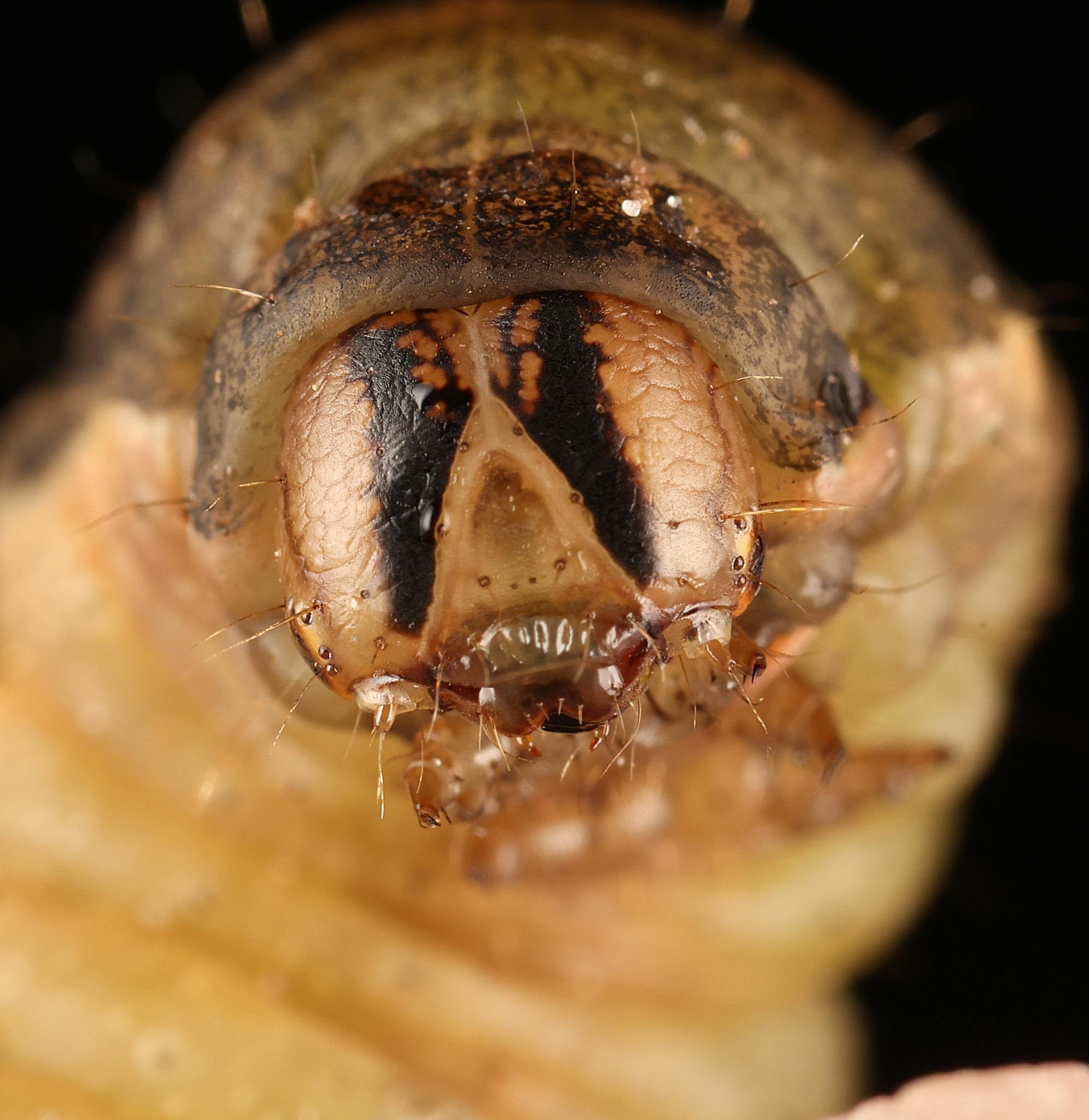
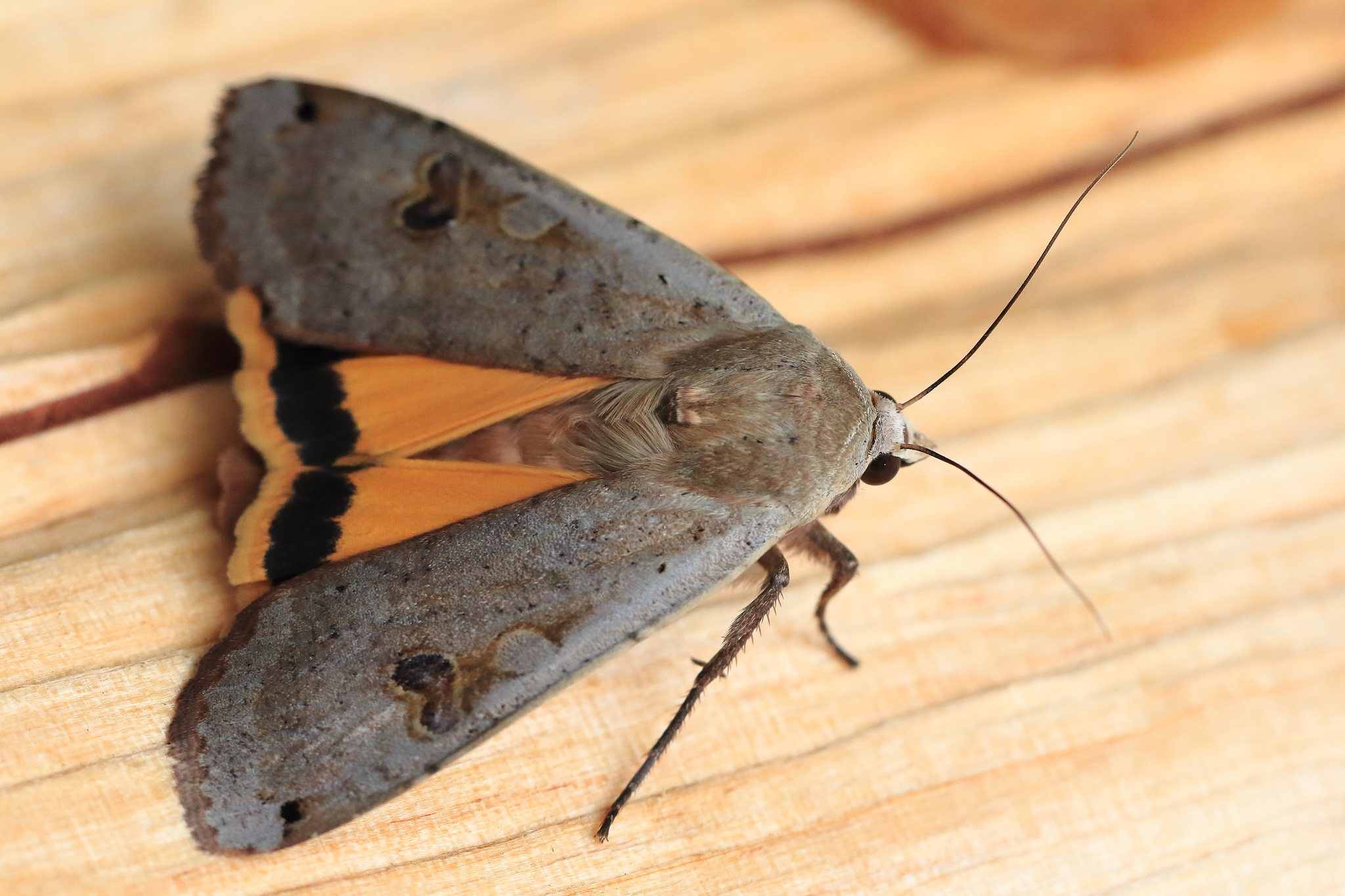
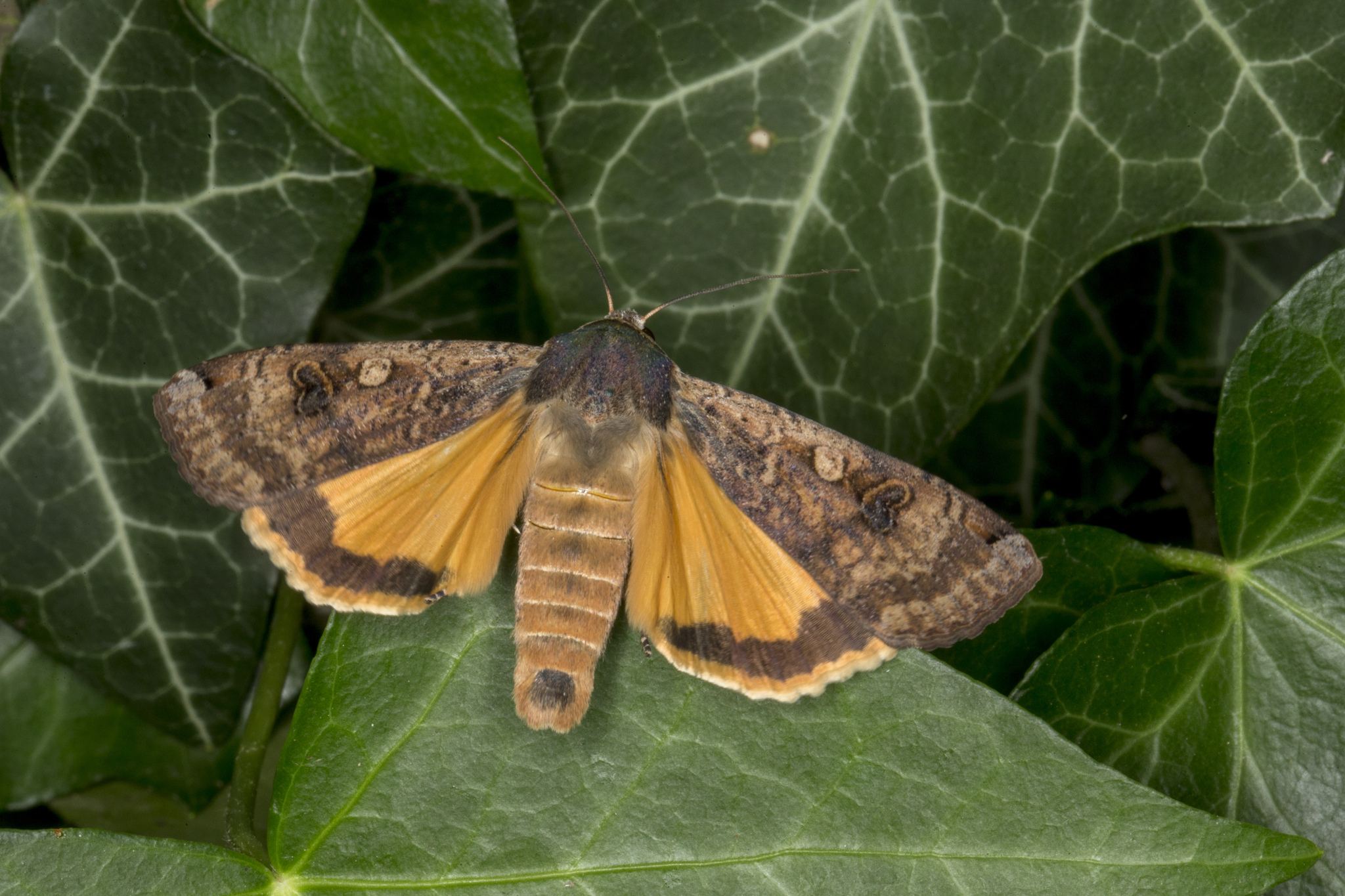
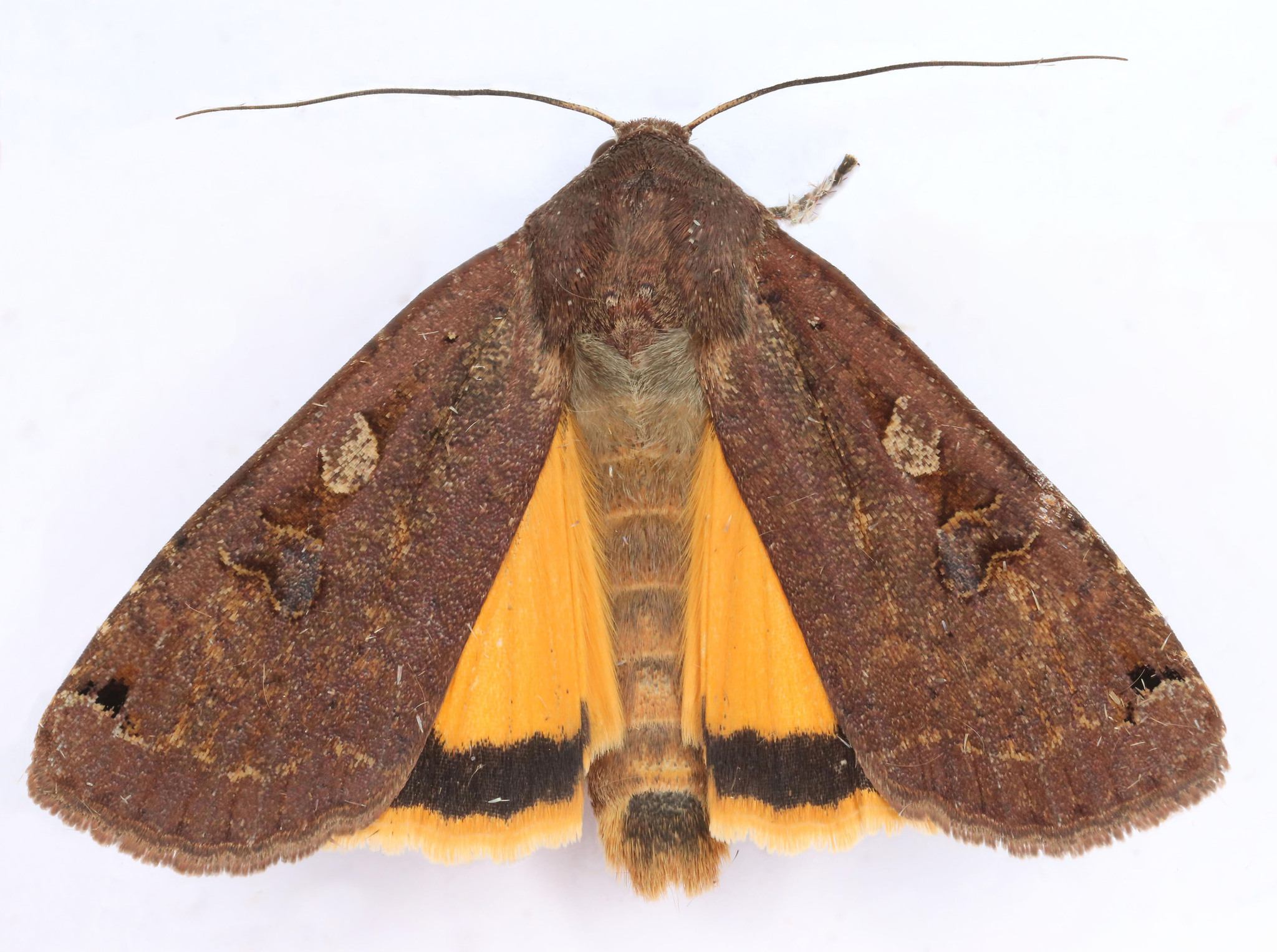
The large yellow underwing (Noctua pronuba) is a moth, the type species for the family Noctuidae. It is an abundant species throughout the Palearctic realm, one of the most common and most familiar moths of the region. In some years the species is highly migratory with large numbers appearing suddenly in marginal parts of the range. It is present in Europe, North Africa, Canary Islands, Middle East, Turkey, Iraq, Iran, Afghanistan, northwest India, Russia, Novosibirsk Oblast, Caucasus, Transcaucasia and Central Asia. It was introduced into North America at Nova Scotia. Since then it has increased its range considerably and has been recorded for Maine since 1985, and then spread throughout the northeast from Vermont and Massachusetts (1989) to New Hampshire (1990), New York, Maryland (1992), and Connecticut (1993). It was first recorded in Pennsylvania in 1998, North Carolina (1997) and west to Colorado (1999), Wyoming (2000), Washington (2000), California (2001), British Columbia (2002) and Alaska (2005). This is a quite large and heavy moth with a wingspan of 50 C60 mm (2.0 C2.4 in). The forewings are quite variable from light brown to almost black. The darker individuals often have a pale streak along the costa. The hindwings are bright orange-yellow with a black sub-terminal band. As with other Noctua species (and numerous other insects), this contrast of bland-on-land and bright-in-flight is used to confuse potential predators. This species flies at night from July to September [1] and is attracted to light, sometimes in huge numbers. It will also visit flowers such as Buddleia, ragwort, and red valerian. The larva is green or brown with two rows of black dashes along the back. This is one of the notorious "cutworms", causing fatal damage at the base of virtually any herbaceous plant (some examples listed below), sometimes severing it completely. This ubiquitous species is considered as a garden pest. The species overwinters as a larva and feeds on mild days throughout the winter.
from Wikipedia
Taxonomic Information
Metazoa
Arthropoda
Insecta
Lepidoptera
Noctuidae
Noctua
pronuba
unclassified
Species
nan
k__Metazoa;p__Arthropoda;c__Insecta;o__Lepidoptera;f__Noctuidae;g__Noctua;s__Noctua pronuba
nan
Arthropods
Photos (5 photos)
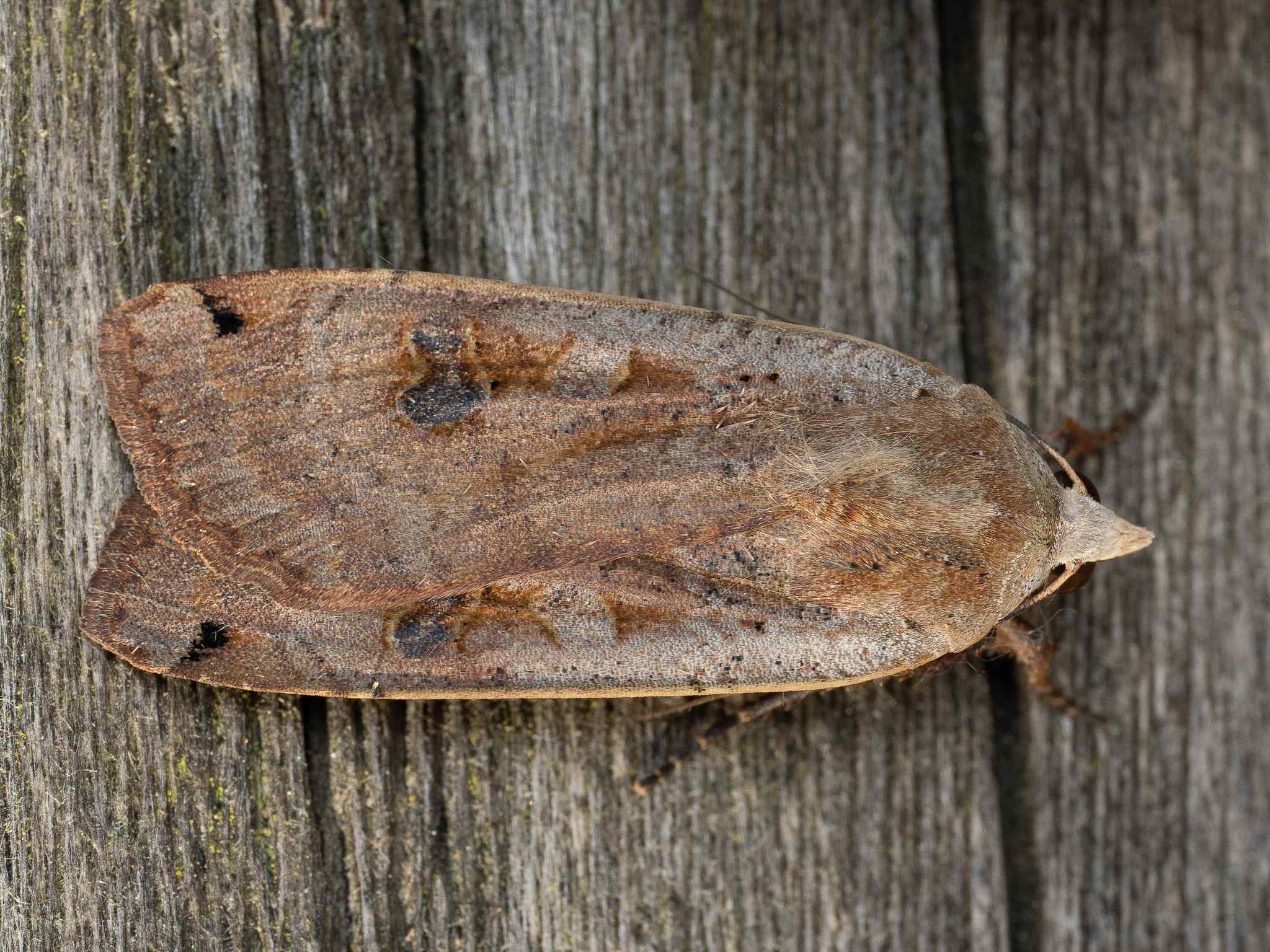
Morphological Features
No morphological description available.
Host Plants (0 host plants)
Data sources: EPPO Global Database and relevant literature.
No host plants available.
Quarantine Status (6 records)
Data sources: IPPC website and national quarantine websites; verified by human review.
| Country | Status | Year Added |
|---|---|---|
| Costa Rica | Absent | — |
| Dominican Republic | Quarantine pests | — |
| Ecuador | Quarantine pests | — |
| Japan | Quarantine pests | — |
| Republic of Korea | Quarantine pests | — |
| United States of America | Quarantine pests | — |
Distribution (62 countries)
Data Sources: EPPO Global Database and GBIF.
| Country | Status | State |
|---|---|---|
| Albania | Present | — |
| Algeria | Present | — |
| Andorra | Present | — |
| United Arab Emirates | Present | — |
| Austria | Present | — |
| Azerbaijan | Present | — |
| Belgium | Present | — |
| Bulgaria | Present | — |
| Bosnia and Herzegovina | Present | — |
| Belarus | Present | — |
Distribution Map (Latitude and longitude coordinates sourced from GBIF.)
Download CSVGenomes (1 records)
Data source: NCBI.
| Assembly Accession | Assembly Level | Genome Size(Mb) | Contig N50(Kb) | Scaffold N50(Kb) | BUSCO% | Downloads | Actions |
|---|---|---|---|---|---|---|---|
| GCA_905220335.1 | Chromosome | 529 | 16195 | 17891 | - |
|
|
|
ilNocPron1.1 |
|||||||
Transcriptomes (1 records)
Data source: NCBI.
| Run ID | Tissue | Developmental Stage | Sex | Read Count | Location | Actions |
|---|---|---|---|---|---|---|
| SRR24916534 | Ovary | Adult | female | 22355997 | United Kingdom: Wytham | |
|
PRJNA967275 SRX20677432 SRP443367 insect RNA-seq of Noctua pronuba: ovaries Ovaries dissected, frozen at -80C, RNA extracted using QIAGEN RNAeasy Plus Micro Kit, mRNA purified using poly-T oligo-attached magnetic beads, fragmentation, first strand cDNA synthesis using random hexamer primers, second strand cDNA synthesis, end repair, A-tailing, adapter ligation, size selection, amplification, purification. Adapter sequences are AGATCGGAAGAGCGTCGTGTAGGGAAAGAGTGTAGATCTCGGTGGTCGCCGTATCATT and GATCGGAAGAGCACACGTCTGAACTCCAGTCACGGATGACTATCTCGTATGCCGTCTTCTGCTTG Ovary {'sex': 'female', 'tissue': 'Ovary', 'isolate': 'Ovary', 'dev_stage': 'Adult', 'collected_by': 'Peter Holland', 'geo_loc_name': 'United Kingdom: Wytham', 'biosamplemodel': 'Invertebrate', 'collection_date': '2021-09-18', 'isolation_source': 'Wild UK caught'} |
||||||
Literature
Fetching literature from NCBI PubMed...
Failed to fetch literature