Lampronia capitella
TaxID: 485574
Basic Information
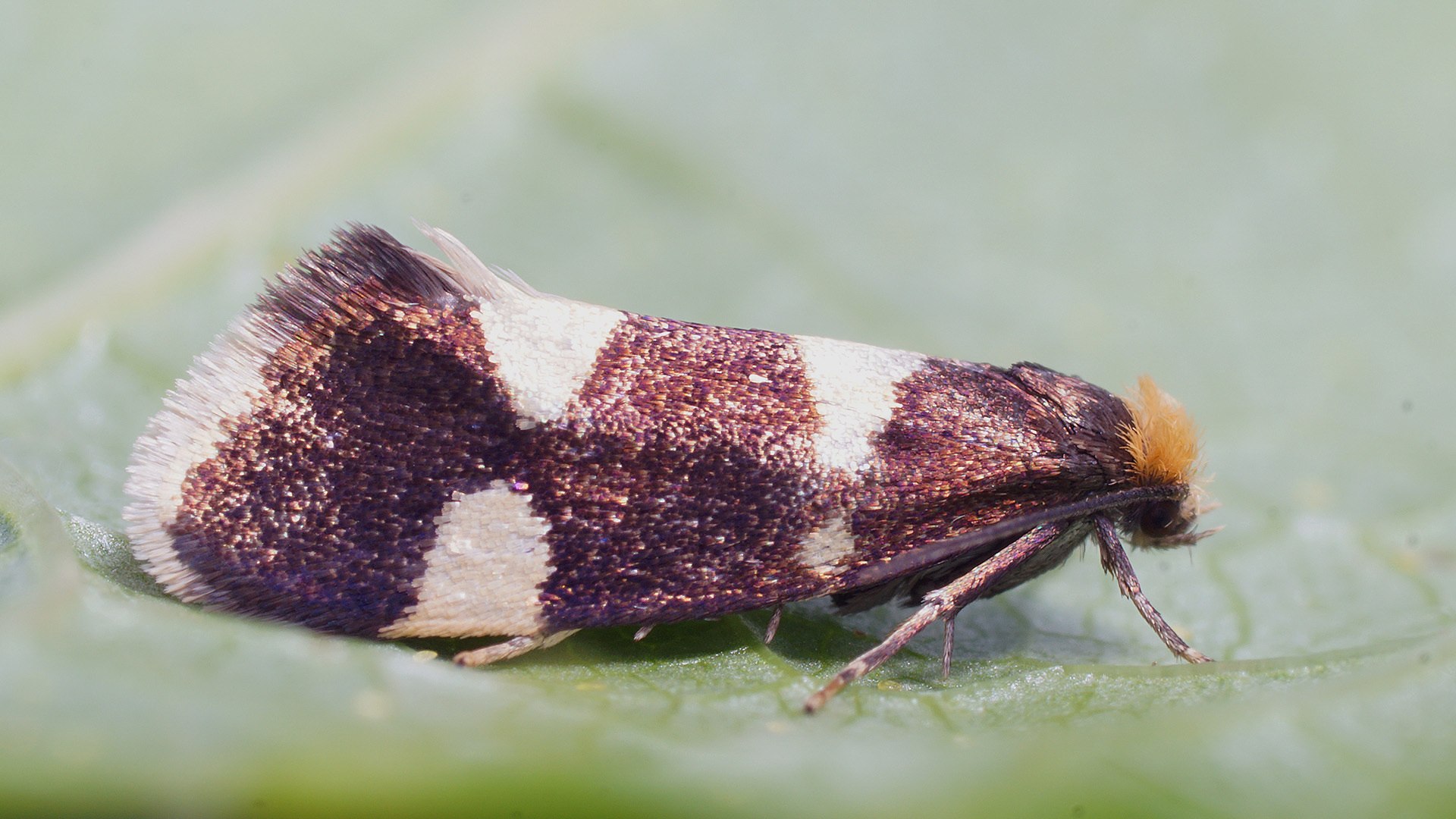
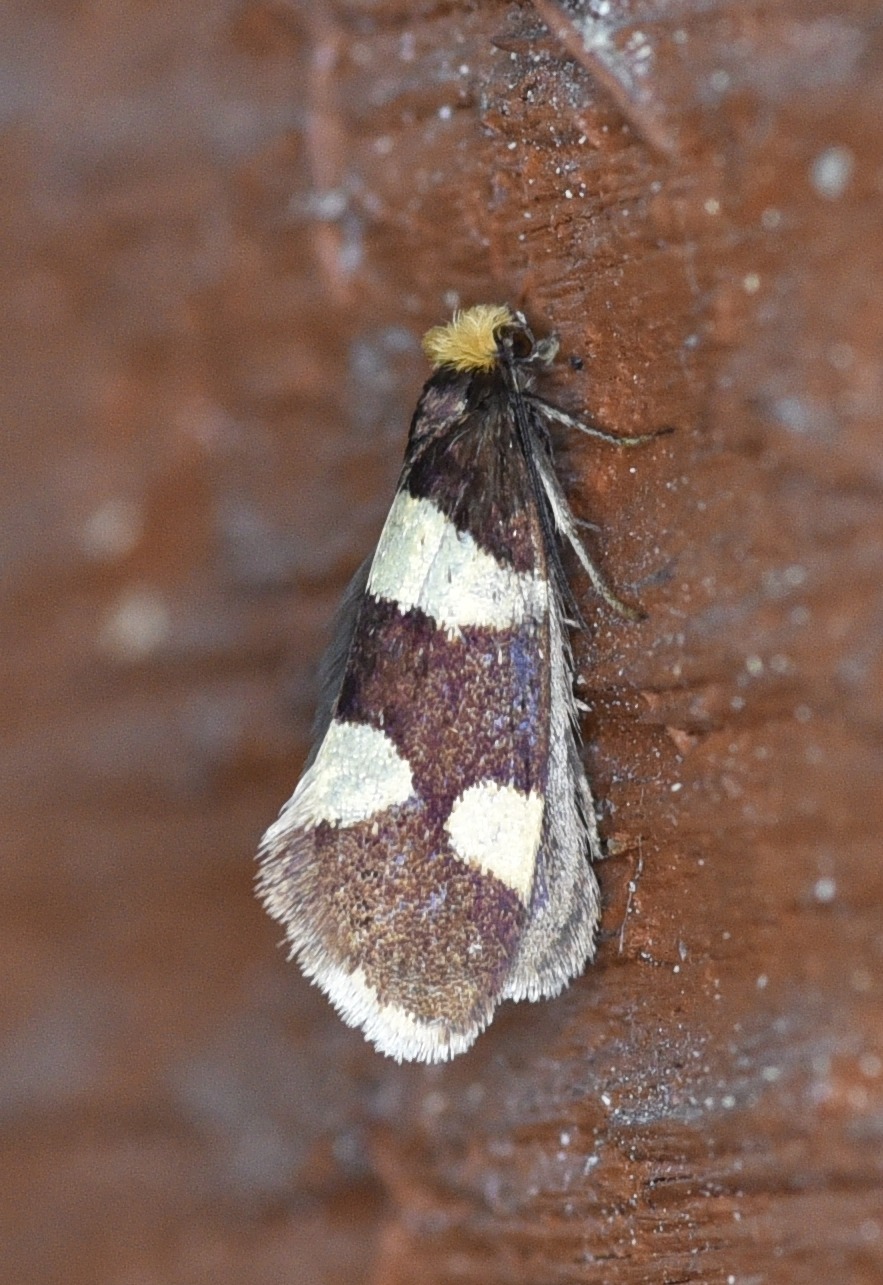
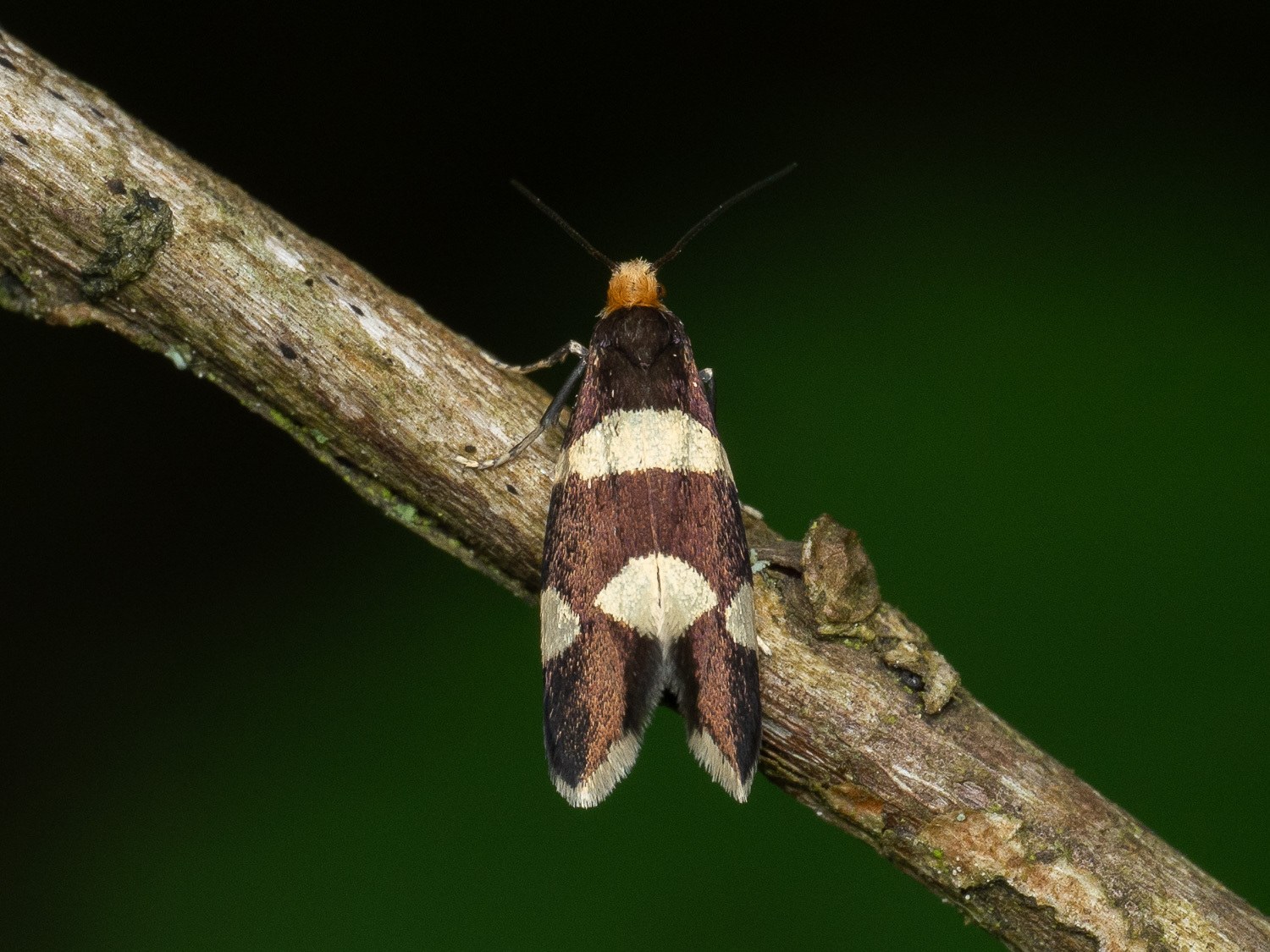
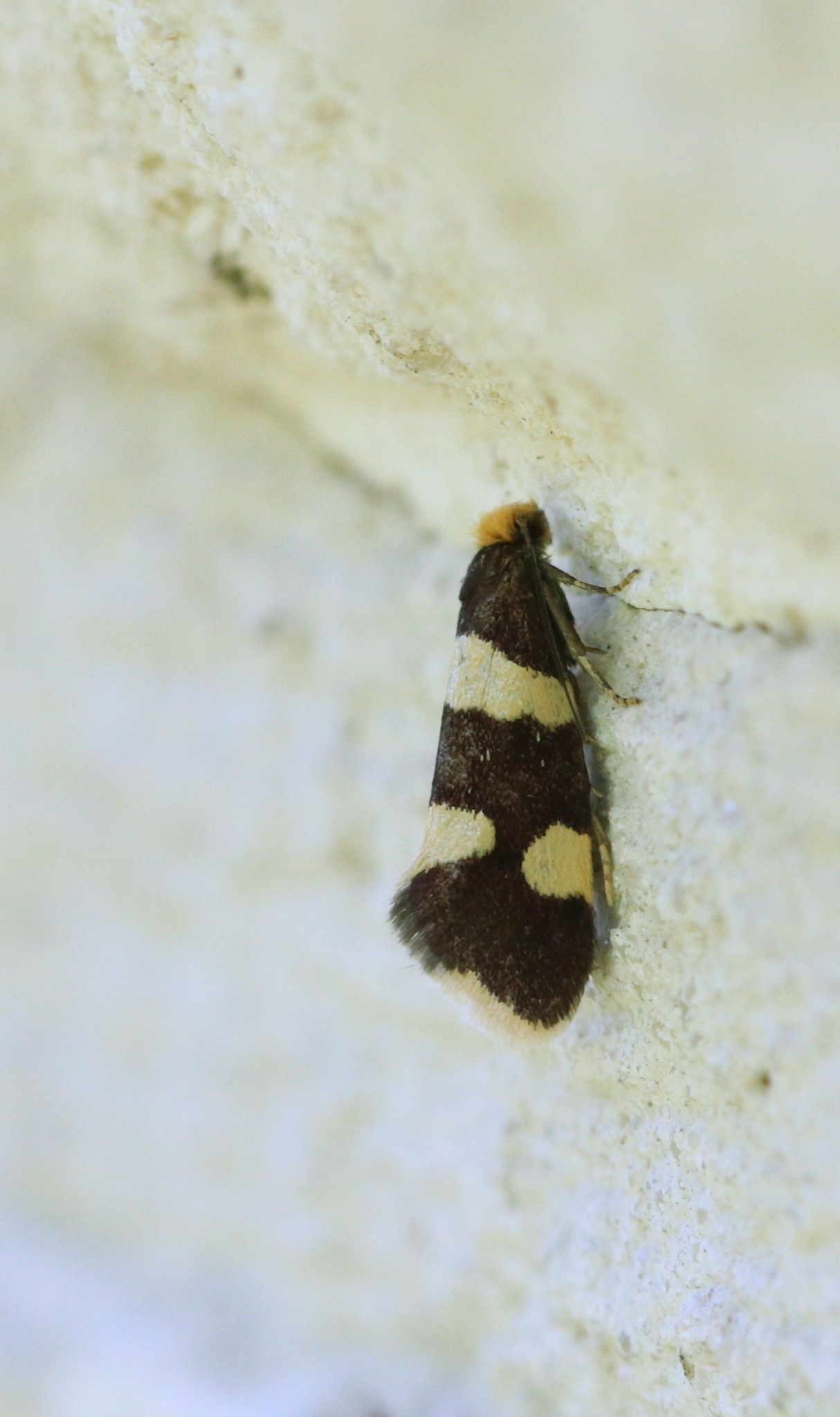
Lampronia capitella
Currant Shoot Borer, currant shoot borer
The currant shoot borer moth (Lampronia capitella) is a species of moth of the family Prodoxidae. It is found in most of central, northern and eastern Europe. It is also found in North America.
from Wikipedia
Taxonomic Information
Metazoa
Arthropoda
Insecta
Lepidoptera
Prodoxidae
Lampronia
capitella
unclassified
Species
nan
k__Metazoa;p__Arthropoda;c__Insecta;o__Lepidoptera;f__Prodoxidae;g__Lampronia;s__Lampronia capitella
nan
Arthropods
Photos (5 photos)
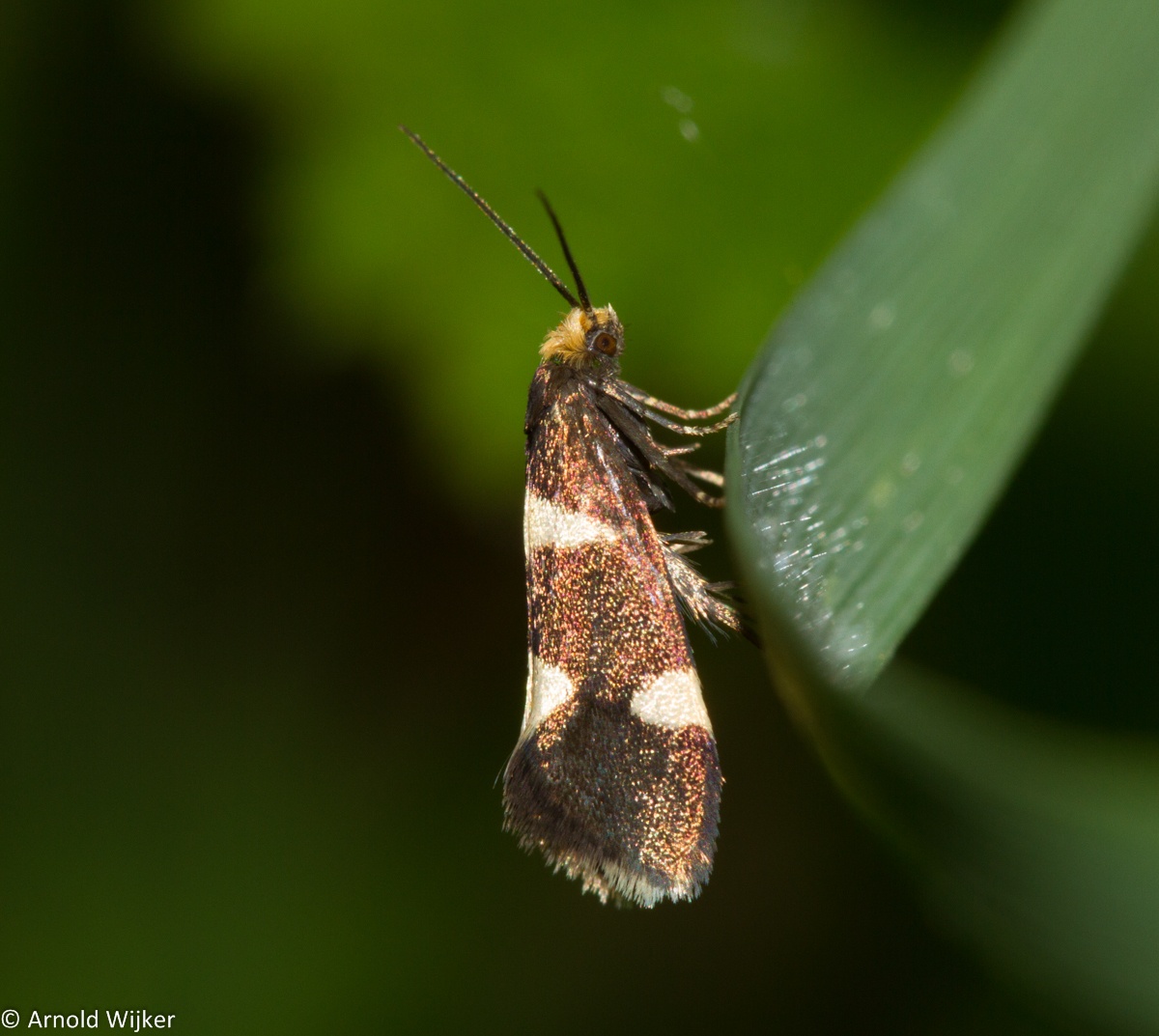
Morphological Features
No morphological description available.
Host Plants (0 host plants)
Data sources: EPPO Global Database and relevant literature.
No host plants available.
Quarantine Status (1 records)
Data sources: IPPC website and national quarantine websites; verified by human review.
| Country | Status | Year Added |
|---|---|---|
| Chile | Quarantine pests | 2019 |
Distribution (0 countries)
Data Sources: EPPO Global Database and GBIF.
No distribution records available.
Genomes (2 records)
Data source: NCBI.
| Assembly Accession | Assembly Level | Genome Size(Mb) | Contig N50(Kb) | Scaffold N50(Kb) | BUSCO% | Downloads | Actions |
|---|---|---|---|---|---|---|---|
| GCA_977035995.1 | Chromosome | 674 | 1217 | 23478 | - |
|
|
|
ilLamCapi1.hap1.1 |
|||||||
| GCA_977035765.1 | Scaffold | 648 | 1292 | 23203 | - |
|
|
|
ilLamCapi1.hap2.1 |
|||||||
Transcriptomes (1 records)
Data source: NCBI.
| Run ID | Tissue | Developmental Stage | Sex | Read Count | Location | Actions |
|---|---|---|---|---|---|---|
| SRR6679363 | Antenna | - | pooled male and female | 110494767 | Denmark: near Roskilde | |
|
PRJNA431151 SRX3655704 SRP132342 insect RNA-seq of Lampronia capitella The total RNA extraction was extracted and treated with DNase I. Magnetic beads with Oligo (dT) were used to isolate mRNA(for eukaryotes). Mixed with the fragmentation buffer, the mRNA was fragmented into short fragments. Then cDNA was synthesized using the mRNA fragments as templates. Short fragments were purified and resolved with EB buffer for end reparation and single nucleotide A (adenine) addition. After that, the short fragments were connected with adapters. The suitable fragments were selected for the PCR amplification as templates. During the QC steps, Agilent 2100 Bioanaylzer and ABI StepOnePlus Real-Time PCR System were used in quantification and qualification of the sample library. At last, the library was sequenced using Illumina HiSeq 2000. {'sex': 'pooled male and female', 'host': 'red currant', 'tissue': 'Antenna', 'geo_loc_name': 'Denmark: near Roskilde', 'biosamplemodel': 'Invertebrate', 'collection_date': '2016-05-22'} |
||||||
Literature
Fetching literature from NCBI PubMed...
Failed to fetch literature