Paraleyrodes
TaxID: 860436
Basic Information
Paraleyrodes
Nesting Whiteflies
Aleyrodidae is a large hemipteran family called the whiteflies. It contains the following species:
from Wikipedia
Taxonomic Information
Eukaryota
Arthropoda
Insecta
Hemiptera
Aleyrodidae
Paraleyrodes
nan
nan
Genus
nan
k__Eukaryota;p__Arthropoda;c__Insecta;o__Hemiptera;f__Aleyrodidae;g__Paraleyrodes;s__unclassified
nan
Arthropods
Photos (5 photos)
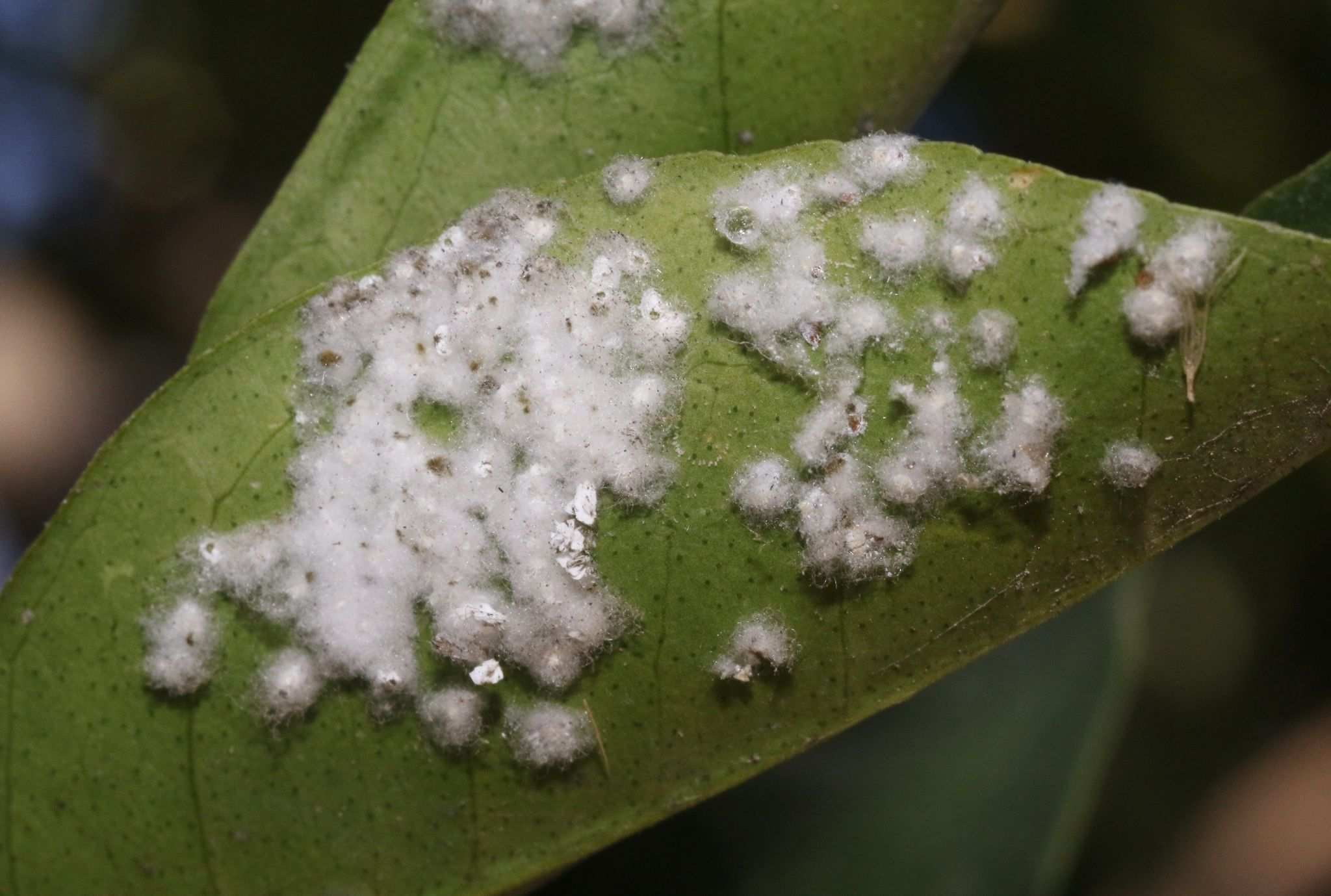
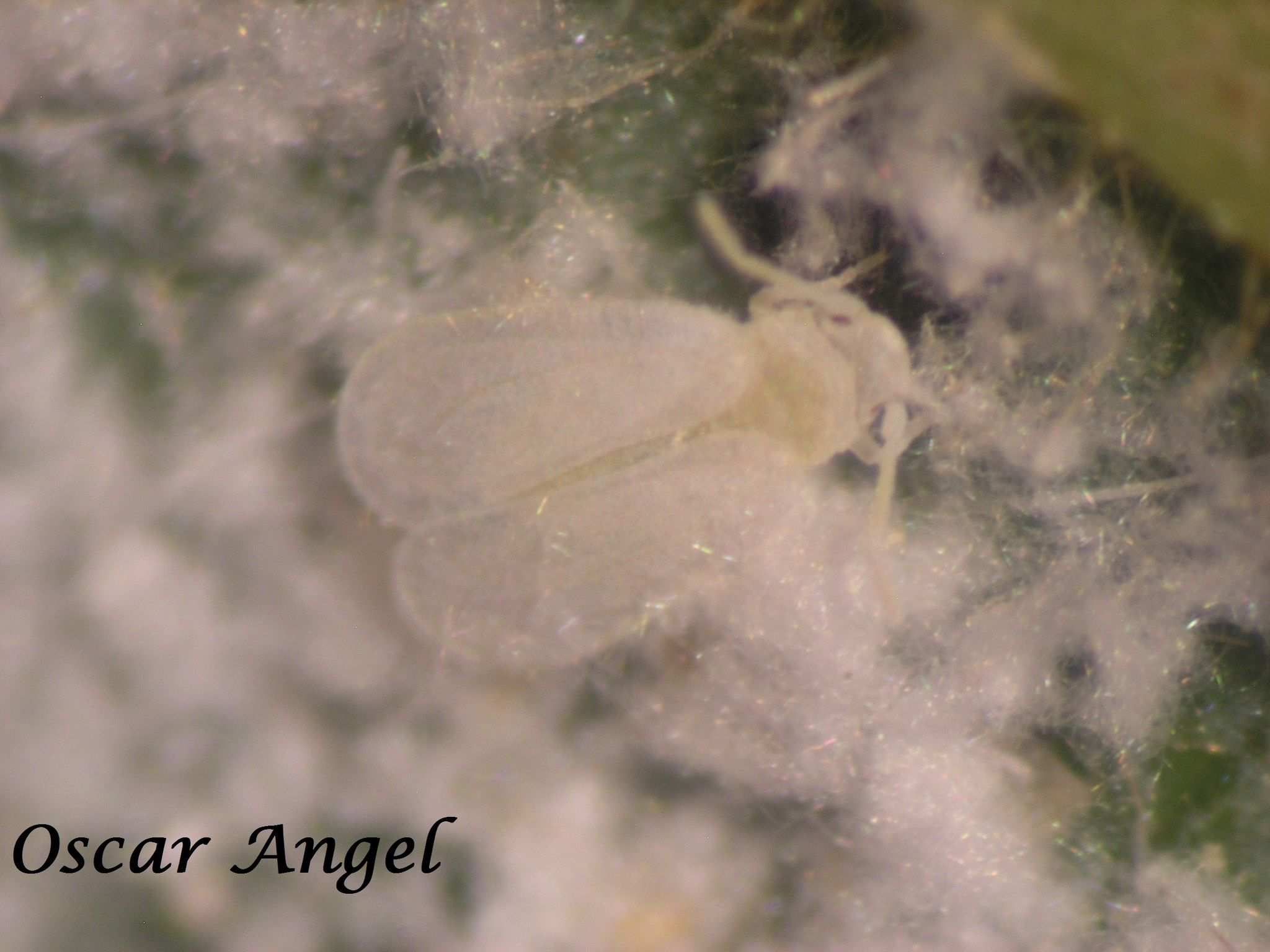
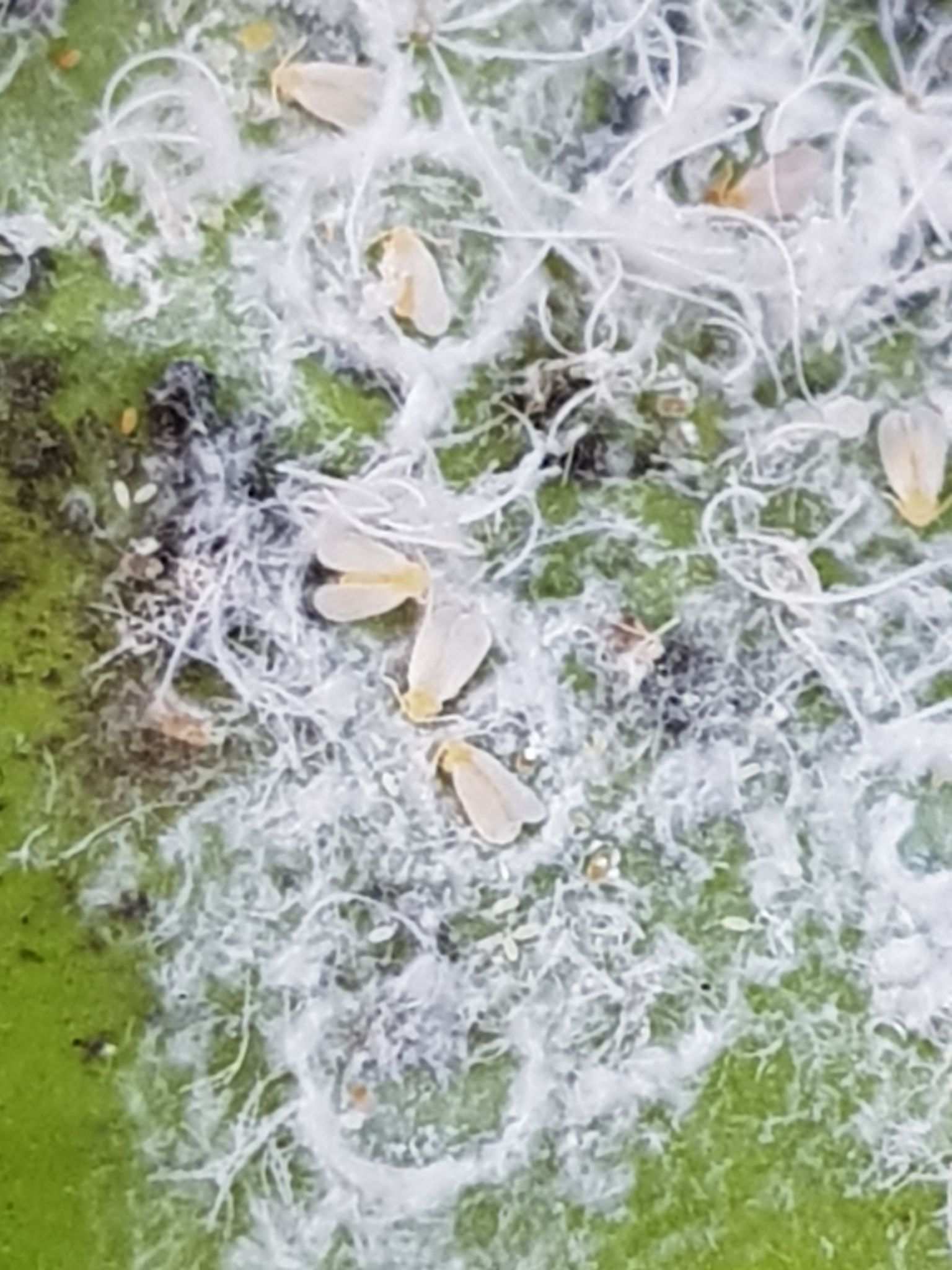
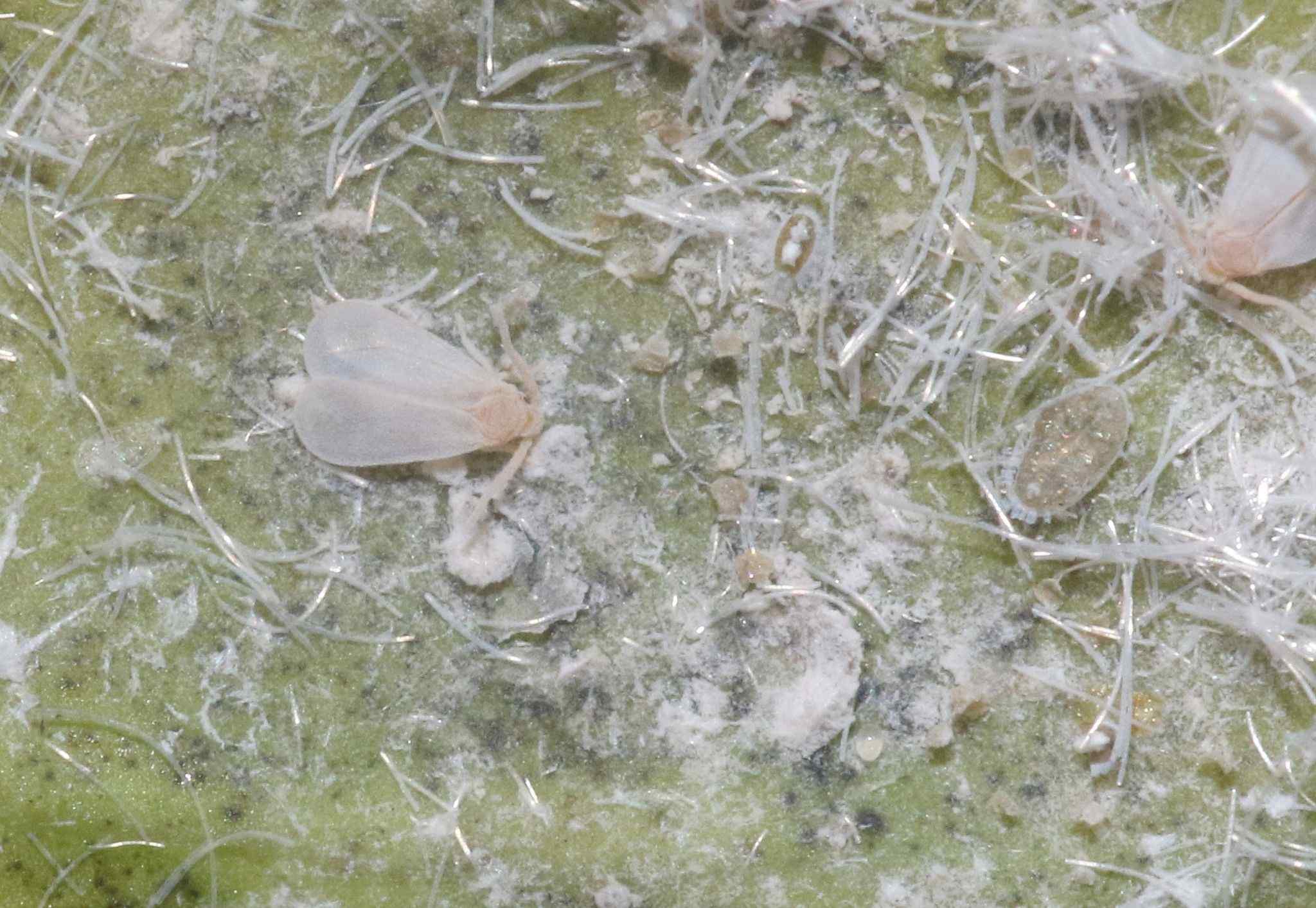
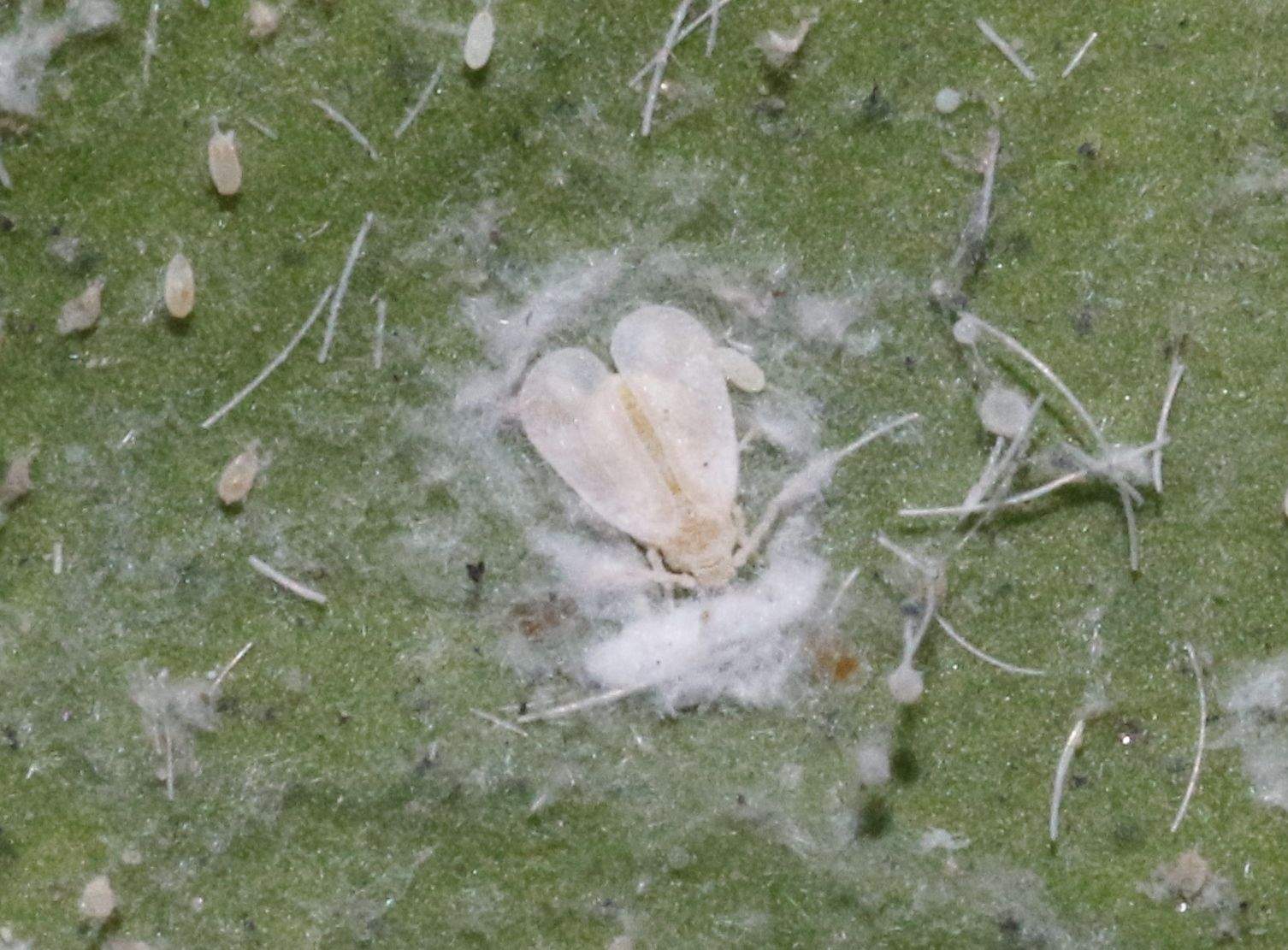
Morphological Features
Paraleyrodes comprises species that are physically much smaller than most other Aleurodicinae, adults and puparia often less than 1 mm in length. Adults: females have 4 articulated antennal segments, the distal 2 segments sparsely provided with small, rounded sensoria; males have only 3 articulated antennal segments, the very long distal segment densely sensoriate. All wing veins unbranched. Puparia: outline ovoid, 0.70–0.80 mm long, 0.40–0.50 mm wide, widest at about metathorax. Margin smooth to slightly irregular, not modified at thoracic tracheal openings. Dorsal disc surface generally smooth, but fine spinules and distinct mottling visible in many specimens. Abdomen with 5 or 6 pairs of compound pores, of which the anteriormost 1 or 2 pairs are much smaller than the remaining 4 abdominal pairs and the cephalic pair. Two pairs of cicatrices present on thorax (scars of compound pores in third-instar). A pair of submedian cephalic setae present, but corresponding thoracic setal pairs absent. Outer submargin with a row of 14 pairs of hair-like setae, including the nominal caudal pair. Vasiform orifice straight anteriorly, remainder rounded-cordate, smooth; operculum transversely trapezoidal, its posterior margin slightly sinuate and bearing a pair of setae; lingula head finely spinulose and quadrisetose, smoothly tongue-shaped, extending beyond vasiform orifice and reaching almost to puparial margin. Eighth abdominal setae situated anterior to basal corners of vasiform orifice. Ventral abdominal setae finer than dorsal setae, underlying vasiform orifice and operculum. Abdomen bearing three pairs of ventro-lateral wax-secreting glands. Male aedeagus with a pair of laterally directed apically acute processes, their bases opposite each other and arising almost at right-angles to the shaft; overall aedeagal length 0.12–0.13 mm.
Plazi taxonomic treatment
Host Plants (0 host plants)
Data sources: EPPO Global Database and relevant literature.
No host plants available.
Quarantine Status (1 records)
Data sources: IPPC website and national quarantine websites; verified by human review.
| Country | Status | Year Added |
|---|---|---|
| United States of America | Quarantine pests | — |
Distribution (0 countries)
Data Sources: EPPO Global Database and GBIF.
No distribution records available.
Genomes (0 records)
Data source: NCBI.
No genome records available.
Transcriptomes (0 records)
Data source: NCBI.
No transcriptome records available.
DNA Barcodes (368 records)
View allData source: BOLD.
| Process ID | BIN | Marker | Length | Country | Date | Lat/Lon | Sequence |
|---|---|---|---|---|---|---|---|
| THAML18903-24 | BOLD:ACV6329 | COI-5P | 652 | Thailand | 2022-09-02 | 14.50263, 101.92468 | |
| THAML14195-24 | BOLD:ACV6329 | COI-5P | 655 | Thailand | 2022-11-25 | 14.50967, 101.933 | |
| THAMF414-22 | BOLD:ACO8383 | COI-5P | 655 | Thailand | 2022-02-18 | 14.51, 101.933 | |
| THAMF399-22 | BOLD:ACO8383 | COI-5P | 655 | Thailand | 2022-02-18 | 14.51, 101.933 | |
| THAMF366-22 | BOLD:ACO8383 | COI-5P | 656 | Thailand | 2022-02-18 | 14.51, 101.933 | |
| THAMF308-22 | BOLD:ACO8383 | COI-5P | 657 | Thailand | 2022-02-18 | 14.51, 101.933 | |
| THAMF273-22 | BOLD:ACO8383 | COI-5P | 654 | Thailand | 2022-02-18 | 14.51, 101.933 | |
| THAMF1986-23 | BOLD:ACV6329 | COI-5P | 654 | Thailand | 2022-03-18 | 14.51, 101.933 | |
| THAME8827-23 | BOLD:ACV6329 | COI-5P | 653 | Thailand | 2022-05-13 | 14.47, 101.376 | |
| THAME670-22 | BOLD:ACV6329 | COI-5P | 656 | Thailand | 2022-02-18 | 14.47, 101.376 |
Literature
Fetching literature from NCBI PubMed...
Failed to fetch literature