Aleurodicus rugioperculatus
TaxID: 1608326
Basic Information
Aleurodicus rugioperculatus
Rugose Spiraling Whitefly, Rugose spiraling whitefly
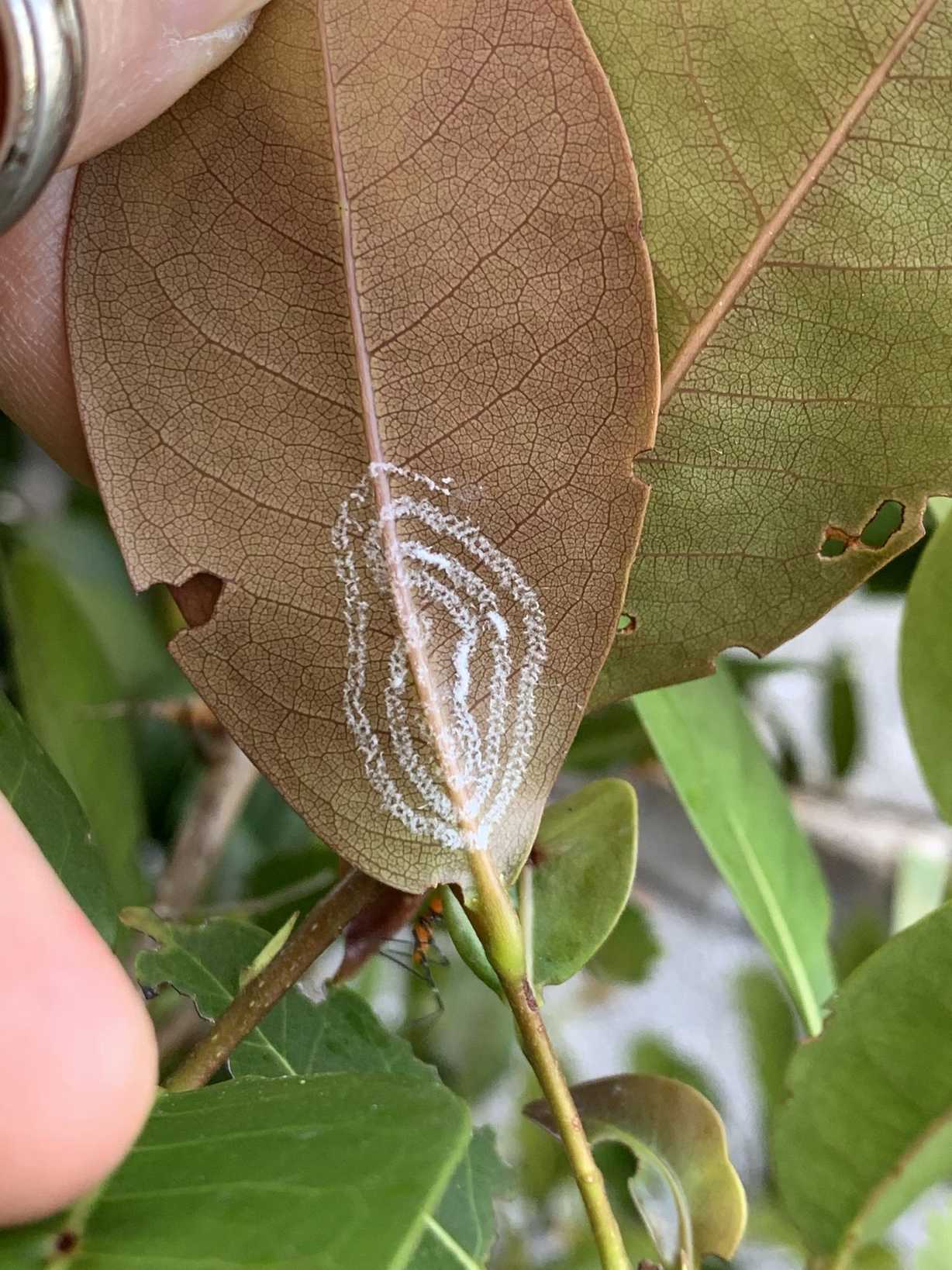
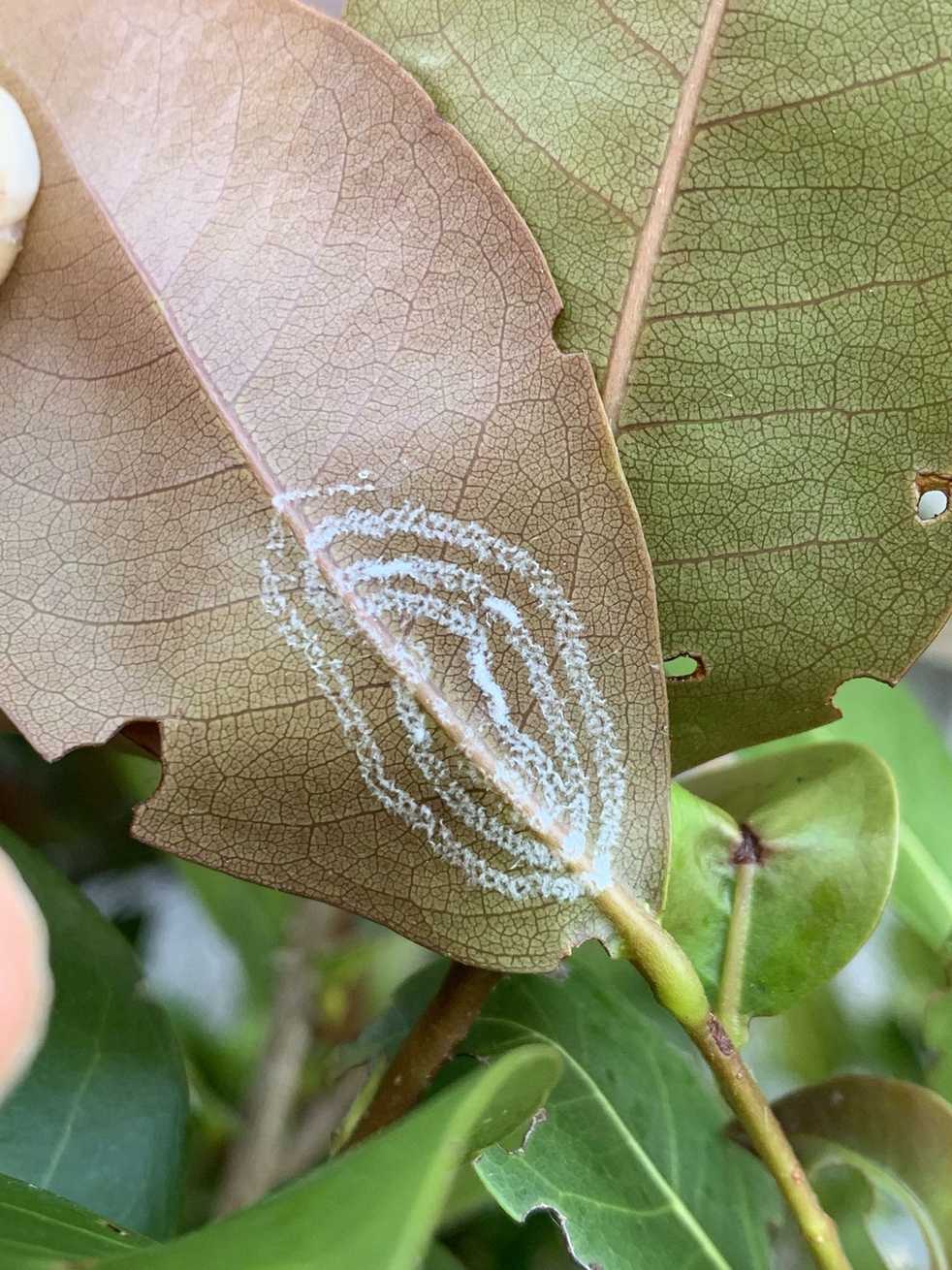
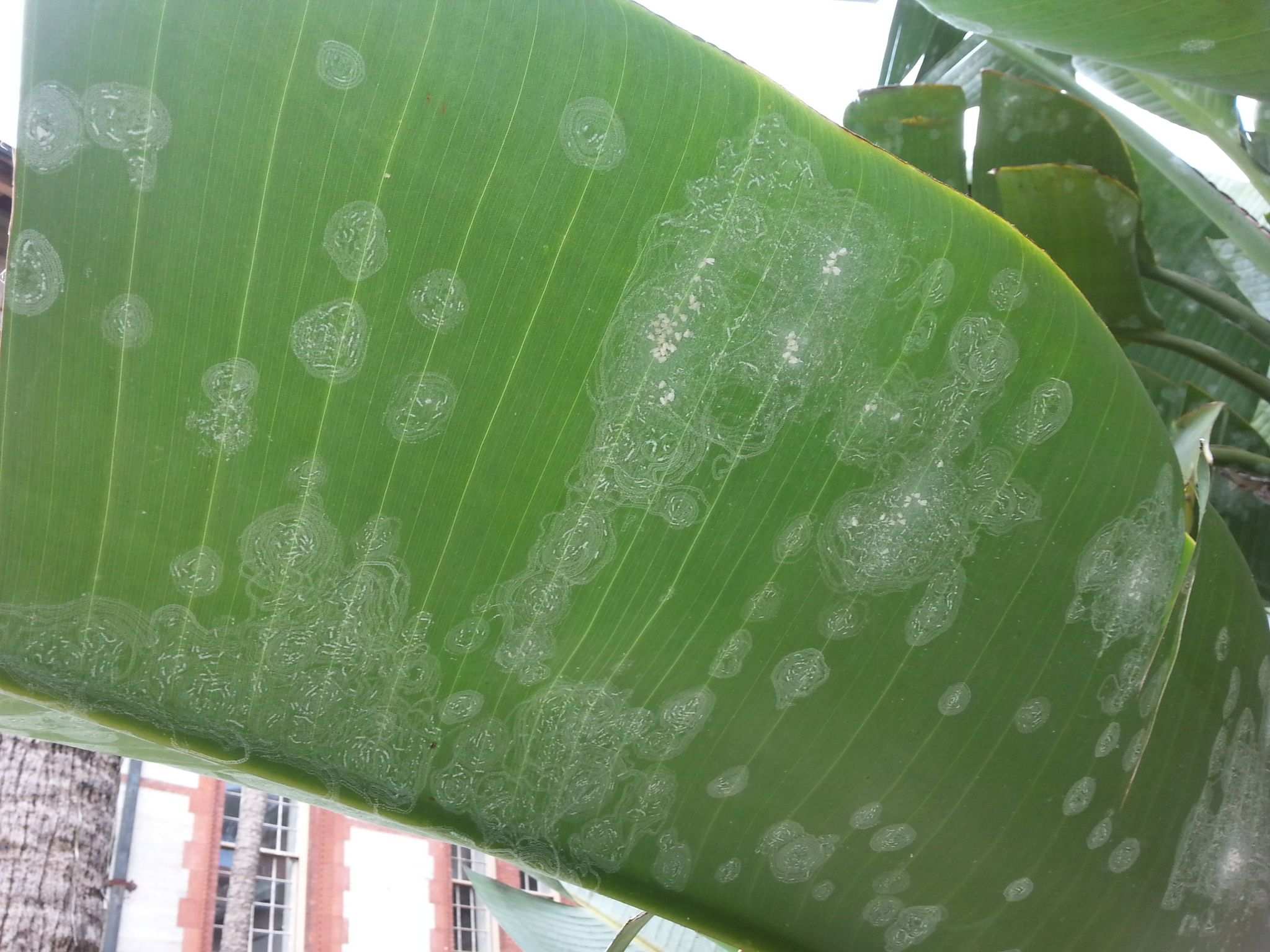
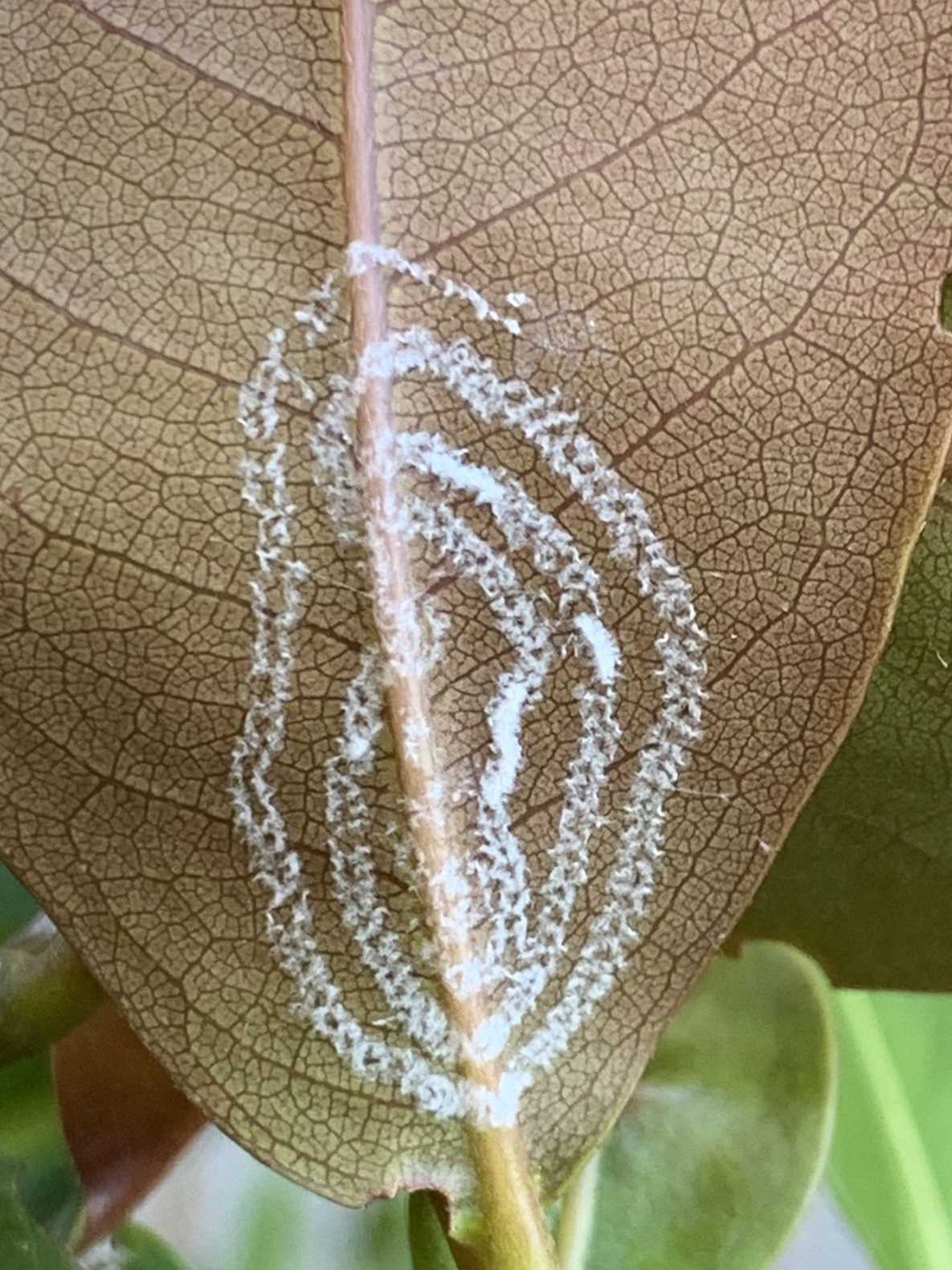
Aleurodicus rugioperculatus (known variously as the rugose spiraling whitefly, the gumbo limbo spiraling whitefly or just the spiraling whitefly) is a species of whitefly found throughout the Florida Keys. This insect was first described by Jon H. Martin in 2004. It was found infesting the coconut leaves in Andaman & Nicobar islands from India.
from Wikipedia
Taxonomic Information
Eukaryota
Arthropoda
Insecta
Hemiptera
Aleyrodidae
Aleurodicus
rugioperculatus
nan
Species
nan
k__Eukaryota;p__Arthropoda;c__Insecta;o__Hemiptera;f__Aleyrodidae;g__Aleurodicus;s__Aleurodicus rugioperculatus
nan
Arthropods
Photos (5 photos)
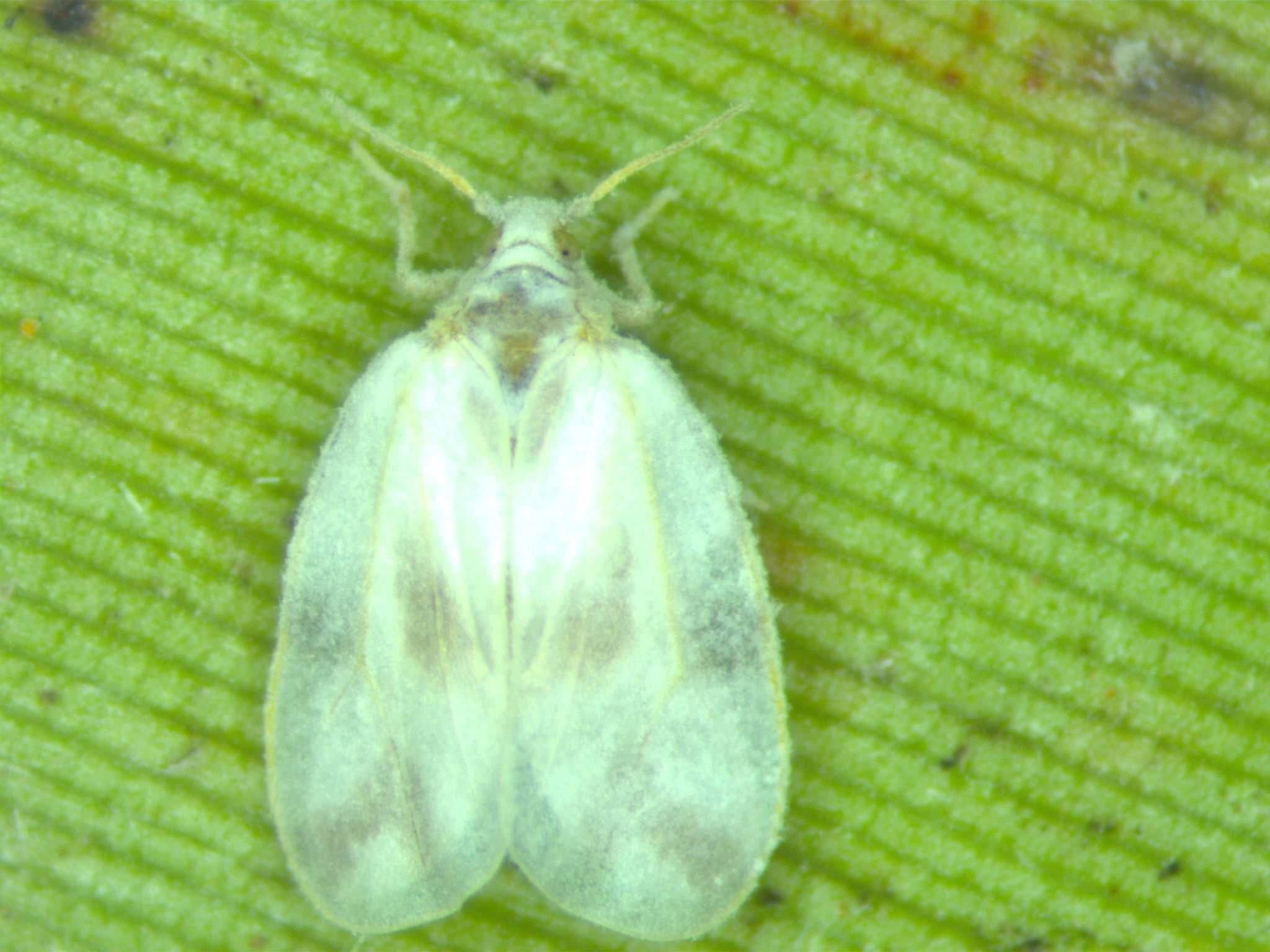
Morphological Features
Puparium outline oval, 0.97–1.22 mm long, 0.66–0.88 mm wide, generally widest at abdominal segment III. Margin smooth, often downcurved in slide-mounted specimens. Posterior marginal and 12 pairs of outer submarginal setae present, each long and hair-like. Single submedian pairs of pro-, meso- and metathoracic and eighth abdominal setae present, finer and shorter than submarginal setae. Eighth abdominal setae situated fully anterior to vasiform orifice, opposite anterior corners of operculum. Ventral abdominal setae situated mesal and slightly anterior to posterior abdominal spiracles, similar to dorsal submarginal setae. Operculum broadly elliptical except for its anterior edge, ventro-basally spinulose and dorsally characteristically rugose. Lingula head protruding beyond vasiform orifice, finely spinulose, apically acute, its four stout setae situated close to apex, which almost reaches puparial margin. Abdominal segment VII medially reduced to less than half length of segment VI. Extremely fine spinulosity present along median line of abdomen. Legs robust, two-segmented, smooth, each with a pronounced apical claw, distal segment bearing one or two small lateral setae. Antennae extending to basal segment of hind legs, their bases situated anterolateral to fore legs, basal one-third smooth-sided, remainder subtly corrugate-sided, pointed apically.
Plazi taxonomic treatment
Host Plants (0 host plants)
Data sources: EPPO Global Database and relevant literature.
No host plants available.
Quarantine Status (1 records)
Data sources: IPPC website and national quarantine websites; verified by human review.
| Country | Status | Year Added |
|---|---|---|
| United States of America | Quarantine pests | — |
Distribution (3 countries)
Data Sources: EPPO Global Database and GBIF.
| Country | Status | State |
|---|---|---|
| Bangladesh | Present | — |
| India | Present | — |
| United States of America | Present | — |
Distribution Map (Latitude and longitude coordinates sourced from GBIF.)
Download CSVGenomes (0 records)
Data source: NCBI.
No genome records available.
Transcriptomes (0 records)
Data source: NCBI.
No transcriptome records available.
DNA Barcodes (194 records)
View allData source: BOLD.
| Process ID | BIN | Marker | Length | Country | Date | Lat/Lon | Sequence |
|---|---|---|---|---|---|---|---|
| PHFLO191-15 | BOLD:ACS0169 | COI-5P | 633 | United States | 2015-01-01 | - | |
| PHFLO190-15 | BOLD:ACS0169 | COI-5P | 634 | United States | 2015-01-01 | - | |
| PHFLO189-15 | BOLD:ACS0169 | COI-5P | 633 | United States | 2015-01-01 | - | |
| PHFLO188-15 | BOLD:ACS0169 | COI-5P | 632 | United States | 2015-01-01 | - | |
| PHFLO187-15 | BOLD:ACS0169 | COI-5P | 633 | United States | 2015-01-01 | - | |
| PHFLO186-15 | BOLD:ACS0169 | COI-5P | 632 | United States | 2015-01-01 | - | |
| PHFLO185-15 | BOLD:ACS0169 | COI-5P | 632 | United States | 2015-01-01 | - | |
| PHFLO184-15 | BOLD:ACS0169 | COI-5P | 632 | United States | 2015-01-01 | - | |
| PHFLO183-15 | BOLD:ACS0169 | COI-5P | 632 | United States | 2015-01-01 | - | |
| PHFLO182-15 | BOLD:ACS0169 | COI-5P | 632 | United States | 2015-01-01 | - |
Literature
Fetching literature from NCBI PubMed...
Failed to fetch literature