Xyleborus glabratus
TaxID: 889492
Basic Information
Xyleborus glabratus
Redbay Ambrosia Beetle, Redbay ambrosia beetle
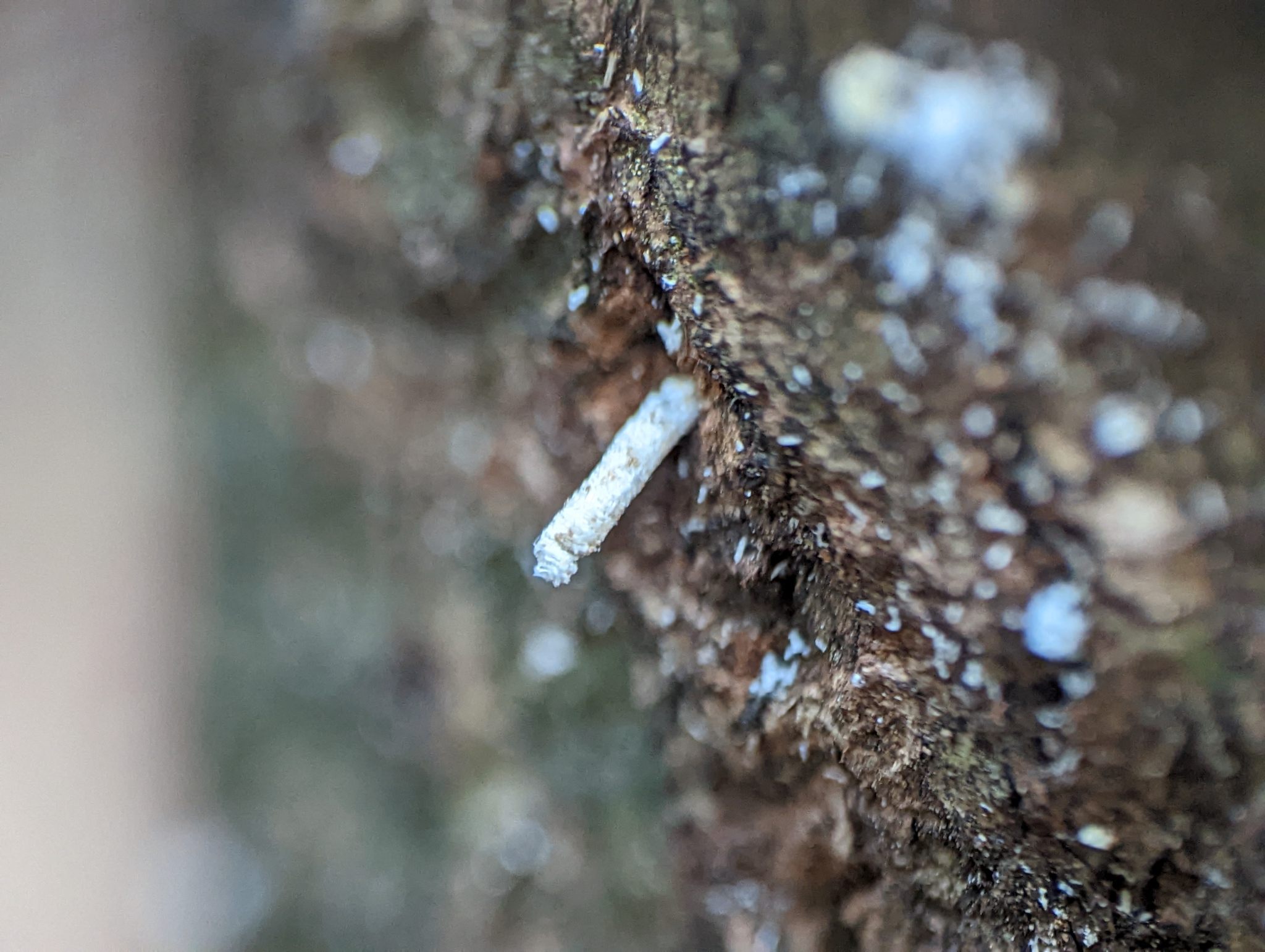
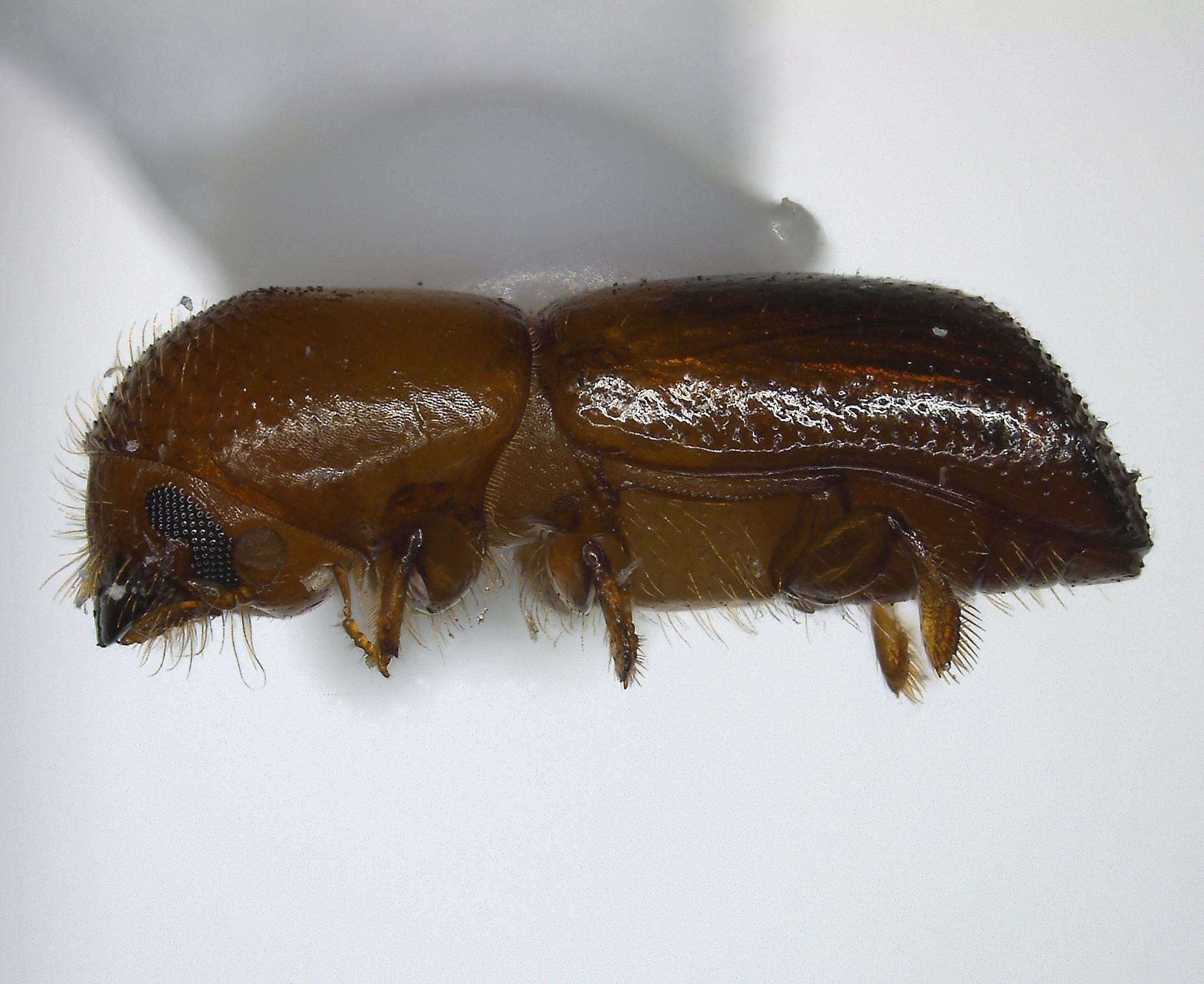
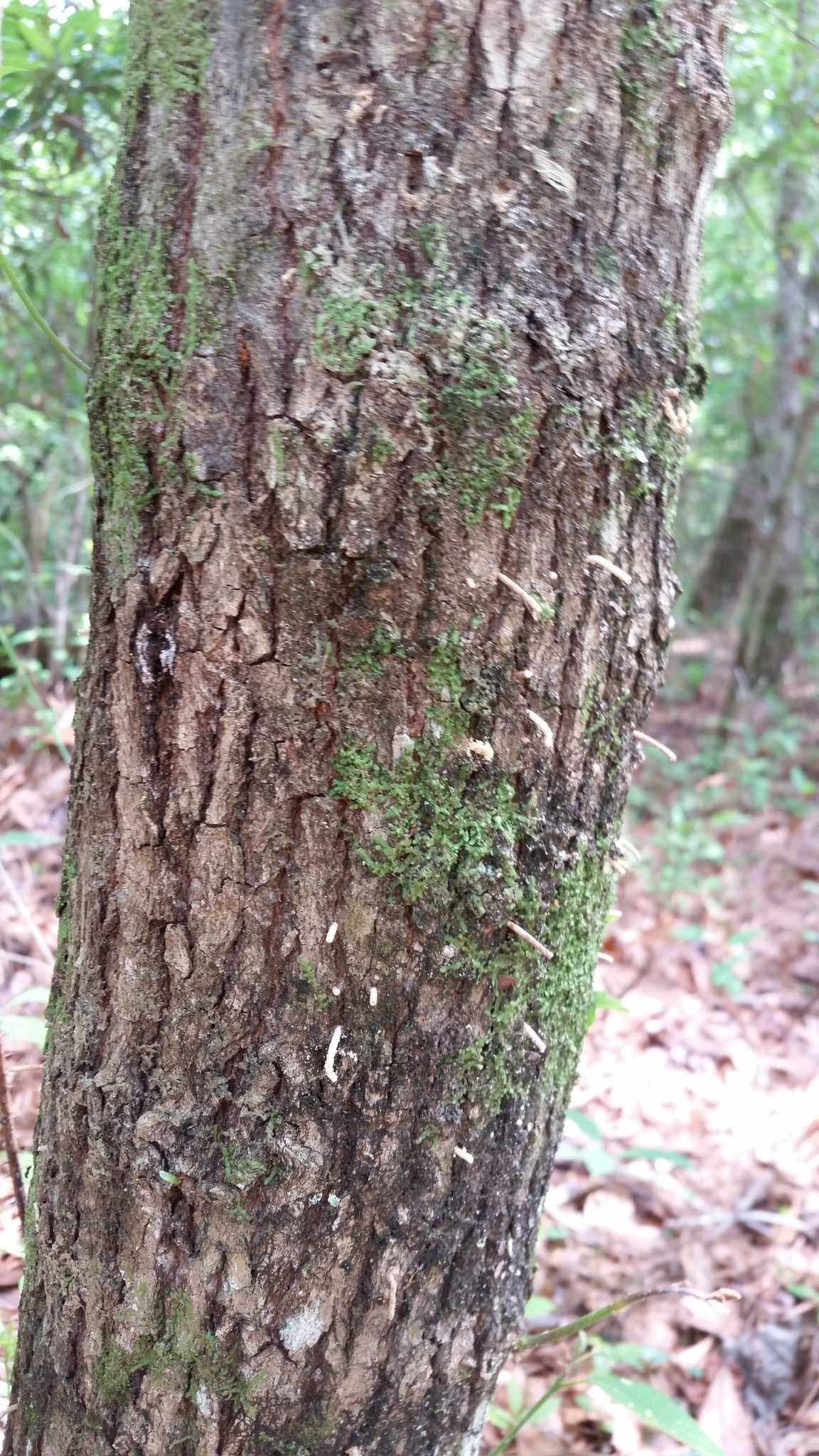
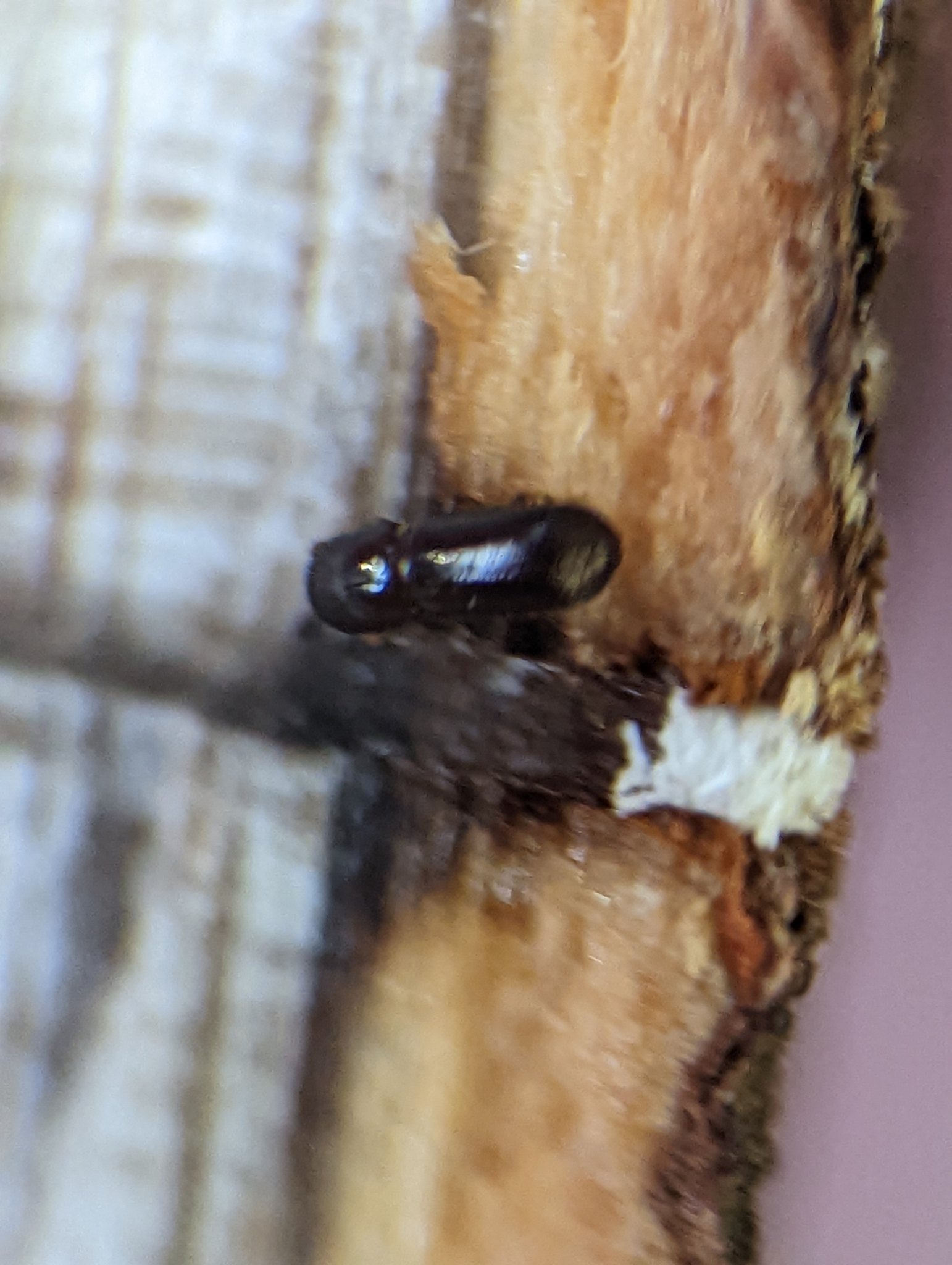
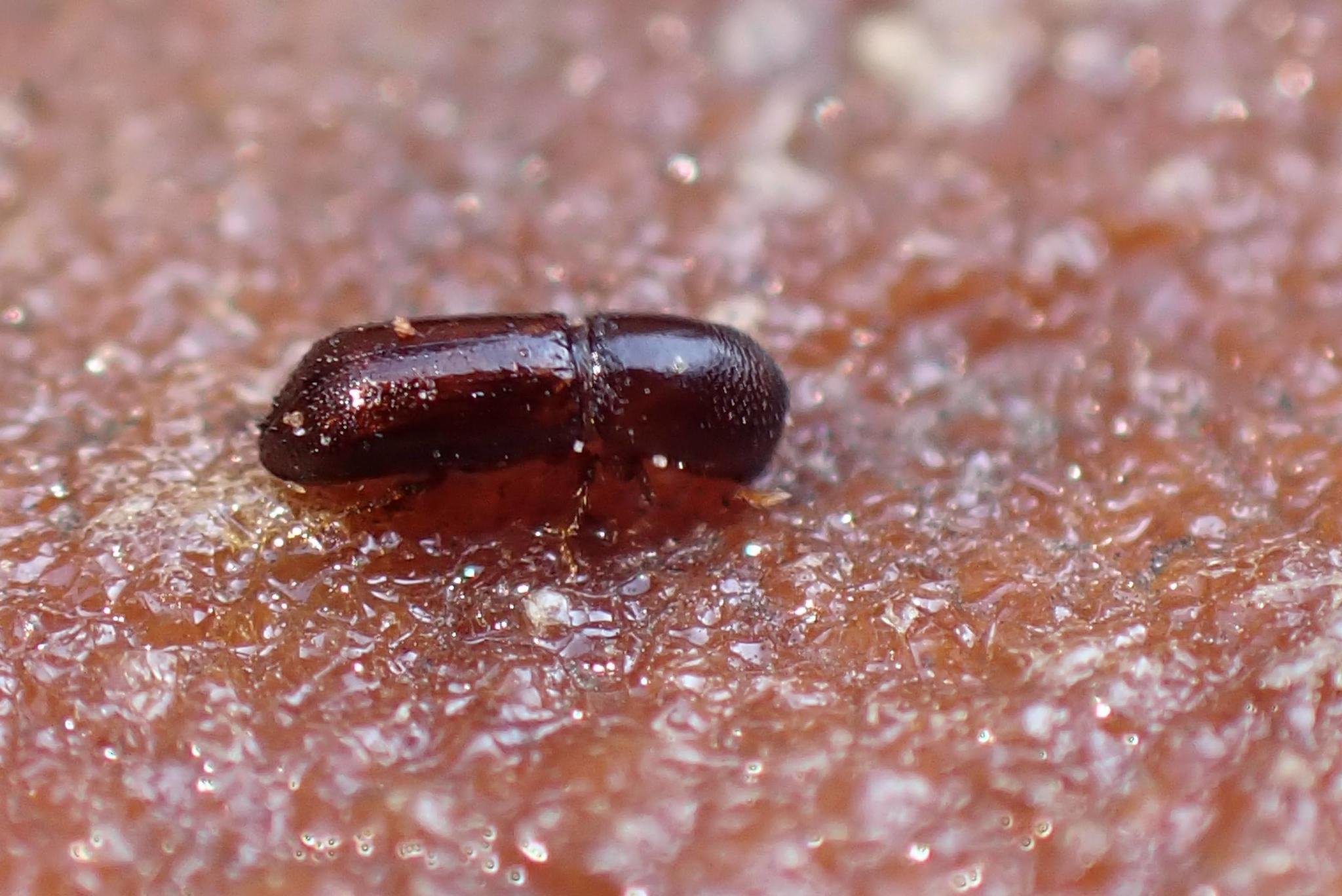
Xyleborus glabratus, the redbay ambrosia beetle, is a type of ambrosia beetle invasive in the United States. It has been documented as the primary vector of Raffaelea lauricola, the fungus that causes laurel wilt, a disease that can kill several North American tree species in the family Lauraceae, including redbay, sassafras, and avocado.
from Wikipedia
Taxonomic Information
Metazoa
Arthropoda
Insecta
Coleoptera
Curculionidae
Xyleborus
glabratus
unclassified
Species
nan
k__Metazoa;p__Arthropoda;c__Insecta;o__Coleoptera;f__Curculionidae;g__Xyleborus;s__Xyleborus glabratus
nan
Arthropods
Photos (5 photos)
Morphological Features
Body dark colored; elytral disc and declivity glabrous, with small granules in all interstriae decreasing in size toward apex.
Plazi taxonomic treatment
Host Plants (20 host plants)
Data sources: EPPO Global Database and relevant literature.
| Scientific Name | Status |
|---|---|
| Cinnamomum camphora | Host |
| Cinnamomum osmophloeum | Host |
| Laurus nobilis | Host |
| Leucaena sp. | Host |
| Lindera benzoin | Host |
| Lindera latifolia | Host |
| Lindera melissifolia | Host |
| Lithocarpus edulis | Host |
| Litsea aestivalis | Host |
| Litsea elongata | Host |
Quarantine Status (5 records)
Data sources: IPPC website and national quarantine websites; verified by human review.
| Country | Status | Year Added |
|---|---|---|
| Chile | Quarantine pests | 2019 |
| United Kingdom | Quarantine pest | 2020 |
| Republic of Korea | Quarantine pests | — |
| Peru | Absent | — |
| United States of America | Quarantine pests | — |
Distribution (10 countries)
Data Sources: EPPO Global Database and GBIF.
| Country | Status | State |
|---|---|---|
| Bangladesh | Present | — |
| China | Present | |
| India | Present | — |
| Japan | Present | |
| Republic of Korea | Present | — |
| Myanmar | Present | — |
| Thailand | Present | — |
| Taiwan, China | Present | — |
| United States of America | Present | |
| Viet Nam | Present | — |
Distribution Map (Latitude and longitude coordinates sourced from GBIF.)
Download CSVGenomes (1 records)
Data source: NCBI.
| Assembly Accession | Assembly Level | Genome Size(Mb) | Contig N50(Kb) | Scaffold N50(Kb) | BUSCO% | Downloads | Actions |
|---|---|---|---|---|---|---|---|
| GCA_049176235.1 | Scaffold | 239 | 27 | 47 | - |
|
|
|
ASM4917623v1 |
|||||||
Transcriptomes (3 records)
Data source: NCBI.
| Run ID | Tissue | Developmental Stage | Sex | Read Count | Location | Actions |
|---|---|---|---|---|---|---|
| SRR8048150 | whole organism | - | - | - | USA: Florida, Homestead. | |
|
PRJNA495609 SRX4877853 SRP165634 insect RNA-seq of Xyleborus glabratus: adult female whole body, technical replicate 4 Total RNA was isolated with TRIzol reagent (Life Technologies) and purified with a RNeasy MiniElute kit (QIAGEN) from 5-7 adult females of Xyleborus glabratus, according to the manufacturers instructions. The RNA integrity was assessed by chip-based capillary gel electrophoresis using an Agilent 2100 Bioanalyzer system (Agilent Technologies). The RNA concentration was determined by absorbance at 260 nm using a NanoDrop 2000 UV-Vis spectrophotometer (Thermo Fisher Scientific). A total of 500 ng RNA was used as input material to prepare each of the four RNA-seq libraries used in this study. We used the RNA-seq method based on poly(A) selection, which enriches for eukaryotic mRNA and other polyadenylated RNA molecules. The TruSeq RNA Sample Preparation Kit (Illumina) was used for this purpose adding specific indexes to each of the sequenced samples. All libraries were sequenced on a NextSeq 550 platform (Illumina) using a 2 x 150 bp paired-end sequencing protocol, were 150 bases from each side of DNA strands are sequenced. {'host': 'Persea americana', 'tissue': 'whole organism', 'geo_loc_name': 'USA: Florida, Homestead.', 'biosamplemodel': 'Invertebrate'} |
||||||
| SRR8048149 | whole organism | - | - | 22972535 | USA: Florida, Homestead. | |
|
PRJNA495609 SRX4877854 SRP165634 insect RNA-seq of Xyleborus glabratus: adult female whole body, technical replicate 3 Total RNA was isolated with TRIzol reagent (Life Technologies) and purified with a RNeasy MiniElute kit (QIAGEN) from 5-7 adult females of Xyleborus glabratus, according to the manufacturers instructions. The RNA integrity was assessed by chip-based capillary gel electrophoresis using an Agilent 2100 Bioanalyzer system (Agilent Technologies). The RNA concentration was determined by absorbance at 260 nm using a NanoDrop 2000 UV-Vis spectrophotometer (Thermo Fisher Scientific). A total of 500 ng RNA was used as input material to prepare each of the four RNA-seq libraries used in this study. We used the RNA-seq method based on poly(A) selection, which enriches for eukaryotic mRNA and other polyadenylated RNA molecules. The TruSeq RNA Sample Preparation Kit (Illumina) was used for this purpose adding specific indexes to each of the sequenced samples. All libraries were sequenced on a NextSeq 550 platform (Illumina) using a 2 x 150 bp paired-end sequencing protocol, were 150 bases from each side of DNA strands are sequenced. {'host': 'Persea americana', 'tissue': 'whole organism', 'geo_loc_name': 'USA: Florida, Homestead.', 'biosamplemodel': 'Invertebrate'} |
||||||
| SRR8048148 | whole organism | - | - | 24597229 | USA: Florida, Homestead. | |
|
PRJNA495609 SRX4877855 SRP165634 insect RNA-seq of Xyleborus glabratus: adult female whole body, technical replicate 2 Total RNA was isolated with TRIzol reagent (Life Technologies) and purified with a RNeasy MiniElute kit (QIAGEN) from 5-7 adult females of Xyleborus glabratus, according to the manufacturers instructions. The RNA integrity was assessed by chip-based capillary gel electrophoresis using an Agilent 2100 Bioanalyzer system (Agilent Technologies). The RNA concentration was determined by absorbance at 260 nm using a NanoDrop 2000 UV-Vis spectrophotometer (Thermo Fisher Scientific). A total of 500 ng RNA was used as input material to prepare each of the four RNA-seq libraries used in this study. We used the RNA-seq method based on poly(A) selection, which enriches for eukaryotic mRNA and other polyadenylated RNA molecules. The TruSeq RNA Sample Preparation Kit (Illumina) was used for this purpose adding specific indexes to each of the sequenced samples. All libraries were sequenced on a NextSeq 550 platform (Illumina) using a 2 x 150 bp paired-end sequencing protocol, were 150 bases from each side of DNA strands are sequenced. {'host': 'Persea americana', 'tissue': 'whole organism', 'geo_loc_name': 'USA: Florida, Homestead.', 'biosamplemodel': 'Invertebrate'} |
||||||
Literature
Fetching literature from NCBI PubMed...
Failed to fetch literature