Pyrophorus
TaxID: 30010
Basic Information
Pyrophorus
Arthropod
A substance is pyrophoric (from Ancient Greek: §¸??? ? ? ?, pyrophoros, 'fire-bearing') if it ignites spontaneously in air at or below 54 C (129 F) (for gases) or within five minutes after coming into contact with air (for liquids and solids). Examples are organolithium compounds and triethylborane, as well as actinides. Pyrophoric materials are often water-reactive as well and will ignite when they contact water or humid air. They can be handled safely in atmospheres of argon or (with a few exceptions) nitrogen. Class D fire extinguishers are designated for use in fires involving metals but not pyrophoric materials in general. A related concept is hypergolicity, in which two compounds spontaneously ignite when mixed.
from Wikipedia
Taxonomic Information
Eukaryota
Arthropoda
Insecta
Coleoptera
Elateridae
Pyrophorus
nan
nan
Genus
nan
k__Eukaryota;p__Arthropoda;c__Insecta;o__Coleoptera;f__Elateridae;g__Pyrophorus;s__unclassified
nan
Arthropods
Photos (5 photos)
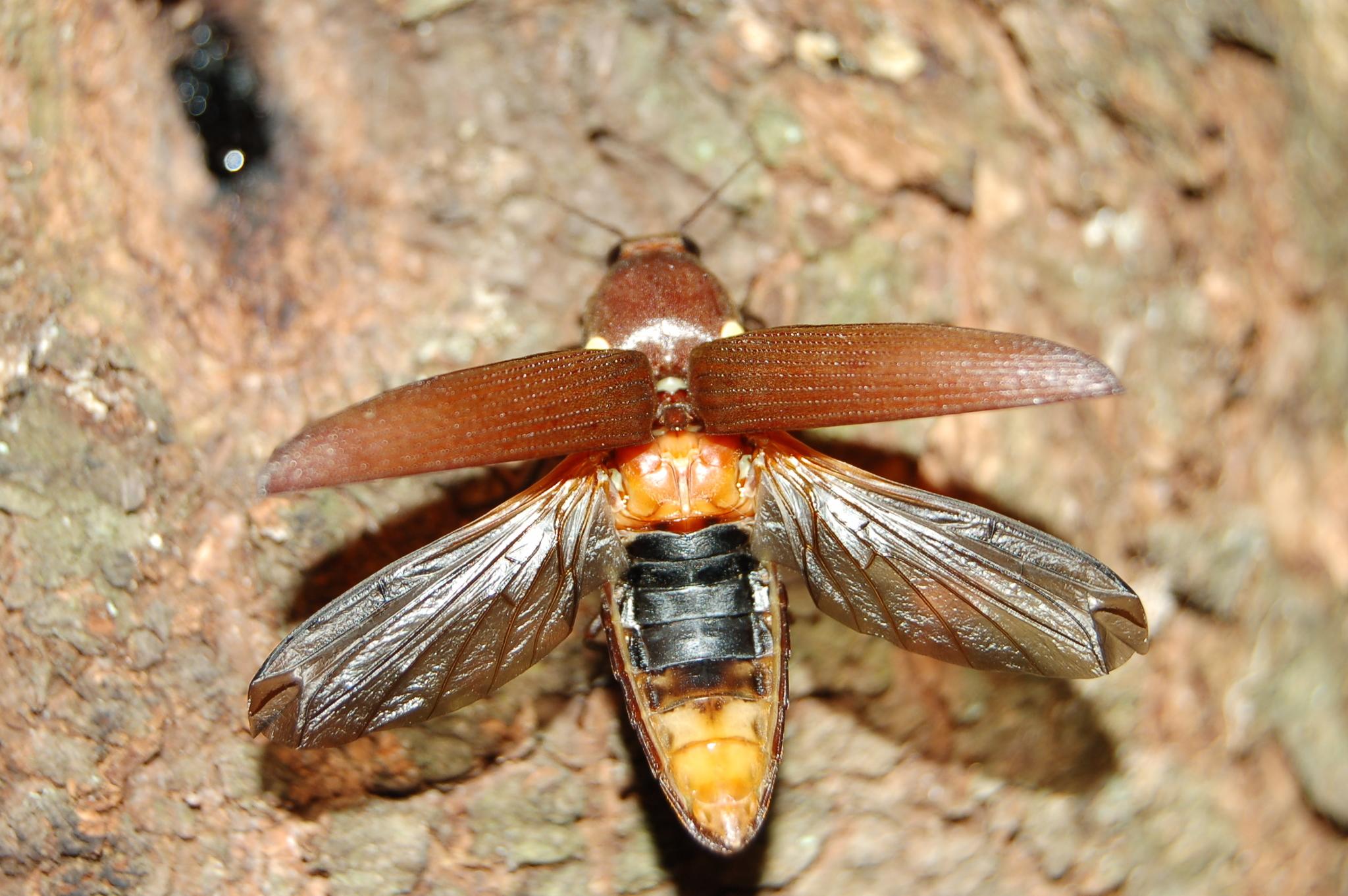
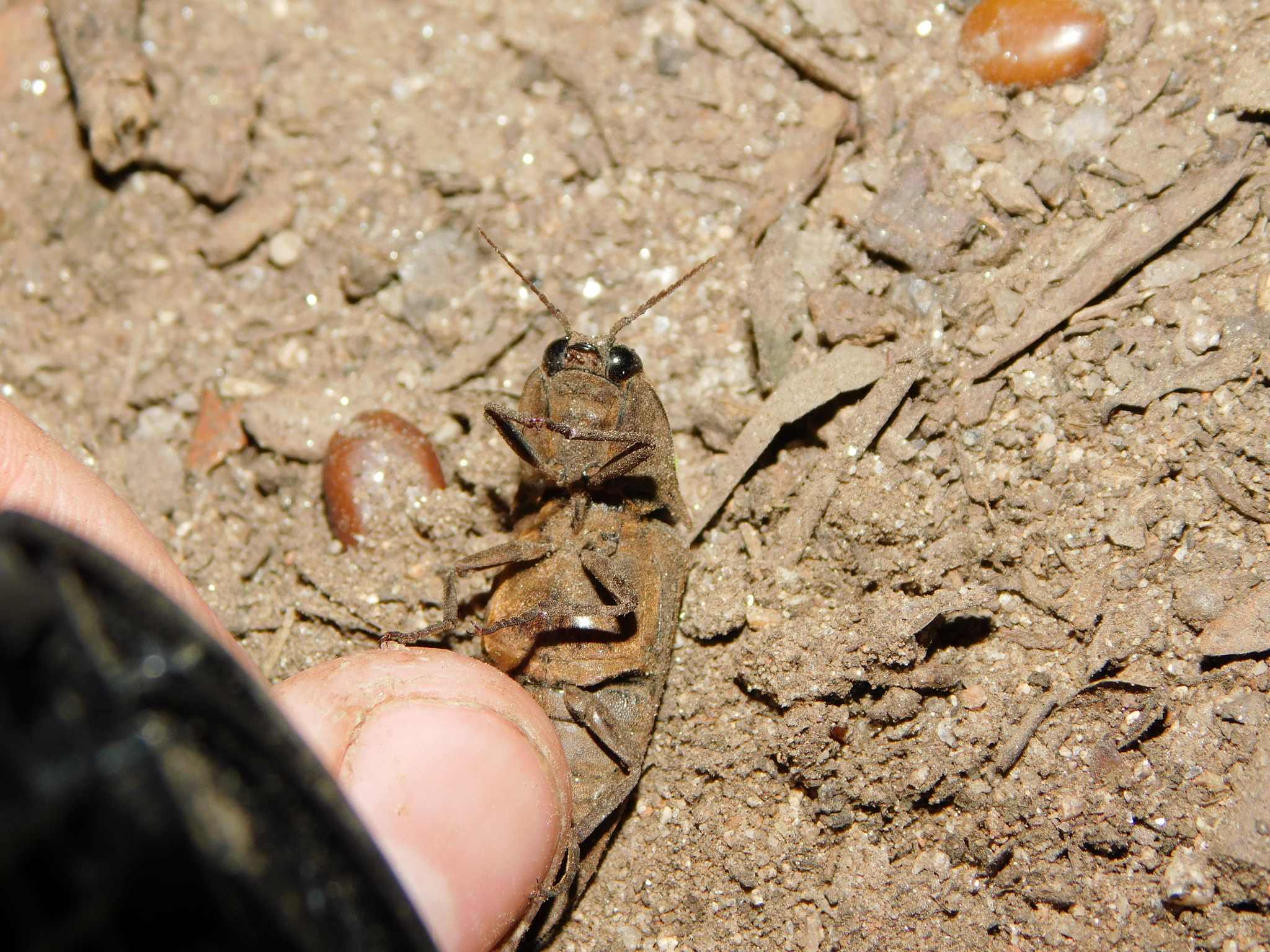
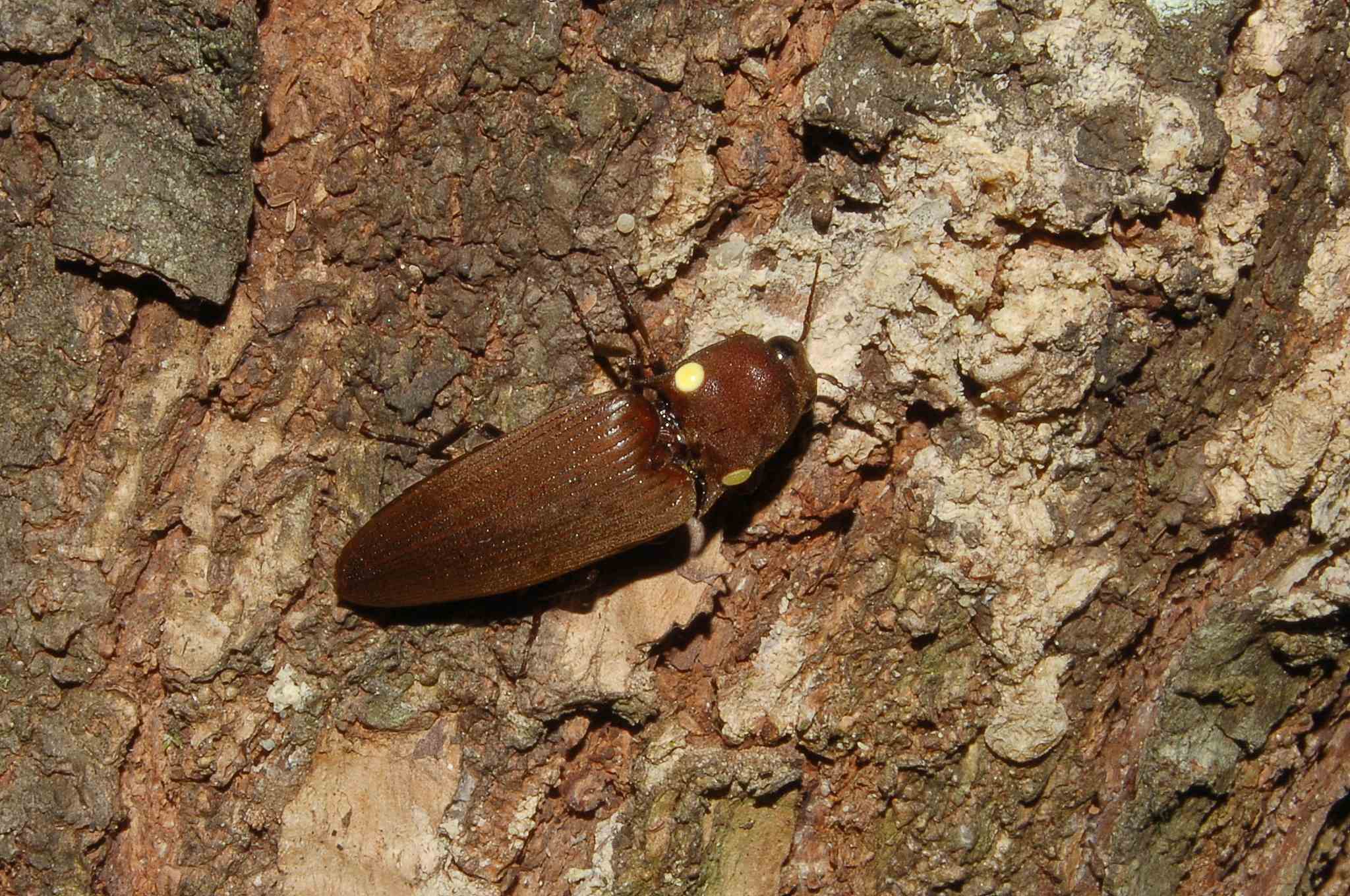
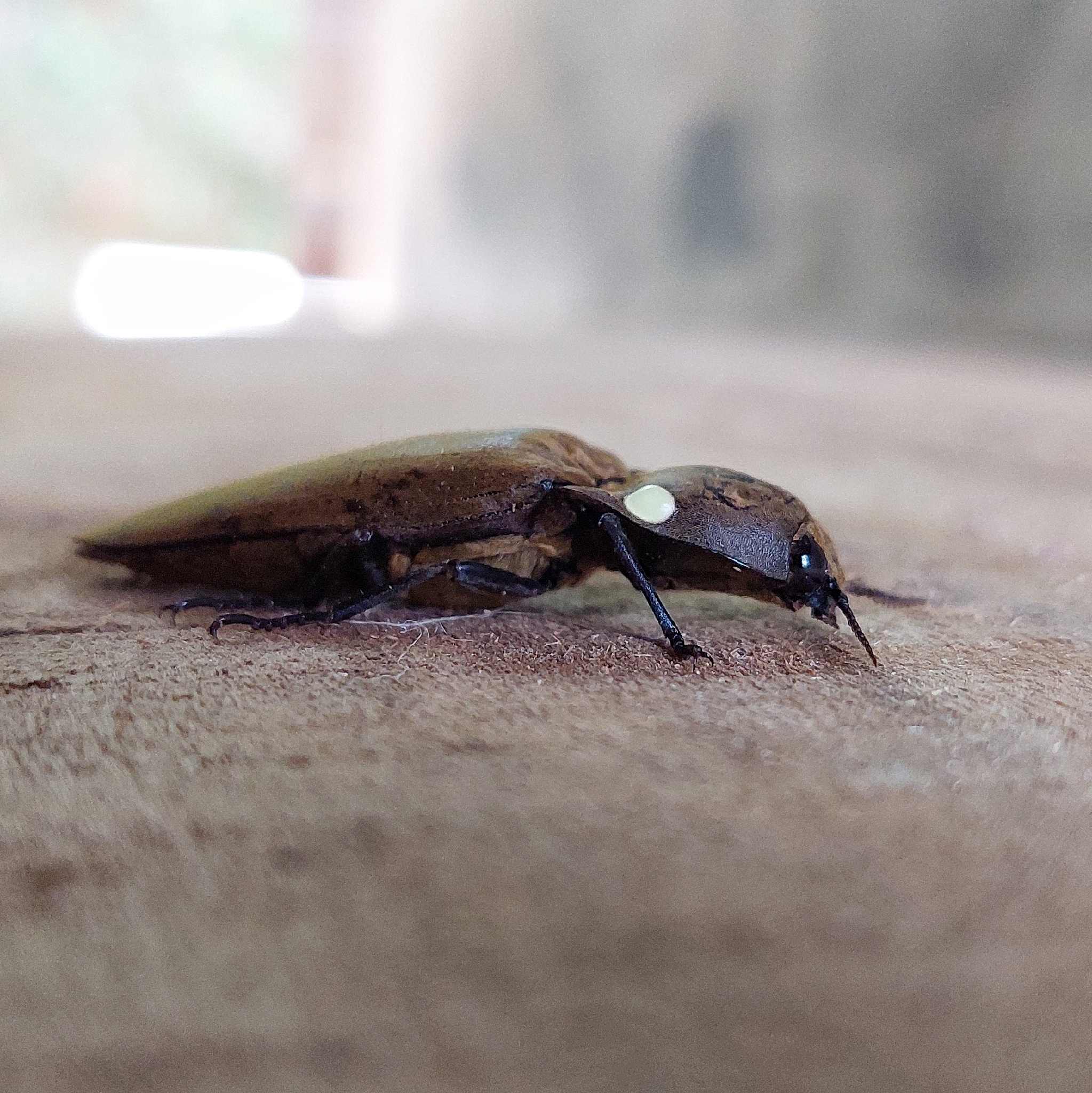
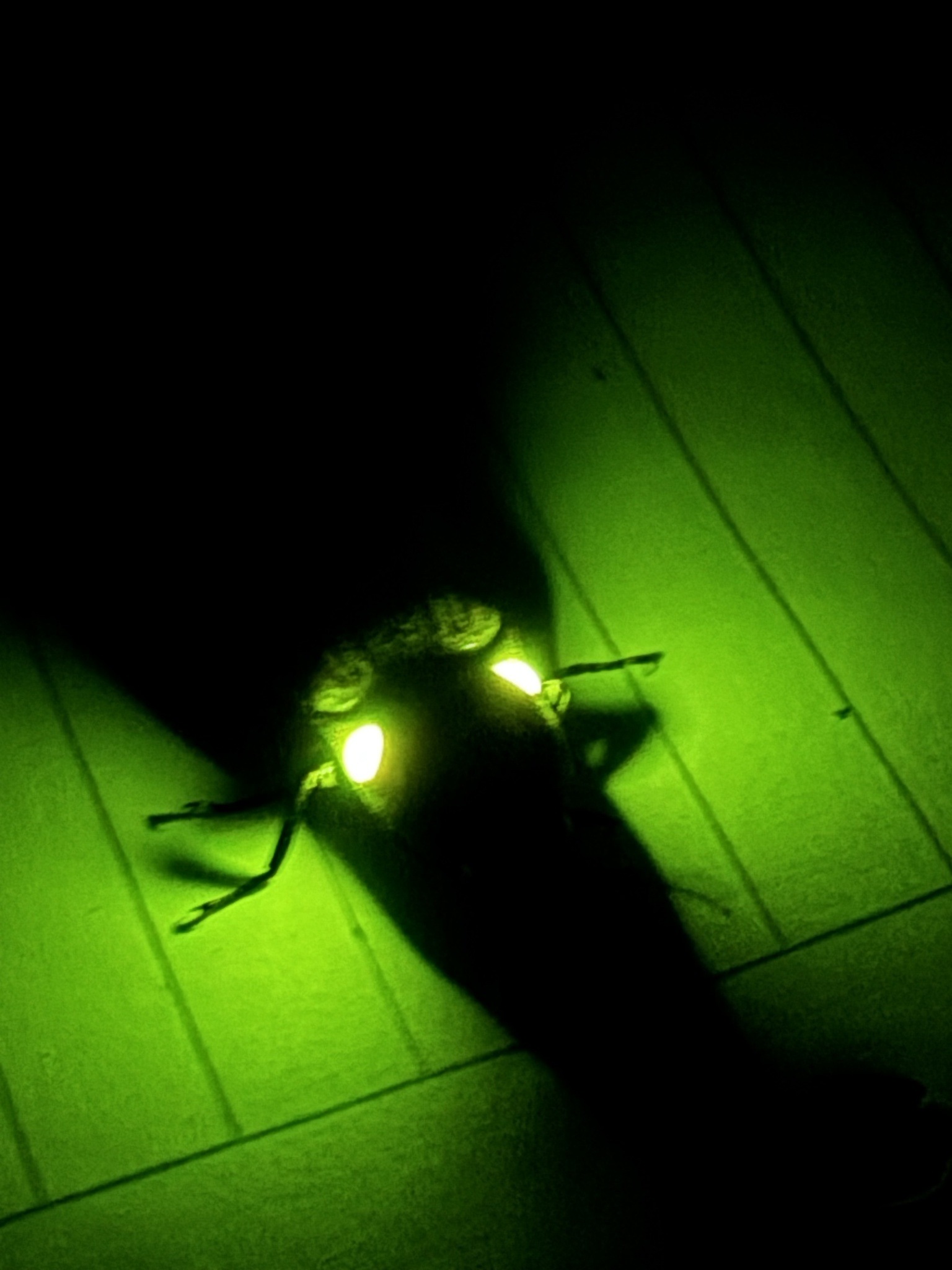
Morphological Features
No morphological description available.
Host Plants (0 host plants)
Data sources: EPPO Global Database and relevant literature.
No host plants available.
Quarantine Status (1 records)
Data sources: IPPC website and national quarantine websites; verified by human review.
| Country | Status | Year Added |
|---|---|---|
| United States of America | Quarantine pests | — |
Distribution (0 countries)
Data Sources: EPPO Global Database and GBIF.
No distribution records available.
Genomes (0 records)
Data source: NCBI.
No genome records available.
Transcriptomes (0 records)
Data source: NCBI.
No transcriptome records available.
Literature
Fetching literature from NCBI PubMed...
Failed to fetch literature