Paederia foetida
TaxID: 60087
Basic Information
Paederia foetida
Skunk Vine, Skunk vine
Paederia foetida is a species of plant, with common names that are variations of skunkvine, stinkvine, pilau maile (Hawaiian) or Chinese fever vine. It is native to temperate, and tropical Asia; and has become naturalized in the Mascarenes, Melanesia, Polynesia, and the Hawaiian Islands, also found in North America by recent studies. Paederia foetida is known for the strong, sulphurous odour exuded when its leaves or stems are crushed or bruised. This is because the oil responsible for the smell, and found primarily within the leaves, contains sulphur compounds, including largely dimethyl disulphide.
from Wikipedia
Taxonomic Information
Eukaryota
Streptophyta
Magnoliopsida
Gentianales
Rubiaceae
Paederia
foetida
nan
Species
nan
k__Eukaryota;p__Streptophyta;c__Magnoliopsida;o__Gentianales;f__Rubiaceae;g__Paederia;s__Paederia foetida
nan
Weeds
Photos (5 photos)
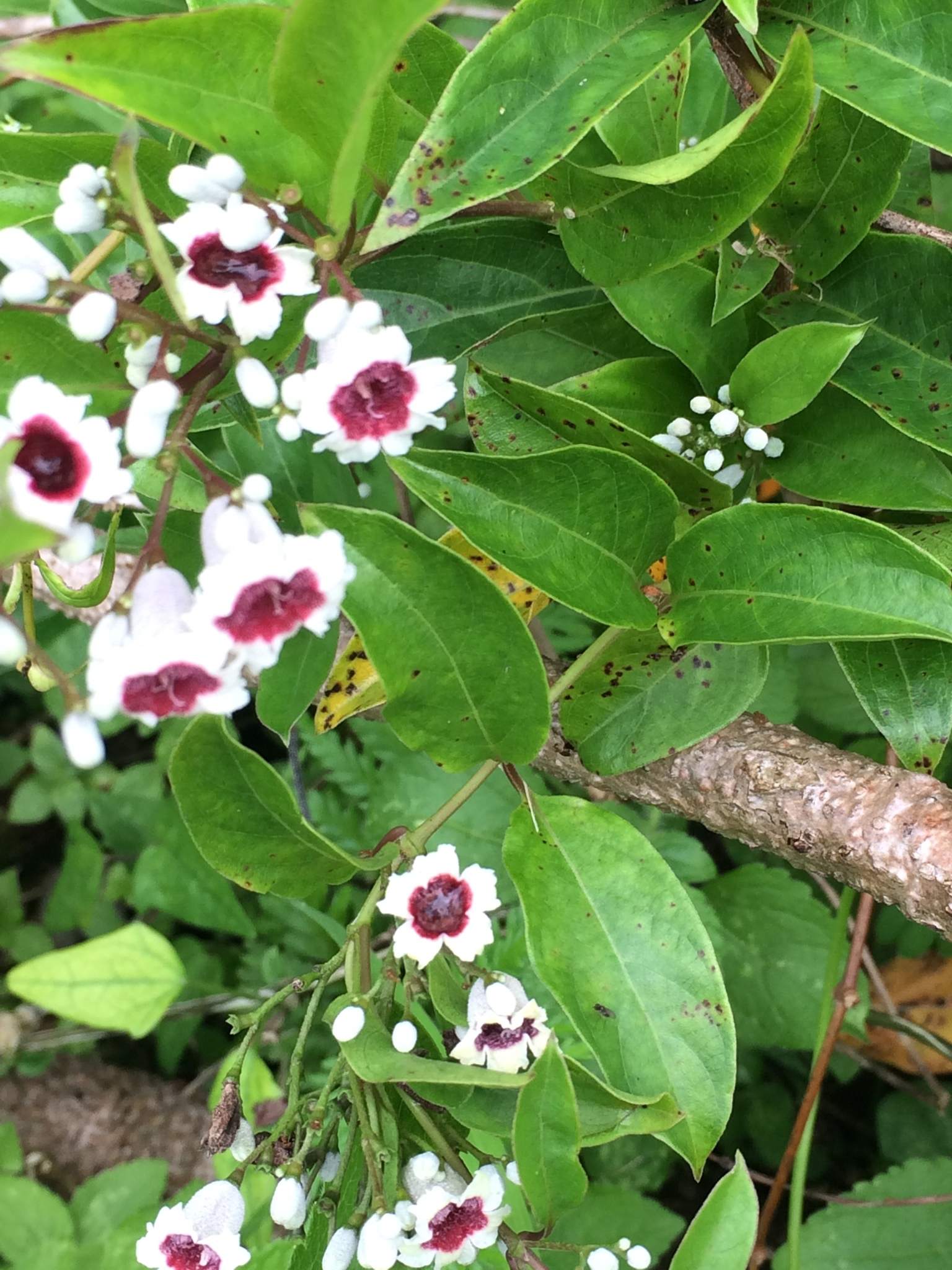
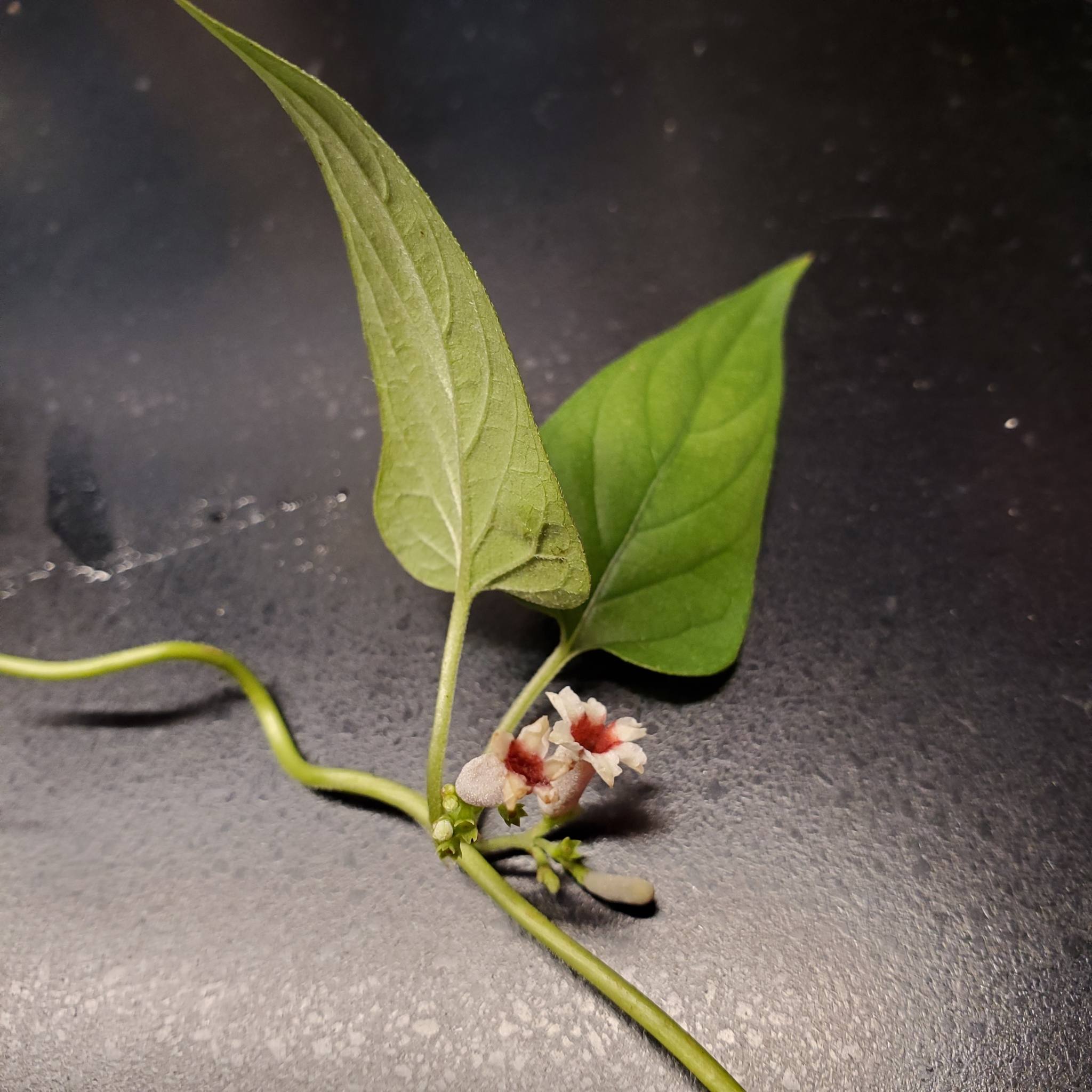
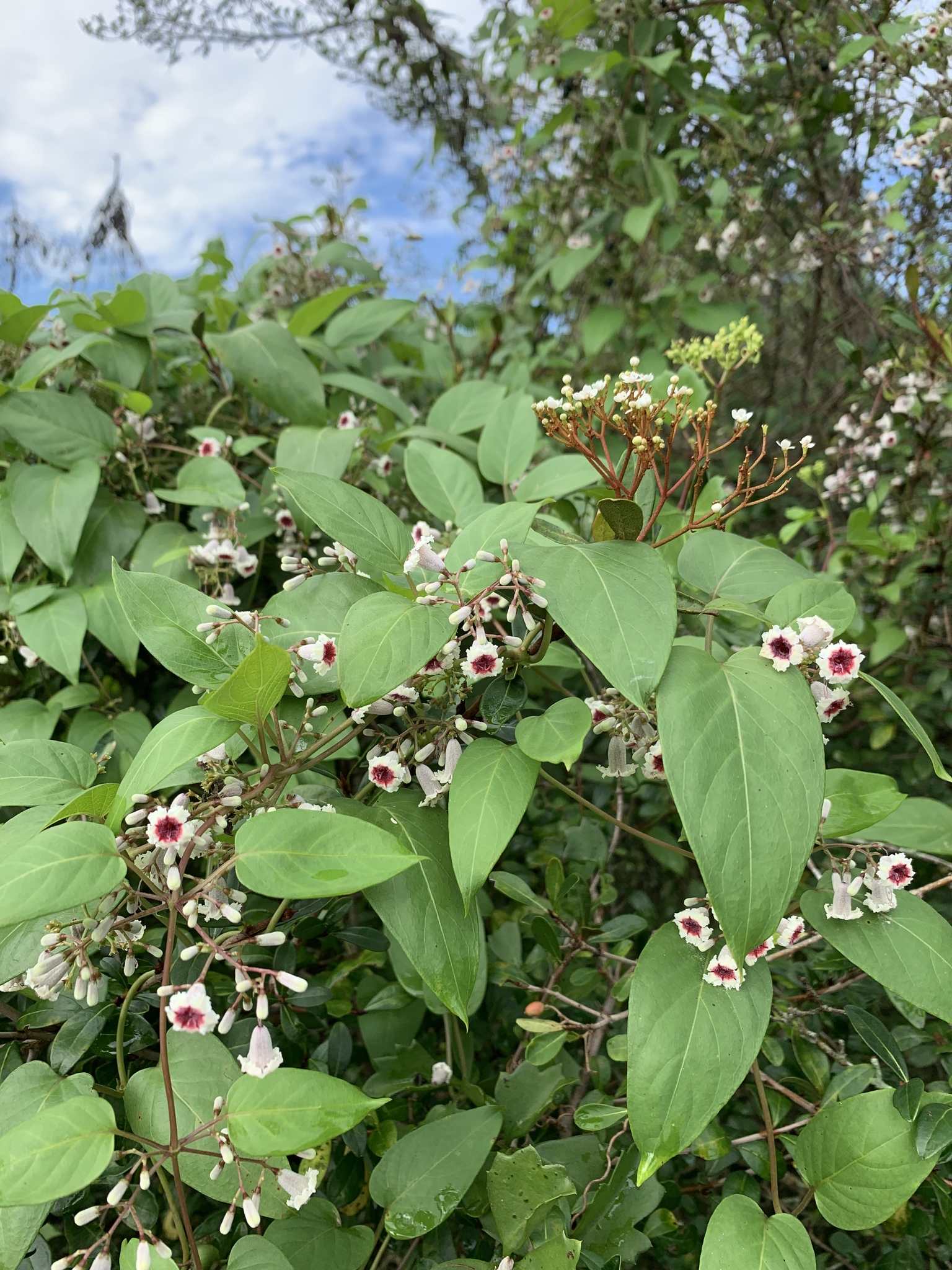
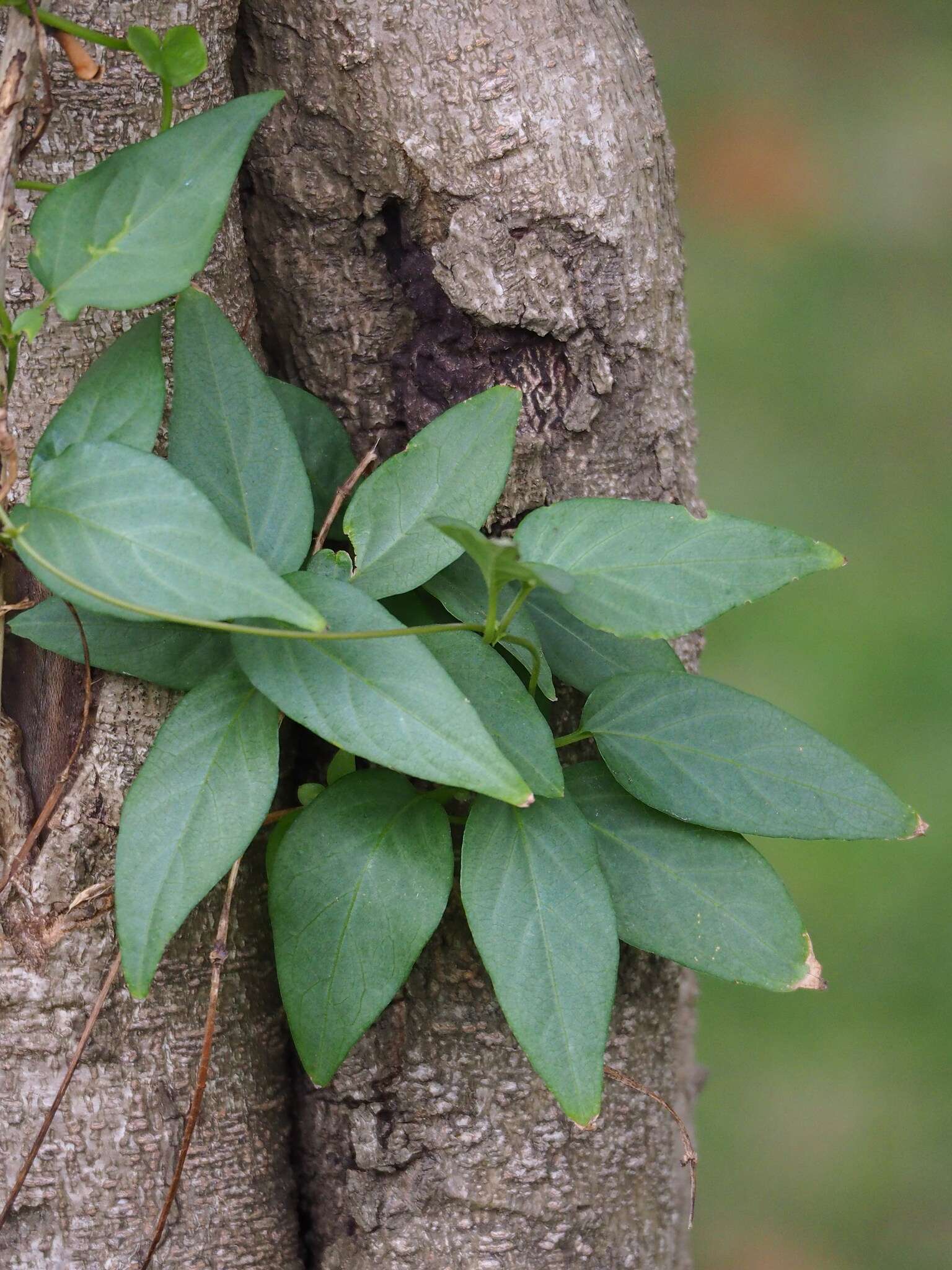
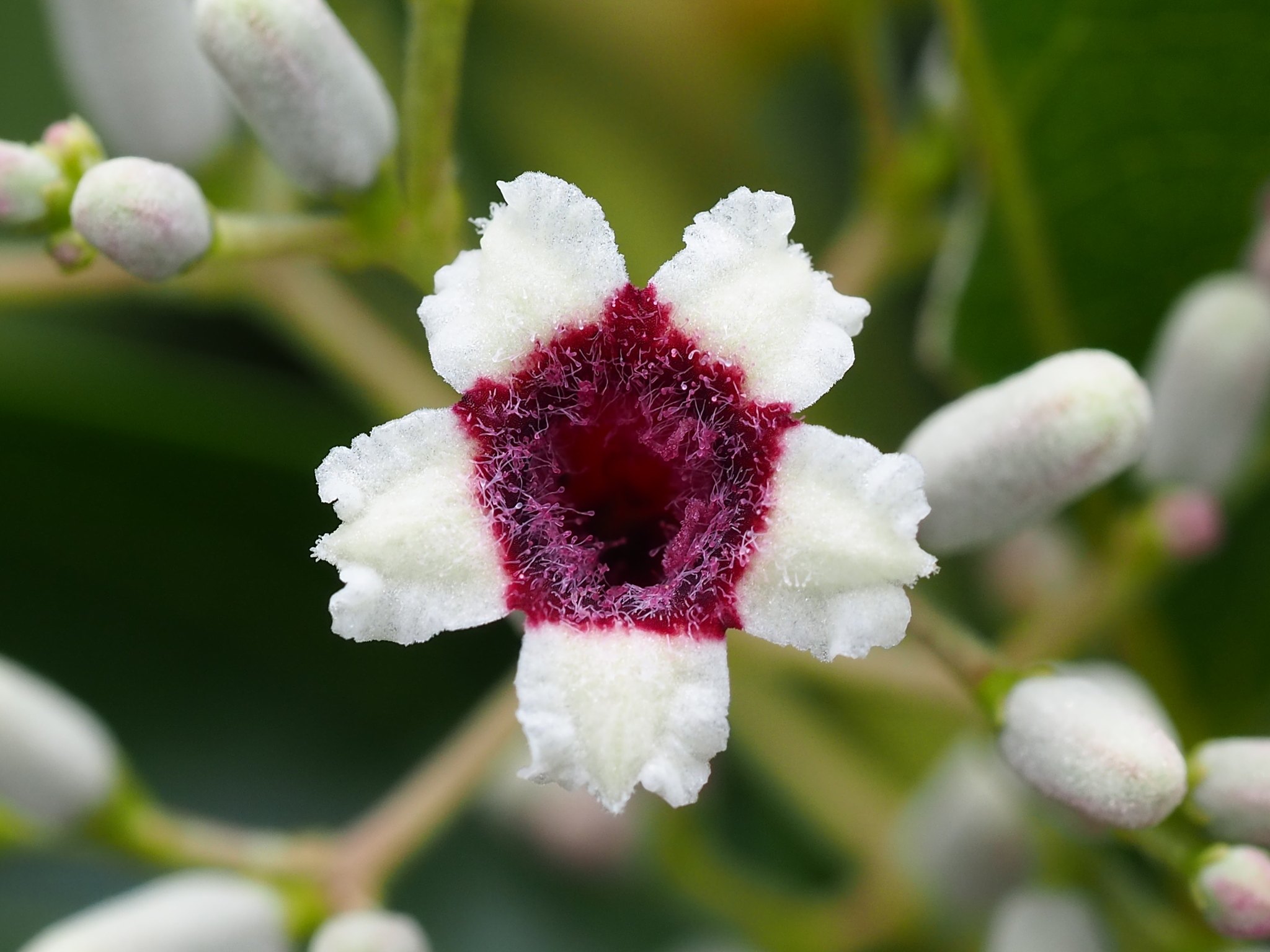
Morphological Features
No morphological description available.
Host Plants (0 host plants)
Data sources: EPPO Global Database and relevant literature.
No host plants available.
Quarantine Status (1 records)
Data sources: IPPC website and national quarantine websites; verified by human review.
| Country | Status | Year Added |
|---|---|---|
| Timor-Leste | Quarantine pests | — |
Distribution (29 countries)
Data Sources: EPPO Global Database and GBIF.
| Country | Status | State |
|---|---|---|
| Australia | Present | — |
| Bangladesh | Present | — |
| Bhutan | Present | — |
| China | Present | — |
| France | Present | — |
| Hong Kong, China | Present | — |
| Indonesia | Present | — |
| India | Present | — |
| Japan | Present | — |
| Kenya | Present | — |
Distribution Map (Latitude and longitude coordinates sourced from GBIF.)
Download CSVGenomes (0 records)
Data source: NCBI.
No genome records available.
Transcriptomes (0 records)
Data source: NCBI.
No transcriptome records available.
Literature
Fetching literature from NCBI PubMed...
Failed to fetch literature