Melittia cucurbitae
TaxID: 655047
Basic Information
Melittia cucurbitae
Squash Vine Borer
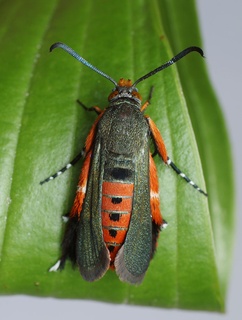
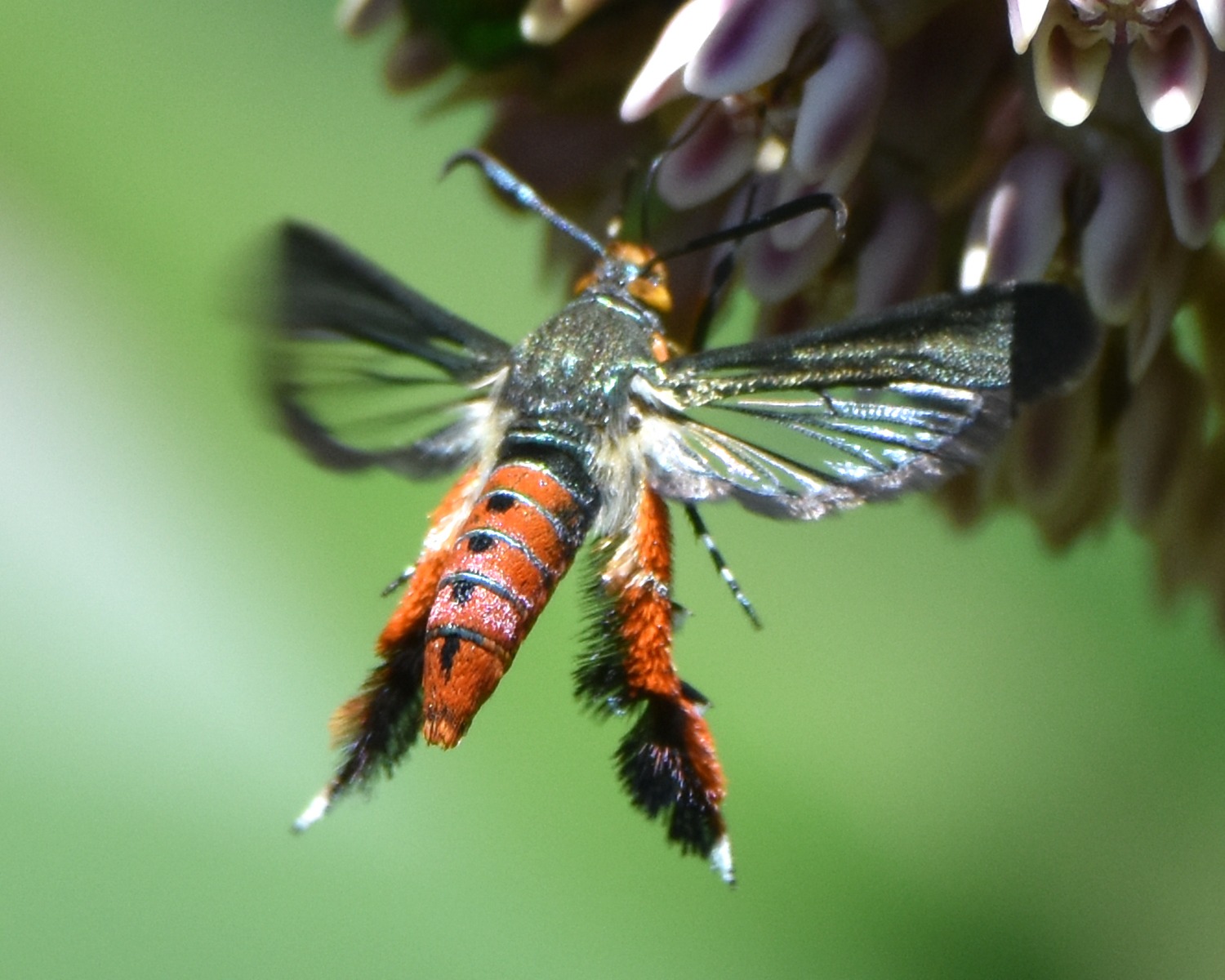
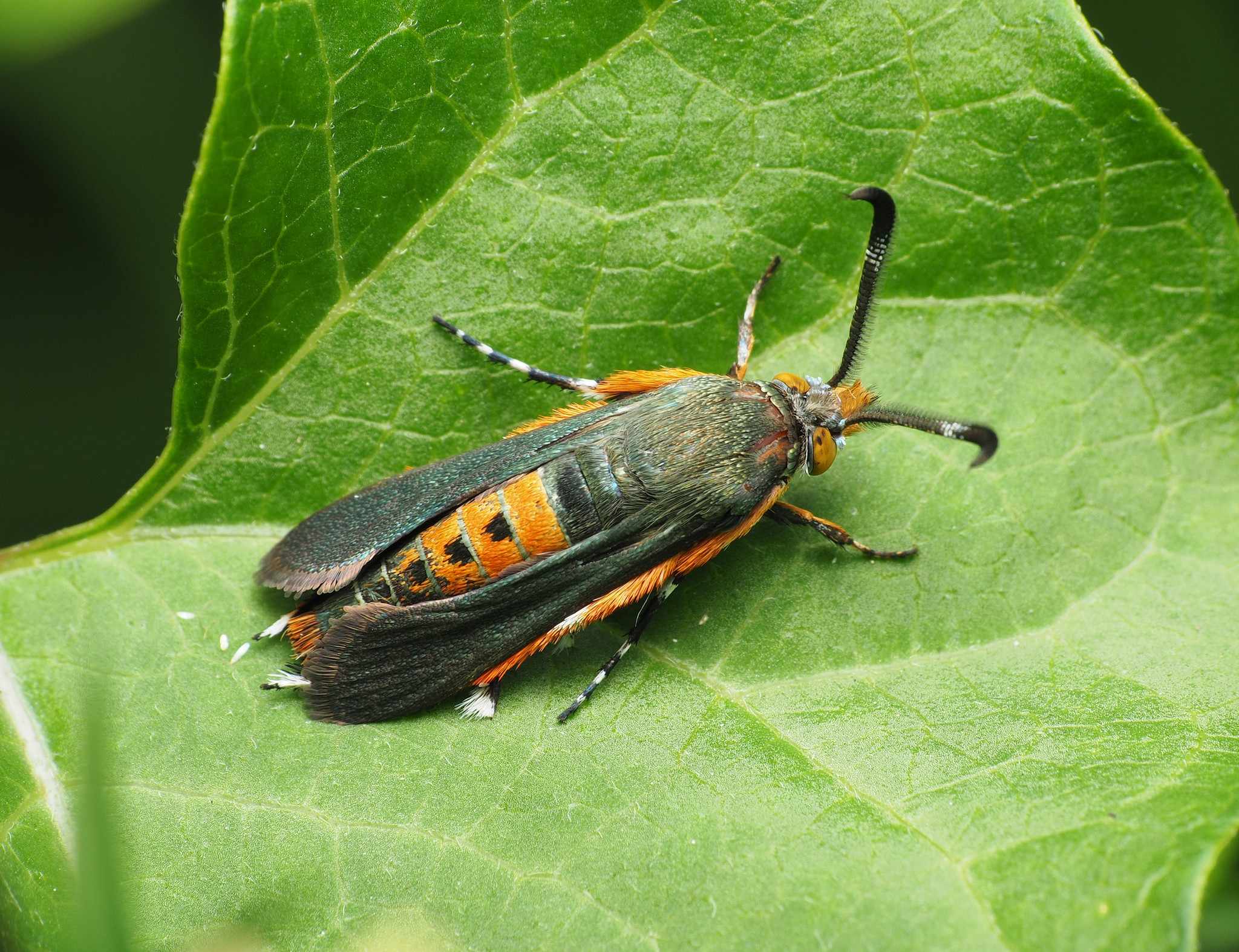
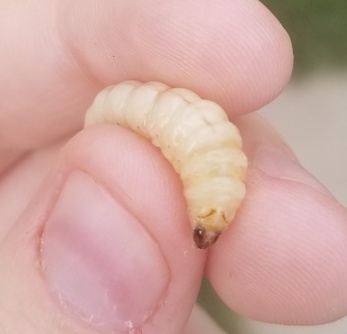
The squash vine borer (Melittia cucurbitae) is a diurnal species of sesiid moth. The moth is often mistaken for a bee or wasp because of its movements, and the bright orange hind leg scales. The females typically lay their eggs at the base of leaf stalks, and the caterpillars develop and feed inside the stalk, eventually killing the leaf. They soon migrate to the main stem, and with enough feeding damage to the stem, the entire plant may die. For this reason, it is considered a pest that attacks cultivated varieties of squash, zucchini, pumpkin, and acorn squash. The squash vine borer is native to North America, with some reports as far south as Brazil and Argentina. It lives in most temperate North American states, except the Pacific coast. Southern states have two broods a year.
from Wikipedia
Taxonomic Information
Metazoa
Arthropoda
Insecta
Lepidoptera
Sesiidae
Melittia
cucurbitae
unclassified
Species
nan
k__Metazoa;p__Arthropoda;c__Insecta;o__Lepidoptera;f__Sesiidae;g__Melittia;s__Melittia cucurbitae
nan
Arthropods
Photos (5 photos)
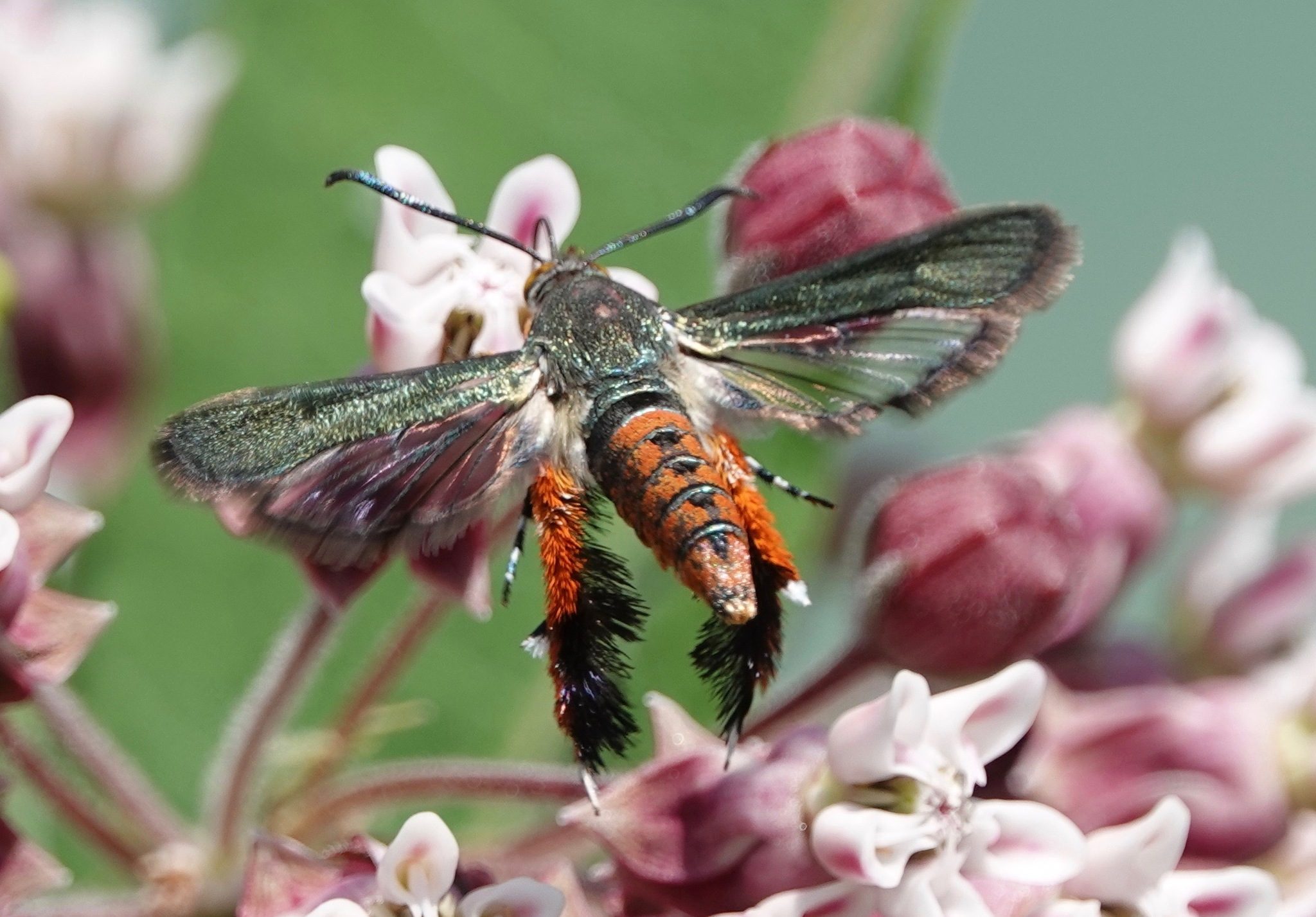
Morphological Features
No morphological description available.
Host Plants (0 host plants)
Data sources: EPPO Global Database and relevant literature.
No host plants available.
Quarantine Status (2 records)
Data sources: IPPC website and national quarantine websites; verified by human review.
| Country | Status | Year Added |
|---|---|---|
| Panama | Quarantine pests | — |
| United States of America | Quarantine pests | — |
Distribution (0 countries)
Data Sources: EPPO Global Database and GBIF.
No distribution records available.
Genomes (0 records)
Data source: NCBI.
No genome records available.
Transcriptomes (0 records)
Data source: NCBI.
No transcriptome records available.
Literature
Fetching literature from NCBI PubMed...
Failed to fetch literature